
A ketogenic diet, often referred to as a keto diet, is a high-fat, low-carbohydrate eating plan designed to shift your body’s metabolism from burning glucose to burning fat for energy. By drastically reducing your carbohydrate intake and replacing it with fat, you enter a metabolic state known as ketosis. In this state, your body becomes incredibly efficient at burning fat for fuel, which can lead to weight loss and other health benefits.
Typically, a ketogenic diet consists of approximately 70-75% fat, 20-25% protein, and only about 5-10% carbohydrates. The primary goal of the ketogenic diet is to encourage your body to utilize fat as its main energy source. This shift can have profound effects on your overall health, including improved mental clarity, increased energy levels, and reduced hunger pangs.
Many people turn to the ketogenic diet not only for weight loss but also for its potential therapeutic benefits in managing conditions such as epilepsy, type 2 diabetes, and even certain neurological disorders. However, embarking on this dietary journey requires careful planning and consideration of the foods you consume.
Key Takeaways
- A ketogenic diet is a high-fat, low-carbohydrate diet that aims to put the body into a state of ketosis, where it burns fat for fuel instead of carbohydrates.
- Legumes are a group of plants that produce a pod with seeds inside, including beans, lentils, and peas, and are often used as a source of protein in vegetarian and vegan diets.
- Legumes are relatively high in carbohydrates, with some varieties containing up to 40 grams of carbs per serving, making them potentially challenging to fit into a ketogenic diet.
- While legumes are high in carbohydrates, they also provide fiber and protein, which can be beneficial for overall health and may help with weight management on a ketogenic diet.
- Including legumes in a ketogenic diet may provide benefits such as improved gut health, increased satiety, and a wider variety of nutrients, but it may also lead to potential drawbacks such as difficulty staying in ketosis and digestive issues for some individuals.
What are Legumes?
Nutritional Value
Legumes are celebrated for their high protein content, fiber, and essential nutrients, making them a staple in many diets around the world. They are often praised for their health benefits, including their ability to support heart health and stabilize blood sugar levels.
Versatility in the Kitchen
In addition to their nutritional value, legumes are also versatile in the kitchen. You can incorporate them into soups, salads, stews, and even snacks. Their rich flavors and textures can enhance a variety of dishes, making them a popular choice for both vegetarians and meat-eaters alike.
Legumes in a Ketogenic Diet
However, when considering a ketogenic diet, it’s essential to evaluate how legumes fit into your overall dietary goals.
The Carbohydrate Content of Legumes
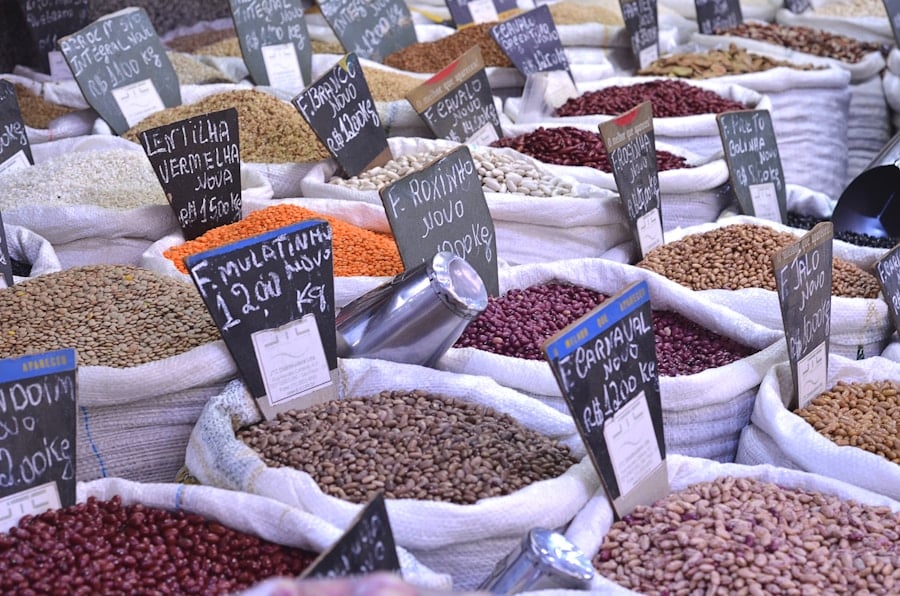
When it comes to the carbohydrate content of legumes, it’s important to note that they are generally higher in carbohydrates compared to other foods typically consumed on a ketogenic diet. For instance, a cup of cooked lentils contains approximately 40 grams of carbohydrates, while black beans have around 41 grams per cup. While legumes are rich in fiber—an important component that can help mitigate some of the effects of carbohydrates—they still contribute significantly to your daily carb intake.
The carbohydrate content in legumes can vary widely depending on the type you choose. Some legumes may be more suitable for a low-carb diet than others. For example, green beans and black soybeans are lower in carbohydrates compared to chickpeas or kidney beans.
If you’re following a strict ketogenic diet, it’s crucial to monitor your portion sizes and choose legumes wisely to ensure you stay within your carbohydrate limits.
The Role of Legumes in a Ketogenic Diet
Incorporating legumes into a ketogenic diet can be a contentious topic among nutritionists and dieters alike. While legumes are packed with nutrients and offer numerous health benefits, their higher carbohydrate content poses a challenge for those aiming to maintain ketosis. If you decide to include legumes in your keto meal plan, it’s essential to do so mindfully.
This means being aware of portion sizes and balancing them with other low-carb foods. One approach is to use legumes as an occasional ingredient rather than a staple food. For instance, you might add a small amount of black beans to a salad or use lentils in a hearty soup while ensuring that the rest of your meal remains low in carbohydrates.
This way, you can enjoy the nutritional benefits of legumes without significantly impacting your carb intake. Additionally, combining legumes with healthy fats can help slow down digestion and minimize blood sugar spikes.
Potential Benefits of Including Legumes in a Ketogenic Diet
Despite their higher carbohydrate content, there are several potential benefits to including legumes in your ketogenic diet. First and foremost, legumes are an excellent source of plant-based protein. If you’re looking to maintain muscle mass while losing weight or simply want to ensure you’re getting enough protein in your diet, legumes can be a valuable addition.
They provide essential amino acids that support muscle repair and growth. Moreover, legumes are rich in dietary fiber, which plays a crucial role in digestive health. Fiber can help regulate bowel movements and promote feelings of fullness, which may aid in weight management.
Additionally, the fiber found in legumes can help stabilize blood sugar levels by slowing down the absorption of carbohydrates into the bloodstream. This can be particularly beneficial for those who are sensitive to blood sugar fluctuations or are managing diabetes.
Potential Drawbacks of Including Legumes in a Ketogenic Diet

While there are benefits to including legumes in your ketogenic diet, there are also potential drawbacks that you should consider. The most significant concern is their carbohydrate content. For individuals strictly adhering to the ketogenic guidelines—typically limiting carbs to around 20-50 grams per day—consuming even small portions of legumes can quickly add up and potentially kick you out of ketosis.
Another consideration is that some people may experience digestive discomfort when consuming legumes due to their high fiber content and certain compounds called oligosaccharides. These compounds can lead to gas and bloating in some individuals, particularly if they are not accustomed to consuming high-fiber foods regularly. If you decide to incorporate legumes into your diet, it may be wise to start with small amounts and gradually increase your intake while monitoring how your body responds.
Alternatives to Legumes on a Ketogenic Diet
If you find that legumes do not fit well into your ketogenic lifestyle or if you prefer to avoid them altogether due to their carbohydrate content or potential digestive issues, there are plenty of alternatives available. One popular substitute is non-starchy vegetables such as leafy greens, broccoli, cauliflower, and zucchini. These vegetables are low in carbohydrates while still providing essential vitamins and minerals.
Another option is to explore other sources of plant-based protein that align more closely with ketogenic principles. For instance, nuts and seeds—such as almonds, walnuts, chia seeds, and flaxseeds—are excellent choices that offer healthy fats along with protein. Additionally, tofu and tempeh can serve as versatile protein sources for those following a vegetarian or vegan ketogenic diet.
Can You Have Legumes on a Ketogenic Diet?
In conclusion, whether or not you can include legumes in your ketogenic diet largely depends on your individual goals and how strictly you adhere to the carb limits associated with ketosis. While legumes offer numerous health benefits—such as being rich in protein and fiber—their higher carbohydrate content may pose challenges for those aiming for strict ketosis. If you choose to incorporate legumes into your meals occasionally and mindfully monitor your portion sizes, you may find that they can fit into your overall dietary plan without derailing your progress.
However, if you prefer to avoid them altogether or find that they do not agree with your digestive system, there are plenty of low-carb alternatives available that can help you achieve your nutritional goals while still enjoying a varied and satisfying diet. Ultimately, the key is finding what works best for you and aligning it with your health objectives on your ketogenic journey.
FAQs
What are legumes?
Legumes are a type of plant that includes beans, lentils, peas, and peanuts. They are known for their high protein and fiber content.
Can I have legumes on a ketogenic diet?
In general, legumes are not recommended on a ketogenic diet due to their higher carbohydrate content. However, small portions of certain legumes, such as green beans and snow peas, may be included in a ketogenic diet in moderation.
Why are legumes not recommended on a ketogenic diet?
Legumes are higher in carbohydrates compared to other low-carb vegetables, which can make it challenging to stay within the daily carbohydrate limit required for a ketogenic diet. Additionally, some legumes contain anti-nutrients that can interfere with nutrient absorption.
Are there any benefits to including legumes in a ketogenic diet?
While legumes are not typically included in a ketogenic diet, they do offer health benefits such as being a good source of plant-based protein, fiber, and various vitamins and minerals. However, these benefits can be obtained from other low-carb sources on a ketogenic diet.
What are some alternatives to legumes on a ketogenic diet?
On a ketogenic diet, you can include low-carb vegetables such as leafy greens, broccoli, cauliflower, and zucchini as sources of fiber and nutrients. Additionally, you can incorporate protein from sources such as meat, poultry, fish, and eggs.





