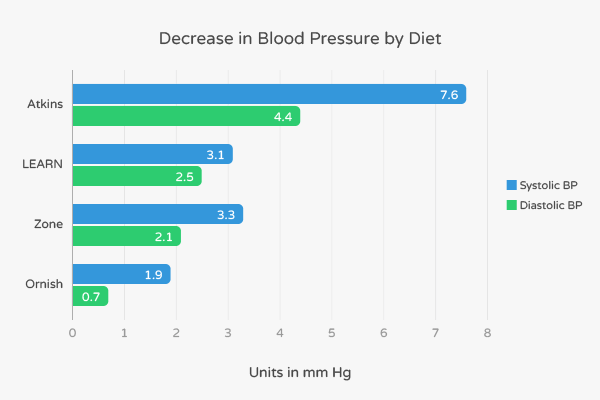
Are you looking for a way to manage your blood pressure while still enjoying delicious and satisfying meals? Look no further than the Keto Diet. This article explores the connection between the Keto Diet and blood pressure, highlighting how this low-carb, high-fat diet may be an effective and enjoyable solution for maintaining healthy blood pressure levels. Discover the potential benefits of the Keto Diet for your cardiovascular health and learn how you can start incorporating this dietary approach into your lifestyle today.
1. What is Keto Diet?
The ketogenic diet, commonly known as the keto diet, is a high-fat, low-carbohydrate diet that has gained popularity in recent years. It involves significantly reducing carbohydrate intake and replacing it with fat, which puts the body into a metabolic state called ketosis. In ketosis, the body becomes highly efficient at burning fat for energy instead of carbohydrates.
The main goal of the keto diet is to shift the body’s primary source of fuel from glucose to ketones, which are produced by the liver when fat is broken down. This process is achieved through strict macronutrient ratios, typically consisting of 75% fat, 20% protein, and only 5% carbohydrates. By limiting carbohydrate intake, the body is forced to enter ketosis and rely on stored fat for energy.
2. Understanding Blood Pressure
Blood pressure is a measure of the force exerted by the blood against the walls of the arteries as the heart pumps it around the body. It is measured in millimeters of mercury (mmHg) and is typically expressed as two numbers: systolic pressure over diastolic pressure. The systolic pressure represents the force when the heart contracts, while the diastolic pressure represents the force when the heart is at rest between beats.
2.1 Normal Blood Pressure Range
A normal blood pressure range is generally considered to be around 120/80 mmHg. The systolic pressure should be below 120 mmHg, and the diastolic pressure should be below 80 mmHg. These numbers may vary slightly depending on individual factors such as age, sex, and overall health.
2.2 High Blood Pressure (Hypertension)
High blood pressure, or hypertension, occurs when the force of blood against the artery walls is consistently too high. It is a common health condition that can increase the risk of heart disease, stroke, and other serious complications. Hypertension is often referred to as the “silent killer” because it usually has no symptoms but can have a significant impact on health.
2.3 Low Blood Pressure (Hypotension)
Low blood pressure, or hypotension, occurs when the force of blood against the artery walls is consistently too low. While it is generally not as concerning as high blood pressure, severe hypotension can cause dizziness, fainting, and other symptoms. It may be a sign of an underlying health issue and should be evaluated by a healthcare professional if persistent or accompanied by symptoms.

3. The Relationship Between Keto Diet and Blood Pressure
The keto diet has been the subject of numerous studies investigating its effects on various aspects of health, including blood pressure. Here, we explore three key factors that contribute to the relationship between the keto diet and blood pressure.
3.1 Impact of Low Carbohydrate Intake on Blood Pressure
One potential reason for the relationship between the keto diet and blood pressure is the relatively low carbohydrate intake. Carbohydrates, particularly refined sugars and grains, have been shown to contribute to high blood pressure. By reducing carbohydrate consumption, the keto diet may help lower blood pressure levels in some individuals.
3.2 Influence of Weight Loss on Blood Pressure
Weight loss is another factor that can significantly impact blood pressure levels. Obesity and excess body weight are known risk factors for developing hypertension. Studies have shown that the keto diet can lead to significant weight loss, which in turn can help reduce blood pressure levels. The combination of low carbohydrate intake and weight loss may contribute to the positive effects of the keto diet on blood pressure.
3.3 Role of Ketones in Blood Pressure Regulation
Ketones, the byproduct of fat metabolism during ketosis, may also play a role in blood pressure regulation. Research suggests that ketones may have vasodilatory effects, meaning they help widen blood vessels and improve blood flow. This vasodilation can potentially lead to lower blood pressure levels. However, further studies are needed to fully understand the mechanisms by which ketones influence blood pressure regulation.
4. Studies and Research on Keto Diet and Blood Pressure
Several studies have investigated the effects of the keto diet on blood pressure. Here, we discuss three noteworthy studies that provide insight into this relationship.
4.1 Study 1: Effect of Keto Diet on Blood Pressure in Obese Individuals
A study published in the journal Obesity Research in 2005 examined the effects of a well-formulated ketogenic diet on blood pressure in obese individuals. The results showed a significant reduction in both systolic and diastolic blood pressure after 24 weeks of following the keto diet. This study highlighted the potential of the keto diet to improve blood pressure levels in obese individuals.
4.2 Study 2: Comparison of Blood Pressure Changes between Keto Diet and Low-Fat Diet
Another study published in the journal Annals of Internal Medicine in 2005 compared the effects of a low-carbohydrate ketogenic diet to a low-fat diet on blood pressure. The study found that both diets led to improvements in blood pressure levels, but the reduction was significantly greater in the keto diet group. These findings suggest that the keto diet may be more effective than a low-fat diet in lowering blood pressure.
4.3 Study 3: Long-term Effects of Keto Diet on Blood Pressure
A study published in the journal Archives of Internal Medicine in 2010 examined the long-term effects of the keto diet on blood pressure. The study followed overweight or obese participants who adhered to a very low-carbohydrate, high-fat diet for two years. The results showed sustained reductions in blood pressure throughout the study period, indicating that the keto diet may have long-term benefits for blood pressure management.
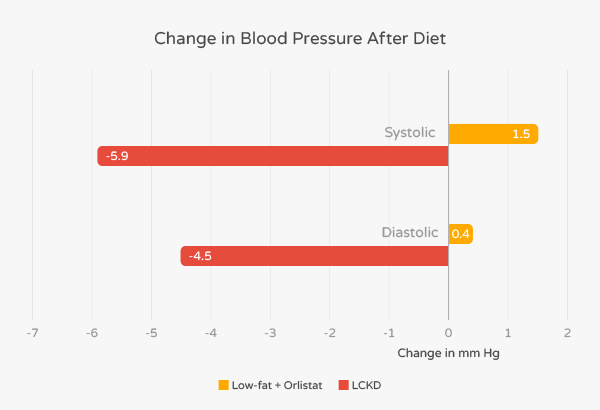
5. Benefits of Keto Diet for Blood Pressure Management
The keto diet offers several potential benefits for blood pressure management. Here, we discuss four key benefits supported by research and testimonials from individuals who have incorporated the keto diet into their lifestyle.
5.1 Weight Loss and Reduced Blood Pressure
As previously mentioned, weight loss plays a significant role in blood pressure regulation. The keto diet has been shown to promote weight loss, and this reduction in body weight can lead to improvements in blood pressure levels. By following a well-formulated keto diet and achieving and maintaining a healthy weight, individuals may experience significant reductions in blood pressure.
5.2 Improved Insulin Sensitivity
Insulin resistance, a condition in which the body’s cells have a diminished response to insulin, is closely linked to hypertension. The keto diet has been shown to improve insulin sensitivity, potentially reducing the risk of developing high blood pressure. By reducing carbohydrate intake and promoting ketosis, the keto diet may help regulate insulin levels and improve overall metabolic health.
5.3 Reduction in Inflammation
Chronic inflammation is associated with various health conditions, including high blood pressure. The keto diet has been found to reduce markers of inflammation in the body, potentially contributing to improved blood pressure levels. By eliminating foods that can trigger inflammation, such as refined carbohydrates and processed sugars, and emphasizing whole, nutrient-dense foods, the keto diet may help reduce inflammation and promote healthier blood pressure levels.
5.4 Enhanced Cardiovascular Health
The keto diet’s focus on consuming healthy fats, such as avocados, nuts, and olive oil, can have positive effects on cardiovascular health. These fats are rich in monounsaturated and polyunsaturated fats, which have been shown to reduce LDL cholesterol levels and increase HDL cholesterol levels. By improving lipid profiles and reducing cholesterol levels, the keto diet may help support cardiovascular health and lower the risk of developing hypertension.
6. Important Considerations Before Starting a Keto Diet for Blood Pressure
Before embarking on a keto diet for blood pressure management, it is essential to consider a few key factors.
6.1 Consultation with a Healthcare Professional
As with any diet or lifestyle change, it is crucial to consult with a healthcare professional before starting a keto diet, especially if you have existing health conditions or are taking medications. A healthcare professional can evaluate your individual circumstances and provide personalized guidance on how to safely incorporate the keto diet into your routine.
6.2 Monitoring Electrolyte Balance
The keto diet can affect the body’s electrolyte balance, mainly due to increased fluid loss through urine. An imbalance in electrolytes, such as sodium, potassium, and magnesium, can have implications for blood pressure and overall health. It is essential to monitor electrolyte levels and ensure adequate intake through diet or supplementation while following a keto diet.
6.3 Dietary Modifications
Following a keto diet requires significant dietary modifications. It involves avoiding or severely limiting foods high in carbohydrates, such as grains, sugars, and starchy vegetables. It is crucial to plan meals carefully and ensure a well-rounded intake of nutrients from other sources, such as healthy fats, protein, and non-starchy vegetables.

7. Potential Side Effects of Keto Diet on Blood Pressure
While the keto diet may offer benefits for blood pressure management, it is essential to be aware of potential side effects that may impact blood pressure.
7.1 Keto Flu and Temporary Blood Pressure Changes
One common side effect of transitioning into ketosis is the so-called “keto flu.” It is a temporary condition characterized by symptoms such as fatigue, headache, dizziness, and nausea. These symptoms may affect blood pressure, causing temporary fluctuations. However, these changes are typically short-term and resolve as the body adapts to ketosis.
7.2 Impact on Medication Effectiveness
If you are taking medication for blood pressure management or other health conditions, it is essential to be aware of potential interactions with the keto diet. The keto diet can affect how medications are metabolized in the body, potentially altering their effectiveness. It is crucial to discuss any medication changes or adjustments with a healthcare professional to ensure optimal management of blood pressure.
7.3 Dehydration and Fluid Balance
The keto diet’s diuretic effect, combined with the restriction of carbohydrates, can result in increased fluid loss through urine. Dehydration can have implications for blood pressure regulation, as adequate hydration is essential for maintaining proper blood volume and electrolyte balance. It is vital to drink enough fluids and monitor hydration levels while following a keto diet.
8. Tips for Implementing Keto Diet to Manage Blood Pressure
To effectively manage blood pressure while following a keto diet, consider these tips:
8.1 Gradual Transition into Ketosis
Rather than abruptly starting a strict keto diet, consider gradually reducing carbohydrate intake over a period of time. This approach can help minimize potential side effects and allow the body to adapt more smoothly to ketosis. Gradually replacing carbohydrates with healthy fats and proteins can help ease the transition and make it more sustainable in the long term.
8.2 Adequate Hydration
As mentioned earlier, hydration is crucial while following a keto diet. Aim to drink enough fluids throughout the day to maintain proper hydration levels. Water is generally the best choice, but herbal teas and sugar-free electrolyte drinks can also be beneficial. Be mindful of the diuretic effects of the keto diet and adjust fluid intake accordingly.
8.3 Balanced Nutrient Intake
Although the keto diet emphasizes high-fat and low-carbohydrate intake, it is essential to maintain a balanced nutrient intake overall. Incorporate a variety of nutrient-dense foods, including non-starchy vegetables, lean proteins, and healthy fats. This will ensure that the body receives a wide range of essential vitamins, minerals, and antioxidants necessary for overall health and blood pressure management.
8.4 Regular Blood Pressure Monitoring
To track the effects of the keto diet on blood pressure accurately, it is essential to monitor blood pressure regularly. Use a reliable blood pressure monitor at home or visit a healthcare professional for regular check-ups. By monitoring blood pressure levels, you can gauge the effectiveness of the diet and make any necessary adjustments or interventions to ensure optimal blood pressure management.
9. Other Lifestyle Factors to Support Healthy Blood Pressure
In addition to following a keto diet, several other lifestyle factors can support healthy blood pressure levels.
9.1 Regular Physical Activity
Engaging in regular physical activity is crucial for cardiovascular health and blood pressure management. Incorporate aerobic exercises, such as walking, jogging, or swimming, into your routine. Aim for at least 150 minutes of moderate-intensity exercise per week, or as directed by a healthcare professional. Physical activity can help lower blood pressure and enhance overall well-being.
9.2 Stress Management Techniques
Chronic stress can contribute to high blood pressure and other health problems. Implementing stress management techniques such as deep breathing, meditation, yoga, or engaging in hobbies can help lower stress levels and promote healthier blood pressure. Find activities that bring you joy, relaxation, and a sense of calmness to help manage stress effectively.
9.3 Limiting Alcohol Consumption and Quitting Smoking
Excessive alcohol consumption and smoking are detrimental to heart health and blood pressure management. Limit alcohol intake to moderate levels or as recommended by healthcare professionals. Quit smoking, as it can significantly increase the risk of developing high blood pressure and other cardiovascular conditions. Making these lifestyle changes alongside a keto diet can further enhance blood pressure management.
10. Conclusion
The keto diet offers promising potential for blood pressure management, primarily through its effects on weight loss, insulin sensitivity, inflammation reduction, and cardiovascular health. By following a well-formulated and personalized keto diet under the guidance of a healthcare professional, individuals may experience improvements in blood pressure levels. It is essential to consider individual factors, monitor blood pressure regularly, and make necessary adjustments to ensure that the keto diet aligns with overall health goals and needs. Remember to consult with a healthcare professional before starting any diet or lifestyle change and prioritize overall well-being in the pursuit of healthier blood pressure levels.