
The ketogenic diet, commonly referred to as the keto diet, is a low-carbohydrate, high-fat eating plan that has gained immense popularity in recent years. At its core, the keto diet aims to shift your body’s metabolism from relying on carbohydrates for energy to utilizing fats instead. This metabolic state is known as ketosis, where your body becomes highly efficient at burning fat for fuel.
By drastically reducing your carbohydrate intake and replacing it with healthy fats, you can encourage your body to enter this state, leading to potential weight loss and improved energy levels. As you embark on your keto journey, it’s essential to understand the macronutrient breakdown that defines this diet. Typically, a standard keto diet consists of approximately 70-75% fats, 20-25% protein, and only about 5-10% carbohydrates.
This significant reduction in carbs forces your body to adapt and find alternative energy sources. However, it’s not just about cutting carbs; it’s also about making informed choices regarding the types of fats and proteins you consume. By prioritizing whole, nutrient-dense foods, you can ensure that your body receives the essential vitamins and minerals it needs while still adhering to the principles of the keto diet.
Key Takeaways
- The keto diet focuses on high fat, moderate protein, and low carb intake to achieve ketosis.
- Choose cooking methods such as grilling, roasting, and sautéing to retain the natural flavors of ingredients without adding extra carbs.
- Incorporate healthy fats like avocado oil, coconut oil, and grass-fed butter into your cooking to meet the high fat requirement of the keto diet.
- Utilize low-carb ingredients like cauliflower rice, zucchini noodles, and almond flour to replace traditional high-carb options in your recipes.
- Plan and prep your meals in advance to ensure you have keto-friendly options readily available and avoid the temptation of high-carb foods.
Choosing the Right Cooking Methods for Keto
When it comes to cooking on a keto diet, the methods you choose can significantly impact the nutritional value of your meals. Opting for cooking techniques that preserve the integrity of healthy fats while minimizing the addition of unwanted carbohydrates is crucial. For instance, grilling, roasting, and sautéing are excellent methods that allow you to infuse flavors into your dishes without compromising their keto-friendly status.
These techniques not only enhance the taste of your meals but also help retain the nutrients in your ingredients. Another effective cooking method is slow cooking, which can be particularly beneficial for preparing hearty stews and soups packed with low-carb vegetables and healthy proteins. Slow cooking allows flavors to meld beautifully while keeping your meals tender and satisfying.
Additionally, using an air fryer can be a game-changer for those who enjoy crispy textures without the added carbs from traditional frying methods. By embracing these cooking techniques, you can create delicious and satisfying meals that align perfectly with your keto lifestyle.
Incorporating Healthy Fats in Your Cooking
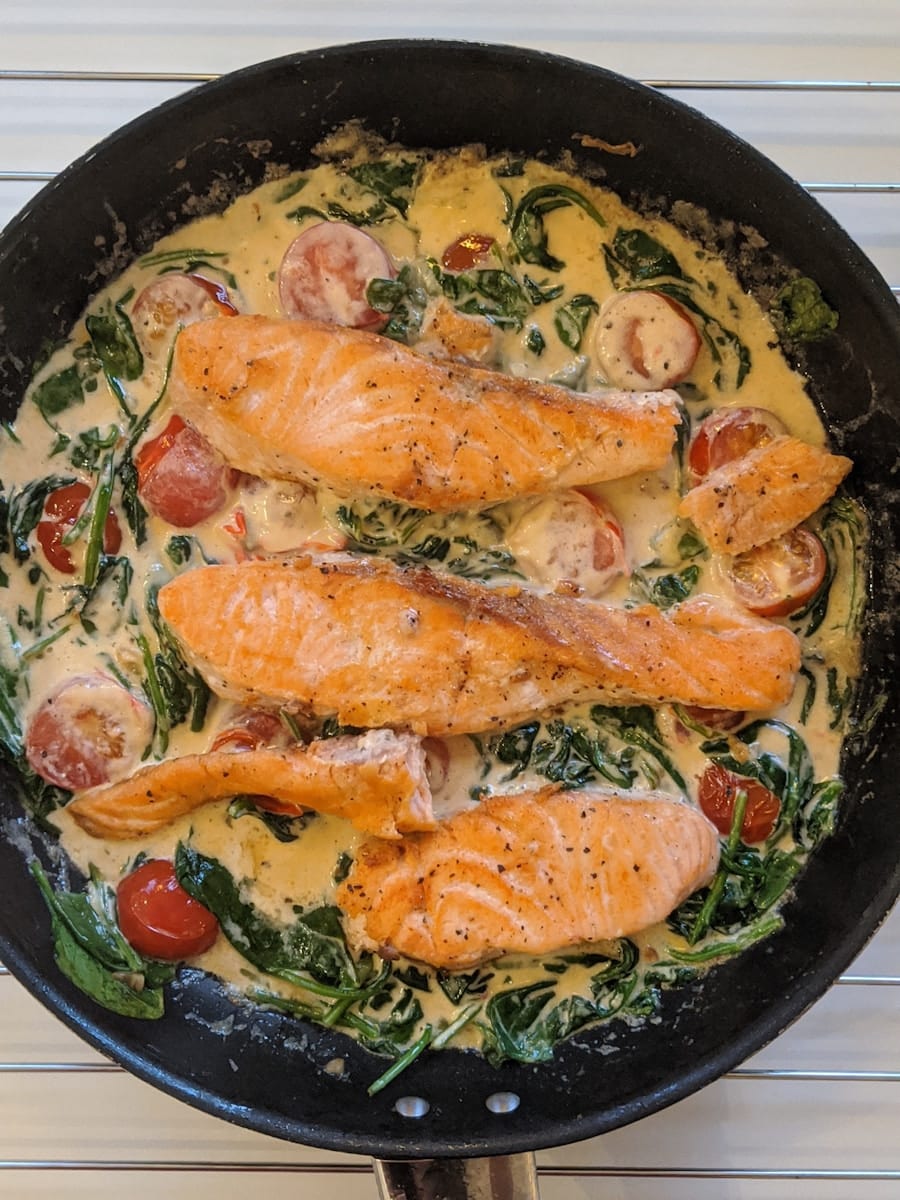
Healthy fats are the cornerstone of the keto diet, and incorporating them into your cooking is essential for achieving optimal results. When selecting fats for your meals, focus on sources that provide both flavor and nutritional benefits. Avocado oil, olive oil, coconut oil, and grass-fed butter are all excellent choices that can elevate your dishes while supporting your health goals.
These fats not only enhance the taste of your meals but also provide essential fatty acids that are vital for overall well-being. In addition to using healthy oils in your cooking, consider incorporating whole food sources of fat into your meals. Avocados, nuts, seeds, and fatty fish like salmon are not only rich in healthy fats but also packed with vitamins and minerals.
By creatively integrating these ingredients into your recipes, you can ensure that you’re meeting your fat intake goals while enjoying a diverse range of flavors and textures. Whether you’re drizzling olive oil over a fresh salad or adding avocado slices to your breakfast omelet, embracing healthy fats will keep you satisfied and energized throughout the day.
Utilizing Low-carb Ingredients
One of the most exciting aspects of cooking on a keto diet is discovering a wide array of low-carb ingredients that can replace traditional high-carb staples. For instance, cauliflower has become a beloved substitute for rice and potatoes due to its versatility and low carbohydrate content. You can easily transform cauliflower into creamy mash or even use it as a base for pizza crusts.
Similarly, zucchini can be spiralized into noodles, offering a delicious alternative to pasta without the carb overload. In addition to vegetables, there are numerous low-carb alternatives available for baking and cooking. Almond flour and coconut flour are popular substitutes for traditional wheat flour, allowing you to create keto-friendly baked goods without sacrificing taste or texture.
You might also explore options like konjac noodles or shirataki rice, which are made from the konjac plant and contain minimal carbohydrates. By incorporating these low-carb ingredients into your meals, you can enjoy a variety of dishes while staying true to your keto lifestyle.
Meal Prep and Planning for Keto
Meal prep is an invaluable tool for anyone following a keto diet. By planning your meals in advance, you can ensure that you have access to nutritious options throughout the week while minimizing the temptation to stray from your dietary goals. Start by dedicating a few hours each week to prepare meals and snacks that align with your keto principles.
This could involve batch-cooking proteins like chicken or beef, roasting a variety of low-carb vegetables, or preparing keto-friendly snacks such as cheese crisps or nut mixes. In addition to cooking in bulk, consider creating a meal plan that outlines what you’ll eat each day. This not only helps streamline your grocery shopping but also reduces decision fatigue during busy weekdays.
By having a clear plan in place, you can easily grab pre-prepared meals or snacks when hunger strikes, making it less likely that you’ll reach for high-carb options out of convenience. With effective meal prep and planning strategies in place, you’ll find it easier to stay committed to your keto journey.
Avoiding Hidden Sugars and Carbs in Cooking

One of the challenges of maintaining a keto diet is navigating hidden sugars and carbohydrates that may lurk in seemingly innocent foods. Many processed items contain added sugars or high-carb ingredients that can derail your efforts without you even realizing it. To combat this issue, it’s essential to read labels carefully and familiarize yourself with common sources of hidden sugars.
Condiments like ketchup, salad dressings, and sauces often contain added sugars that can quickly add up in terms of carbohydrate content. When cooking at home, consider making your own sauces and dressings using whole ingredients to control what goes into them. For example, you can whip up a delicious homemade mayonnaise using egg yolks and healthy oils or create a tangy vinaigrette with olive oil and vinegar.
By taking charge of your ingredients, you can avoid hidden sugars and ensure that every bite aligns with your keto goals.
Experimenting with Keto-friendly Recipes
Cooking on a keto diet doesn’t have to be monotonous or boring; in fact, it’s an opportunity to get creative in the kitchen! Experimenting with keto-friendly recipes allows you to discover new flavors and textures while keeping your meals exciting. There are countless resources available online where you can find innovative recipes tailored specifically for the keto lifestyle.
From decadent desserts made with almond flour to savory casseroles packed with low-carb vegetables, the possibilities are endless. Don’t be afraid to put your own spin on traditional recipes by substituting high-carb ingredients with their low-carb counterparts. For instance, if you love lasagna but want to keep it keto-friendly, consider using thinly sliced zucchini or eggplant instead of pasta sheets.
You might also explore different cuisines that naturally align with keto principles—think Thai curries made with coconut milk or Mexican dishes featuring avocado and cheese. By embracing experimentation in the kitchen, you’ll not only enjoy delicious meals but also develop a deeper appreciation for the versatility of keto cooking.
Seeking Professional Guidance for Keto Cooking
While embarking on a keto journey can be exciting, seeking professional guidance can provide valuable insights and support along the way. Consulting with a registered dietitian or nutritionist who specializes in ketogenic diets can help you navigate any challenges you may encounter. They can offer personalized meal plans tailored to your specific needs and preferences while ensuring that you’re meeting all necessary nutritional requirements.
Additionally, professional guidance can help you address any concerns related to health conditions or dietary restrictions you may have. Whether you’re looking for advice on managing blood sugar levels or understanding how to balance macronutrients effectively, having an expert by your side can make all the difference in achieving long-term success on your keto journey. Remember that every individual’s body responds differently to dietary changes; therefore, having tailored support can empower you to make informed choices that align with your health goals.
In conclusion, embracing the keto diet involves understanding its principles, choosing appropriate cooking methods, incorporating healthy fats, utilizing low-carb ingredients, planning meals effectively, avoiding hidden sugars, experimenting with recipes, and seeking professional guidance when needed. By following these strategies, you can create delicious meals that not only satisfy your taste buds but also support your health goals on this transformative journey.
FAQs
What is the keto diet?
The keto diet is a high-fat, low-carbohydrate diet that has been shown to help with weight loss and improve overall health. It involves reducing carbohydrate intake and replacing it with fat, which puts the body in a metabolic state called ketosis.
What are the best cooking methods for keto meals?
The best cooking methods for keto meals include grilling, baking, sautéing, and roasting. These methods help retain the natural flavors of the ingredients and allow for the use of healthy fats such as olive oil, coconut oil, and butter.
Can I use a slow cooker for keto meals?
Yes, a slow cooker can be a great tool for cooking keto meals. It allows for easy meal preparation and the ability to cook meats and vegetables in flavorful broths and sauces without adding extra carbohydrates.
Is it better to cook with animal fats or plant-based oils on keto?
Both animal fats and plant-based oils can be used for cooking on the keto diet. Animal fats such as lard and tallow are high in saturated fats, while plant-based oils like olive oil and avocado oil are high in monounsaturated fats. It’s important to use a variety of fats for a well-rounded keto diet.
What are some keto-friendly ingredients to cook with?
Keto-friendly ingredients to cook with include low-carb vegetables such as spinach, broccoli, and cauliflower, as well as high-quality proteins like beef, chicken, and fish. Healthy fats such as avocados, nuts, and seeds are also great options for keto cooking.





