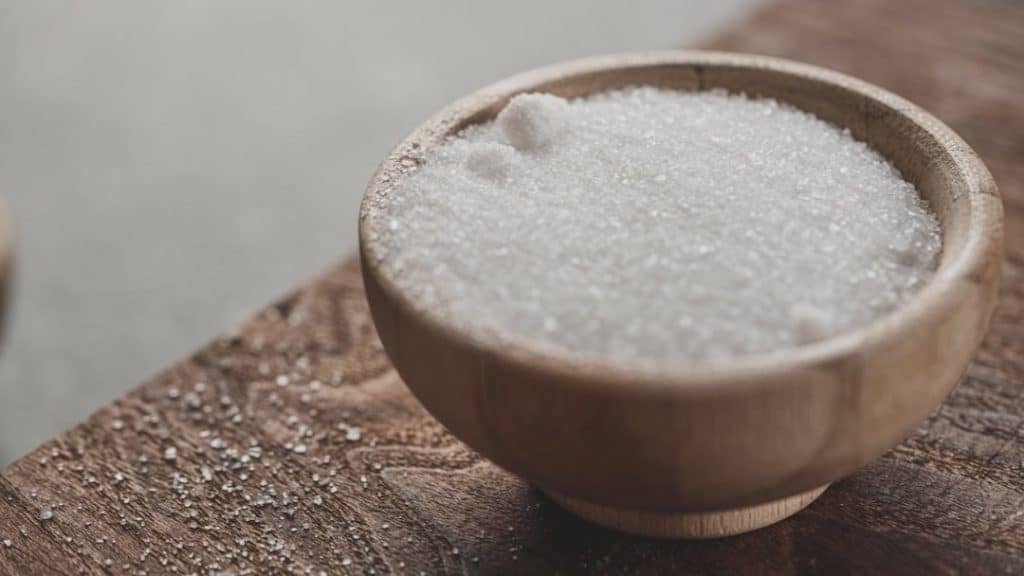
When you embark on a ketogenic diet, one of the first things you’ll notice is the significant reduction in sugar intake. Sugar, in its various forms, is a carbohydrate that can disrupt the state of ketosis, which is the metabolic state where your body burns fat for fuel instead of carbohydrates. On a keto diet, your goal is to limit your carbohydrate intake to around 20-50 grams per day, which means that sugar must be minimized or eliminated entirely.
This shift in dietary focus is crucial for achieving and maintaining ketosis, which can lead to weight loss and improved energy levels. Understanding the role of sugar in your diet is essential for making informed choices. Sugar can be found in many foods, not just sweets and desserts.
It’s often hidden in sauces, dressings, and even savory dishes. By recognizing how sugar affects your body and its role in the keto diet, you can better navigate your food choices. The challenge lies in retraining your palate to enjoy foods that are naturally low in sugar while still satisfying your cravings for sweetness.
Key Takeaways
- Sugar can impact ketosis by causing blood sugar spikes and inhibiting the body’s ability to burn fat for fuel
- Hidden sources of sugar in common foods include condiments, sauces, and processed snacks
- Reading food labels for hidden sugars involves looking for ingredients like high fructose corn syrup, dextrose, and maltodextrin
- Alternatives to sugar on the keto diet include stevia, erythritol, and monk fruit sweetener
- Tips for reducing sugar cravings on keto include staying hydrated, getting enough sleep, and incorporating healthy fats and protein into meals
The impact of sugar on ketosis
When you consume sugar, your body breaks it down into glucose, which is then used as a primary energy source. This process can quickly kick you out of ketosis, as your body will prioritize burning glucose over fat. If you’re serious about maintaining a ketogenic lifestyle, it’s vital to understand that even small amounts of sugar can have a significant impact on your state of ketosis.
This means that indulging in sugary treats or even seemingly healthy options can derail your progress. Moreover, the impact of sugar extends beyond just affecting ketosis; it can also lead to insulin spikes. When you consume sugar, your body releases insulin to help manage blood sugar levels.
High insulin levels can promote fat storage and hinder fat burning, making it even more challenging to achieve your weight loss goals on a keto diet. Therefore, being mindful of sugar intake is not just about staying in ketosis; it’s also about optimizing your overall metabolic health.
Hidden sources of sugar in common foods

One of the most surprising aspects of following a keto diet is discovering the hidden sources of sugar lurking in everyday foods. Many products marketed as “healthy” or “low-fat” often contain added sugars to enhance flavor. For instance, salad dressings, marinades, and sauces can be loaded with sugar, making them detrimental to your keto goals.
Even items like yogurt and granola can contain significant amounts of sugar, which can easily push you over your daily carb limit. Additionally, processed foods are notorious for their hidden sugars. Items such as bread, canned vegetables, and even certain types of nut butter may have added sugars that you wouldn’t expect.
It’s essential to be vigilant and read ingredient lists carefully to avoid these sneaky sources of sugar. By being aware of where sugar can hide, you can make more informed choices and stick to your keto diet more effectively.
How to read food labels for hidden sugars
Reading food labels is a crucial skill when navigating a keto diet. The first step is to familiarize yourself with the various names for sugar that may appear on ingredient lists. Common terms include sucrose, glucose, fructose, corn syrup, and maltodextrin, among others.
Understanding these terms will help you identify products that may contain hidden sugars and avoid them. When examining nutrition labels, pay close attention to both the total carbohydrates and the sugars listed. On a keto diet, you want to keep your net carbs low, so subtracting fiber from total carbohydrates can give you a clearer picture of how much sugar you’re actually consuming.
Additionally, look for products that have minimal ingredients and are free from artificial additives. This approach will not only help you avoid hidden sugars but also promote a cleaner, more wholesome diet overall.
Alternatives to sugar on the keto diet
Fortunately, there are numerous alternatives to sugar that can satisfy your sweet tooth while keeping you within your carb limits on a keto diet. Natural sweeteners like stevia and erythritol are popular choices among those following a low-carb lifestyle. These sweeteners provide sweetness without the calories or carbs associated with traditional sugar.
They can be used in baking, cooking, or simply added to beverages for a touch of sweetness. Another option is monk fruit sweetener, which has gained popularity for its natural origins and zero-calorie content. It’s important to experiment with different alternatives to find what works best for your taste preferences and cooking needs.
By incorporating these substitutes into your diet, you can enjoy sweet flavors without compromising your ketogenic goals.
Tips for reducing sugar cravings on keto
Sugar cravings can be one of the most challenging aspects of transitioning to a keto diet. When you cut out sugar, your body may initially protest with cravings as it adjusts to a new way of eating. To combat these cravings effectively, consider incorporating more healthy fats into your meals.
Foods like avocados, nuts, and olive oil can help keep you satiated and reduce the desire for sugary snacks. Additionally, staying mindful of your eating habits can make a significant difference. Sometimes cravings arise from boredom or emotional triggers rather than genuine hunger.
Engaging in activities that distract you from food or practicing mindfulness techniques can help you manage these cravings more effectively. Remember that it’s normal to experience cravings during this transition period; with time and persistence, they will likely diminish.
The importance of staying hydrated on a low-sugar keto diet
Staying hydrated is crucial when following a low-sugar keto diet. Dehydration can exacerbate feelings of fatigue and hunger, making it more challenging to resist cravings for sugary foods. Water plays an essential role in various bodily functions, including digestion and metabolism.
When you’re consuming fewer carbohydrates, your body may excrete more water and electrolytes, so it’s vital to replenish these fluids regularly. In addition to drinking plenty of water, consider incorporating electrolyte-rich beverages into your routine. Bone broth or electrolyte supplements can help maintain balance and prevent symptoms like fatigue or headaches that sometimes accompany the initial stages of a ketogenic diet.
By prioritizing hydration, you’ll not only feel better but also support your body’s ability to adapt to this new way of eating.
How to satisfy your sweet tooth without sugar on keto
Satisfying your sweet tooth on a keto diet doesn’t have to be a daunting task. There are plenty of delicious options available that won’t compromise your carb limits. For instance, consider making smoothies with unsweetened almond milk or coconut milk blended with low-carb fruits like berries or avocados for creaminess and flavor.
Another great way to indulge without sugar is by creating keto-friendly desserts using alternative sweeteners mentioned earlier. You can whip up treats like chocolate avocado mousse or coconut flour cookies that are both satisfying and compliant with your dietary goals. With a little creativity in the kitchen, you’ll find that there are numerous ways to enjoy sweet flavors without resorting to traditional sugars.
The potential health benefits of avoiding sugar on keto
Avoiding sugar while following a keto diet can lead to numerous health benefits beyond weight loss. Many people report improved energy levels and mental clarity when they eliminate sugar from their diets. This is largely due to stabilized blood sugar levels and reduced insulin spikes that often accompany high-sugar diets.
Additionally, cutting out sugar may contribute to better overall health by reducing inflammation in the body. High sugar intake has been linked to various health issues such as obesity, diabetes, and heart disease. By adopting a low-sugar lifestyle through the keto diet, you’re not only working towards weight management but also promoting long-term health benefits that can enhance your quality of life.
Recipes for sugar-free keto-friendly desserts
If you’re looking for inspiration in the kitchen, there are countless recipes available for delicious sugar-free keto-friendly desserts that will satisfy your cravings without derailing your diet. One popular option is almond flour brownies made with unsweetened cocoa powder and erythritol for sweetness; they’re rich and fudgy while remaining low in carbs. Another delightful treat is coconut macaroons made with shredded unsweetened coconut and egg whites; these little bites are naturally sweetened with stevia or monk fruit sweetener and provide a satisfying crunch without any added sugars.
With so many options at your fingertips, you’ll find it easy to whip up desserts that align with your keto lifestyle while still indulging in something sweet.
How to navigate social situations and special occasions without indulging in sugar on keto
Navigating social situations while adhering to a keto diet can be challenging but entirely manageable with some preparation and strategy. When attending gatherings or special occasions, consider eating beforehand so you’re not tempted by sugary snacks or desserts that may be offered. This way, you’ll feel satisfied and less likely to indulge in high-carb options.
Additionally, don’t hesitate to communicate your dietary preferences with friends or family hosting events; they may be willing to accommodate by providing low-carb options or allowing you to bring a dish that fits within your dietary guidelines. Remember that socializing doesn’t have to revolve around food; focus on enjoying the company around you rather than solely on what’s being served at the table. By understanding the role of sugar in relation to the keto diet and implementing strategies to manage cravings and navigate social situations effectively, you’ll be well-equipped to thrive on this low-sugar journey while enjoying all the benefits it has to offer.
FAQs
What is the keto diet?
The keto diet is a high-fat, low-carbohydrate diet that has been shown to help with weight loss and improve certain health conditions such as epilepsy and diabetes.
Why should you avoid sugar on the keto diet?
Sugar is high in carbohydrates and can cause a spike in blood sugar levels, which can kick you out of ketosis, the metabolic state that the keto diet aims to achieve.
What are some alternatives to sugar on the keto diet?
Some alternatives to sugar on the keto diet include stevia, erythritol, monk fruit, and xylitol. These sweeteners have little to no impact on blood sugar levels and can be used in moderation on the keto diet.
What are the potential health benefits of avoiding sugar on the keto diet?
Avoiding sugar on the keto diet can help with weight loss, improve insulin sensitivity, reduce inflammation, and lower the risk of certain chronic diseases such as type 2 diabetes and heart disease.
Are there any potential risks of avoiding sugar on the keto diet?
Some people may experience sugar cravings or withdrawal symptoms when first starting the keto diet, but these usually subside after a few days. It’s important to ensure you are still getting enough nutrients from other sources while avoiding sugar on the keto diet.