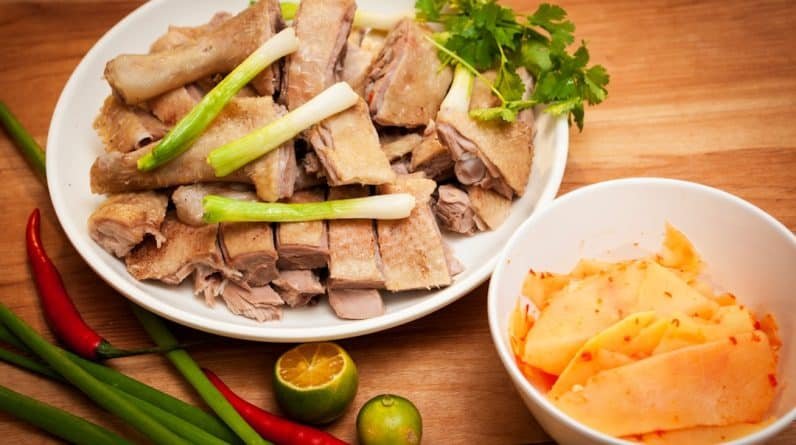
The ketogenic diet, often referred to simply as the keto diet, is a low-carbohydrate, high-fat eating plan that has gained immense popularity in recent years. At its core, the keto diet aims to shift your body’s metabolism from burning carbohydrates for energy to burning fat. This metabolic state, known as ketosis, occurs when your carbohydrate intake is significantly reduced, prompting your body to utilize fat stores for fuel instead.
By drastically lowering your carb intake and replacing it with healthy fats, you can experience weight loss, improved energy levels, and even enhanced mental clarity. As you embark on your keto journey, it’s essential to understand the macronutrient breakdown that characterizes this diet. Typically, a standard keto diet consists of approximately 70-75% fats, 20-25% protein, and only about 5-10% carbohydrates.
This means that traditional sources of carbohydrates, such as bread and pasta, are largely eliminated or significantly restricted. However, this doesn’t mean you have to give up on enjoying these foods entirely; rather, it encourages you to explore alternatives that align with your dietary goals.
Key Takeaways
- The keto diet focuses on high fat, moderate protein, and low carb intake to achieve ketosis.
- Bread and pasta are high in carbs and are not typically consumed on the keto diet.
- Keto-friendly alternatives to traditional bread and pasta include almond flour, coconut flour, and spiralized vegetables.
- Low-carb and high-fiber options are important for maintaining ketosis and promoting digestive health on the keto diet.
- Keto-friendly bread and pasta can be made at home using ingredients like almond flour, coconut flour, and psyllium husk.
What is Bread and Pasta on Keto?
When you think of bread and pasta, you likely envision fluffy loaves and comforting bowls of spaghetti. However, in the context of the keto diet, these staples are often viewed as high-carb culprits that can derail your progress toward ketosis. Traditional bread is typically made from wheat flour, which is rich in carbohydrates.
A single slice of regular bread can contain anywhere from 15 to 20 grams of carbs, making it a challenging food to incorporate into a low-carb lifestyle. Similarly, pasta made from wheat flour is also high in carbs, with a standard serving containing around 40 grams or more. Understanding the carbohydrate content in these foods is crucial for anyone following a keto diet.
Consuming too many carbs can prevent your body from entering or maintaining ketosis, which is why many people on keto choose to avoid bread and pasta altogether. However, this doesn’t mean you have to miss out on the textures and flavors that these foods provide. By exploring low-carb alternatives and creative recipes, you can still enjoy satisfying meals without compromising your dietary goals.
Alternatives to Traditional Bread and Pasta on Keto
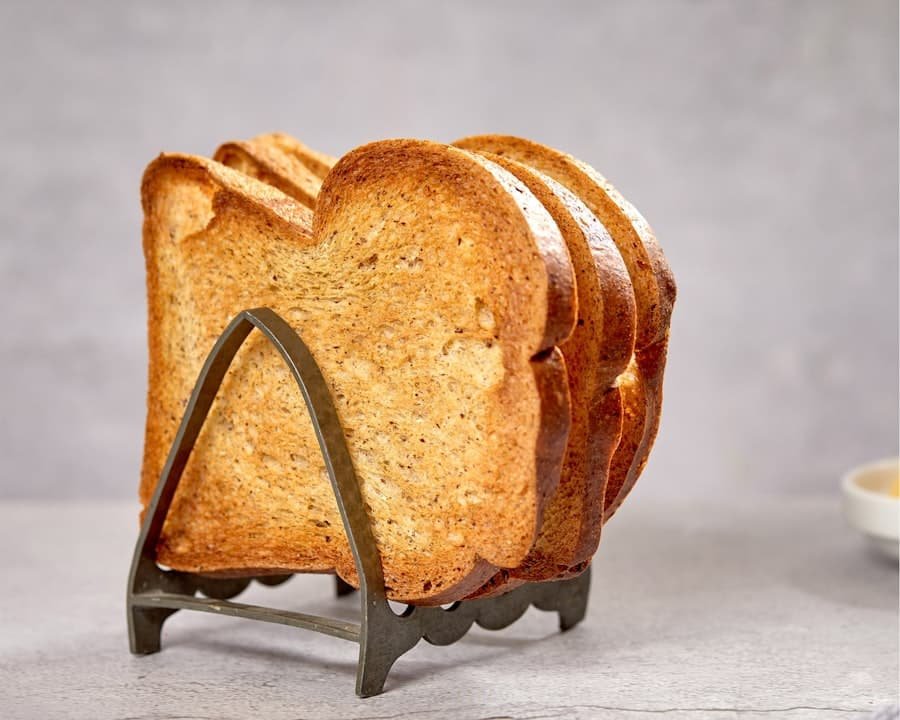
Fortunately, the world of low-carb alternatives has expanded significantly in recent years, offering a variety of options for those on the keto diet. When it comes to bread, you can find products made from almond flour, coconut flour, or even flaxseed meal. These alternatives not only provide a similar texture but also come packed with healthy fats and fiber, making them a great choice for your keto lifestyle.
For instance, almond flour bread can be a delicious substitute that allows you to enjoy sandwiches or toast without the carb overload. Pasta alternatives are equally exciting. Zucchini noodles, often referred to as “zoodles,” have become a popular choice for those looking to replace traditional pasta.
They are low in carbs and calories while providing a satisfying crunch. Other options include shirataki noodles made from konjac yam or spaghetti squash, both of which can be used in various dishes to mimic the experience of eating pasta without the guilt. By incorporating these alternatives into your meals, you can enjoy the flavors and textures you love while staying true to your keto goals.
The Importance of Low-carb and High-fiber Options
Incorporating low-carb and high-fiber options into your diet is essential for maintaining overall health while following a ketogenic lifestyle. Fiber plays a crucial role in digestion and can help prevent constipation, a common concern for those who significantly reduce their carbohydrate intake. By choosing high-fiber alternatives to traditional bread and pasta, you not only satisfy your cravings but also support your digestive health.
Moreover, fiber-rich foods can help you feel fuller for longer periods, which is beneficial for weight management. When you consume foods that are low in carbs but high in fiber, you can maintain stable blood sugar levels and avoid the energy crashes often associated with high-carb meals. This balance is vital for sustaining energy throughout the day and keeping hunger at bay.
As you explore various low-carb options for bread and pasta, prioritize those that offer a good amount of fiber to enhance your overall well-being.
How to Make Keto-friendly Bread and Pasta at Home
If you’re feeling adventurous in the kitchen, making your own keto-friendly bread and pasta can be a rewarding experience. Not only do homemade versions allow you to control the ingredients, but they also provide an opportunity to experiment with flavors and textures that suit your palate. For keto bread, consider using almond flour or coconut flour as your base.
You can create simple recipes that require minimal ingredients—often just eggs, baking powder, and your chosen flour—resulting in delicious loaves that are perfect for sandwiches or toast. When it comes to pasta, making zucchini noodles or using a spiralizer can be an easy way to create a low-carb alternative at home. If you’re looking for something more traditional in texture, try making pasta from almond flour or even cheese-based doughs like fathead dough.
These recipes often yield satisfying results that can be paired with your favorite sauces and toppings. By taking the time to create these dishes at home, you not only enjoy fresh flavors but also gain a deeper understanding of how to incorporate keto-friendly options into your meals.
Tips for Choosing Store-bought Keto Bread and Pasta
If cooking isn’t your forte or if you’re short on time, there are plenty of store-bought options available for keto-friendly bread and pasta. However, navigating the grocery aisles requires some diligence to ensure you’re making healthy choices. Start by reading labels carefully; look for products that are specifically labeled as “keto” or “low-carb.” Pay attention to the net carb count per serving—this is calculated by subtracting fiber content from total carbohydrates.
Additionally, consider the ingredient list. Opt for products made with wholesome ingredients like almond flour or coconut flour rather than those containing fillers or artificial additives. Some brands may also include added fibers like psyllium husk or inulin, which can enhance the nutritional profile of the product.
By being mindful of what you choose from store shelves, you can enjoy convenient options without compromising your commitment to a healthy keto lifestyle.
Incorporating Bread and Pasta into a Balanced Keto Meal Plan
Incorporating bread and pasta into your keto meal plan requires thoughtful consideration of portion sizes and overall carbohydrate intake throughout the day. While it’s possible to enjoy these foods occasionally, it’s essential to balance them with other nutrient-dense options such as vegetables, healthy fats, and proteins. For instance, if you choose to have a slice of keto bread for breakfast topped with avocado and eggs, ensure that the rest of your meals are lower in carbs to maintain your daily limits.
Meal planning can be an effective strategy for managing your carbohydrate intake while still enjoying bread and pasta. Consider preparing meals that feature these alternatives alongside plenty of non-starchy vegetables and protein sources like chicken or fish. This approach not only helps you stay within your carb limits but also ensures you’re getting a variety of nutrients essential for overall health.
The Role of Bread and Pasta in a Keto Lifestyle
While bread and pasta may not be staples in a traditional sense on the keto diet, they can still play a role in enhancing your culinary experience without derailing your progress. These foods can provide comfort and satisfaction when prepared with low-carb ingredients, allowing you to enjoy familiar flavors while adhering to your dietary goals. The key is moderation; by treating these alternatives as occasional indulgences rather than everyday staples, you can maintain balance in your diet.
Moreover, incorporating bread and pasta into your meals can help alleviate feelings of deprivation that sometimes accompany restrictive diets. Enjoying a delicious sandwich or a plate of zoodles with marinara sauce can make your keto journey more enjoyable and sustainable in the long run. Remember that food is not just about nutrition; it’s also about pleasure and connection with others during shared meals.
Common Mistakes to Avoid When Including Bread and Pasta on Keto
As you navigate the world of keto-friendly bread and pasta options, there are several common pitfalls to avoid. One major mistake is underestimating portion sizes; even low-carb alternatives can contribute significant carbs if consumed in large quantities. It’s crucial to measure servings accurately and keep track of your daily carb intake to ensure you remain within your limits.
Another mistake is relying too heavily on processed keto products without considering their overall nutritional value. While convenience is appealing, many store-bought options may contain unhealthy additives or preservatives that could hinder your health goals. Always prioritize whole foods whenever possible and use processed items sparingly as part of a balanced diet.
The Impact of Bread and Pasta on Ketosis
Understanding how bread and pasta impact ketosis is vital for anyone following a ketogenic diet. Consuming too many carbohydrates—regardless of whether they come from traditional sources or low-carb alternatives—can disrupt ketosis by raising insulin levels and prompting your body to revert back to burning glucose for energy instead of fat. This means that moderation is key when incorporating these foods into your diet.
To maintain ketosis while enjoying bread and pasta alternatives, focus on keeping track of net carbs rather than total carbs alone. Net carbs are calculated by subtracting fiber content from total carbohydrates; this allows you to enjoy fiber-rich foods without compromising ketosis significantly. By being mindful of how these foods fit into your overall carb count for the day, you can enjoy them without derailing your progress.
Balancing Bread and Pasta with Other Nutrient-dense Foods on Keto
To create a well-rounded keto meal plan that includes bread and pasta alternatives, it’s essential to balance these foods with other nutrient-dense options. Incorporate plenty of non-starchy vegetables like leafy greens, broccoli, cauliflower, and bell peppers into your meals for added vitamins and minerals while keeping carbs low. Pairing these vegetables with healthy fats such as olive oil or avocado will enhance satiety and provide essential nutrients.
Additionally, don’t forget about protein sources like eggs, fish, poultry, or plant-based proteins if you’re vegetarian or vegan. These foods will help keep you full while providing necessary amino acids for muscle maintenance and overall health. By focusing on variety within your meals—combining low-carb bread or pasta with nutrient-rich ingredients—you’ll create satisfying dishes that support both your taste buds and health goals on the keto journey.
In conclusion, while traditional bread and pasta may not fit seamlessly into a ketogenic lifestyle due to their high carbohydrate content, there are numerous alternatives available that allow you to enjoy these beloved foods without compromising your dietary goals. By understanding the principles of the keto diet and exploring creative options for low-carb substitutes, you can maintain balance in your meals while still indulging in flavors that bring joy to your dining experience. Remember that moderation is key; by incorporating these foods thoughtfully alongside nutrient-dense options, you’ll be well on your way to achieving success on your keto journey.
FAQs
What is the keto diet?
The keto diet is a high-fat, low-carbohydrate diet that has been shown to help with weight loss and improve certain health conditions. It involves reducing carbohydrate intake and replacing it with fat, putting the body into a metabolic state called ketosis.
Can you eat bread and pasta on a keto diet?
Traditional bread and pasta are high in carbohydrates and are not typically consumed on a keto diet. However, there are low-carb alternatives available that can be incorporated into a keto meal plan.
What are some low-carb alternatives to bread and pasta?
Low-carb alternatives to bread and pasta include almond flour bread, coconut flour bread, and spiralized vegetables such as zucchini or spaghetti squash.
Are there any store-bought keto-friendly bread and pasta options?
Yes, there are several brands that offer keto-friendly bread and pasta options made with ingredients such as almond flour, coconut flour, and psyllium husk.
How can I make my own keto-friendly bread and pasta at home?
There are many recipes available online for making keto-friendly bread and pasta at home using low-carb ingredients such as almond flour, coconut flour, and flaxseed meal.
What are the benefits of consuming low-carb bread and pasta on a keto diet?
Consuming low-carb bread and pasta on a keto diet can help maintain ketosis, control blood sugar levels, and support weight loss efforts. These alternatives also provide more nutrients and fiber compared to traditional bread and pasta.