
Want to jumpstart your weight loss journey? Look no further than the Keto Diet! In this article, we will uncover the essential components of a Keto Diet to help you achieve your health and fitness goals. By focusing on low-carb, high-fat foods, you can ignite your body’s natural fat-burning abilities and experience a whole new level of energy and vitality. Get ready to discover the key ingredients and guidelines that will set you on the path to success with the Keto Diet. It’s time to embrace a healthier lifestyle and unlock the potential of your body. Let’s get started!

What is the Keto Diet?
Definition
The keto diet, short for ketogenic diet, is a low-carbohydrate, high-fat eating plan that has gained popularity for its potential weight loss and health benefits. The main objective of the keto diet is to put your body into a metabolic state called ketosis, where it primarily relies on ketones (molecules produced by the liver from stored fat) for energy instead of glucose from carbohydrates. This way, the body effectively burns fat for fuel, leading to weight loss.
Principles
The keto diet follows a specific macronutrient ratio, with the majority of calories coming from fats, followed by a moderate intake of protein and a minimal amount of carbohydrates. Typically, the macronutrient breakdown for the keto diet is approximately 70-75% of calories from fat, 20-25% from protein, and 5-10% from carbohydrates. By severely reducing carbohydrate intake, the body is forced to shift its primary energy source from glucose to fat, thus promoting weight loss and other metabolic benefits.
Benefits
The keto diet offers several potential benefits beyond weight loss. Many people find that it helps improve their energy levels and focus throughout the day. By stabilizing blood sugar levels and reducing insulin spikes, the keto diet can be beneficial for individuals with diabetes or pre-diabetes. Additionally, some research suggests that the keto diet may have positive effects on brain health, including reducing the risk of neurodegenerative diseases and improving cognitive function. It is important to note, however, that individual results may vary, and it’s always best to consult with a healthcare professional before starting any new diet or lifestyle change.
Getting Started with the Keto Diet
Consulting a Healthcare Professional
Before embarking on any new diet, especially one as restrictive as the keto diet, it’s essential to consult with a healthcare professional, such as a registered dietitian or doctor. They can assess your individual health needs, provide guidance, and ensure that the diet is suitable for you.
Understanding Macronutrient Ratios
To successfully follow the keto diet, it’s crucial to understand and monitor your macronutrient ratios to achieve and maintain ketosis. Tracking your daily intake of fat, protein, and carbohydrates using a food diary or mobile app can help ensure you stay within the desired ranges.
Meal Planning
Meal planning is a key component of the keto diet to ensure you have sufficient keto-friendly foods on hand and can stick to your macronutrient goals. Planning your meals can also help minimize impulse food purchases and reduce the temptation to stray from your diet.
Grocery Shopping
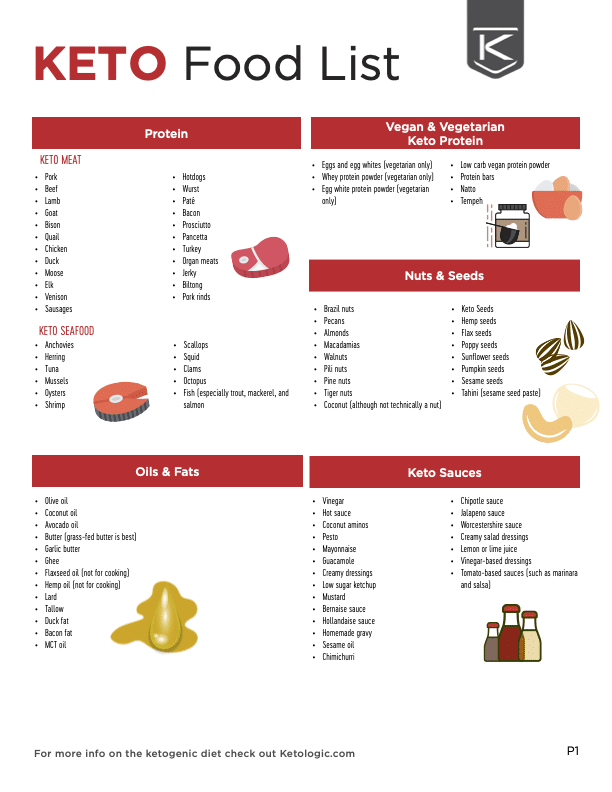
When grocery shopping for the keto diet, focus on purchasing whole, minimally processed foods that are high in healthy fats and low in carbohydrates. Opt for items such as avocados, nuts and seeds, fatty cuts of meat, and low-carb vegetables. It’s also helpful to read food labels to identify potential hidden sources of carbohydrates.
Keto-Friendly Foods
Healthy Sources of Fats
One of the fundamental principles of the keto diet is consuming healthy fats. These include avocados, coconut oil, olive oil, nuts and seeds, fatty fish (such as salmon and sardines), and grass-fed butter. These fats provide the majority of calories on the keto diet and help keep you feeling satisfied and fueled.
Protein Options
While protein should be consumed in moderation on the keto diet, it is still an essential macronutrient. Good sources of protein include poultry (such as chicken and turkey), eggs, fish, lean cuts of meat (such as beef and pork), and plant-based options like tofu and tempeh. It’s important to choose protein sources that are not excessively high in carbohydrates.
Low-Carb Vegetables
Non-starchy vegetables that are low in carbohydrates are great additions to the keto diet. Examples include leafy greens (like spinach and kale), broccoli, cauliflower, zucchini, peppers, and asparagus. These vegetables are not only low in carbs but also provide essential vitamins, minerals, and fiber.
Dairy and Dairy Alternatives
Dairy products, such as full-fat cheese, heavy cream, and Greek yogurt, can be incorporated into the keto diet in moderation. These items are a good source of fat and protein. Alternatively, for those who are lactose intolerant or prefer not to consume dairy, there are plenty of dairy alternatives available, such as almond milk, coconut milk, and dairy-free cheese.
Food to Avoid on the Keto Diet
High-Carb Foods
To maintain ketosis, it’s crucial to restrict your intake of high-carb foods. Avoid or minimize consumption of items like bread, pasta, rice, potatoes, and sugary snacks. These foods are high in carbohydrates and can quickly derail your progress on the keto diet.
Processed and Sugary Foods
Processed foods, especially those with added sugars, should be avoided on the keto diet. These include items like sugary cereals, soft drinks, packaged snacks, and desserts. Not only are these foods typically high in carbohydrates, but they also provide little to no nutritional value.
Grains and Legumes
Grains and legumes, such as wheat, barley, oats, rice, lentils, and beans, are high in carbohydrates and are not conducive to the keto diet. These foods should be avoided or limited to maintain ketosis.
Certain Fruits
While fruits are generally considered healthy, some fruits are higher in carbohydrates than others. Fruits like bananas, grapes, and mangos are higher in natural sugars and should be consumed in moderation or avoided altogether on the keto diet. Instead, opt for lower-carb fruits such as berries in limited quantities.

Essential Kitchen Tools for the Keto Diet
Food Scale
A food scale can be a helpful tool for accurately measuring and tracking portion sizes. This is particularly important on the keto diet, where precise measurements of macronutrients are necessary for maintaining ketosis.
Measuring Cups and Spoons
Measuring cups and spoons are essential for portion control and accurately measuring ingredients when cooking or preparing meals. These tools can help ensure you’re sticking to your desired macronutrient ratios.
Blender or Food Processor
A blender or food processor can be beneficial on the keto diet for creating delicious smoothies, sauces, and homemade dressings. These appliances allow you to incorporate nutrient-dense ingredients and control the quality of your meals.
Non-Stick Pans
Investing in non-stick pans can make cooking and cleaning up easier, especially when using minimal added fats. This can be particularly helpful on the keto diet, where fats are a primary energy source.
Maintaining Electrolyte Balance on Keto
Importance of Electrolytes
When following the keto diet, it’s crucial to maintain proper electrolyte balance. Electrolytes, such as sodium, potassium, and magnesium, play essential roles in nerve and muscle function, hydration, and maintaining pH levels in the body.
Sodium
Adequate sodium intake is especially important on the keto diet, as the diet can have a diuretic effect, increasing the excretion of sodium. Adding a pinch of salt to meals or drinking broth can help replenish sodium levels. However, it’s essential to choose high-quality, unprocessed sources of sodium.
Potassium
Potassium is another critical electrolyte to monitor on the keto diet. Good sources of potassium include avocados, leafy greens, nuts, and seeds. Incorporating these foods into your meals can help maintain proper potassium levels.
Magnesium
Magnesium is involved in hundreds of biochemical processes in the body and is essential for muscle and nerve function, as well as energy production. Incorporating magnesium-rich foods into your diet, such as dark chocolate, nuts, and leafy greens, can help ensure you’re getting enough magnesium while on the keto diet.

Staying Hydrated on the Keto Diet
Importance of Hydration
Staying hydrated is crucial for overall health, and it becomes even more important on the keto diet. Adequate hydration supports proper digestion, metabolism, and brain function, and can help prevent symptoms of the keto flu.
Water Intake Recommendations
While individual water needs vary, a general guideline for water intake on the keto diet is to consume at least half of your body weight (in pounds) in ounces of water per day. For example, if you weigh 150 pounds, aim for a minimum of 75 ounces of water daily.
Infused Water Ideas
If plain water becomes monotonous, there are various ways to enhance the flavor of your water without adding carbohydrates. Try infusing it with fresh herbs, slices of citrus or cucumber, or a few berries. This can make staying hydrated more enjoyable and enticing.
Keto-Friendly Snack Ideas
Nuts and Seeds
Nuts and seeds are excellent options for keto-friendly snacking. They provide a good source of healthy fats and protein, along with essential vitamins and minerals. Almonds, walnuts, macadamia nuts, and pumpkin seeds are popular choices.
Cheese and Charcuterie
Cheese and charcuterie boards can make for satisfying and convenient keto-friendly snacks. Opt for full-fat cheeses like cheddar, mozzarella, or brie, along with cured meats like salami or prosciutto. These snacks are not only delicious but also provide a good balance of fats and protein.
Fat Bombs
Fat bombs are small, high-fat treats that can help satisfy cravings on the keto diet. They are typically made with ingredients like coconut oil, nut butter, and cocoa powder. Fat bombs can be customized to include various flavors, such as chocolate, peanut butter, or coconut.
Vegetable Crisps
Instead of traditional potato chips, opt for vegetable crisps as a healthy and crunchy snack option. Kale chips, zucchini slices, or even homemade crispy Brussels sprouts are great alternatives that are low in carbohydrates and packed with nutrients.
Tips for Eating Out on the Keto Diet
Researching Menu Options
Before dining out, it’s helpful to research the restaurant’s menu online. Look for keto-friendly options or items that can be easily modified to fit within your dietary needs. Many establishments now offer specific low-carb or keto-friendly menu sections.
Making Specific Requests
Don’t be afraid to make specific requests when ordering at restaurants. Ask for substitutes or modifications that align with the keto diet, such as swapping out starchy sides for extra vegetables or requesting dressings and sauces on the side.
Avoiding Hidden Carbs
Be mindful of hidden carbohydrates when eating out. Some sauces, dressings, and condiments may contain added sugars, so it’s important to ask for these items on the side or choose options that are known to be carb-friendly.
Smart Fast Food Choices
While fast food options may not always be the healthiest, it’s still possible to find keto-friendly choices at popular fast-food chains. Look for items like grilled chicken salads, bunless burgers, or lettuce-wrapped sandwiches. Avoid breaded and fried items, as they tend to be high in carbohydrates.
Conclusion
Success on the Keto Diet
If followed correctly, the keto diet can be an effective way to promote weight loss, improve energy levels, and potentially enhance overall health. However, it’s essential to approach the diet with careful planning, consultation with a healthcare professional, and a willingness to commit to a long-term lifestyle change.
Lifestyle Change
The keto diet is not a short-term fix but rather a lifestyle change. To experience long-term benefits, it’s important to adopt sustainable eating habits, engage in regular physical activity, and maintain a balanced and nutritious diet, even after reaching your desired weight or health goals.
Personalization
Every individual’s nutritional needs and health goals are unique, so it’s important to tailor the keto diet to meet your specific needs. Experiment with different foods and meal plans, monitor your body’s response, and make adjustments as necessary to create a personalized approach to the keto diet that works best for you. Remember, what works for someone else may not work for you, so always listen to your body and adjust accordingly.


