
Imagine indulging in warm, fluffy bread that perfectly fits into your low-carb lifestyle. Say hello to Keto Bread! This revolutionary creation is taking the health and fitness world by storm with its delicious taste and guilt-free ingredients. You no longer have to sacrifice your favorite bread-based treats in order to maintain your ketogenic diet. With Keto Bread, you can have your bread and eat it too – all while staying in line with your health goals. Get ready to experience the best of both worlds with this game-changer in the world of low-carb living.
What is Keto Bread?
Definition
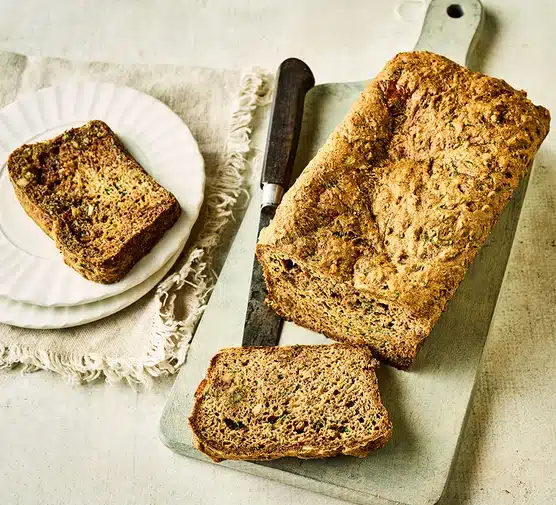
Keto bread is a type of bread that is specifically designed for those following the ketogenic diet. The ketogenic diet is a low-carb, high-fat diet that aims to put the body into a state of ketosis. This means that instead of relying on carbohydrates for energy, the body uses fat as its primary fuel source. Keto bread is made with ingredients that are low in carbohydrates and high in healthy fats, making it a suitable option for those on a keto diet.
Difference from Regular Bread
One of the key differences between keto bread and regular bread is the ingredients used. While regular bread is typically made with wheat flour, which is high in carbohydrates, keto bread substitutes traditional flour with ingredients that are lower in carbs. Instead, keto bread recipes often use almond flour or coconut flour as the base. These alternative flours are not only low in carbs but also rich in healthy fats, making them a perfect fit for the ketogenic diet. Additionally, keto bread recipes often include ingredients like psyllium husk powder, eggs, and butter or coconut oil, which help to give the bread its texture and flavor.
Benefits of Keto Bread
Helps achieve ketosis
Keto bread is a valuable tool for those who are trying to achieve and maintain ketosis. By reducing the carbohydrate content and increasing the fat content, keto bread allows individuals on the ketogenic diet to enjoy a bread-like product without sabotaging their progress. The low-carb nature of keto bread helps keep the body in a state of ketosis, where it is burning fat for fuel instead of carbs.
Low in carbohydrates
One of the main benefits of keto bread is its low carbohydrate content. Carbohydrates are known to cause blood sugar spikes, which can lead to energy crashes and cravings. By swapping regular bread for keto bread, individuals can significantly reduce their carbohydrate intake, which can help stabilize blood sugar levels and prevent these energy dips. Furthermore, the low carbohydrate content of keto bread makes it a suitable option for those who are watching their carb intake or following a low-carb diet.
Contains healthy fats
Healthy fats are a crucial component of the ketogenic diet, and keto bread is an excellent way to incorporate them into your meals. Traditional breads often contain low amounts of fat and are primarily made up of carbohydrates. In contrast, keto bread is made with ingredients that are naturally high in healthy fats, such as almond flour and coconut oil. These fats provide essential nutrients and can help keep you feeling satisfied and satiated.
Improved energy levels
One of the advantages of following a ketogenic diet is the potential for improved energy levels. By reducing the intake of carbohydrates and increasing the consumption of healthy fats, the body is forced to shift its energy source from glucose to fat. This can lead to a more consistent and sustainable energy supply throughout the day. Including keto bread in your diet can help support this energy boost by providing a delicious and convenient source of healthy fats.
Reduced cravings
Carbohydrates are often associated with cravings and a feeling of never being satisfied. The rollercoaster of blood sugar spikes and crashes caused by consuming high-carb foods can lead to constant hunger and cravings. Keto bread, on the other hand, with its low-carb content and healthy fats, can help curb these cravings and keep you feeling satisfied for longer. The combination of healthy fats, protein, and fiber in keto bread can provide a sense of fullness and reduce the urge to snack on unhealthy, high-carbohydrate foods.

Ingredients in Keto Bread
Almond flour
Almond flour is a popular ingredient in keto bread recipes. It is made by finely grinding blanched almonds, resulting in a fine, powdery flour that is low in carbohydrates and high in healthy fats. Almond flour adds a rich, nutty flavor to the bread while providing a moist and tender texture.
Coconut flour
Coconut flour is another common ingredient used in keto bread recipes. It is made from dried, ground coconut meat and is also low in carbohydrates and high in healthy fats. Coconut flour absorbs liquid well, making it an excellent option for achieving the right texture in keto bread. It adds a subtle coconut flavor and a slightly denser texture compared to almond flour.
Psyllium husk powder
Psyllium husk powder is a unique ingredient that is often used in keto bread recipes to help create a more bread-like texture. It is derived from the seed husks of the Plantago ovata plant and is rich in soluble fiber. Psyllium husk powder absorbs moisture and helps bind the ingredients together, resulting in a softer, more cohesive bread.
Eggs
Eggs are a versatile ingredient that plays a crucial role in keto bread recipes. They provide structure, moisture, and help bind the other ingredients together. Eggs also contribute to the protein content of the bread, making it a more balanced and satiating option.
Butter or coconut oil
Both butter and coconut oil are commonly used fats in keto bread recipes. They add richness and flavor to the bread while contributing to its moisture and tenderness. Butter provides a classic, buttery taste, while coconut oil adds a subtle tropical note.
Baking powder
Baking powder is a leavening agent that helps the bread rise and gives it a light and airy texture. It reacts with the other ingredients during baking, creating bubbles of carbon dioxide that expand the dough.
Salt
Salt is a vital ingredient in keto bread, as it enhances the flavor and helps balance the sweetness of the other ingredients. It also plays a crucial role in gluten development and contributes to the overall texture of the bread.
Keto Bread Recipes
Basic Almond Flour Bread
Ingredients:
- 2 cups almond flour
- 1/4 cup psyllium husk powder
- 1 tablespoon baking powder
- 1/2 teaspoon salt
- 5 eggs
- 1/4 cup butter or coconut oil, melted
Instructions:
- Preheat the oven to 350°F (175°C) and line a loaf pan with parchment paper.
- In a large bowl, whisk together the almond flour, psyllium husk powder, baking powder, and salt.
- In a separate bowl, beat the eggs. Add the melted butter or coconut oil and whisk until well combined.
- Pour the wet mixture into the dry ingredients and stir until a thick, sticky dough forms.
- Transfer the dough to the prepared loaf pan and smooth the top.
- Bake for 50-60 minutes or until the bread is golden brown and a toothpick inserted into the center comes out clean.
- Remove from the oven and let the bread cool completely before slicing.
Coconut Flour Bread
Ingredients:
- 1/2 cup coconut flour
- 1/4 cup psyllium husk powder
- 1 teaspoon baking powder
- 1/2 teaspoon salt
- 6 eggs
- 1/4 cup coconut oil, melted
Instructions:
- Preheat the oven to 350°F (175°C) and grease a loaf pan.
- In a large bowl, whisk together the coconut flour, psyllium husk powder, baking powder, and salt.
- In a separate bowl, beat the eggs. Add the melted coconut oil and whisk until well combined.
- Pour the wet mixture into the dry ingredients and mix until a thick, batter-like consistency forms.
- Transfer the batter to the greased loaf pan and smooth the top.
- Bake for 45-55 minutes or until the bread is firm and golden brown on top.
- Remove from the oven and let the bread cool in the pan for 10 minutes before transferring to a wire rack to cool completely.
Cheese and Herb Bread
Ingredients:
- 2 cups almond flour
- 1/4 cup psyllium husk powder
- 1 tablespoon baking powder
- 1/2 teaspoon salt
- 5 eggs
- 1/4 cup butter or coconut oil, melted
- 1 cup shredded cheddar cheese
- 1 tablespoon dried herbs (such as oregano, basil, or rosemary)
Instructions:
- Preheat the oven to 350°F (175°C) and line a loaf pan with parchment paper.
- In a large bowl, whisk together the almond flour, psyllium husk powder, baking powder, and salt.
- In a separate bowl, beat the eggs. Add the melted butter or coconut oil and whisk until well combined.
- Pour the wet mixture into the dry ingredients and stir until a thick, sticky dough forms.
- Stir in the shredded cheddar cheese and dried herbs until evenly distributed.
- Transfer the dough to the prepared loaf pan and smooth the top.
- Bake for 50-60 minutes or until the bread is golden brown and a toothpick inserted into the center comes out clean.
- Remove from the oven and let the bread cool completely before slicing.
Seed Bread
Ingredients:
- 1 cup almond flour
- 1/4 cup coconut flour
- 1/4 cup psyllium husk powder
- 1/4 cup ground flaxseed
- 1/4 cup chia seeds
- 1 teaspoon baking powder
- 1/2 teaspoon salt
- 4 eggs
- 1/4 cup butter or coconut oil, melted
- 1/2 cup warm water
Instructions:
- Preheat the oven to 350°F (175°C) and line a loaf pan with parchment paper.
- In a large bowl, whisk together the almond flour, coconut flour, psyllium husk powder, ground flaxseed, chia seeds, baking powder, and salt.
- In a separate bowl, beat the eggs. Add the melted butter or coconut oil and warm water, and whisk until well combined.
- Pour the wet mixture into the dry ingredients and stir until a thick, sticky dough forms.
- Transfer the dough to the prepared loaf pan and smooth the top.
- Bake for 50-60 minutes or until the bread is golden brown and a toothpick inserted into the center comes out clean.
- Remove from the oven and let the bread cool completely before slicing.
Garlic Breadsticks
Ingredients:
- 2 cups almond flour
- 1/4 cup psyllium husk powder
- 1 tablespoon baking powder
- 1/2 teaspoon salt
- 5 eggs
- 1/4 cup butter or coconut oil, melted
- 2 cloves garlic, minced
- 1 tablespoon chopped fresh parsley
Instructions:
- Preheat the oven to 350°F (175°C) and line a baking sheet with parchment paper.
- In a large bowl, whisk together the almond flour, psyllium husk powder, baking powder, and salt.
- In a separate bowl, beat the eggs. Add the melted butter or coconut oil and minced garlic, and whisk until well combined.
- Pour the wet mixture into the dry ingredients and stir until a thick, sticky dough forms.
- Divide the dough into equal portions and shape each portion into a breadstick shape.
- Place the breadsticks on the prepared baking sheet and sprinkle with chopped fresh parsley.
- Bake for 25-30 minutes or until the breadsticks are golden brown.
- Remove from the oven and let them cool slightly before serving.

Tips for Making Keto Bread
Using the right flour ratios
When making keto bread, it’s important to find the right combination of flours to achieve the desired texture. While almond flour and coconut flour are commonly used, experimenting with different ratios can help achieve the perfect balance. Some recipes may call for a combination of both flours to take advantage of their unique properties. It’s important to follow the recipe instructions and adjust the ratios as needed to achieve the desired result.
Adding moisture with eggs and fats
Keto bread recipes often rely on eggs and fats, such as butter or coconut oil, to provide moisture to the bread and prevent it from becoming dry and crumbly. Be sure to beat the eggs well and thoroughly incorporate them into the other wet ingredients. Additionally, using enough melted butter or coconut oil in the recipe will help keep the bread moist and flavorful.
Using psyllium husk for texture
Psyllium husk powder is often used in keto bread recipes to improve the texture and mimic the elasticity of traditional bread. It absorbs moisture and helps bind the ingredients together, resulting in a more bread-like consistency. When using psyllium husk powder, it’s important to allow the dough to sit for a few minutes to allow the husk to hydrate and thicken the mixture.
Baking time and temperature
Proper baking time and temperature are crucial for achieving the ideal texture and doneness of keto bread. Follow the recipe instructions carefully and make sure the bread is baked at the recommended temperature for the specified time. Baking the bread for too long may result in a dry and overcooked loaf, while undercooking it can lead to a gummy texture.
Allowing bread to cool and set
Once the bread is baked, it’s important to let it cool completely before slicing. This allows the bread to set and ensures that it holds its shape. Cutting into warm or hot bread may result in a crumbly texture and uneven slices. Patience is key when it comes to keto bread, so resist the temptation to dive in right away and let it cool for at least 30 minutes before enjoying.
Frequently Asked Questions (FAQs) About Keto Bread
Is keto bread gluten-free?
Yes, most keto bread recipes are gluten-free. Since keto bread recipes usually rely on almond flour or coconut flour instead of wheat flour, they naturally avoid gluten-containing ingredients. This makes keto bread a suitable option for individuals with gluten sensitivities or those following a gluten-free diet.
Is keto bread suitable for those with nut allergies?
While almond flour is a commonly used ingredient in keto bread, it may not be suitable for individuals with nut allergies. However, there are alternative flours available, such as sunflower seed flour or sesame seed flour, that can be used as substitutes for almond flour in keto bread recipes. It’s essential to check the individual’s specific allergens and find a suitable alternative to enjoy keto bread safely.
Can keto bread be frozen?
Yes, keto bread can be frozen to extend its shelf life. Once the bread has cooled completely, it can be sliced and individually wrapped in plastic wrap or stored in an airtight container before being placed in the freezer. To thaw, simply let the bread slices come to room temperature or toast them in a toaster or oven.
How long does keto bread last?
Keto bread, when properly stored, can last for up to 5-7 days. To keep the bread fresh, it should be stored in an airtight container or wrapped tightly in plastic wrap. It’s important to note that keto bread does not contain preservatives like store-bought bread, so it may have a slightly shorter shelf life.
Can keto bread be toasted?
Yes, keto bread can be toasted to enhance its flavor and texture. Toasting can help bring out the nutty flavors and make the bread slightly crispier. It can be toasted in a toaster or in a skillet with a little butter or oil for added flavor.
Potential Drawbacks of Keto Bread
Higher calorie content
While keto bread can be a satisfying option for those on the ketogenic diet, it’s important to note that it tends to be higher in calories compared to traditional bread. The increased fat content contributes to the higher calorie count. Individuals on a weight loss journey or those who need to closely monitor their calorie intake should be mindful of portion sizes and adjust their overall diet accordingly.
Expensive ingredients
The ingredients used in keto bread recipes, such as almond flour and psyllium husk powder, can be more expensive compared to traditional wheat flour. This can make keto bread a more costly option for some individuals. However, the health benefits and suitability for the ketogenic diet may outweigh the cost for those committed to following a low-carb lifestyle.
Texture and taste differences
Keto bread, while a viable alternative to regular bread, does have some differences in texture and taste. The absence of gluten can result in a denser and crumblier texture compared to traditional bread. Additionally, the nutty flavor of almond flour or the slight coconut taste of coconut flour may be different from what individuals are accustomed to with regular bread. However, with the right recipe and proper preparation, keto bread can be a delicious and satisfying option.
Conclusion
Keto bread offers a valuable alternative to traditional bread for those following the ketogenic diet. With its low carbohydrate content, healthy fats, and ability to satisfy cravings, keto bread provides a convenient and delicious option for those seeking to maintain ketosis. By understanding the ingredients used, experimenting with different recipes, and following tips for baking success, you can enjoy a variety of keto breads tailored to your tastes. While there may be some drawbacks to consider, such as higher calorie content and potential taste differences, keto bread can still be a valuable addition to a low-carb, high-fat lifestyle. So go ahead, explore the world of keto bread, and discover a flavorful and satisfying way to support your ketogenic journey.


