
Are you looking for a new way to improve your health and lose weight? Look no further than the Paleolithic Ketogenic Diet. This unique approach to eating combines the principles of the Paleolithic diet, which focuses on natural and unprocessed foods, with the benefits of a strict ketogenic diet, which promotes a low-carbohydrate and high-fat intake. By following this diet, you can experience improved energy levels, better digestion, and even reduced inflammation in the body. Say goodbye to counting calories and hello to a healthier, more vibrant life with the Paleolithic Ketogenic Diet.
What is the Paleolithic Ketogenic Diet?
The Paleolithic Ketogenic Diet, also known as the PKD, is a specific dietary approach that combines elements of the Paleo diet and the Keto diet. It focuses on consuming foods that mimic what our ancestors ate during the Paleolithic era, while also emphasizing a very low carbohydrate intake and high fat consumption to induce a state of ketosis in the body.
Definition
The Paleolithic Ketogenic Diet involves eating foods that were available to our ancient ancestors, such as lean meats, fish, eggs, and non-starchy vegetables. It eliminates grains, legumes, dairy products, and processed foods from the diet. The main goal of the diet is to transition the body from using glucose as its primary fuel source to using ketones, which are produced when the body metabolizes fat.
Origins
The Paleolithic Ketogenic Diet draws inspiration from the diets of our hunter-gatherer ancestors, who primarily consumed foods that were readily available in the environment, such as animals, fish, fruits, vegetables, and nuts. By following this dietary approach, proponents claim that it is possible to improve various aspects of health and well-being.
Benefits of the Paleolithic Ketogenic Diet
There are several potential benefits associated with following the Paleolithic Ketogenic Diet. Let’s explore some of the most commonly reported advantages.
Weight Loss
One of the key benefits of the Paleolithic Ketogenic Diet is its potential for promoting weight loss. This is primarily due to two factors – ketosis and reduced calorie intake. When the body is in a state of ketosis, it becomes efficient at burning fat for fuel, which can lead to increased fat loss. Additionally, the high fat and protein content of the diet can increase satiety, making it easier to eat fewer calories overall.
Improved Mental Clarity
Many individuals who follow the Paleolithic Ketogenic Diet report improved mental clarity and cognitive function. This could be attributed to the production and utilization of ketones as an alternative fuel source for the brain. Ketones are thought to provide a more stable and efficient energy supply for the brain, which can enhance focus, concentration, and overall mental performance.
Balanced Blood Sugar Levels
The Paleolithic Ketogenic Diet emphasizes low carbohydrate intake, which can help to stabilize blood sugar levels. By reducing the consumption of high glycemic foods, such as refined sugars and grains, the diet minimizes fluctuations in blood glucose levels. This can be particularly beneficial for individuals with diabetes or those at risk of developing insulin resistance.
Reduced Inflammation
Inflammation is a natural immune response, but chronic inflammation can contribute to various health problems, including cardiovascular disease, arthritis, and autoimmune disorders. By eliminating processed foods, refined sugars, and other inflammatory agents, the Paleolithic Ketogenic Diet can help reduce inflammation in the body. Additionally, the diet promotes the consumption of anti-inflammatory omega-3 fatty acids, found in foods like fatty fish and grass-fed meats.
Enhanced Athletic Performance
Some athletes and fitness enthusiasts have found that following the Paleolithic Ketogenic Diet can improve their performance. The high fat content of the diet provides a sustained source of energy, allowing for prolonged endurance and reducing the dependence on carbohydrates during workouts. Additionally, the diet encourages optimal nutrient timing, which can support recovery and adaptation after exercise.
How to Follow the Paleolithic Ketogenic Diet
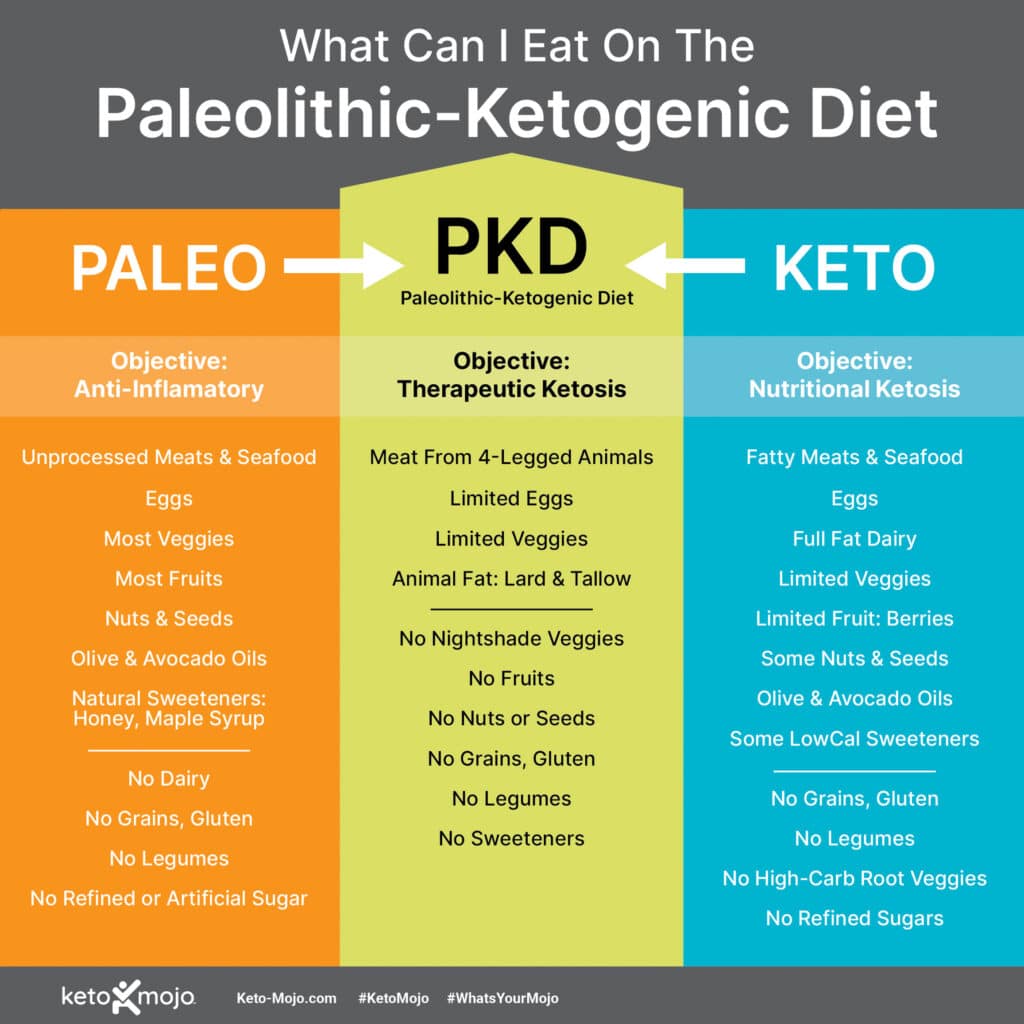
To successfully follow the Paleolithic Ketogenic Diet, it is essential to understand which foods are allowed and which foods should be avoided. Proper meal planning and timing are also crucial factors to consider.
Foods Allowed
The Paleolithic Ketogenic Diet allows for the consumption of the following foods:
- Animal protein: meats from various sources, including beef, pork, poultry, and game.
- Fish and seafood: fatty fish like salmon, mackerel, and sardines are particularly encouraged due to their high omega-3 fatty acid content.
- Eggs: a good source of protein and healthy fats.
- Non-starchy vegetables: leafy greens, cruciferous vegetables, peppers, and mushrooms are all great options.
- Healthy fats: avocado, olive oil, coconut oil, and grass-fed butter are all recommended sources of fat.
- Nuts and seeds: almonds, walnuts, flaxseeds, and chia seeds provide healthy fats and fiber.
Foods to Avoid
To adhere to the Paleolithic Ketogenic Diet, it is necessary to avoid certain foods, including:
- Grains: wheat, rice, oats, and other grains are not compatible with the diet.
- Legumes: beans, lentils, and peanuts are high in carbohydrates and should be avoided.
- Dairy products: milk, cheese, yogurt, and butter are restricted due to their lactose and carbohydrate content.
- Processed foods: packaged snacks, sweets, and processed meats typically contain added sugars and unhealthy fats.
- Sugars and sweeteners: refined sugars, artificial sweeteners, and high-fructose corn syrup should be avoided.
Meal Planning
Meal planning is essential when following the Paleolithic Ketogenic Diet. It involves intentionally selecting foods that align with the principles of the diet and planning meals in advance to ensure a balanced intake of macronutrients. It can be helpful to focus on including a variety of protein sources, non-starchy vegetables, and healthy fats in each meal.
Meal Timing
Another important aspect of the Paleolithic Ketogenic Diet is meal timing. Some individuals choose to incorporate intermittent fasting, which involves fasting for a specified period of time, typically around 16-20 hours, followed by an eating window. This approach can facilitate the transition into ketosis by allowing the body to deplete glycogen stores and start utilizing fat as an energy source.
Paleolithic Ketogenic Diet and Weight Loss
Weight loss is a commonly sought-after goal for many individuals, and the Paleolithic Ketogenic Diet may be a viable option to achieve this. Here’s how it may contribute to weight loss.
Ketosis and Fat Burning
The Paleolithic Ketogenic Diet induces a state of ketosis, where the body primarily relies on fat for fuel. When carbohydrate intake is significantly reduced, the body depletes its glycogen stores and starts producing ketones from stored fat. This shift in energy metabolism can lead to increased fat burning, which may result in weight loss over time.
Reduced Calorie Intake
Another factor that can contribute to weight loss on the Paleolithic Ketogenic Diet is reduced calorie intake. The diet’s high fat and protein content can promote satiety, making it easier to consume fewer calories overall. Additionally, the elimination of processed foods and added sugars reduces the intake of empty calories, further supporting weight loss efforts.
Increased Satiety
The high fat and protein content of the Paleolithic Ketogenic Diet can increase feelings of fullness and satiety. Protein is known to be highly satiating, while fat provides a long-lasting source of energy. By focusing on these macronutrients and minimizing carbohydrate intake, the diet can help reduce cravings and prevent overeating.

Paleolithic Ketogenic Diet for Improved Mental Clarity
Many individuals report improved mental clarity and cognitive function when following the Paleolithic Ketogenic Diet. Let’s explore the reasons behind these benefits.
Ketones and Brain Function
The brain typically relies on glucose as its primary energy source. However, during ketosis, the liver produces ketones that can cross the blood-brain barrier and serve as an alternative energy source for the brain. Some research suggests that ketones may provide a more stable and efficient energy supply, enhancing brain function and overall mental clarity.
Stabilizing Blood Sugar Levels
Blood sugar fluctuations can have a significant impact on cognitive function and mental clarity. The Paleolithic Ketogenic Diet promotes stable blood sugar levels by limiting the intake of high glycemic foods and refined sugars. By avoiding blood sugar spikes and crashes, individuals on the diet may experience improved focus, concentration, and cognitive performance.
Reducing Brain Inflammation
Chronic inflammation in the brain can impair cognitive function and contribute to neurodegenerative diseases. The Paleolithic Ketogenic Diet focuses on consuming anti-inflammatory foods that can help reduce brain inflammation. This includes incorporating omega-3 fatty acids, found in fatty fish and grass-fed meats, which have been shown to have positive effects on brain health.
Balancing Blood Sugar Levels on the Paleolithic Ketogenic Diet
Balanced blood sugar levels are essential for overall health and well-being. The Paleolithic Ketogenic Diet provides strategies to promote stable blood sugar levels. Let’s take a closer look.
Eliminating High Glycemic Foods
High glycemic foods, such as refined grains, sugars, and starchy vegetables, can cause rapid increases in blood sugar levels. These spikes are often followed by crashes, leading to fatigue, hunger, and cravings. The Paleolithic Ketogenic Diet eliminates these high glycemic foods, helping to regulate blood sugar levels and avoiding the associated negative effects.
Increasing Fiber Intake
Fiber plays a crucial role in regulating blood sugar levels. The Paleolithic Ketogenic Diet encourages the consumption of non-starchy vegetables, which are high in fiber. Fiber slows down the absorption of sugars in the bloodstream, preventing rapid spikes in blood sugar levels. This can lead to improved insulin sensitivity and better blood sugar control.
Controlling Carbohydrate Consumption
Carbohydrate intake is carefully controlled on the Paleolithic Ketogenic Diet. By limiting carbohydrates to non-starchy vegetables and eliminating grains, legumes, and sugars, the diet minimizes the amount of glucose that enters the bloodstream. This can help prevent insulin resistance and keep blood sugar levels in a healthy range.

Reducing Inflammation with the Paleolithic Ketogenic Diet
Chronic inflammation can have far-reaching effects on health and is associated with various diseases. The Paleolithic Ketogenic Diet offers strategies to reduce inflammation in the body. Let’s explore them.
Eliminating Processed Foods
Processed foods are typically high in sugars, unhealthy fats, and artificial additives, all of which can promote inflammation in the body. The Paleolithic Ketogenic Diet eliminates processed foods, focusing instead on whole, unprocessed foods. By eliminating these inflammatory triggers, the diet can help reduce overall inflammation.
Increasing Omega-3 Fatty Acids
Omega-3 fatty acids have been shown to have potent anti-inflammatory effects. The Paleolithic Ketogenic Diet encourages the consumption of fatty fish, such as salmon and sardines, which are rich in omega-3s. Grass-fed meats, which also contain higher levels of omega-3s compared to conventionally raised meats, are another recommended source of these beneficial fatty acids.
Promoting Gut Health
A healthy gut microbiome is crucial for reducing inflammation in the body. The Paleolithic Ketogenic Diet promotes the consumption of non-starchy vegetables, which are high in prebiotic fibers that nourish beneficial gut bacteria. By nurturing a diverse and balanced gut microbiome, the diet supports overall gut health and reduces the risk of inflammation-related conditions.
Enhancing Athletic Performance with the Paleolithic Ketogenic Diet
The Paleolithic Ketogenic Diet has gained popularity among athletes and fitness enthusiasts due to its potential to enhance performance. Let’s delve into some of the ways the diet can optimize athletic performance.
Fat Adaptation for Endurance
The Paleolithic Ketogenic Diet encourages the body to become fat-adapted, meaning it becomes efficient at using fat as its primary fuel source during exercise. This is particularly beneficial for endurance athletes who need a sustained source of energy during long training sessions or races. By relying less on carbohydrates and more on stored body fat, athletes can sustain their energy levels for longer durations.
Optimizing Nutrient Timing
Timing nutrient intake is a key component of the Paleolithic Ketogenic Diet for athletes. By strategically timing carbohydrate intake around workouts, athletes can maximize glycogen replenishment and optimize performance. Consuming carbohydrates within the post-workout window can help replenish glycogen stores and facilitate muscle recovery.
Recovery and Adaptation
The high protein content of the Paleolithic Ketogenic Diet is vital for muscle recovery and adaptation. Protein plays a crucial role in repairing and building muscle tissue, which is important for athletes looking to improve their performance. Adequate protein intake enables the body to recover more efficiently from strenuous workouts and adapt to the demands of training.
Potential Risks and Considerations
While the Paleolithic Ketogenic Diet offers potential benefits, it is essential to consider some potential risks and challenges associated with the diet.
Nutrient Deficiencies
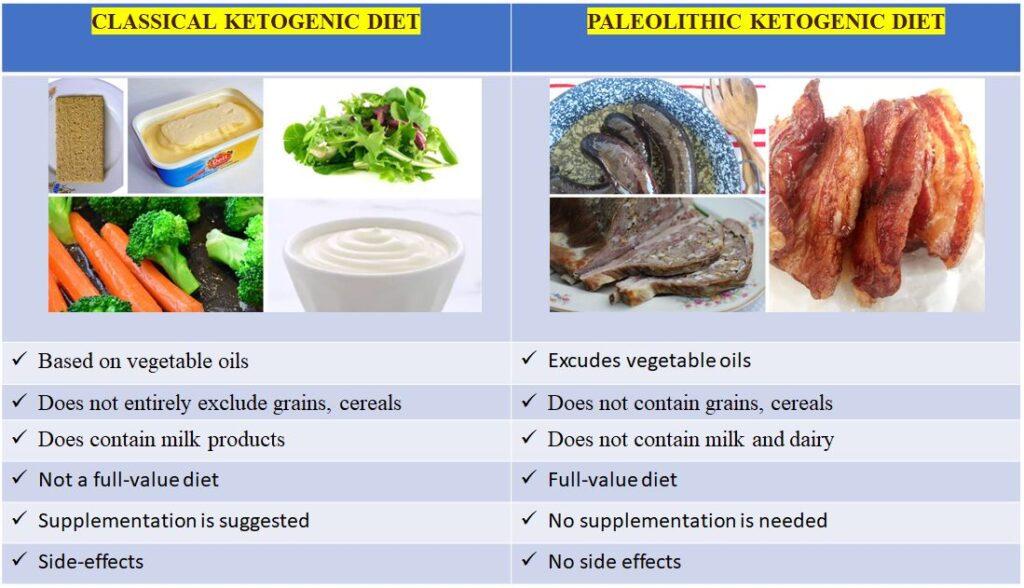
Restrictive diets, such as the Paleolithic Ketogenic Diet, can increase the risk of nutrient deficiencies if not properly planned and balanced. Certain nutrients, such as vitamin C, calcium, and dietary fiber, may be limited due to the exclusion of certain food groups. It is crucial to ensure adequate intake of these nutrients through careful meal planning or supplementation if needed.
Adherence Challenges
Following a strict dietary protocol like the Paleolithic Ketogenic Diet may prove challenging for some individuals. The diet requires careful attention to food choices, meal planning, and potentially adjusting social interactions around food. Adapting to a very low-carbohydrate intake can also be challenging initially, as the body transitions into ketosis.
Effectiveness for Different Individuals
The Paleolithic Ketogenic Diet may not be suitable for everyone. Some individuals may find it difficult to adhere to the dietary restrictions or may not experience the expected benefits. As with any diet, individual differences and personal preferences play a significant role in determining its effectiveness. Consulting a healthcare professional or registered dietitian can help assess whether the diet aligns with an individual’s specific needs and goals.
Conclusion
The Paleolithic Ketogenic Diet combines elements of the Paleo and Keto diets to promote weight loss, improved mental clarity, balanced blood sugar levels, reduced inflammation, and enhanced athletic performance. By focusing on whole, unprocessed foods, and minimizing carbohydrate intake, the diet aims to shift the body into ketosis, a state where it primarily burns fat for fuel. While the diet offers potential benefits, it is important to consider potential risks and challenges and consult a healthcare professional before making any significant dietary changes.


