The ketogenic diet, commonly referred to as the keto diet, is a high-fat, low-carbohydrate dietary regimen that has gained immense popularity in recent years. The primary goal of the keto diet is to shift the body’s metabolism from relying on carbohydrates for energy to utilizing fats, a state known as ketosis. In a typical keto diet, the macronutrient breakdown consists of approximately 70-75% fats, 20-25% protein, and only about 5-10% carbohydrates.
This drastic reduction in carbohydrate intake forces the body to burn fat for fuel, leading to weight loss and various health benefits. The origins of the keto diet can be traced back to the 1920s when it was developed as a treatment for epilepsy, particularly in children who did not respond to conventional medications. Over the decades, research has expanded to explore its potential benefits for weight loss, metabolic health, and even neurological disorders.
The diet emphasizes whole foods such as avocados, nuts, seeds, fatty fish, and low-carb vegetables while avoiding grains, sugars, and starchy foods. As individuals embark on this dietary journey, understanding the role of protein becomes crucial for achieving optimal results.
Key Takeaways
- The Keto Diet is a high-fat, low-carb diet that aims to put the body into a state of ketosis, where it burns fat for fuel instead of carbohydrates.
- Protein is important on the Keto Diet because it helps maintain muscle mass, supports satiety, and aids in weight loss.
- The amount of protein you should eat on the Keto Diet depends on factors such as your activity level, muscle mass, and weight loss goals.
- The best sources of protein for the Keto Diet include meat, poultry, fish, eggs, and dairy products.
- Protein supplements can be beneficial for the Keto Diet, especially for those who struggle to meet their protein needs through whole foods.
Why Protein is Important on the Keto Diet
Protein plays a pivotal role in the keto diet for several reasons. First and foremost, it is essential for maintaining muscle mass during weight loss. When the body enters a state of ketosis, it begins to burn fat for energy; however, without adequate protein intake, there is a risk of losing lean muscle tissue.
This is particularly important for those who are physically active or looking to improve their body composition. Consuming sufficient protein helps preserve muscle while promoting fat loss, ensuring that the weight lost comes primarily from fat stores rather than muscle. Additionally, protein is vital for various bodily functions beyond muscle maintenance.
It serves as a building block for enzymes, hormones, and other critical molecules that regulate metabolism and overall health. On a keto diet, where carbohydrate intake is limited, protein can also play a role in gluconeogenesis—the process by which the body converts non-carbohydrate sources into glucose. This is particularly important for maintaining blood sugar levels and providing energy for cells that require glucose.
Therefore, understanding the importance of protein on the keto diet is essential for anyone looking to maximize their health and fitness goals.
How Much Protein Should You Eat on the Keto Diet?

Determining the appropriate amount of protein to consume on a keto diet can vary based on individual factors such as age, sex, activity level, and specific health goals. Generally speaking, a common recommendation is to aim for about 20-25% of total daily caloric intake from protein sources. For those who are more active or looking to build muscle, this percentage may increase slightly.
A general guideline suggests consuming approximately 1.2 to 2.0 grams of protein per kilogram of body weight per day. For example, an individual weighing 70 kilograms (about 154 pounds) might aim for a protein intake ranging from 84 to 140 grams per day. It’s important to note that while protein is essential, excessive consumption can lead to gluconeogenesis exceeding what is necessary for energy needs, potentially disrupting ketosis.
Therefore, finding a balance that supports muscle maintenance and overall health without compromising the state of ketosis is crucial.
Best Sources of Protein for the Keto Diet
When following a keto diet, selecting high-quality protein sources is essential for both nutritional value and compatibility with low-carb guidelines. Animal-based proteins are often favored due to their complete amino acid profiles and higher fat content. Some excellent sources include fatty cuts of meat such as ribeye steak or pork belly, which provide both protein and healthy fats.
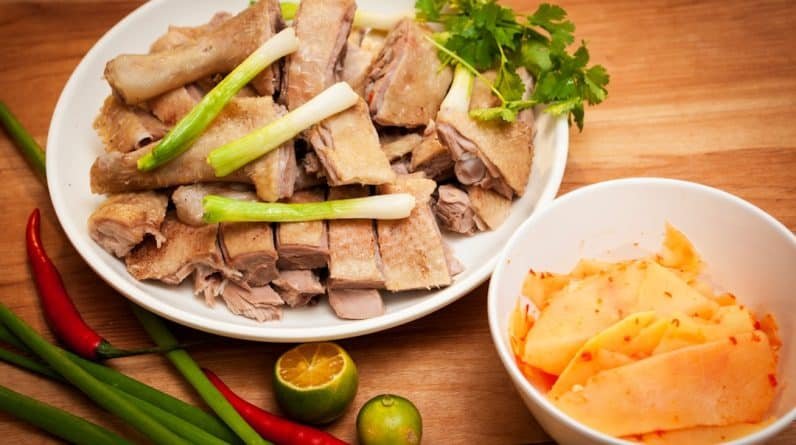
Poultry like chicken thighs and duck are also great options, as they tend to be higher in fat compared to leaner cuts. Fish and seafood are another excellent choice for protein on the keto diet. Fatty fish such as salmon, mackerel, and sardines not only provide high-quality protein but are also rich in omega-3 fatty acids, which have numerous health benefits including anti-inflammatory properties.
For those who prefer plant-based options, while they may be lower in protein density compared to animal sources, options like tempeh and seitan can be included in moderation. However, it’s crucial to monitor carbohydrate content in these sources to ensure they fit within daily limits.
Protein Supplements for the Keto Diet
Incorporating protein supplements can be beneficial for individuals on a keto diet who struggle to meet their protein needs through whole foods alone. Protein powders such as whey or casein are popular choices due to their high biological value and ease of use. These supplements can be added to smoothies or used in baking low-carb recipes to boost protein content without significantly increasing carbohydrate intake.
Plant-based protein powders like pea or hemp protein are also available for those who prefer non-dairy options. While these may not provide as complete an amino acid profile as whey or casein, they can still contribute significantly to daily protein intake when combined with other food sources. It’s important to choose supplements that are low in carbohydrates and free from added sugars or fillers that could disrupt ketosis.
Protein-Rich Keto Recipes

Creating delicious and satisfying meals that are rich in protein while adhering to keto guidelines can be both enjoyable and rewarding. One popular recipe is a creamy garlic butter shrimp served over zucchini noodles. This dish combines succulent shrimp sautéed in garlic butter with spiralized zucchini, providing a low-carb alternative to traditional pasta while delivering a hearty dose of protein.
Another enticing option is a keto-friendly chicken Alfredo made with grilled chicken breast served over cauliflower rice instead of traditional pasta. The creamy Alfredo sauce can be made using heavy cream and Parmesan cheese, ensuring that it remains high in fat while providing ample protein from both the chicken and cheese. These recipes not only satisfy hunger but also align perfectly with the macronutrient ratios required for successful adherence to the keto diet.
Protein and Muscle Building on the Keto Diet
For those looking to build muscle while following a ketogenic diet, understanding the relationship between protein intake and muscle synthesis is crucial. Resistance training combined with adequate protein consumption stimulates muscle hypertrophy—the process by which muscle fibers increase in size. On a keto diet, maintaining sufficient protein levels becomes even more critical due to the potential risk of muscle loss during weight loss phases.
Research indicates that consuming protein shortly after workouts can enhance muscle recovery and growth. This is often referred to as the “anabolic window,” where muscles are particularly receptive to nutrients post-exercise. Incorporating high-protein meals or snacks after workouts can help maximize muscle-building efforts while still adhering to keto principles.
Protein and Weight Loss on the Keto Diet
Protein plays a significant role in weight loss on the keto diet by promoting feelings of fullness and reducing overall calorie intake. High-protein meals tend to be more satiating than those high in carbohydrates or fats alone, which can help curb cravings and prevent overeating. This satiety effect is particularly beneficial for individuals looking to lose weight without feeling deprived.
Moreover, the thermic effect of food (TEF) associated with protein consumption is higher than that of fats or carbohydrates. This means that the body expends more energy digesting and metabolizing protein-rich foods compared to other macronutrients. As a result, incorporating adequate protein into meals can contribute not only to weight loss but also to improved metabolic efficiency.
Protein and Satiety on the Keto Diet
The satiating properties of protein are well-documented in nutritional science. When consumed as part of a meal, protein triggers the release of hormones such as peptide YY (PYY) and glucagon-like peptide-1 (GLP-1), which signal fullness to the brain. This hormonal response can help individuals feel satisfied after meals, reducing the likelihood of snacking between meals or consuming excess calories.
On a keto diet where carbohydrate intake is restricted, ensuring that meals are rich in protein can further enhance satiety levels. By combining high-protein foods with healthy fats—such as avocado or olive oil—individuals can create balanced meals that keep hunger at bay while supporting their dietary goals.
Protein and Ketosis
Maintaining ketosis requires careful management of macronutrient ratios, particularly carbohydrates and proteins. While protein is essential for various bodily functions and muscle maintenance, excessive intake can lead to gluconeogenesis—a process where excess amino acids are converted into glucose. This can potentially disrupt ketosis if carbohydrate levels are already low.
To remain in ketosis while consuming adequate protein, individuals should focus on moderate protein intake that aligns with their specific needs without exceeding recommended levels. Monitoring ketone levels through testing methods such as blood or urine tests can help individuals gauge their state of ketosis and adjust their macronutrient ratios accordingly.
The Importance of Protein on the Keto Diet
In summary, protein is an indispensable component of the ketogenic diet that supports muscle maintenance, weight loss, satiety, and overall health. Understanding how much protein to consume and selecting high-quality sources can significantly impact an individual’s success on this dietary journey. By incorporating delicious recipes rich in protein and utilizing supplements when necessary, individuals can achieve their health goals while enjoying a diverse range of foods that align with their dietary preferences.
The interplay between protein intake and various physiological processes underscores its importance in achieving optimal results on the keto diet.
FAQs
What is a keto diet?
A keto diet is a low-carb, high-fat diet that has been shown to help with weight loss and improve overall health. It involves reducing carbohydrate intake and replacing it with fat, which puts the body into a metabolic state called ketosis.
What is the role of protein in a keto diet?
Protein is an essential macronutrient that plays a crucial role in a keto diet. It helps to maintain and build muscle mass, supports satiety, and can aid in weight loss. However, it’s important to consume the right amount of protein to avoid disrupting ketosis.
How much protein should I consume on a keto diet?
The recommended amount of protein on a keto diet can vary depending on individual factors such as age, weight, and activity level. However, a general guideline is to consume between 0.6 to 1.0 grams of protein per pound of lean body mass.
What are some good sources of protein on a keto diet?
Good sources of protein on a keto diet include meat, poultry, fish, eggs, and dairy products such as cheese and Greek yogurt. Plant-based sources of protein such as tofu, tempeh, and seitan can also be included in a keto diet.
Are there any risks associated with consuming too much protein on a keto diet?
Consuming too much protein on a keto diet can potentially lead to gluconeogenesis, a process where the body converts protein into glucose, which can disrupt ketosis. It’s important to balance protein intake with fat and keep it within the recommended range.