Have you ever wondered how a ketogenic diet could benefit your child? Understanding the nutritional choices available for kids can sometimes be a challenge, especially when it comes to diets that differ from traditional eating patterns. For many parents, the ketogenic diet has emerged as an intriguing option. Let’s unpack what a ketogenic diet for kids entails, its benefits, and how it can be safely implemented.
What is a Ketogenic Diet?
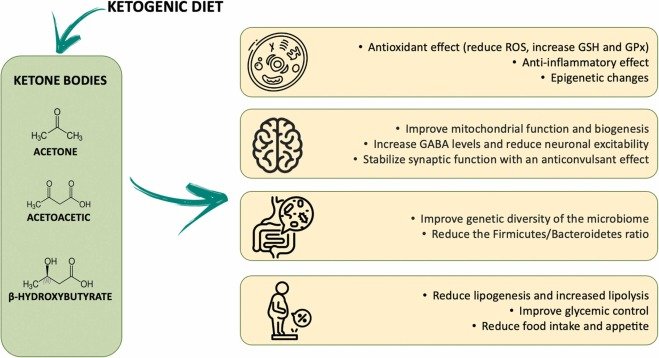
A ketogenic diet is primarily a low-carbohydrate, high-fat diet that aims to shift the body’s energy source from carbohydrates to fats. This shift leads to a metabolic state known as ketosis, where your body burns fat for fuel instead of carbohydrates.
When it comes to children, the ketogenic diet can be tailored to ensure they receive the necessary nutrients for their growth and development. Understanding the basics of how it works will help you decide if this diet is suitable for your family.
The Basics of Ketosis
In a typical carbohydrate-heavy diet, your body breaks down carbohydrates into glucose (sugar), which it uses as the primary source of energy. However, in a ketogenic diet, the intake of carbohydrates is drastically reduced, prompting the body to convert fats into molecules called ketones, which serve as an alternative energy source.
Macronutrient Ratios
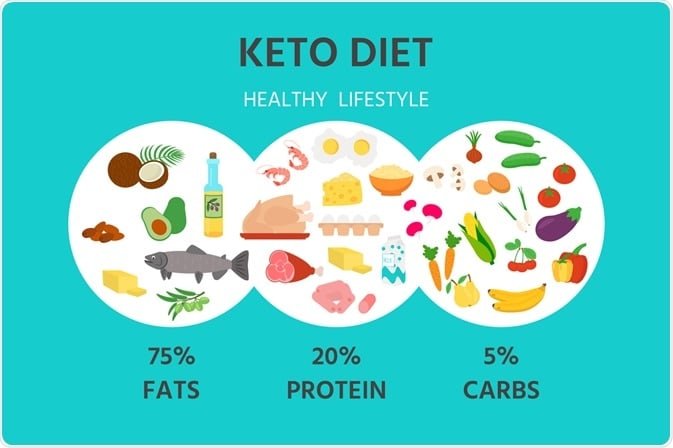
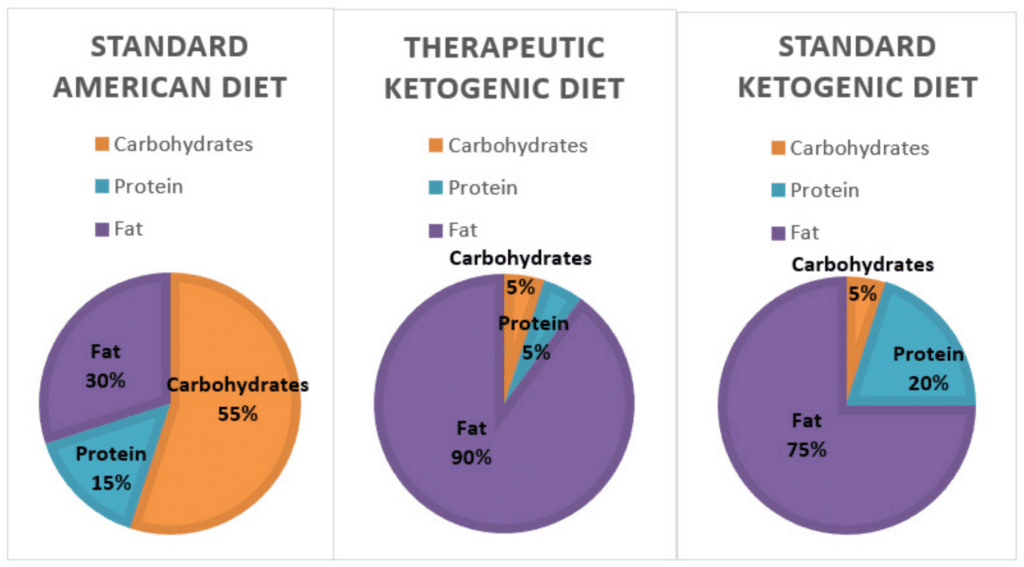
The key to a ketogenic diet lies in its macronutrient composition. Generally, it consists of:
- High Fat: About 70-80% of daily caloric intake.
- Moderate Protein: Approximately 20-25% of daily calories.
- Low Carbohydrates: Roughly 5-10% of daily intake.
This unique ratio helps achieve and maintain ketosis, despite the dietary changes.
Potential Benefits of the Ketogenic Diet for Kids
Considering a ketogenic diet for your child comes with its share of potential benefits. While every child is unique and may respond differently, several advantages are widely reported.
1. Improved Focus and Concentration
A ketogenic diet can lead to stable energy levels. By reducing sugar spikes and crashes often associated with carbohydrate consumption, children might experience increased concentration and focus. This can be particularly beneficial for kids who struggle with attention-related issues.
2. Management of Epilepsy
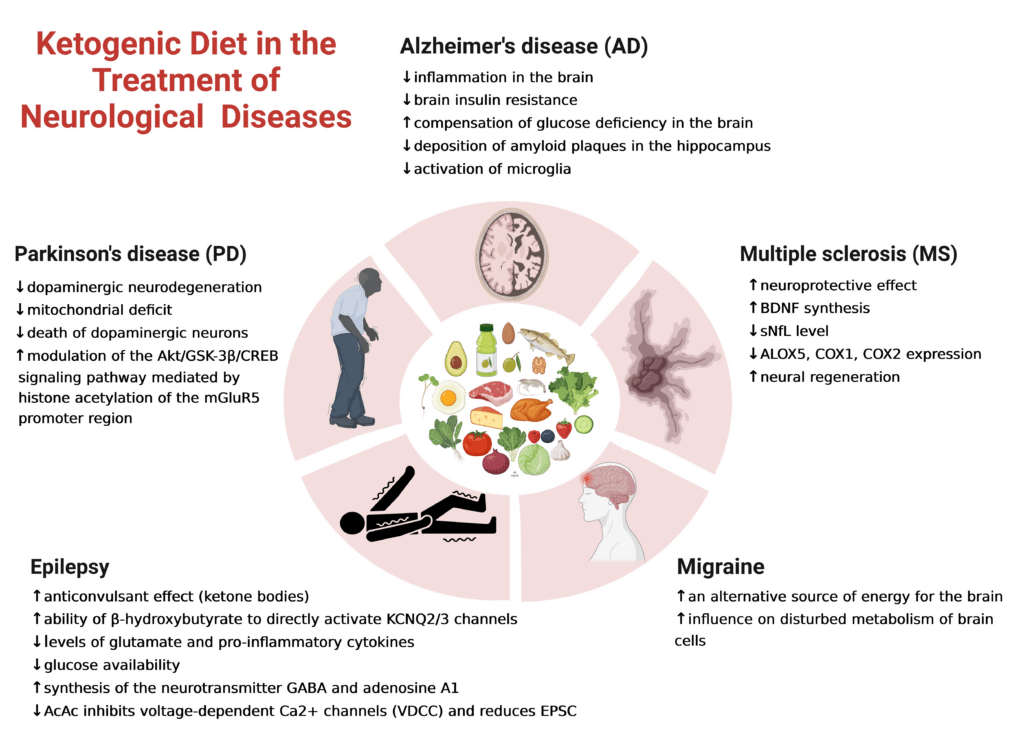
Originally developed as a treatment for epilepsy, particularly in children who do not respond to conventional medications, the ketogenic diet has proven effective in reducing seizure frequency. Many families report significant improvements in their child’s condition after adopting this dietary approach.
3. Weight Management
With childhood obesity on the rise, a ketogenic diet may help in managing weight by promoting fat burning rather than fat storage. This type of diet encourages healthy body composition changes without drastic calorie restriction.
4. Enhanced Mood Stability
Emerging research suggests that ketogenic diets might influence mood positively. Consistent energy levels can contribute to improved emotional well-being, reducing mood swings often tied to blood sugar fluctuations in children.
5. Potential for Reducing Sugar Cravings
Many kids naturally have a penchant for sugary treats and snacks, leading to a cycle of cravings. A ketogenic approach, which is lower in carbohydrates, may help break this cycle and reduce sugar cravings over time.
Implementing a Ketogenic Diet for Kids
If you find the ketogenic diet aligns with your goals for your child’s health, the next step is implementation. It’s important to approach this change carefully to ensure nutritional adequacy and acceptance.
Meal Planning and Preparation
When transitioning to a ketogenic diet, meal planning becomes vital. Here’s a basic outline of how to structure your meals:
| Meal Type | Food Suggestions |
|---|---|
| Breakfast | Scrambled eggs with spinach, avocado, and cheese |
| Lunch | Chicken salad with olive oil dressing mixed with greens |
| Snack | Celery sticks with almond butter |
| Dinner | Grilled salmon with asparagus and butter |
| Dessert | Keto-friendly chocolate mousse made with avocado |
Encouraging Acceptance
Involve your child in the planning process to garner excitement about new foods. You can try cooking together or having them pick a Dinner of the Week. When kids feel like they have a say in their meals, they might be more open to trying new items.
Nutritional Education
Provide age-appropriate explanations of how foods impact their body. Discuss why you are incorporating healthier fats and limiting sugars. Navigating dietary change is often easier when children understand the “why” behind it.
Mindful Eating Practices
Teach your child about mindful eating. Encourage them to listen to hunger cues and make choices based on how they feel rather than merely taste. This practice can lead to healthier habits throughout their life.
Common Concerns About a Ketogenic Diet for Kids
Despite the potential benefits, you might have concerns if you’re thinking about a ketogenic diet for your child.
Nutritional Deficiencies
One of the main concerns parents have is the possibility of nutritional deficiencies when dietary patterns change dramatically. To mitigate this, prioritize a variety of healthy fats, proteins, and non-starchy vegetables. Consider consulting a dietitian to ensure dietary adequacy.
Social Situations
Another concern includes the social implications of dietary restriction. Kids are often invited to birthday parties or group events where food is a central theme. Encourage strategies such as bringing keto-friendly snacks to gatherings, so they have options that fit their dietary plan.
Monitoring and Adjusting
Keeing a close eye on your child’s health and well-being during this transition is essential. Pay attention to changes in mood, energy levels, weight, and most importantly, their enjoyment of food.
Ensuring a Balanced Ketogenic Diet
To promote a well-rounded ketogenic diet, it’s essential to include a variety of food types while monitoring their macro ratios. Here’s a simple breakdown of foods to focus on:
Healthy Fats
Include healthy fats to reach the high-fat requirement of the diet:
- Avocado
- Olive oil
- Coconut oil
- Butter or ghee
- Fatty fish (like salmon)
Proteins
Aim for moderate protein sources. Focus on:
- Poultry
- Eggs
- Meat
- Dairy (high-fat options like cheese and Greek yogurt)
- Nuts and seeds
Non-Starchy Vegetables
Non-starchy vegetables help deliver essential vitamins while keeping carbohydrate intake low. Options include:
- Leafy greens (spinach, kale)
- Bell peppers
- Broccoli
- Cauliflower
- Zucchini
Low-Carbohydrate Fruits
Fruits can be challenging on a ketogenic diet due to their natural sugars. However, the following are lower in carbs:
- Berries (in moderation)
- Lemons and limes
- Avocado
Adjusting to Change
We all know that change can require some adjustment, and the same holds true for a dietary shift. Staying flexible and understanding will help not only you but also your child navigate this journey successfully.
Listen to Your Child’s Needs
Your child’s feedback should guide adjustments to the diet. If they are struggling with certain foods or meals, explore alternatives that might not feel so restrictive.
Celebrate Small Wins
Avoid focusing solely on the end goal, like weight loss. Instead, celebrate small victories, whether that’s trying a new recipe, feeling more energetic, or understanding healthier eating habits.
Consulting with Healthcare Professionals
Before making significant changes to your child’s diet, consulting with a healthcare professional is crucial. They can provide personalized guidance based on your child’s individual needs and health conditions.
Working with a Dietitian
A registered dietitian can be especially helpful in designing a well-rounded ketogenic diet plan that meets your child’s nutritional requirements. They can assist in meal planning and track the overall impact of dietary shifts.
Regular Check-Ins with the Pediatrician
Routine visits to your pediatrician are also essential. They can monitor growth, development, and overall health while your child follows a ketogenic diet.
Conclusion
Considering a ketogenic diet for your child is a big decision and one that can offer several benefits, such as improved focus, better mood regulation, and controlled weight management. However, it’s critical to approach this diet thoughtfully, ensuring it’s nutritionally balanced and tailored to your child’s needs.
With the right strategies, support, and guidance, you can pave the way for a healthier eating pattern that contributes positively to your child’s well-being. Remember, every child is unique, and it’s important to find what works best for your family. By fostering an environment of healthy eating and understanding, you can set the stage for a balanced approach to nutrition that lasts a lifetime.