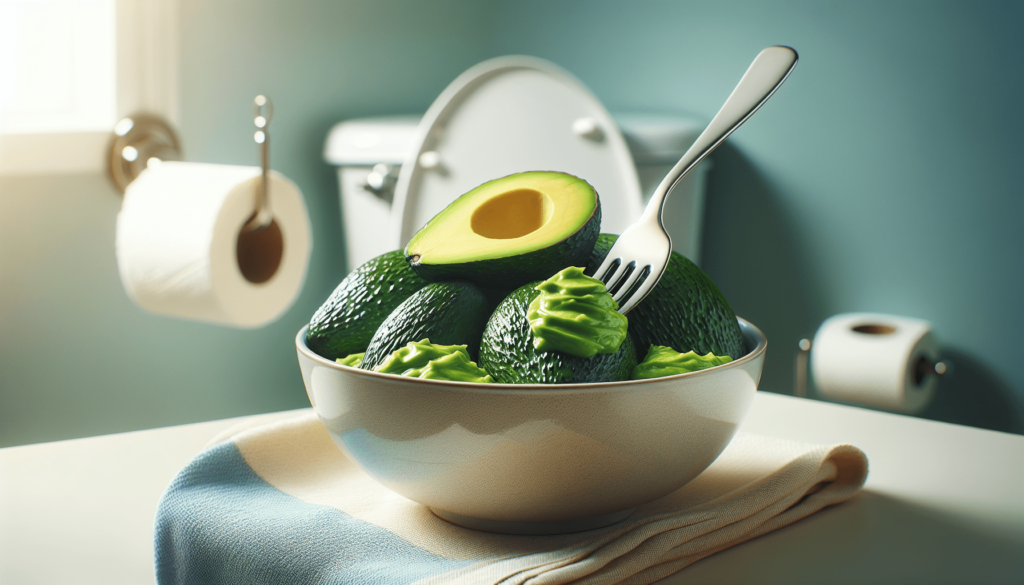
Have you ever experienced unexpected tummy troubles while following a keto diet? If so, you’re not alone. Many individuals embarking on this low-carb, high-fat journey encounter issues like diarrhea, which can be frustrating and uncomfortable. In this article, you’ll gain a deeper understanding of keto diet diarrhea, including its causes and solutions, so you can navigate your way through this dietary change with greater ease.
What is the Keto Diet?
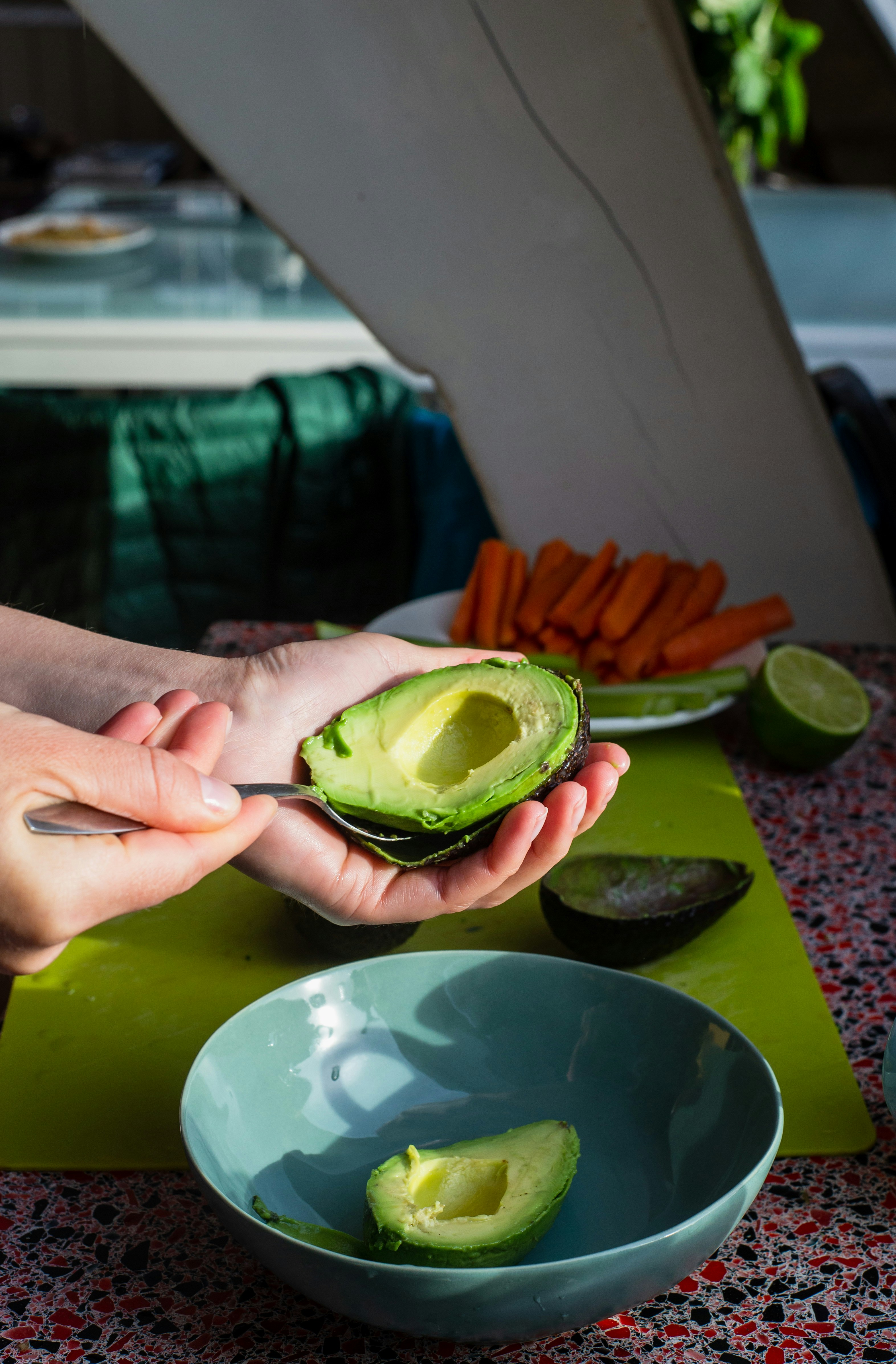
The keto diet, short for ketogenic diet, is a low-carb, high-fat eating plan designed to switch the body’s primary energy source from carbohydrates to fats. By drastically reducing your carb intake, your body enters a metabolic state known as ketosis, where it efficiently burns fat for fuel. This shift can lead to a range of health benefits, including weight loss, improved mental clarity, and increased energy levels. However, as with any significant dietary change, it’s not uncommon to experience some side effects—like diarrhea.
Common Symptoms of Keto Diet Diarrhea
When you adjust your diet dramatically, your digestive system may react in various ways. Here are some common symptoms of diarrhea experienced by those on a keto diet:
- Frequent urge to go to the bathroom: You might find yourself making multiple trips to the restroom throughout the day.
- Loose or watery stools: Rather than normal, formed stools, you may notice a change in consistency.
- Abdominal cramps or discomfort: Accompanying diarrhea, you might experience cramps or general tummy unease.
Such symptoms can be concerning, especially when you’re trying to stick to your dietary plan.
Causes of Keto Diet Diarrhea
Understanding the roots of your digestive disturbances can help you address them effectively. Here are some common causes of diarrhea linked to the keto diet.
1. Increased Fat Intake
As you transition into a keto lifestyle, you increase your fat intake significantly. This shift can challenge your digestive system. Your body may not be used to handling such high levels of fat, leading to gastrointestinal distress.
2. Low Fiber Consumption
Switching to a keto diet often means cutting out many fruits, vegetables, and grains, which are primary sources of dietary fiber. A lack of fiber can disrupt your digestive process and lead to diarrhea.
3. Keto Flu
During the initial transition into ketosis, you might experience what’s commonly referred to as the “keto flu.” This includes a myriad of symptoms such as fatigue, headaches, and gastrointestinal issues, including diarrhea. Your body is adjusting to the new dietary structure, which can cause temporary upset.
4. Artificial Sweeteners
Many keto-friendly foods and products use artificial sweeteners like erythritol, which can cause digestive issues for some people. If you’ve introduced these sweeteners into your diet, they may be the culprit behind your tummy troubles.
5. Food Intolerances
As you change your diet, you may inadvertently consume foods that your body doesn’t tolerate well. Common culprits include dairy and nuts, which can trigger digestive upset in some individuals.
6. Lack of Electrolytes
The keto diet can lead to a rapid loss of water weight, causing you to lose electrolytes like sodium and potassium. An imbalance in these electrolytes can affect bowel function, sometimes resulting in diarrhea.
7. Bile Acid Malabsorption
A significant rise in dietary fat can lead to a condition known as bile acid malabsorption. When your body struggles to emulsify and absorb fats properly, it can lead to loose stools.
How to Manage and Prevent Keto Diet Diarrhea
If you’re currently dealing with keto-related diarrhea, don’t worry! There are several strategies to help you manage and even prevent this uncomfortable issue.
1. Gradual Fat Transition
Instead of drastically increasing fat intake overnight, consider gradually introducing fats into your diet. This approach allows your digestive system to adjust more comfortably and can help minimize discomfort.
2. Increase Fiber Intake
While the keto diet is low in carbs, it is essential to maintain a good level of fiber. Adding low-carb, high-fiber foods can aid your digestion. Include options like leafy greens, chia seeds, and avocados in your meals.
3. Hydration and Electrolyte Balance
Stay hydrated and consider supplementing electrolytes to support your body during this transition. Keeping your electrolytes in check can help avoid diarrhea and other related symptoms.
4. Limit Artificial Sweeteners
If you suspect that artificial sweeteners are causing issues, try limiting or eliminating them from your diet. Pay attention to how your body reacts when you consume these products.
5. Identify and Avoid Trigger Foods
Consider keeping a food diary to identify any foods that may lead to digestive distress. Once you spot potential culprits, you can adjust your diet accordingly.
6. Digestive Enzymes
Some individuals find relief by taking digestive enzyme supplements that help break down fats more efficiently. Consult a healthcare professional before starting any supplements.
7. Consult Your Healthcare Provider
If diarrhea persists or is accompanied by severe symptoms, it’s crucial to consult a healthcare provider. They can help rule out underlying conditions and offer tailored advice for your situation.

Foods to Include on a Keto Diet
Filling your plate with the right foods can make the keto diet much more enjoyable and satisfying, while also minimizing potential digestive issues.
Healthy Fats
Choosing the right sources of fat is vital. Focus on incorporating:
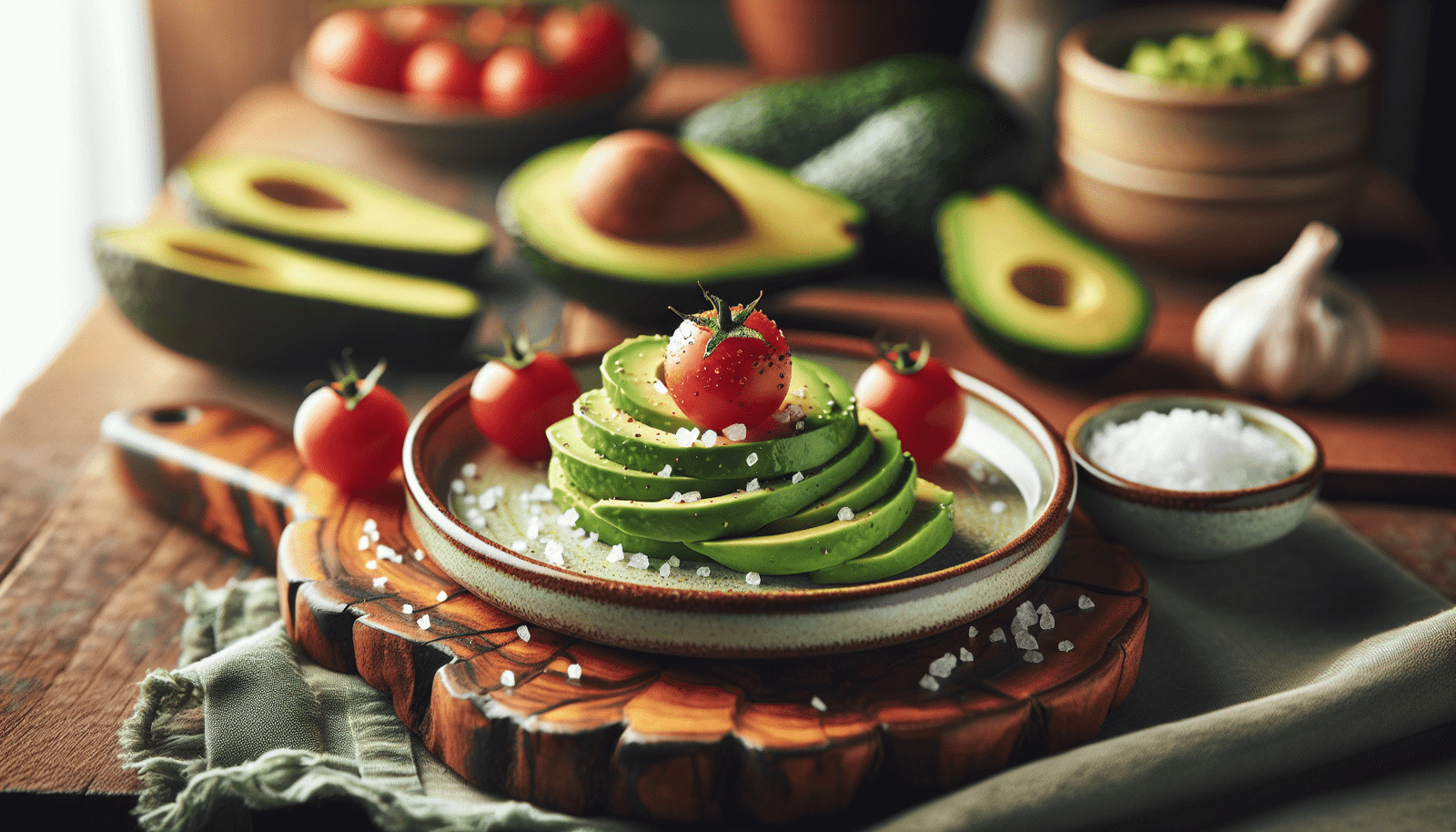
- Avocados: Packed with heart-healthy fats, fiber, and plenty of nutrients.
- Olive oil: A great choice for cooking or drizzling over salads.
- Coconut oil: Can be used in cooking or baking for added moisture and flavor.
- Nuts and seeds: Including almonds, walnuts, chia seeds, and flaxseeds.
Low-Carb Vegetables
These veggies not only support digestion but also add important nutrients to your diet. Stock up on:
- Leafy greens: Spinach, kale, and arugula are all excellent choices.
- Cruciferous vegetables: Broccoli and cauliflower are fantastic low-carb options.
- Peppers and zucchini: These add color and nutrition to your meals.
Protein Sources
Protein is a vital part of your keto diet, so include:
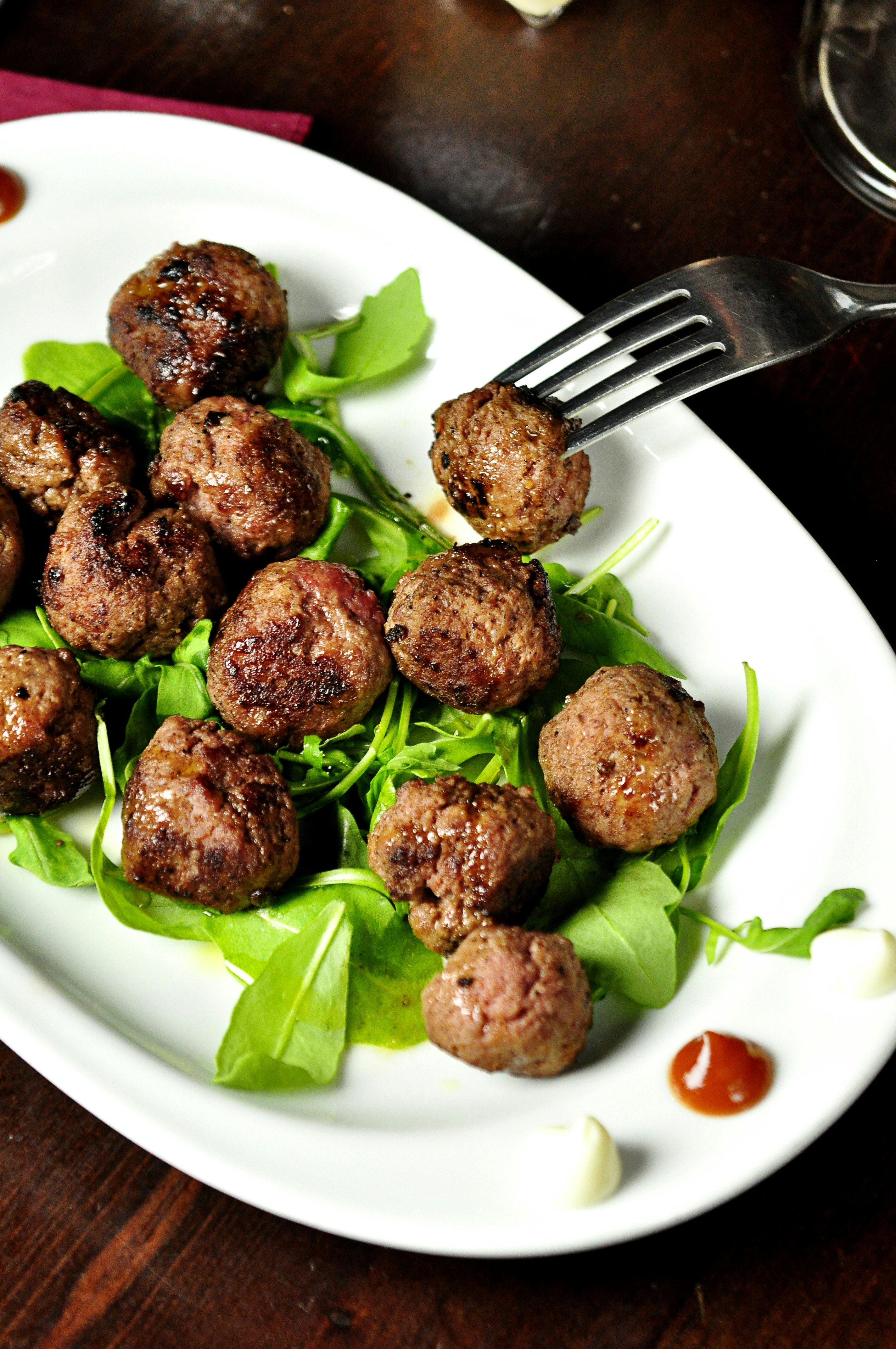
- Meat: Opt for grass-fed beef and free-range poultry for higher quality.
- Fish: Fatty fish like salmon and mackerel are great sources of Omega-3 fatty acids.
- Eggs: A versatile and nutrient-rich option for every meal.
Foods to Avoid on a Keto Diet
Certain foods can exacerbate digestive issues or slow down your progress on the keto diet, so it’s best to keep them off your plate. Be cautious with:
- Sugar and sugary products: These can spike your carb intake and lead you out of ketosis.
- Grains and starchy vegetables: Items like bread, rice, potatoes, and corn can derail your efforts.
- Processed foods: Many processed foods contain hidden sugars and unhealthy fats, impacting your health.
When to Seek Medical Advice
While experiencing digestive issues can be common when altering your diet, certain situations warrant a conversation with a healthcare professional. If you’ve continuously experienced diarrhea for more than a few days, observe any of the following symptoms:
- Severe abdominal pain: More than mild discomfort can indicate an underlying problem.
- Signs of dehydration: Dark urine, extreme thirst, or dizziness can be concerning.
- Unexplained weight loss: If you notice significant weight loss, it could be a sign of a larger issue.
Final Thoughts
Embracing the keto diet can be an exciting journey towards better health and well-being, but it’s not without its challenges. Dealing with diarrhea can be frustrating, but understanding its causes and solutions can help you navigate this issue more comfortably.
As you make adjustments to your dietary habits, keep in mind that everyone’s body responds differently to changes. Experimenting with your food choices, staying hydrated, and seeking support when necessary can significantly improve your experience on the keto diet. Remember that patience is key as your body adapts, and you’ll soon find the rhythm that works best for you.