
Ketosis is a metabolic state characterized by the elevated levels of ketone bodies in the bloodstream, which occurs when the body shifts from using glucose as its primary energy source to utilizing fat. This shift typically happens when carbohydrate intake is significantly reduced, prompting the liver to convert fatty acids into ketones. The ketogenic diet, which emphasizes high fat and low carbohydrate consumption, is designed to induce this state of ketosis.
While the primary focus of this dietary approach is on fat intake, protein also plays a crucial role in maintaining the delicate balance necessary for effective ketosis. When discussing protein intake in the context of ketosis, it is essential to understand that not all proteins are created equal. The body requires a certain amount of protein to support various physiological functions, including muscle repair, hormone production, and immune function.
However, excessive protein consumption can lead to gluconeogenesis, a process where the body converts excess amino acids into glucose, potentially disrupting ketosis. Therefore, finding the right balance of protein intake is vital for those seeking to maintain a ketogenic state while reaping the benefits of adequate protein for overall health.
Key Takeaways
- Ketosis is a metabolic state where the body burns fat for fuel instead of carbohydrates.
- Protein plays a crucial role in ketosis by helping to maintain muscle mass and supporting overall health.
- The amount of protein needed for ketosis varies depending on factors such as activity level and individual goals.
- The best sources of protein for ketosis include lean meats, poultry, fish, eggs, and plant-based options like tofu and tempeh.
- Timing of protein intake is important for ketosis, with many experts recommending spreading protein intake evenly throughout the day.
The Role of Protein in Ketosis
Protein serves multiple functions in the body, and its role in ketosis is multifaceted. First and foremost, protein is essential for preserving lean muscle mass, especially during periods of caloric restriction or weight loss. When carbohydrates are limited, the body may begin to break down muscle tissue for energy if protein intake is insufficient.
This catabolic process can hinder weight loss efforts and negatively impact metabolic health. Thus, adequate protein intake becomes crucial for individuals on a ketogenic diet who wish to maintain muscle while promoting fat loss. Moreover, protein has a thermogenic effect, meaning that it requires more energy to digest compared to fats and carbohydrates.
This increased energy expenditure can be beneficial for those in ketosis, as it may enhance fat oxidation and contribute to a higher overall caloric burn. Additionally, protein can help regulate appetite by promoting satiety. Consuming sufficient protein can lead to reduced hunger levels, making it easier to adhere to a low-carbohydrate diet and maintain ketosis over time.
How Much Protein is Needed for Ketosis
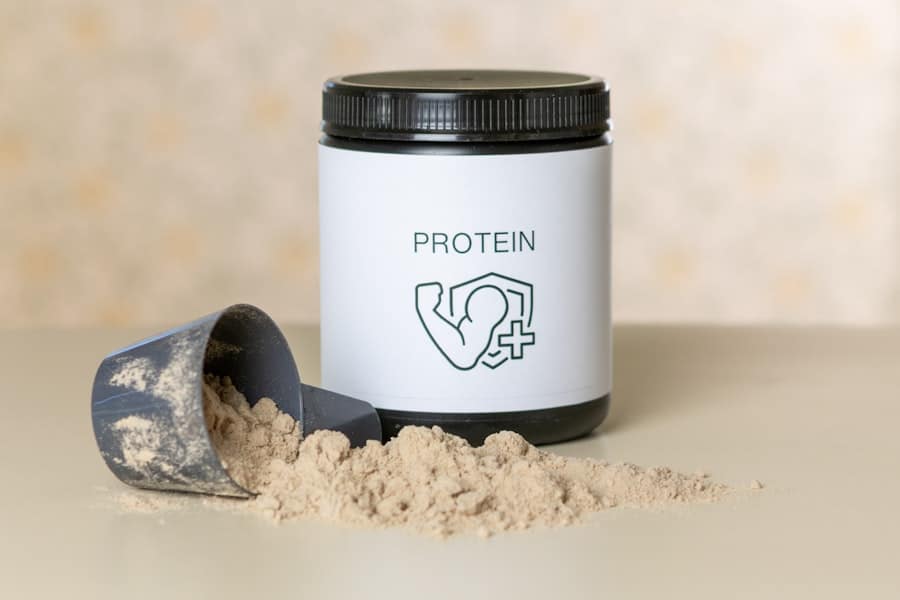
Determining the optimal amount of protein for individuals in ketosis can be complex and varies based on several factors, including age, sex, activity level, and overall health goals. Generally, a common recommendation for those following a ketogenic diet is to consume approximately 15-30% of total daily calories from protein sources. This typically translates to around 1.2 to 2.0 grams of protein per kilogram of body weight per day.
However, these figures can fluctuate based on individual needs and specific dietary goals. For example, an active individual or athlete may require higher protein intake to support muscle recovery and growth, while someone focused primarily on weight loss may benefit from a slightly lower intake to ensure they remain in ketosis without triggering gluconeogenesis. It is essential for individuals to monitor their body’s response to different levels of protein intake and adjust accordingly to find their personal sweet spot that supports both ketosis and overall well-being.
Best Sources of Protein for Ketosis
When selecting protein sources for a ketogenic diet, it is crucial to choose options that align with the dietary principles of low carbohydrate and high fat. Animal-based proteins such as meat, poultry, fish, and eggs are excellent choices due to their low carbohydrate content and high-quality amino acid profiles. For instance, fatty cuts of beef or pork not only provide ample protein but also contribute healthy fats that are beneficial for maintaining ketosis.
In addition to animal proteins, there are plant-based options that can fit into a ketogenic framework. While many plant proteins come with higher carbohydrate content, certain sources like hemp seeds, chia seeds, and soy products (such as tempeh) can be incorporated in moderation. These options not only provide protein but also offer additional nutrients such as fiber and healthy fats.
It is essential to be mindful of portion sizes when consuming plant-based proteins to ensure that carbohydrate intake remains within the desired range for ketosis.
Timing of Protein Intake for Ketosis
The timing of protein consumption can significantly influence its effectiveness in supporting ketosis. For individuals engaged in regular physical activity or strength training, consuming protein around workout times can enhance muscle recovery and growth while ensuring that energy levels remain stable. Pre- or post-workout meals rich in protein can help replenish amino acids needed for muscle repair without disrupting ketosis.
Additionally, spreading protein intake throughout the day rather than consuming it all in one meal can help maintain steady blood sugar levels and promote satiety. This approach can prevent spikes in insulin that may occur with large meals high in carbohydrates or sugars. By incorporating smaller amounts of protein at each meal or snack, individuals can better manage hunger and maintain their ketogenic state more effectively.
Protein Intake and Ketosis for Athletes
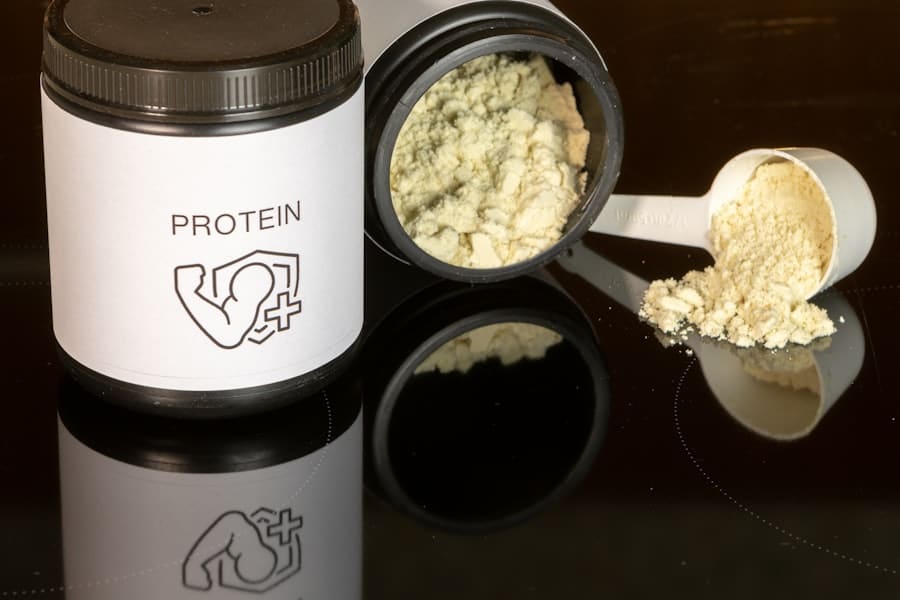
Athletes often have unique nutritional needs due to their increased physical demands. For those following a ketogenic diet, ensuring adequate protein intake becomes even more critical to support performance and recovery. Research suggests that athletes may benefit from higher protein consumption—ranging from 1.6 to 2.2 grams per kilogram of body weight—to preserve lean muscle mass while promoting fat oxidation during exercise.
Incorporating strategic protein timing around workouts can further enhance performance outcomes. Consuming a protein-rich meal or snack before exercise can provide the necessary amino acids for energy and muscle support during training sessions. Post-workout protein intake is equally important; it aids in muscle recovery and helps replenish glycogen stores when carbohydrates are limited.
Athletes must carefully balance their macronutrient ratios to ensure they remain in ketosis while meeting their performance goals.
Protein Intake and Ketosis for Weight Loss
For individuals aiming for weight loss through a ketogenic diet, managing protein intake is essential for achieving desired results without compromising muscle mass. A moderate protein intake can help facilitate fat loss while preserving lean tissue—a critical factor since muscle mass plays a significant role in metabolic rate. Studies have shown that higher protein diets can lead to greater weight loss compared to lower-protein diets due to increased satiety and thermogenesis.
Moreover, maintaining adequate hydration is vital during weight loss on a ketogenic diet. As the body transitions into ketosis, it tends to excrete more water and electrolytes, which can lead to dehydration if not properly managed. Ensuring sufficient protein intake alongside proper hydration can help mitigate some of these effects while supporting overall health during the weight loss journey.
Protein Intake and Ketosis for Muscle Maintenance
Muscle maintenance is a primary concern for many individuals on a ketogenic diet, particularly those who are physically active or engaged in resistance training. Adequate protein intake is crucial for preventing muscle breakdown during periods of caloric restriction or when carbohydrates are limited. Research indicates that consuming sufficient amounts of high-quality protein can stimulate muscle protein synthesis—a process essential for maintaining muscle mass.
Incorporating resistance training alongside an appropriate protein intake can further enhance muscle preservation during ketosis. Engaging in regular strength training not only helps maintain lean muscle but also promotes fat loss by increasing overall energy expenditure. By combining adequate protein consumption with resistance exercise, individuals can effectively support their muscle maintenance goals while adhering to a ketogenic lifestyle.
Protein Intake and Ketosis for Overall Health
Beyond its role in weight management and muscle preservation, adequate protein intake on a ketogenic diet contributes significantly to overall health. Proteins are vital for numerous bodily functions, including enzyme production, immune response regulation, and hormone synthesis. A well-balanced intake of high-quality proteins ensures that the body has the necessary building blocks to function optimally.
Furthermore, certain proteins contain essential amino acids that play critical roles in various physiological processes. For instance, leucine—a branched-chain amino acid found in high-protein foods—has been shown to stimulate muscle growth and repair effectively. By prioritizing diverse sources of protein within a ketogenic framework, individuals can enhance their overall health while enjoying the benefits associated with ketosis.
Potential Risks of Excessive Protein Intake in Ketosis
While adequate protein consumption is essential for those following a ketogenic diet, excessive intake can pose risks that may undermine the benefits of ketosis. One significant concern is gluconeogenesis—the process by which excess amino acids are converted into glucose—potentially leading to elevated blood sugar levels and disrupting the state of ketosis. This phenomenon can be particularly problematic for individuals who are sensitive to changes in blood glucose or those with metabolic disorders.
Additionally, high-protein diets may place stress on the kidneys over time, especially in individuals with pre-existing kidney conditions. The increased nitrogen load from metabolizing excess protein can lead to complications if not properly managed. Therefore, it is crucial for individuals on a ketogenic diet to monitor their protein intake carefully and ensure it aligns with their specific health needs while avoiding excessive consumption.
Consultation with a Healthcare Professional for Protein Intake in Ketosis
Given the complexities surrounding protein intake within a ketogenic framework, consulting with a healthcare professional or registered dietitian is highly advisable before making significant dietary changes. These experts can provide personalized guidance based on individual health status, activity level, and specific goals related to weight loss or muscle maintenance. A healthcare professional can also help monitor potential side effects associated with high-protein diets and ensure that nutritional needs are met without compromising overall health.
By working collaboratively with a knowledgeable expert, individuals can navigate the intricacies of protein intake within ketosis more effectively while optimizing their dietary approach for long-term success and well-being.
FAQs
What is ketosis?
Ketosis is a metabolic state in which the body burns fat for fuel instead of carbohydrates. This occurs when the body’s carbohydrate intake is very low, leading to the production of ketones as a byproduct of fat metabolism.
How does protein intake affect ketosis?
Consuming too much protein can potentially interfere with ketosis, as excess protein can be converted into glucose through a process called gluconeogenesis. This can raise blood sugar levels and inhibit the body’s ability to enter and maintain ketosis.
What is the recommended protein intake for ketosis?
The recommended protein intake for ketosis varies depending on individual factors such as age, weight, and activity level. In general, it is recommended to consume moderate amounts of protein, typically around 20-25% of total daily calories, to support ketosis.
What are some good sources of protein for ketosis?
Good sources of protein for ketosis include meat, poultry, fish, eggs, and low-carb dairy products such as cheese and Greek yogurt. Plant-based sources of protein such as tofu, tempeh, and seitan can also be included in a ketogenic diet.
Can I consume too little protein on a ketogenic diet?
Consuming too little protein on a ketogenic diet can lead to muscle loss and other negative health effects. It is important to ensure that you are meeting your body’s protein needs while following a ketogenic diet, but without consuming excessive amounts that could interfere with ketosis.





