The ketogenic diet, commonly referred to as the keto diet, is a high-fat, low-carbohydrate eating plan that has gained immense popularity in recent years. The primary goal of the keto diet is to shift the body’s metabolism from burning glucose, derived from carbohydrates, to burning ketones, which are produced from fat. This metabolic state, known as ketosis, occurs when carbohydrate intake is drastically reduced, typically to about 5-10% of total daily calories, while fat intake is increased to around 70-80%.
Protein intake is moderate, usually making up about 20-25% of total calories. This unique macronutrient distribution encourages the body to utilize fat as its primary energy source, leading to weight loss and various health benefits. The science behind the keto diet is rooted in its ability to alter the body’s energy pathways.
When carbohydrates are limited, insulin levels drop significantly, which facilitates fat breakdown and promotes the release of fatty acids from adipose tissue. These fatty acids are then converted into ketones in the liver, providing an alternative energy source for the brain and other tissues. This shift not only aids in weight loss but also has been linked to improved mental clarity, increased energy levels, and reduced hunger pangs.
As a result, many individuals find it easier to adhere to the diet over time compared to traditional calorie-restricted diets.
Key Takeaways
- The keto diet is a high-fat, low-carb diet that aims to put the body in a state of ketosis, where it burns fat for fuel.
- The keto diet can help reduce belly fat by targeting visceral fat, which is linked to various health issues.
- Foods to eat on a keto diet for a flat stomach include avocados, nuts, fatty fish, and low-carb vegetables.
- Foods to avoid on a keto diet for a flat stomach include sugary snacks, grains, starchy vegetables, and high-carb fruits.
- Exercise plays a crucial role in achieving a flat stomach on keto by enhancing fat burning and muscle toning.
How the Keto Diet Affects Belly Fat
Belly fat, or visceral fat, is often considered one of the most dangerous types of fat due to its association with various health issues, including heart disease, diabetes, and metabolic syndrome. The keto diet has shown promise in targeting this stubborn fat through its unique metabolic approach. By significantly reducing carbohydrate intake, the body is forced to tap into its fat reserves for energy.
This process not only helps in reducing overall body fat but also specifically targets visceral fat deposits around the abdomen. Research indicates that individuals following a ketogenic diet may experience a more pronounced reduction in belly fat compared to those on low-fat diets. A study published in the journal “Obesity” found that participants on a ketogenic diet lost more abdominal fat than those on a low-calorie diet over a 24-week period.
This effect can be attributed to several factors, including decreased insulin levels, which promote fat storage, and increased satiety from higher fat intake, leading to reduced overall calorie consumption. Furthermore, the anti-inflammatory properties of ketones may also play a role in reducing inflammation associated with visceral fat accumulation.
Foods to Eat on a Keto Diet for a Flat Stomach

When embarking on a ketogenic diet aimed at achieving a flat stomach, it is crucial to focus on nutrient-dense foods that align with the macronutrient ratios of the diet. Healthy fats should be the cornerstone of your meals. Avocados are an excellent choice due to their high monounsaturated fat content and fiber, which can aid in digestion and promote feelings of fullness.
Olive oil is another staple that can be used for cooking or as a salad dressing, providing heart-healthy fats that support overall health. In addition to healthy fats, incorporating low-carbohydrate vegetables is essential for maintaining nutritional balance while on keto. Leafy greens such as spinach, kale, and arugula are low in carbs and high in vitamins and minerals.
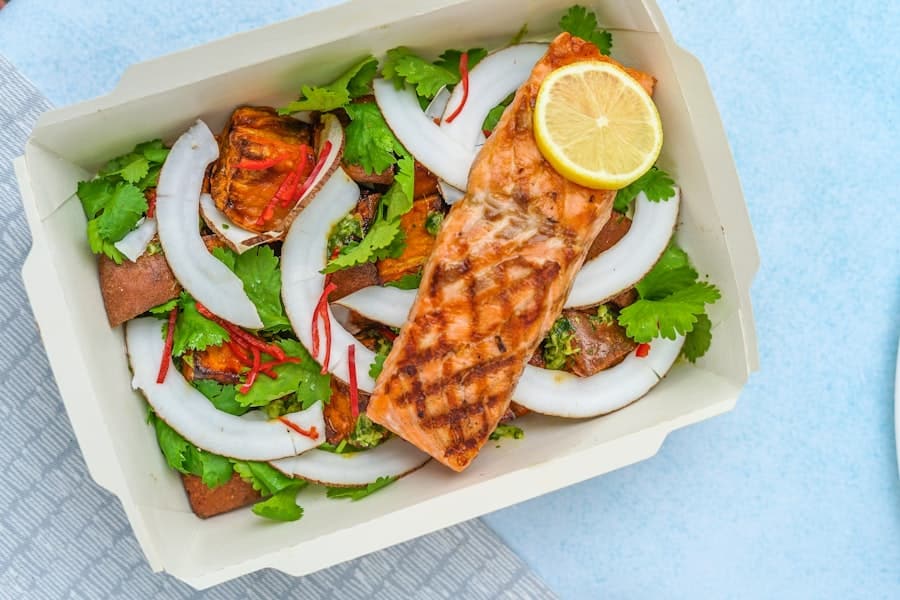
Cruciferous vegetables like broccoli and cauliflower are also great options; they can be used as substitutes for higher-carb foods like rice or potatoes. Protein sources should include fatty fish like salmon and mackerel, which are rich in omega-3 fatty acids and can help reduce inflammation. Eggs are another versatile protein source that can be prepared in various ways while providing essential nutrients.
Foods to Avoid on a Keto Diet for a Flat Stomach
To successfully navigate the keto diet and achieve a flat stomach, it is equally important to identify foods that should be avoided. High-carbohydrate foods are the primary culprits that can derail your progress. This includes sugary snacks and beverages such as candies, pastries, and sodas that can spike insulin levels and promote fat storage.
Grains and starchy foods like bread, pasta, rice, and potatoes should also be eliminated or severely restricted due to their high carbohydrate content. Processed foods often contain hidden sugars and unhealthy fats that can hinder weight loss efforts. Items such as chips, packaged snacks, and ready-to-eat meals should be avoided as they can lead to overeating and disrupt ketosis.
Additionally, certain fruits are high in sugar and should be limited; bananas, grapes, and apples are examples of fruits that can quickly increase carbohydrate intake. Instead, opt for berries like strawberries or raspberries in moderation, as they tend to have lower sugar content while still providing essential nutrients.
The Role of Exercise in Achieving a Flat Stomach on Keto
While dietary changes play a significant role in achieving a flat stomach on the keto diet, incorporating regular exercise is equally important for optimal results. Physical activity not only helps burn calories but also enhances metabolic health by improving insulin sensitivity and promoting muscle growth. Resistance training is particularly beneficial as it helps build lean muscle mass, which can increase resting metabolic rate and contribute to fat loss over time.
Cardiovascular exercises such as running, cycling, or swimming can also complement a ketogenic lifestyle by promoting overall cardiovascular health and aiding in calorie expenditure. Engaging in high-intensity interval training (HIIT) can be especially effective for those on a keto diet; this form of exercise alternates between short bursts of intense activity and periods of rest or lower intensity. HIIT has been shown to improve fat loss while preserving muscle mass, making it an ideal choice for individuals looking to achieve a flat stomach.
Tips for Success on a Keto Diet for a Flat Stomach
To maximize success on a keto diet aimed at achieving a flat stomach, several practical tips can be implemented. First and foremost, meal planning is essential for staying on track with macronutrient goals. Preparing meals in advance allows individuals to avoid impulsive food choices that may not align with their dietary objectives.
Utilizing apps or journals to track food intake can also provide valuable insights into eating patterns and help maintain accountability. Staying hydrated is another crucial aspect of success on the keto diet. Adequate water intake supports metabolic processes and helps mitigate some common side effects of transitioning into ketosis, such as fatigue or headaches.
Additionally, incorporating electrolytes—such as sodium, potassium, and magnesium—can help prevent imbalances that may occur during the initial stages of the diet. Lastly, finding a supportive community or accountability partner can provide motivation and encouragement throughout the journey.
Potential Pitfalls of the Keto Diet for a Flat Stomach
Despite its many benefits, the keto diet does come with potential pitfalls that individuals should be aware of when aiming for a flat stomach. One common issue is the “keto flu,” which refers to a collection of symptoms such as fatigue, irritability, and headaches that some people experience during the initial transition into ketosis. This phenomenon occurs as the body adapts to burning fat instead of carbohydrates and can be mitigated by ensuring adequate hydration and electrolyte intake.
Another challenge is the risk of nutrient deficiencies due to the restrictive nature of the diet. Since many fruits, whole grains, and legumes are eliminated or limited on keto, individuals may miss out on essential vitamins and minerals if they do not carefully select their food choices. It is vital to prioritize nutrient-dense foods within the allowed categories and consider supplementation if necessary.
Additionally, some individuals may find it difficult to maintain long-term adherence to such a restrictive eating plan; this can lead to cycles of yo-yo dieting that ultimately hinder progress toward achieving a flat stomach.
How to Overcome Plateaus on a Keto Diet for a Flat Stomach
Experiencing plateaus while following a keto diet can be frustrating but is not uncommon during weight loss journeys. When progress stalls, it may be necessary to reassess dietary habits and make adjustments to break through these barriers. One effective strategy is to evaluate macronutrient ratios; sometimes increasing protein intake or slightly adjusting fat consumption can reignite weight loss efforts without compromising ketosis.
Incorporating variations in exercise routines can also help overcome plateaus. If you have been following the same workout regimen for an extended period, your body may adapt to it, leading to diminished results. Introducing new forms of exercise or increasing workout intensity can stimulate muscle growth and enhance calorie burn.
Additionally, considering intermittent fasting techniques may provide further benefits by allowing your body extended periods without food intake, which can promote fat utilization.
Incorporating Intermittent Fasting with Keto for a Flat Stomach
Intermittent fasting (IF) has gained traction as an effective strategy for enhancing weight loss results when combined with the keto diet. This eating pattern involves cycling between periods of eating and fasting, which can help regulate insulin levels and promote fat burning. Common methods include the 16/8 approach—where individuals fast for 16 hours each day and eat within an 8-hour window—or alternate-day fasting.
The synergy between intermittent fasting and keto lies in their complementary effects on metabolism. During fasting periods, glycogen stores become depleted more rapidly, prompting the body to enter ketosis sooner than it might through dietary changes alone. This combination not only accelerates fat loss but also enhances mental clarity and energy levels during fasting periods due to stable ketone production.
However, it’s essential to listen to your body; if you feel fatigued or unwell during fasting periods, adjustments may be necessary.
Keto-Friendly Flat Stomach Recipes
Creating delicious meals that align with both keto principles and flat stomach goals can be enjoyable and satisfying. One popular recipe is zucchini noodles tossed with pesto sauce and grilled chicken; this dish provides healthy fats from olive oil and nuts while keeping carbohydrates low. Another option is cauliflower rice stir-fried with vegetables and shrimp; this dish mimics traditional fried rice without the added carbs.
For breakfast lovers seeking keto-friendly options, avocado egg boats are an excellent choice—halved avocados filled with eggs baked until set offer healthy fats along with protein for sustained energy throughout the morning. Additionally, chia seed pudding made with unsweetened almond milk provides fiber and healthy fats while being low in carbohydrates; it can be flavored with vanilla extract or topped with berries for added taste without compromising dietary goals.
Consulting a Professional for Personalized Keto Advice
While many individuals successfully navigate the keto diet independently, consulting with a healthcare professional or registered dietitian can provide personalized guidance tailored to individual needs and goals. A professional can help assess dietary habits, identify potential nutrient deficiencies, and create meal plans that align with personal preferences while ensuring nutritional adequacy. Moreover, professionals can offer support in managing any underlying health conditions that may impact dietary choices or weight loss efforts.
They can also provide strategies for overcoming challenges associated with adherence to the diet or navigating social situations where food choices may be limited. Ultimately, seeking expert advice can enhance the likelihood of achieving long-term success on a keto diet aimed at attaining a flat stomach while promoting overall health and well-being.
FAQs
What is the keto diet?
The keto diet is a high-fat, low-carbohydrate diet that has been shown to help with weight loss and improve overall health. It involves drastically reducing carbohydrate intake and replacing it with fat, which puts the body into a metabolic state called ketosis.
How does the keto diet help with achieving a flat stomach?
The keto diet can help with achieving a flat stomach by reducing overall body fat, particularly in the abdominal area. When the body is in ketosis, it becomes more efficient at burning fat for energy, including stubborn belly fat.
What foods are allowed on the keto diet?
Foods allowed on the keto diet include high-fat foods such as meat, fish, eggs, dairy, nuts, seeds, and healthy oils. Low-carbohydrate vegetables such as leafy greens, broccoli, and cauliflower are also included. Foods to avoid include high-carbohydrate foods such as grains, sugars, fruits, and starchy vegetables.
Are there any potential side effects of the keto diet?
Some potential side effects of the keto diet include initial fatigue, dizziness, headaches, and constipation as the body adjusts to using fat for fuel. It is important to stay hydrated and ensure adequate intake of electrolytes while on the keto diet.
Is the keto diet suitable for everyone?
The keto diet may not be suitable for everyone, particularly those with certain medical conditions such as pancreatitis, liver disease, or disorders of fat metabolism. It is important to consult with a healthcare professional before starting the keto diet, especially for those with existing health concerns.