
The ketogenic diet, commonly referred to as the keto diet, is a high-fat, low-carbohydrate eating plan that has gained immense popularity in recent years. At its core, the keto diet aims to shift your body’s metabolism from burning carbohydrates for energy to burning fat. This metabolic state is known as ketosis, where your body becomes highly efficient at burning fat for fuel.
By drastically reducing your carbohydrate intake and replacing it with healthy fats, you can encourage your body to enter this state, leading to potential weight loss and improved energy levels. As you embark on this dietary journey, it’s essential to understand the macronutrient breakdown that characterizes the keto diet. Typically, a standard keto diet consists of approximately 70-75% fats, 20-25% protein, and only about 5-10% carbohydrates.
This significant reduction in carbs forces your body to adapt and utilize fat stores for energy. However, this shift can be challenging at first, as your body may experience withdrawal symptoms from sugar and carbs. Understanding these dynamics will help you navigate the initial phases of the diet and set realistic expectations for your progress.
Key Takeaways
- The keto diet is a high-fat, low-carb diet that aims to put the body into a state of ketosis, where it burns fat for fuel instead of carbohydrates.
- While most fruits are high in carbohydrates, there are still low-carb options that can be incorporated into a keto diet in moderation.
- Low-carb fruits such as berries, avocados, and tomatoes can be enjoyed on the keto diet due to their lower sugar content.
- High-carb fruits like bananas, grapes, and mangoes should be avoided on the keto diet as they can easily exceed daily carb limits.
- Incorporating low-carb fruits into keto meal plans can add variety and essential nutrients while still maintaining ketosis.
The Role of Fruit in the Keto Diet
When you think about fruits, you might envision vibrant colors and refreshing flavors that are synonymous with health and vitality. However, in the context of the keto diet, fruits can be a bit of a double-edged sword. While they are packed with vitamins, minerals, and antioxidants, many fruits are also high in natural sugars and carbohydrates.
This can make it tricky to incorporate them into your meal plan without exceeding your daily carb limit. Despite these challenges, fruits can still play a role in a well-rounded keto diet if approached thoughtfully. They can provide essential nutrients that support overall health and well-being.
The key is to choose fruits wisely and consume them in moderation. By understanding which fruits are lower in carbohydrates and how they fit into your daily macros, you can enjoy the benefits of fruit without derailing your keto goals.
Low-Carb Fruits for Keto
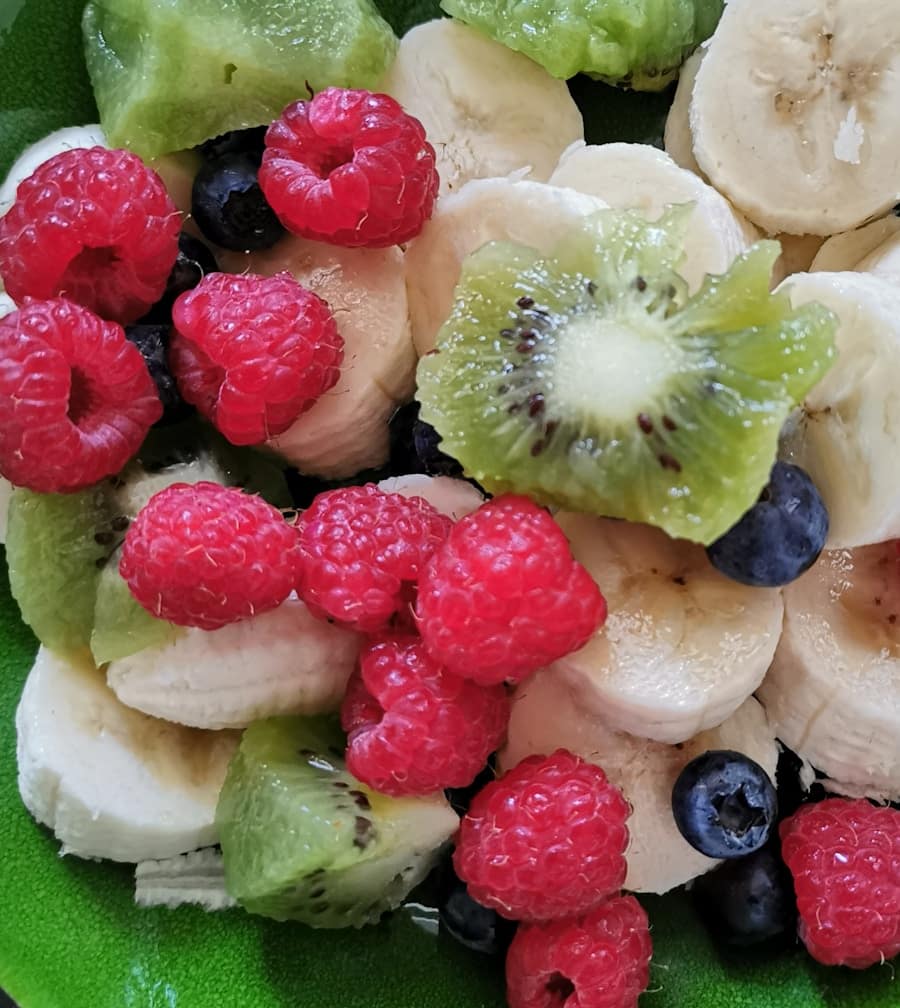
If you’re committed to maintaining a ketogenic lifestyle, you’ll be pleased to know that there are several low-carb fruits that you can enjoy without compromising your dietary goals. Berries, such as strawberries, raspberries, and blackberries, are excellent choices due to their relatively low sugar content compared to other fruits. For instance, a half-cup of raspberries contains only about 3 grams of net carbs, making them a delicious addition to smoothies or yogurt.
Another great option is avocados, which are technically a fruit but often categorized with vegetables due to their savory flavor profile. Avocados are not only low in carbs but also high in healthy fats and fiber, making them an ideal food for the keto diet. You can enjoy them sliced on salads or blended into creamy dressings.
Additionally, olives are another low-carb fruit that can add flavor and healthy fats to your meals while keeping your carb intake in check.
High-Carb Fruits to Avoid on Keto
While some fruits can fit into your keto meal plan, others should be avoided due to their high carbohydrate content. Bananas are a prime example; a medium-sized banana contains around 27 grams of carbs, which can quickly eat up your daily allowance on a strict keto diet. Similarly, grapes and cherries are also high in sugar and should be limited or eliminated from your diet if you want to stay in ketosis.
Other fruits to steer clear of include mangoes, pineapples, and apples.
It’s essential to familiarize yourself with the carbohydrate content of various fruits so that you can make informed choices when grocery shopping or dining out.
By avoiding high-carb fruits, you can maintain better control over your macronutrient ratios and support your journey toward ketosis.
How to Incorporate Fruit into a Keto Meal Plan
Incorporating fruit into your keto meal plan doesn’t have to be complicated; it just requires some creativity and planning. One effective way to enjoy low-carb fruits is by adding them to breakfast dishes. For example, you can top your morning omelet with sliced avocado or mix berries into a bowl of full-fat Greek yogurt for a satisfying start to your day.
Smoothies are another excellent option; by blending spinach with a handful of berries and unsweetened almond milk, you create a nutrient-dense drink that aligns with your dietary goals. Snacking is another opportunity to include fruit in your keto lifestyle. Instead of reaching for high-carb snacks like granola bars or chips, consider munching on a small serving of berries or olives.
You can also create fruit-infused water by adding slices of lemon or lime for a refreshing beverage that adds flavor without extra carbs. By being mindful of portion sizes and choosing low-carb options, you can enjoy the taste and benefits of fruit while staying within your dietary limits.
Balancing Fruit Consumption on Keto
Finding the right balance when it comes to fruit consumption on the keto diet is crucial for maintaining ketosis while still enjoying the flavors and nutrients that fruits offer. One effective strategy is to track your daily carbohydrate intake using apps or food journals. This will help you stay aware of how much fruit you’re consuming and ensure that it fits within your overall macro goals.
Another approach is to prioritize whole fruits over fruit juices or dried fruits, which often contain added sugars and higher concentrations of carbohydrates. Whole fruits provide fiber that helps slow down sugar absorption and keeps you feeling full longer. Additionally, consider incorporating fruit into meals rather than consuming it as standalone snacks; this way, you can better control portion sizes while enjoying the flavors alongside other keto-friendly foods.
Potential Benefits and Drawbacks of Eating Fruit on Keto
Eating fruit on a keto diet comes with both potential benefits and drawbacks that you should consider as you navigate this eating plan. On the positive side, fruits are rich in vitamins, minerals, and antioxidants that contribute to overall health. They can help support immune function, improve digestion, and provide energy through their natural sugars—when consumed in moderation.
However, the primary drawback lies in their carbohydrate content. Even low-carb fruits can add up quickly if not monitored carefully. This could potentially hinder your ability to maintain ketosis if you consume too much at once or choose higher-carb options inadvertently.
Additionally, some individuals may find that certain fruits trigger cravings for more sugary foods or lead to overeating due to their sweet taste.
Making Informed Choices about Fruit on Keto
In conclusion, navigating the world of fruit while following a ketogenic diet requires careful consideration and informed choices. By understanding which fruits are low in carbohydrates and how they fit into your overall meal plan, you can enjoy the benefits of these nutrient-rich foods without compromising your dietary goals. Remember that moderation is key; even low-carb fruits should be consumed mindfully to ensure they don’t disrupt your progress toward ketosis.
As you continue on your keto journey, take the time to experiment with different low-carb fruits and find creative ways to incorporate them into your meals. Whether it’s through smoothies, salads, or snacks, there are plenty of opportunities to enjoy fruit while adhering to your dietary restrictions. Ultimately, making informed choices about fruit consumption will empower you to maintain a balanced approach to the keto diet while still savoring the flavors of nature’s bounty.
FAQs
What is the keto diet?
The keto diet is a high-fat, low-carbohydrate diet that has been shown to help with weight loss and improve certain health conditions. It involves drastically reducing carbohydrate intake and replacing it with fat, putting the body into a metabolic state called ketosis.
Can you eat fruit on the keto diet?
Fruits are generally high in carbohydrates, particularly natural sugars like fructose, which can make it challenging to fit them into a strict keto diet. However, small portions of certain fruits that are lower in carbs, such as berries, can be incorporated into a keto diet in moderation.
What are some keto-friendly fruits?
Some keto-friendly fruits include berries such as strawberries, blueberries, and raspberries, as they are lower in carbohydrates compared to other fruits. Avocados, while not a traditional fruit, are also a good option for the keto diet due to their high fat content and low carbohydrate content.
How much fruit can you eat on the keto diet?
The amount of fruit that can be consumed on the keto diet depends on individual carbohydrate tolerance and daily carb limits. It is important to track the carb content of fruits and incorporate them into the overall daily carb allowance to maintain ketosis.
What are the potential drawbacks of eating fruit on the keto diet?
Eating too much fruit, even low-carb options, can potentially hinder ketosis and slow down weight loss on the keto diet. It is important to be mindful of portion sizes and choose fruits that are lower in carbohydrates to minimize the impact on ketosis.





