
Are you considering starting a keto diet but feeling overwhelmed by the amount of information out there? Look no further. The Ultimate Guide to Keto Diet Essentials is here to help you navigate the ins and outs of this popular diet trend. From understanding what the keto diet is all about to learning the essential foods to stock in your pantry, this comprehensive guide has got you covered. Whether you’re a beginner or a seasoned keto enthusiast, this article will provide you with all the necessary information to embark on a successful keto journey. So, let’s get started and make your keto experience a breeze!
The Ultimate Guide to Keto Diet Essentials
Welcome to “The Ultimate Guide to Keto Diet Essentials”! If you’re looking to embark on a journey towards a healthier lifestyle and want to adopt the ketogenic diet, you’ve come to the right place. This comprehensive guide will provide you with all the information you need to get started and thrive on the keto diet.
Benefits of the Keto Diet
The keto diet has gained popularity for several reasons, and it’s not just about weight loss. While shedding those extra pounds is a common goal, the benefits of the keto diet go beyond that. Here are some of the key advantages you can expect from following a keto lifestyle:
Weight Loss
One of the primary reasons people turn to the keto diet is for weight loss. By significantly reducing your carbohydrate intake and replacing it with healthy fats and proteins, your body enters a state of ketosis, where it begins burning stored fat for energy. This can lead to substantial weight loss over time.
Increased Energy Levels
When you’re in ketosis, your body becomes more efficient at utilizing fat for energy. This can result in increased energy levels throughout the day, allowing you to feel more productive and vibrant.
Improved Mental Focus
Many keto dieters report improved mental clarity and focus. By providing your brain with a steady supply of ketones, the primary fuel source on a ketogenic diet, you may experience enhanced cognitive function and mental performance.
Reduced Inflammation
Inflammation is an underlying factor in many chronic diseases. The keto diet has been shown to reduce inflammation markers in the body, potentially improving conditions like arthritis, asthma, and other inflammatory disorders.
Better Blood Sugar Control
The keto diet can be especially beneficial for individuals with type 2 diabetes or insulin resistance. By minimizing carbohydrate intake, blood sugar levels become more stable, reducing the need for insulin and promoting better blood sugar control.
Getting Started with the Keto Diet
Before diving into the keto diet, it’s essential to understand the basics and set yourself up for success. Here’s what you need to know to get started:
Understanding Ketosis
Ketosis is a metabolic state in which your body switches from using glucose as its primary source of fuel to utilizing ketones derived from fat. By minimizing carb intake and consuming moderate amounts of protein, you encourage your body to enter ketosis and become a fat-burning machine.
Calculating Macros
To ensure you’re following the keto diet correctly, you’ll need to calculate your macronutrient ratios. The typical breakdown for a ketogenic diet is around 70% of calories from healthy fats, 25% from protein, and only 5% from carbohydrates.
Eliminating Carbohydrates
The key to achieving ketosis is to significantly reduce your carbohydrate intake. Aim to consume no more than 20-50 grams of net carbs per day. This means subtracting the fiber content from the total number of carbohydrates in a food item.
Including Healthy Fats and Proteins
Since carbohydrates make up such a small percentage of your daily intake on the keto diet, fats and proteins become your new best friends. Focus on consuming sources of healthy fats like avocado, olive oil, and fatty fish, and include adequate amounts of protein from sources such as meat, poultry, and tofu.
Transitioning into Ketosis
As your body adapts to the keto diet, you may experience some symptoms known as the “keto flu.” This is a temporary period during which you may feel fatigued, irritable, and experience headaches. Increasing your water intake, consuming enough electrolytes, and managing your expectations can all help ease this transition period.
Planning Your Keto Diet
Proper planning is essential when starting any new eating regimen, and the keto diet is no exception. Here are some key steps to help you plan your keto meals effectively:
Set Goals and Track Progress
Before beginning your keto journey, it’s crucial to set realistic goals and establish ways to measure your progress. Whether your aim is weight loss, improved health markers, or increased energy, having clear goals in mind will help you stay motivated and focused.
Identify Keto-Friendly Foods
Make a comprehensive list of keto-friendly foods to have on hand when planning your meals. Focus on whole, unprocessed foods that are low in carbs but high in healthy fats and proteins. Having a variety of options will help you create exciting and enjoyable meals.
Create a Meal Plan
Meal planning is a crucial aspect of staying on track with the keto diet. Plan your meals in advance, considering your macronutrient ratios and the foods you have available. This will help streamline your grocery shopping and ensure you have nutritious meals ready to go throughout the week.
Consider Meal Prepping
Meal prepping can be a game-changer on the keto diet. Allocate some time each week to prepare and portion your meals in advance. Investing in meal prep containers will keep your food organized and easily accessible, making it simpler to stick to your keto plan.
Grocery Shopping for Keto Diet
As a keto dieter, grocery shopping will become an important part of your routine. To make your keto shopping trips a success, keep these tips in mind:
Make a Keto Shopping List
Before heading to the grocery store, create a list of all the keto-friendly items you need. Having a list ensures you won’t forget anything and helps you resist temptations, sticking to your keto plan.
Choose Quality Foods
When selecting foods for your keto lifestyle, opt for quality over quantity. Look for organic, grass-fed meats, wild-caught seafood, and non-GMO produce. By choosing high-quality ingredients, you support your health and well-being.
Read Labels and Ingredients
To ensure the foods you purchase align with the keto diet, become a label detective. Pay attention to the carbohydrate content, added sugars, and artificial additives. Avoid products that contain hidden carbs or ingredients that may kick you out of ketosis.
Shop the Perimeter of the Store
Most grocery stores organize their layout so that fresh foods like produce, meats, and dairy are located on the perimeter. Fill your cart with these nutrient-dense, keto-friendly options, and limit your time in the aisles containing processed and high-carb products.
Keto-Friendly Foods
Now let’s explore the wide range of keto-friendly foods you can enjoy on your ketogenic journey. Incorporating these foods into your diet will not only keep you in a state of ketosis but also provide you with essential nutrients:
Meats and Poultry
Meats and poultry are excellent sources of protein and healthy fats with minimal to no carbs. Opt for grass-fed beef, pasture-raised chicken, and organic cuts whenever possible. Lean options like turkey and chicken breast are also keto-friendly choices.
Fish and Seafood
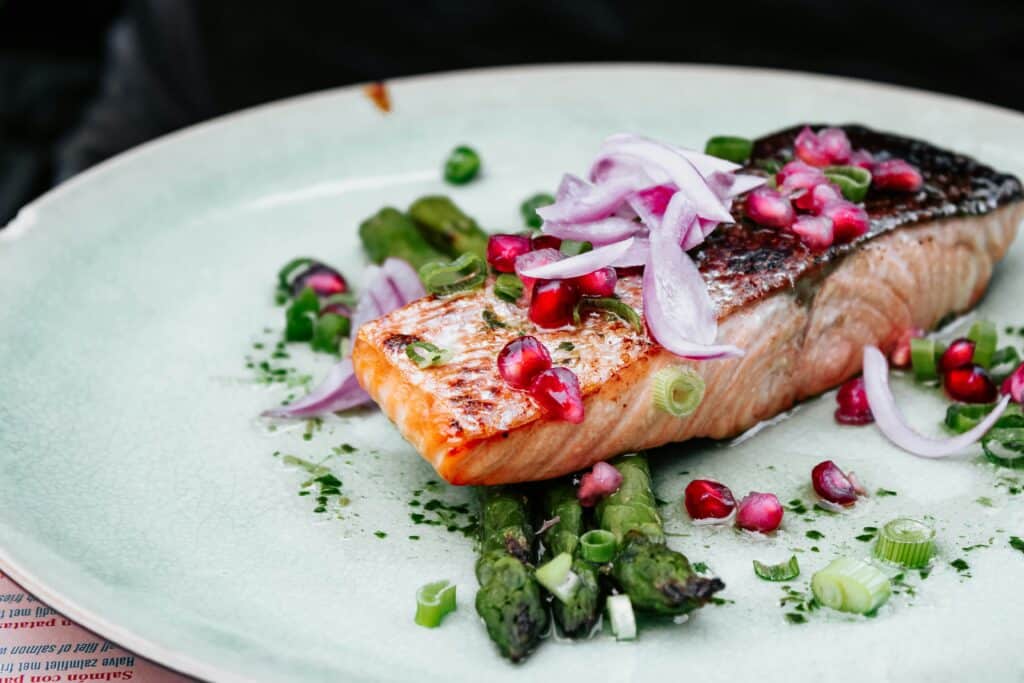
Fish and seafood are packed with heart-healthy omega-3 fatty acids and are low in carbs. Fatty fish like salmon, mackerel, and sardines are especially beneficial. Enjoy shrimp, scallops, and other shellfish for variety in your meals.
Eggs and Dairy Products
Eggs are a keto staple, offering protein and healthy fats. Dairy products like cheese, butter, and heavy cream can also be enjoyed in moderation. Choose full-fat options for the greatest keto benefits.
Vegetables and Leafy Greens
While some vegetables are higher in carbs, there is still a wide range of keto-friendly options. Leafy greens like spinach, kale, and lettuce are incredibly low in carbs and rich in essential vitamins and minerals. Other low-carb vegetables include broccoli, cauliflower, zucchini, and bell peppers.
Nuts and Seeds
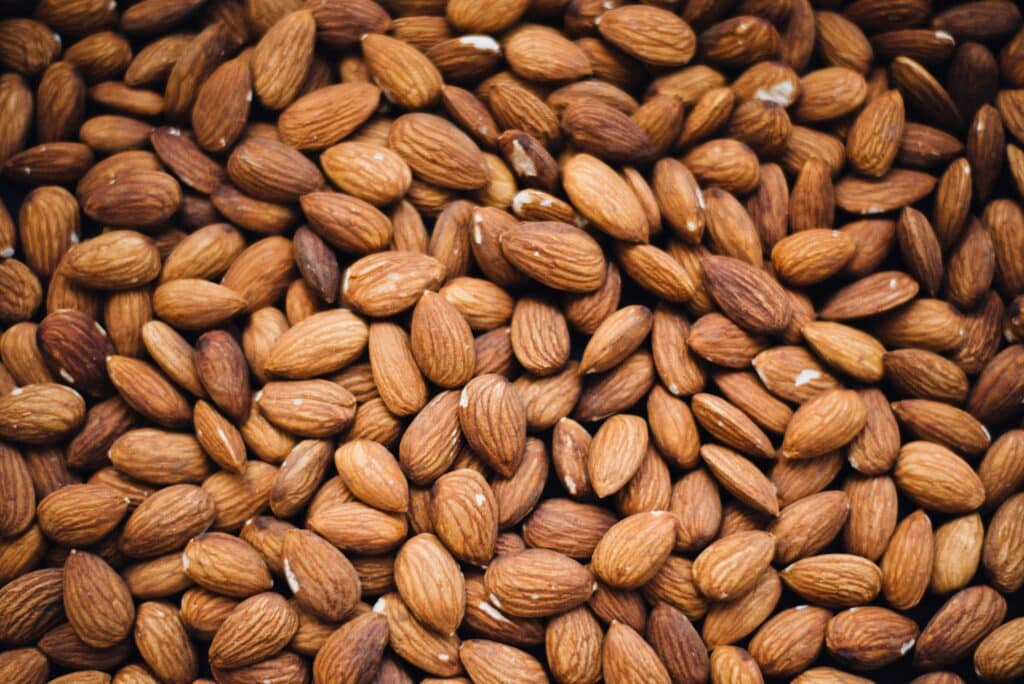
Nuts and seeds provide a satisfying crunch and are packed with healthy fats and protein. Almonds, walnuts, chia seeds, and flaxseeds are some excellent choices. Keep in mind portion sizes, as these foods can be calorie-dense.
Healthy Oils and Fats
Healthy oils and fats are essential for the keto diet. Olive oil, coconut oil, avocado oil, and ghee are great options for cooking and dressing your meals. Don’t shy away from consuming avocados, as they are an excellent source of healthy fats.
Stay tuned for the second part of this ultimate guide, where we’ll delve into keto-friendly snacks, beverages, meal prep tips, cooking and recipes, and the role of supplements on the keto diet. The journey to a healthier and more vibrant you starts with the essential knowledge and tools to succeed on the keto diet!


