
If you’re curious about the Keto diet and looking for some practical examples, you’ve come to the right place! This article will provide you with a range of Keto diet examples to help you understand how it works and inspire you to embark on this low carb, high fat journey. From breakfast to dinner, we’ll explore delicious and satisfying options that will keep your taste buds happy while keeping you in ketosis. Let’s get started and discover the exciting world of Keto diet examples!
What is a Keto Diet?
A keto diet, short for ketogenic diet, is a low-carb, high-fat diet that has been gaining popularity in recent years. The main goal of a keto diet is to shift the body’s metabolism from burning carbohydrates for fuel to burning fat. This process, known as ketosis, occurs when the body’s carbohydrate intake is significantly reduced, and the body begins to produce ketones for energy.
Definition of a keto diet
A keto diet is typically characterized by a low-carbohydrate intake, usually around 20 to 50 grams per day, and a high-fat intake, making up about 70 to 75% of daily calories. The reduced carbohydrate intake puts the body into a state of ketosis, where ketones are produced in the liver from the breakdown of fats. This metabolic state helps the body burn fat for energy instead of carbohydrates.
Benefits of a keto diet
There are several potential benefits associated with following a keto diet:
-
Weight loss: One of the primary reasons people adopt a keto diet is for weight loss. By limiting carbohydrate intake and increasing fat consumption, the body is encouraged to use stored fat as fuel, leading to weight loss.
-
Improved insulin sensitivity: Keto diets may help improve insulin sensitivity in individuals with diabetes or insulin resistance. By reducing carbohydrate intake, blood sugar levels can become more stable.
-
Increased energy levels: Many people on a keto diet report increased energy levels and improved mental clarity. This may be due to a more stable blood sugar and a steady supply of energy from fat.
-
Reduced inflammation: Some studies suggest that a keto diet may have anti-inflammatory effects, potentially reducing inflammation in the body and improving symptoms of conditions such as arthritis.
-
Epilepsy management: The keto diet has long been used as a therapeutic approach for managing epilepsy, particularly in children. It has shown significant success in reducing seizures in some individuals.
-
Heart health: While the keto diet is high in fat, it typically promotes the consumption of healthy fats such as avocados, nuts, and olive oil. This can help improve heart health by increasing levels of HDL (good) cholesterol while reducing levels of LDL (bad) cholesterol.
How a keto diet works
A keto diet works by drastically reducing carbohydrate intake and replacing it with fat. Generally, the macronutrient breakdown for a keto diet is 70-75% fat, 20-25% protein, and 5-10% carbohydrates. This low-carb, high-fat approach forces the body to switch from using carbohydrates as its main fuel source to using fat for energy.
When carbohydrate intake is limited, the body’s glycogen stores are depleted, and blood sugar levels drop. As a result, the liver starts producing ketones from fatty acids. Ketones then become the primary source of energy for the body, including the brain. This metabolic shift is what leads to the benefits associated with a keto diet, such as weight loss and increased energy levels.
Food Categories in a Keto Diet
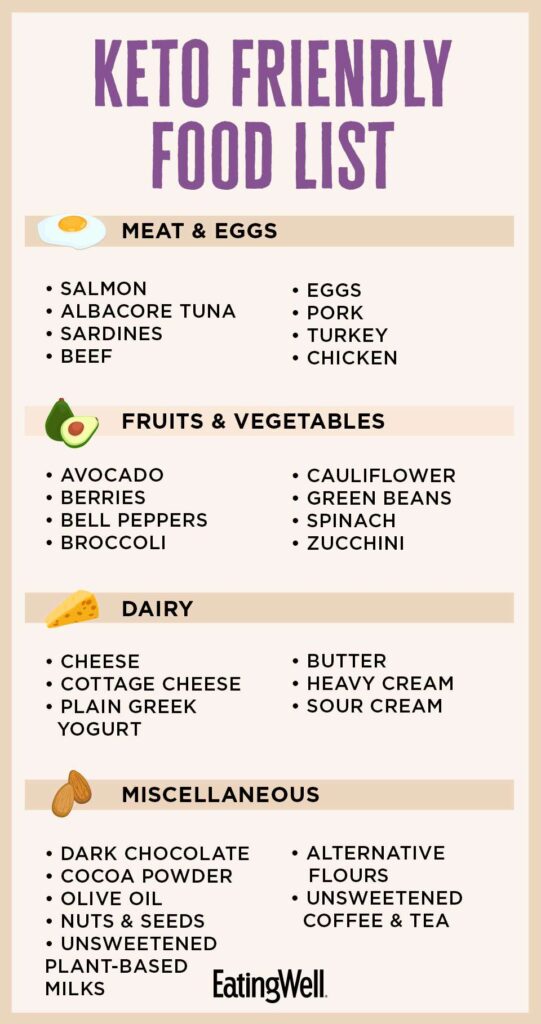
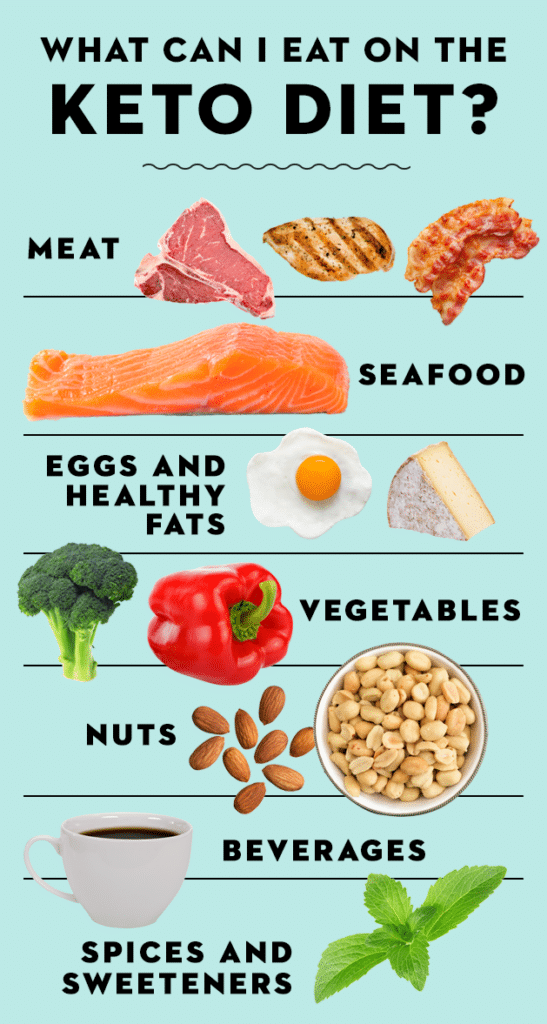
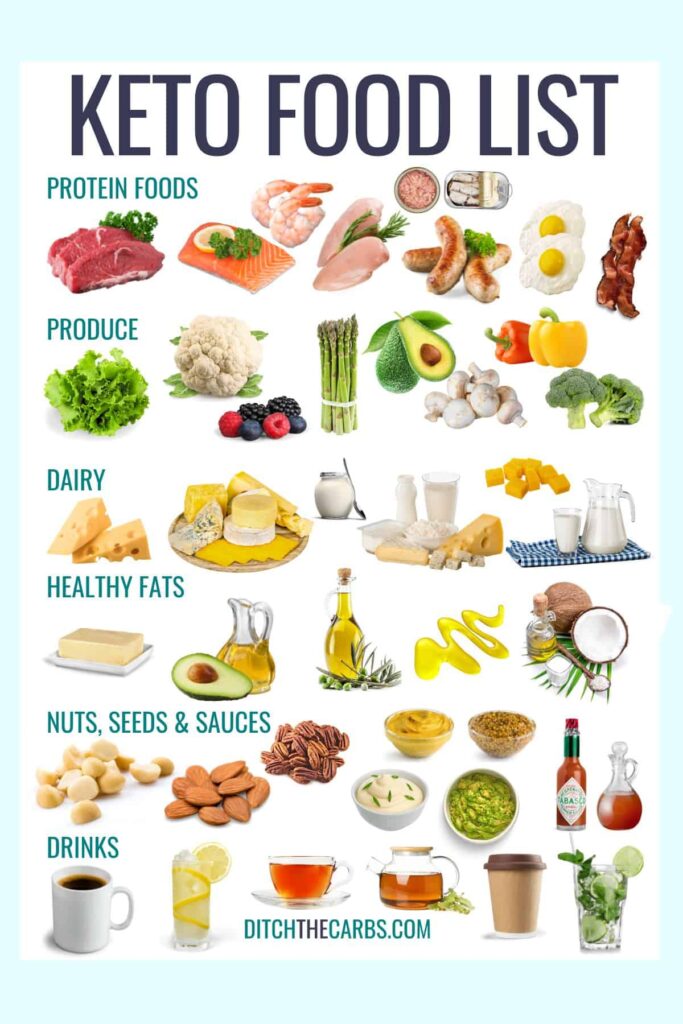
When following a keto diet, it is important to understand which foods are allowed and which should be limited or avoided. Here are the main food categories in a keto diet:
High-Fat Foods
High-fat foods are a staple in a keto diet, as they provide the majority of the calories and help keep you satiated. Examples of high-fat foods include butter, coconut oil, avocado, nuts, and seeds.
Low-Carb Vegetables
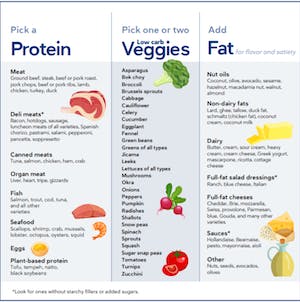
Low-carb vegetables are an excellent source of essential vitamins and minerals while being low in carbohydrates. Examples of low-carb vegetables include leafy greens (spinach, kale), broccoli, cauliflower, zucchini, and bell peppers.
Protein Sources
Protein is an important component of a balanced diet and is necessary for maintaining muscle mass. Good sources of protein on a keto diet include meat (such as beef, chicken, and pork), seafood (such as salmon and shrimp), and eggs.
Dairy Products
Dairy products can be consumed in moderation on a keto diet, but it is essential to choose full-fat options. Examples of keto-friendly dairy products include cheese, heavy cream, and Greek yogurt.
Nuts and Seeds
Nuts and seeds are a convenient and portable snack option on a keto diet. They are high in healthy fats and provide a good source of fiber. Some examples of keto-friendly nuts and seeds include almonds, walnuts, chia seeds, and flaxseeds.
Fats and Oils
In addition to the naturally occurring fats from high-fat foods, it is common to incorporate additional fats and oils into a keto diet for cooking and flavoring. Examples of keto-friendly fats and oils include olive oil, coconut oil, and avocado oil.
Sample Keto Meal Plans
Following a keto diet doesn’t have to be overwhelming. Here are five sample meal plans that showcase the variety and flexibility of a keto diet:
Standard Ketogenic Diet (SKD)
- Breakfast: Avocado and bacon omelet
- Lunch: Grilled chicken salad with avocado
- Dinner: Baked salmon with broccoli and cheese
- Snacks: Keto fat bombs, cheese crisps
Cyclical Ketogenic Diet (CKD)
- Day 1: Standard ketogenic diet
- Day 2: High-carb refeed day
- Day 3-6: Standard ketogenic diet
- Day 7: High-carb refeed day
Targeted Ketogenic Diet (TKD)
- Pre-workout: Small serving of fast-digesting carbohydrates
- Breakfast: Spinach and feta scramble
- Lunch: Cauliflower fried rice with protein source
- Dinner: Stuffed bell peppers
- Snacks: Mixed nuts, celery and almond butter
High-Protein Ketogenic Diet
- Breakfast: Egg white omelet with vegetables
- Lunch: Grilled chicken breast with a side of non-starchy vegetables
- Dinner: Beef stir-fry with vegetables
- Snacks: Hard-boiled eggs, cheese crisps
Vegetarian Keto Diet
- Breakfast: Coconut flour pancakes
- Lunch: Zucchini noodles with pesto
- Dinner: Cauliflower crust pizza
- Snacks: Cheese crisps, mixed nuts
These sample meal plans demonstrate the versatility of a keto diet, catering to different dietary preferences and goals. It is essential to remember that individual nutritional needs may vary, and it is always advisable to consult with a healthcare professional or registered dietitian before making any significant dietary changes.
Breakfast Keto Diet Examples
Starting your day off with a satisfying and delicious keto-friendly breakfast can set the tone for a successful day of healthy eating. Here are five breakfast keto diet examples to inspire your morning meals:
Avocado and Bacon Omelet
This hearty omelet combines creamy avocado, crispy bacon, and gooey cheese for a filling breakfast option. Simply whisk together eggs, season with salt and pepper, then cook in a hot skillet until slightly set. Add cooked bacon, diced avocado, and shredded cheese to one half of the omelet, then fold over and cook until the cheese is melted.
Coconut Flour Pancakes
For those missing traditional pancakes on a keto diet, these coconut flour pancakes are a game-changer. Made with coconut flour, eggs, almond milk, and a touch of sweetener, these pancakes are light, fluffy, and packed with coconut flavor. Serve with a dollop of sugar-free whipped cream and sprinkle with toasted coconut flakes.
Spinach and Feta Scramble
This quick and easy scrambled egg recipe is loaded with nutrient-dense spinach and tangy feta cheese. Simply sauté fresh spinach in a skillet until wilted, then add beaten eggs and crumbled feta cheese. Cook until the eggs are set to your desired level of doneness, then season with salt and pepper.
Keto Smoothie Bowl
For a refreshing and nourishing breakfast option, try a keto smoothie bowl. Blend together unsweetened almond milk, frozen berries, spinach, and a scoop of your favorite keto-friendly protein powder. Pour the smoothie into a bowl and top with sliced almonds, shredded coconut, and chia seeds for added texture and crunch.
Smoked Salmon and Cream Cheese Roll-Ups
If you prefer a savory breakfast, these smoked salmon and cream cheese roll-ups are the perfect choice. Spread a layer of cream cheese onto thin slices of smoked salmon, then roll them up and secure with toothpicks. Serve with a side of cucumber slices and fresh dill for a delicious and elegant breakfast.
With these breakfast keto diet examples, you can start your day off on the right foot, fueling your body with nutrient-dense and delicious meals.
Lunch Keto Diet Examples
When it comes to lunchtime, a keto diet offers a wide range of options that are both satisfying and flavorful. Here are five lunch keto diet examples to inspire your midday meals:
Grilled Chicken Salad with Avocado
This refreshing and filling salad combines grilled chicken breast, mixed greens, cherry tomatoes, cucumber, and avocado. Drizzle with a homemade vinaigrette made with olive oil, lemon juice, Dijon mustard, and your favorite herbs. This colorful salad provides a perfect balance of protein, healthy fats, and fiber.
Cauliflower Fried Rice
Put a keto twist on a classic Chinese dish with this cauliflower fried rice recipe. Simply pulse cauliflower florets in a food processor until they resemble rice grains. Sauté the cauliflower “rice” with vegetables of your choice, such as carrots, peas, and green onions, then stir in cooked shrimp or chicken for added protein. Season with soy sauce, sesame oil, and a sprinkle of sesame seeds.
Taco Lettuce Wraps
Enjoy the flavors of a taco without the added carbohydrates by using lettuce leaves instead of tortillas. Cook ground beef or turkey with your favorite taco seasonings, then spoon the meat mixture onto large lettuce leaves. Top with diced tomatoes, shredded cheese, and a dollop of sour cream for a delicious and satisfying lunch option.
Zucchini Noodles with Pesto
Swap out traditional pasta for zucchini noodles, or “zoodles,” for a light and refreshing lunch option. Use a spiralizer or julienne peeler to create thin strands of zucchini. Sauté the zoodles in a skillet with olive oil until tender, then toss with homemade pesto sauce. Top with grated Parmesan cheese and pine nuts for added flavor and texture.
Egg Salad Lettuce Wraps
Egg salad is a classic lunchtime favorite, and it can easily be made keto-friendly by serving it in lettuce wraps instead of bread. Combine hard-boiled eggs, mayonnaise, Dijon mustard, diced celery, and chopped fresh herbs for a flavorful egg salad. Spoon the egg salad onto large lettuce leaves, then roll them up for a satisfying and portable lunch.
These lunch keto diet examples demonstrate that there are plenty of delicious and nutritious options available to keep you satisfied while following a keto diet.
Dinner Keto Diet Examples
Maintaining a ketogenic diet for dinner can be a flavorful and enjoyable experience. Here are five dinner keto diet examples to inspire your evening meals:
Baked Salmon with Broccoli and Cheese
This simple and nutritious dinner option features oven-baked salmon fillets paired with steamed broccoli and a generous sprinkle of shredded cheddar cheese. Season the salmon with lemon juice, garlic powder, and dill, then bake until cooked through. Steam the broccoli until tender, then top with the melted cheese for a delicious side.
Cauliflower Crust Pizza
Who says you can’t enjoy pizza on a keto diet? This cauliflower crust pizza recipe offers a low-carb alternative to traditional pizza crust. Simply pulse cauliflower florets in a food processor, then mix with eggs, cheese, and spices to form a dough. Press the dough onto a baking sheet, then bake until golden and crispy. Top with your favorite keto-friendly toppings such as pepperoni, mushrooms, and mozzarella cheese.
Stuffed Bell Peppers
These hearty stuffed bell peppers are packed with ground beef or turkey, cauliflower rice, diced tomatoes, and a blend of spices. Cut the tops off the bell peppers, remove the seeds and membranes, then stuff them with the meat and cauliflower rice mixture. Bake until the peppers are tender and the filling is cooked through.
Beef Stir-Fry with Vegetables
For a quick and flavorful dinner option, whip up a beef stir-fry with an array of colorful vegetables. Slice beef into thin strips, then stir-fry in a hot skillet with vegetables such as bell peppers, broccoli, and snow peas. Season with soy sauce, garlic, and ginger for an Asian-inspired flavor profile.
Garlic Butter Shrimp with Zucchini Noodles
This garlic butter shrimp with zucchini noodles is a light and satisfying dinner option. Sauté shrimp in garlic-infused butter until cooked through, then toss with zucchini noodles. Squeeze fresh lemon juice over the top, sprinkle with parsley, and season with salt and pepper for a refreshing and flavorful meal.
Dinner on a keto diet doesn’t have to be difficult or bland. These dinner keto diet examples showcase the variety and deliciousness that can be enjoyed while adhering to a ketogenic lifestyle.
Snack Keto Diet Examples
Snacking is a natural part of any diet, and even on a keto diet, there are plenty of tasty and satisfying snack options to choose from. Here are five snack keto diet examples to curb those cravings:
Keto Fat Bombs
Keto fat bombs are a popular snack option among followers of a ketogenic diet. These small, high-fat treats are typically made with ingredients such as coconut oil, nut butter, and cocoa powder. They provide a quick energy boost and contribute to your daily fat intake. Popular flavors include chocolate, peanut butter, and coconut.
Celery and Almond Butter
Celery sticks paired with almond butter make for a satisfying and crunchy snack that is perfect for a keto diet. The celery adds a refreshing and hydrating element, while the almond butter provides healthy fats and a creamy texture. Spread almond butter onto celery sticks and enjoy a satisfying and low-carb snack.
Cheese Crisps
Cheese crisps are a simple and delicious option for a savory keto snack. Place thin slices of cheese, such as cheddar or parmesan, on a baking sheet lined with parchment paper. Bake in the oven until the cheese is melted and crispy. Allow them to cool before enjoying these crunchy, low-carb snacks.
Hard-Boiled Eggs
Hard-boiled eggs are a quick and nutritious snack that is high in protein and low in carbohydrates. They can be prepared ahead of time and stored in the refrigerator for easy access. Sprinkle with salt and pepper for a simple and satisfying snack.
Mixed Nuts
Nuts are a convenient and nutrient-dense snack option for a keto diet. Opt for varieties such as almonds, macadamia nuts, and walnuts, as they are lower in carbohydrates and higher in healthy fats. Just be mindful of portion sizes, as nuts are calorie-dense. Enjoy a handful of mixed nuts to keep you satisfied between meals.
These snack keto diet examples provide a variety of options to keep you satiated throughout the day without compromising your ketogenic goals.
Dessert Keto Diet Examples
Satisfying your sweet tooth while following a keto diet is entirely possible with these delicious and guilt-free dessert options. Here are five dessert keto diet examples to indulge in:
Keto Chocolate Mousse
Indulge in a creamy and rich chocolate mousse without the added sugars and carbohydrates. Combine heavy cream, cocoa powder, and your preferred sugar substitute in a bowl. Whip until light and fluffy, then spoon into individual dishes and refrigerate until set. Top with a dollop of whipped cream and a sprinkle of cocoa powder.
Strawberry Cheesecake Fat Bombs
These strawberry cheesecake fat bombs are a tasty and satisfying treat for keto dieters. Blend cream cheese, strawberries, and a sweetener of your choice until smooth. Pour the mixture into small silicone molds, then freeze until firm. These fat bombs are a delicious bite-sized dessert option packed with flavor.
Coconut Flour Brownies
Coconut flour brownies offer a decadent and fudgy dessert option for those following a keto diet. Mix together coconut flour, cocoa powder, sweetener, eggs, melted butter, and a touch of vanilla extract. Pour the batter into a greased baking dish and bake until set. Allow to cool before cutting into squares and enjoying a rich and chocolaty treat.
Avocado Lime Cheesecake
An avocado lime cheesecake offers a refreshing and tangy twist on traditional cheesecake. Blitz avocado, cream cheese, lime juice, and a sweetener of your choice in a blender until smooth. Pour the mixture into a prepared crust made from almond flour or ground nuts, then refrigerate until set. Top with whipped cream and lime zest for an eye-catching dessert.
Peanut Butter Cookies
Enjoy the classic combination of peanut butter and chocolate with these simple and delicious peanut butter cookies. Mix together peanut butter, sweetener, and an egg until a dough forms. Roll the dough into balls, then press with a fork to achieve the classic crisscross pattern. Bake until golden brown, then allow to cool before devouring these chewy and satisfying cookies.
These dessert keto diet examples prove that you don’t have to sacrifice sweet treats while following a ketogenic lifestyle. Just be mindful of portion sizes and choose ingredients that align with your dietary goals.
Supplementing a Keto Diet
While a well-planned keto diet can provide all the necessary nutrients, some individuals may choose to supplement their diet to address specific needs or deficiencies. Here are five common supplements that individuals following a keto diet may consider:
Electrolyte Supplements
When following a keto diet, the body may excrete more electrolytes than usual, leading to potential electrolyte imbalances. Supplementing with electrolytes such as magnesium, potassium, and sodium can help maintain proper electrolyte balance and prevent symptoms such as muscle cramps and fatigue.
MCT Oil
MCT (medium-chain triglyceride) oil is a popular supplement among keto dieters. MCTs are easily digested and rapidly absorbed, providing a quick source of energy. Adding MCT oil to your diet can increase your fat intake and help support ketosis.
Exogenous Ketones
Exogenous ketones are supplements that provide ketones from an external source, typically in the form of beta-hydroxybutyrate (BHB) salts. While not essential for a keto diet, exogenous ketones can be used to support ketosis, increase energy levels, and alleviate symptoms of “keto flu.”
Digestive Enzymes
Some individuals may experience digestive discomfort when transitioning to a keto diet, especially due to the increased fat intake. Digestive enzymes can help improve the digestion and absorption of fats, proteins, and carbohydrates, reducing symptoms such as bloating and indigestion.
Fiber Supplements
A keto diet is often low in dietary fiber due to limited carbohydrate intake. Supplementing with fiber can help support digestive health and prevent constipation. Options such as psyllium husk powder or ground flaxseed can be mixed into smoothies or added to baked goods to increase fiber intake.
It is important to remember that supplements should be used in conjunction with a well-balanced diet, rather than as a replacement for nutrient-rich foods. It is always advisable to consult with a healthcare professional or registered dietitian before introducing supplements into your diet.
Conclusion
In conclusion, a keto diet is a low-carbohydrate, high-fat diet that aims to shift the body’s metabolism into a state of ketosis. By significantly reducing carbohydrate intake and increasing fat consumption, the body begins to burn fat for fuel instead of carbohydrates. This metabolic switch can lead to various benefits, including weight loss, improved insulin sensitivity, increased energy levels, and reduced inflammation.
Following a keto diet involves categorizing foods into high-fat, low-carb vegetables, protein sources, dairy products, nuts and seeds, and fats and oils. Sample meal plans showcase various approaches to a keto diet, including the standard ketogenic diet, cyclical ketogenic diet, targeted ketogenic diet, high-protein ketogenic diet, and vegetarian keto diet. These meal plans offer a wide range of options to suit different preferences and goals.
Breakfast, lunch, and dinner keto diet examples provide inspiration for delicious meals that are in line with the principles of a ketogenic diet. Snack and dessert keto diet examples offer options to satisfy cravings while staying within the guidelines of a keto diet. Additionally, supplementing a keto diet can help address specific needs or deficiencies, but it is essential to consult with a healthcare professional before introducing any supplements.
In summary, a keto diet can be a viable option for those seeking weight loss, improved health markers, or enhanced mental and physical performance. By maintaining variety in meal planning and seeking guidance from a healthcare professional, you can successfully embark on a keto diet and reap its potential benefits.


