Are you curious about the keto diet and how it can change your life? Whether you are looking to shed a few pounds, improve your energy levels, or simply adopt a healthier lifestyle, a ketogenic diet can offer numerous benefits. In this guide, you will get a comprehensive understanding of the keto diet, how to implement it, and what you need to know to achieve success.
What is the Keto Diet?
The keto diet, short for ketogenic diet, is a high-fat, low-carbohydrate eating plan designed to promote the body’s state of ketosis. In this state, your body become more efficient at burning fat for energy instead of relying on carbohydrates. This shift in metabolism can lead to significant weight loss, improved mental clarity, and enhanced overall well-being.
The typical macronutrient breakdown of a keto diet typically looks like this:
| Macronutrient | Percentage of Daily Intake |
|---|---|
| Fats | 70-75% |
| Proteins | 20-25% |
| Carbohydrates | 5-10% |
Benefits of the Keto Diet
By adopting the keto diet, you may enjoy several health benefits, including:
-
Weight Loss: Many individuals find that the keto diet facilitates quicker fat loss as the body transitions into burning fat for fuel rather than sugar from carbohydrates.
-
Reduced Hunger: The high fat and protein content can keep you feeling full longer, making it easier to resist cravings and avoid snacking between meals.
-
Improved Mental Clarity: Some people on keto report enhanced focus and cognitive performance, attributed to stable blood sugar levels and brain fuel from ketones instead of glucose.
-
Stabilized Energy Levels: With fewer carb crashes, you can experience sustained energy throughout the day, which can enhance your productivity and mood.
-
Potential Health Benefits: There is ongoing research into the potential benefits of keto for managing certain health conditions, including epilepsy, type 2 diabetes, and even some neurological diseases.

Getting Started with Keto
Transitioning to a keto diet may seem overwhelming, but breaking it down into manageable steps can help you ease into it. Here are some fundamental steps to start your keto journey.
Step 1: Educate Yourself
Knowledge is power! Familiarize yourself with the fundamentals of the keto diet, including what foods to eat and what to avoid. The more you know, the better equipped you’ll be to make informed choices.
Step 2: Plan Your Meals
Creating a meal plan will help you stay on track and make the transition smoother. Here’s a simple one-week keto meal plan to get you started.
| Day | Breakfast | Lunch | Dinner | Snacks |
|---|---|---|---|---|
| Monday | Scrambled eggs with spinach | Grilled chicken salad | Baked salmon with asparagus | Cheese slices |
| Tuesday | Keto smoothie (avocado, spinach, coconut milk) | Turkey lettuce wraps | Zucchini noodles with pesto | Almonds |
| Wednesday | Omelet with cheese and peppers | Cauliflower rice stir-fry | Beef tacos (in lettuce wraps) | Pork rinds |
| Thursday | Greek yogurt (unsweetened) with nuts | Shrimp salad | Chicken thighs with broccoli | Celery with cream cheese |
| Friday | Bacon and eggs | Egg salad | Fish with sautéed vegetables | Olives |
| Saturday | Chia seed pudding | Leftover chicken salad | Pork chops with green beans | Hard-boiled eggs |
| Sunday | Almond flour pancakes | Zucchini fritters | Roast with cauliflower | Dark chocolate |
Step 3: Stock Your Kitchen
Having the right ingredients on hand will make it easier to prepare keto-friendly meals. Clean out your pantry and fridge of high-carb foods, and fill them with healthy fats, proteins, and low-carb vegetables. Here’s a list of essentials.
Keto-Friendly Foods
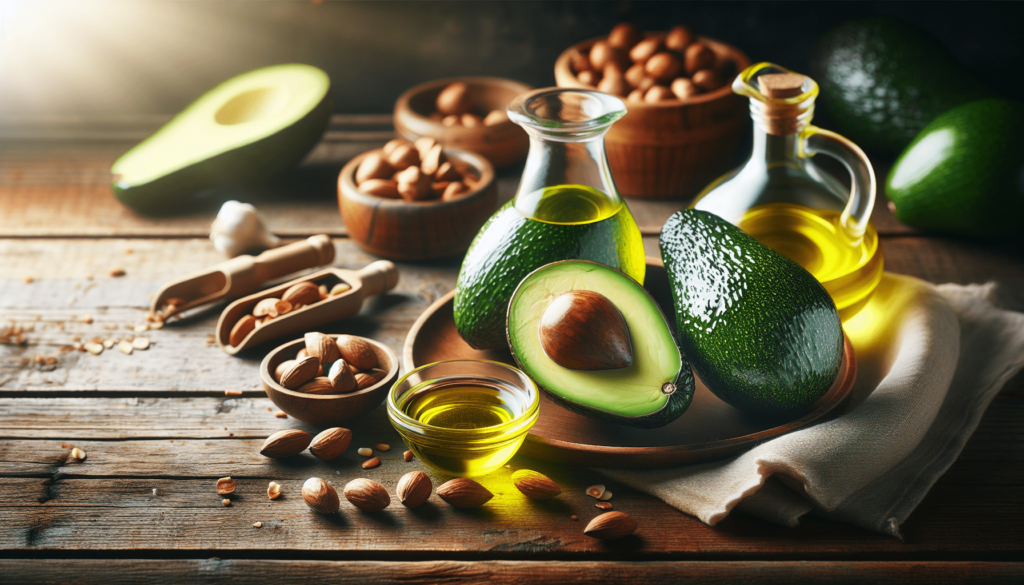
- Healthy Fats: Olive oil, coconut oil, avocados, and butter.
- Proteins: Eggs, meat (beef, chicken, pork), and fish.
- Low-Carb Vegetables: Spinach, kale, broccoli, cauliflower, and zucchini.
- Nuts and Seeds: Almonds, walnuts, chia seeds, and flaxseeds.
- Dairy: Cheese, heavy cream, and full-fat yogurt (check for sugars).
Step 4: Monitor Your Macros
Tracking your macronutrient intake can help ensure you remain within the recommended keto ratios. There’s a variety of apps available for this purpose, making the process simpler and more efficient.
Step 5: Stay Hydrated
Drinking plenty of water is crucial while following a keto diet, particularly during the initial transition phase. Staying hydrated helps reduce the risk of the ‘keto flu,’ which can occur as your body adjusts to ketosis.