What if I told you that you could transform your health and energy levels by simply adjusting your diet? This transformation is possible through the ketogenic lifestyle, a method that has gained incredible popularity in recent years. Let’s take a friendly, detailed look into this fascinating lifestyle that focuses on healthy fats, moderate protein, and minimal carbohydrates.

Understanding the Ketogenic Diet
At its core, the ketogenic diet, commonly referred to as “keto,” revolves around the principle of drastically reducing carbohydrate intake and replacing those carbs with fat. This shift puts your body into a metabolic state known as ketosis.
What is Ketosis?
Ketosis occurs when your body starts to burn fat for fuel instead of carbohydrates. When you consume fewer carbs, your body’s glucose levels decline, forcing it to break down stored fat into molecules called ketones, which act as a new fuel source for your brain and body.
Benefits of the Ketogenic Lifestyle
There are myriad benefits associated with the ketogenic diet. Here are some highlights:
- Weight Loss: Losing weight is one of the most significant advantages many people discover when adopting a ketogenic lifestyle.
- Improved Mental Clarity: Once you’re in ketosis, many report experiencing enhanced cognitive function and mental clarity.
- Better Energy Levels: With your body using fat for fuel, you’ll often find that your energy levels stabilize.
- Reduced Cravings: Many people find that their cravings diminish as they adopt a high-fat, low-carb way of eating.
Getting Started with the Ketogenic Lifestyle
Now that you understand the basis of the ketogenic lifestyle, let’s break down how you can start implementing these changes into your daily routine.
Assessing Your Current Diet
Before making any significant changes, take a moment to assess your current eating habits. What does your breakfast look like? What snacks do you typically reach for? Understanding your baseline is crucial for making informed adjustments.
Setting Realistic Goals
It’s important to set realistic, achievable goals when beginning your ketogenic journey. This not only includes weight loss but also improvements in energy or mental clarity. Remember, it’s not a race; it’s a lifestyle change.
| Goal Type | Example |
|---|---|
| Weight Loss | Lose 1-2 pounds per week |
| Mental Clarity | Improve focus for work |
| Energy Levels | Feel steady energy all day |

The Macronutrient Ratio
Adjusting your macronutrient intake is one of the most crucial steps in mastering the ketogenic lifestyle.
Understanding Macronutrients
Macronutrients are the nutrients your body requires in large amounts. There are three main types: carbohydrates, proteins, and fats. In the ketogenic diet, the focus is primarily on fats.
Ideal Macronutrient Ratios
For a typical ketogenic diet, the macronutrient breakdown looks something like this:
- Fats: 70-75%
- Proteins: 20-25%
- Carbohydrates: 5-10%
Calculating Your Needs
To accurately calculate your personal macronutrient needs, consider using online calculators or consulting with a professional. This personalized approach will help you adjust your diet precisely according to your lifestyle and goals.
Food Choices on a Ketogenic Diet
Selecting the right foods is key to succeeding in the ketogenic lifestyle. Let’s break it down further.
Fats
When it comes to fats, not all sources are created equal. Focus on healthy fats, such as:
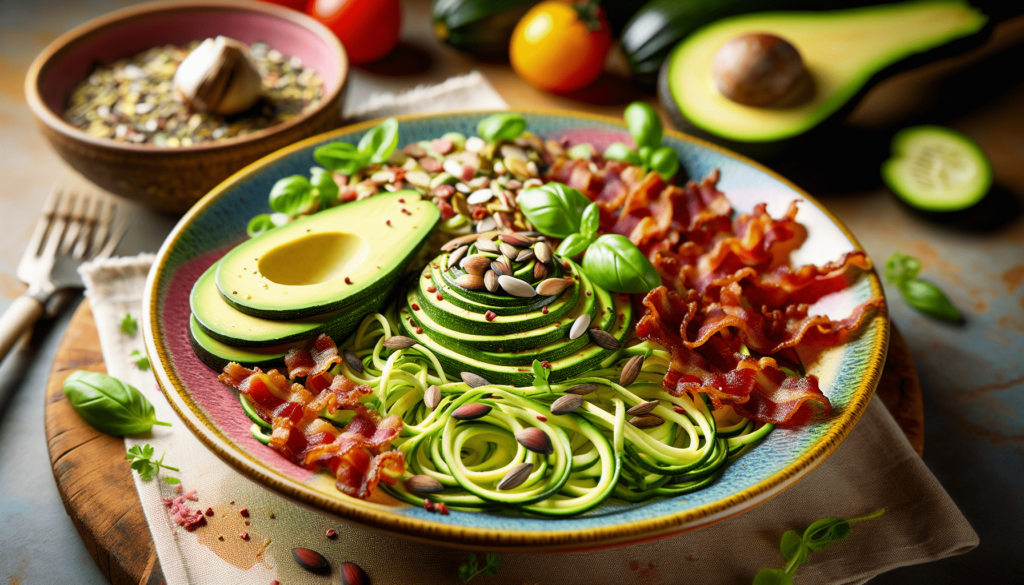
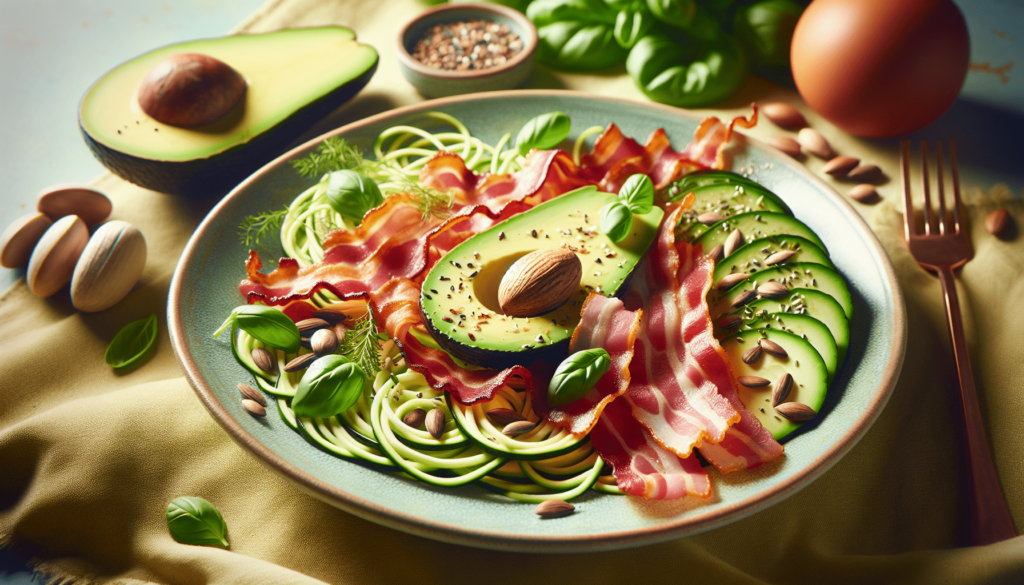
- Avocados
- Olive oil
- Coconut oil
- Nuts and seeds
- Fatty fish (like salmon)
These options will help you meet your fat intake goals while also providing you with important nutrients.
Proteins
In terms of protein, you’ll want to choose high-quality sources. Some excellent options include:
- Grass-fed meats
- Eggs
- Full-fat dairy products
- Seafood
Be cautious and avoid products with added sugars or high carb content.
Carbohydrates
Carbs will be the most restricted part of your diet. Focus on non-starchy vegetables, such as:
- Leafy greens (spinach, kale)
- Broccoli
- Cauliflower
- Zucchini
It’s essential to avoid starchy vegetables (like potatoes and corn) and sugars, which can knock you out of ketosis.

Planning Your Meals
Meal planning is a game-changer in the keto lifestyle. It keeps you organized and reduces the temptation to indulge in less healthy choices.
Creating Your Weekly Meal Plan
When building your meal plan, aim to keep it simple. Here are some suggestions for constructing your meals:
- Breakfast: Scrambled eggs with spinach and cheese
- Lunch: Grilled chicken salad with olive oil dressing
- Dinner: Baked salmon with asparagus
- Snacks: Almonds, cheese cubes, or guacamole
Batch Cooking
Consider batch cooking some of your meals. Preparing larger portions can make weeknight meals much easier and save you from falling back into unhealthy eating habits.
Overcoming Challenges
As with any lifestyle change, you’re likely to encounter challenges. It’s essential to be equipped with strategies to tackle these challenges head-on.
Dealing with Keto Flu
When starting your ketogenic journey, you might experience something commonly known as the “keto flu.” Symptoms can include fatigue, headaches, irritability, and dizziness. This typically occurs as your body adjusts to utilizing fat for fuel instead of carbohydrates.
Tips to alleviate keto flu include:
- Staying hydrated
- Ensuring adequate electrolyte intake (sodium, potassium, magnesium)
- Getting enough rest
Combating Cravings
Cravings for carbohydrates might come up, especially in the beginning. One effective strategy is to keep keto-friendly snacks on hand. Foods like cheese, nuts, and jerky can be great options to curb those cravings.
The Importance of Staying Hydrated
Staying hydrated is vital when on a ketogenic diet. As your body shifts into ketosis, you may lose more water weight, therefore, it’s crucial to drink plenty of fluids.
How Much Water Should You Drink?
A common recommendation is to aim for at least 8-10 cups (64-80 ounces) of water per day. However, your specific needs can vary based on your activity level. A good rule of thumb is to listen to your body and drink when you feel thirsty.
Exercise in the Ketogenic Lifestyle
While the primary focus of the ketogenic diet is your eating habits, incorporating exercise is an integral part of a healthy lifestyle.
Types of Exercise to Consider
Consider incorporating various types of exercises, such as:
- Strength Training: Building muscle helps to increase your basal metabolic rate.
- Cardio: Engaging in activities like running, swimming, or cycling supports heart health.
- Flexibility Exercises: Yoga or stretching can contribute to overall wellness and recovery.
Finding the Right Balance
To reap the most benefits, find a workout routine that aligns with your fitness level, preferences, and keto lifestyle. Remember, it’s important to listen to your body, especially as you make dietary changes.
Tracking Your Progress
Progress tracking is essential in any lifestyle change, as it helps you stay accountable and motivated.
Tools for Tracking
There are various tools you can use to track your progress:
- Food Journals: Keep a daily log of what you eat. This can help you stay mindful of your intake.
- Apps: Consider using smartphone apps designed to track macronutrients and caloric intake.
- Photos: Taking progress photos can be a motivating way to visualize your results.
Celebrating Small Wins
As you make progress, remember to celebrate your small victories. Whether it’s fitting into a favorite pair of jeans or getting through an entire week on a keto meal plan, acknowledging your accomplishments can help maintain your motivation.
The Social Aspect of Keto
Adopting a ketogenic lifestyle can have social implications, especially when dining out or attending gatherings.
Dining Out on Keto
Eating out may seem daunting, but with a little preparation, it can be totally manageable. Here are some tips:
- Research Menus: Look at the restaurant’s menu online before you go. This will help you choose keto-friendly options in advance.
- Don’t Be Afraid to Ask: Many restaurants are willing to accommodate dietary requests. Don’t hesitate to ask for modifications.
Enjoying Social Gatherings
When attending gatherings, consider bringing a dish that aligns with your dietary needs. This allows you to share something delicious while ensuring you have at least one keto-friendly option on the table.
Long-Term Sustainability of the Keto Lifestyle
As you become more accustomed to a ketogenic diet, you might begin to wonder about the long-term sustainability of this lifestyle.
Building Healthy Habits
Focus on building habits that you can maintain over time. Rather than viewing the keto diet as a strict regimen, think of it as a lifestyle choice that offers you more freedom to choose healthier options.
Adjustments as Necessary
Your dietary needs may change over time, and that’s entirely okay. You might find that you wish to cycle in and out of ketosis or to adjust your macronutrient ratios as goals change. Allow yourself the flexibility to make these adjustments.
Conclusion
In embarking on your ketogenic journey, you’re taking an important step toward enhancing your health, energy levels, and overall well-being. Remember, this is a personal adventure tailored to your needs, preferences, and lifestyle. As you learn about the ins and outs of the ketogenic diet, take the time to celebrate your successes, learn from challenges, and enjoy the numerous benefits that this lifestyle can offer.
Eventually, you’ll not only become adept at navigating this lifestyle but will also inspire others around you with your knowledge and enthusiasm for the ketogenic way of life. Embrace this journey; it’s one filled with opportunity for growth and transformation in both your body and your mind.