
The ketogenic diet has gained significant popularity in recent years, attracting attention from health enthusiasts, fitness experts, and those seeking weight loss solutions. At its core, the ketogenic diet is a high-fat, low-carbohydrate eating plan designed to shift your body’s metabolism from relying on carbohydrates for energy to utilizing fats instead. This metabolic state is known as ketosis, where your body becomes highly efficient at burning fat for fuel.
By drastically reducing carbohydrate intake and replacing it with fat, you encourage your body to enter this state of ketosis, leading to various health benefits, including weight loss, improved mental clarity, and increased energy levels. As you embark on this dietary journey, understanding the principles of ketosis is crucial. When you consume fewer carbohydrates, your body’s glycogen stores become depleted, prompting it to seek alternative energy sources.
In response, your liver begins to convert fatty acids into ketones, which serve as a primary energy source for your brain and body. This shift not only helps in burning stored fat but also stabilizes blood sugar levels and reduces hunger pangs. However, achieving and maintaining ketosis requires careful planning and a keen awareness of the types of fats you consume.
Key Takeaways
- Ketogenic diet is a high-fat, low-carb diet that aims to induce ketosis, a metabolic state where the body burns fat for fuel.
- Fat is a crucial component of a ketogenic diet, providing the majority of daily calories and serving as the primary energy source.
- Animal sources of fat in a ketogenic diet include fatty cuts of meat, poultry, fish, and full-fat dairy products.
- Plant sources of fat in a ketogenic diet include avocados, nuts, seeds, and healthy oils like olive oil and coconut oil.
- Processed sources of fat in a ketogenic diet should be limited, as they often contain unhealthy trans fats and additives that can hinder ketosis.
Understanding the Role of Fat in a Ketogenic Diet
The Benefits of Healthy Fats
By incorporating healthy fats into your meals, you can create a balanced diet that supports overall health while promoting weight loss. However, not all fats are created equal, and it’s essential to focus on high-quality sources that provide essential nutrients and support bodily functions.
The Different Types of Fats and Their Benefits
Healthy fats offer a range of benefits, including reducing inflammation, supporting heart health, and improving cognitive function. By understanding the different types of fats available and their respective benefits, you can make informed choices that align with your dietary goals and enhance your overall well-being.
Making Informed Choices for a Healthier You
By prioritizing healthy fats in your diet, you can take control of your health and well-being, making informed choices that support your body’s functions and promote a healthier, happier you.
Animal Sources of Fat in a Ketogenic Diet
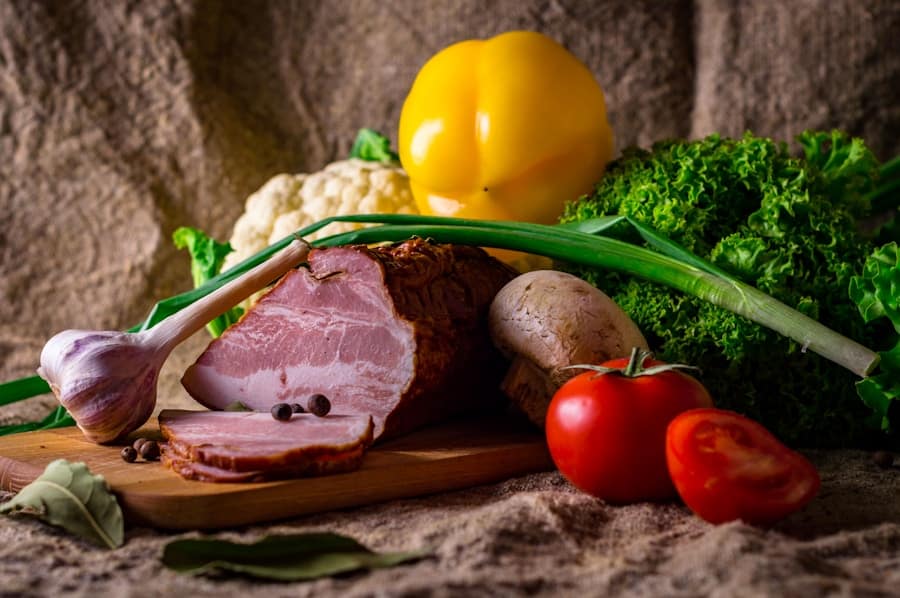
When considering animal sources of fat for your ketogenic diet, you have a variety of options that can enrich your meals while keeping you in ketosis. Fatty cuts of meat such as ribeye steak, pork belly, and lamb are excellent choices that provide not only flavor but also a substantial amount of healthy fats. These meats are rich in saturated fats, which can be beneficial in moderation and help you meet your daily fat intake goals.
Additionally, they are packed with essential nutrients like protein, iron, and B vitamins that support muscle maintenance and overall health. Dairy products also play a significant role in providing animal-based fats. Full-fat cheese, heavy cream, and butter are staples in many ketogenic diets due to their high-fat content and versatility in cooking.
These dairy products can enhance the flavor of your dishes while contributing to your daily fat intake.
Incorporating these animal sources of fat into your meals can help you stay satisfied while enjoying a variety of delicious flavors.
Plant Sources of Fat in a Ketogenic Diet
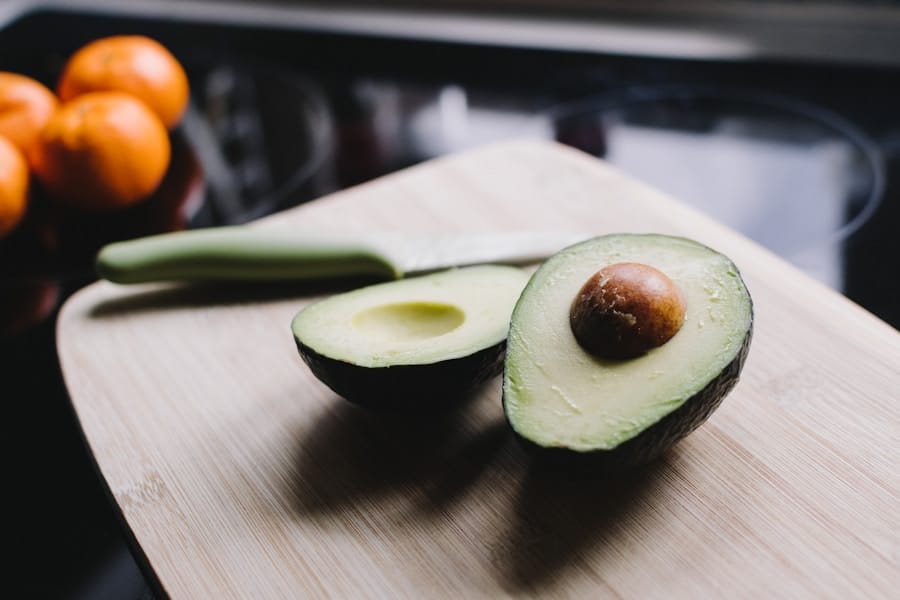
In addition to animal sources, plant-based fats are an essential component of a well-rounded ketogenic diet. Avocados are one of the most popular choices due to their creamy texture and high monounsaturated fat content. They are not only delicious but also packed with fiber, vitamins, and minerals that contribute to overall health.
Including avocados in your meals can help you feel full while providing essential nutrients that support heart health and digestion. Nuts and seeds are another excellent source of plant-based fats that can easily fit into your ketogenic lifestyle. Almonds, walnuts, chia seeds, and flaxseeds are rich in healthy fats, fiber, and protein.
They make for convenient snacks or can be added to salads and smoothies for an extra nutritional boost. However, portion control is key when consuming nuts and seeds, as they can be calorie-dense. By incorporating these plant sources of fat into your diet, you can enjoy a diverse range of flavors while ensuring you meet your fat intake goals.
Processed Sources of Fat in a Ketogenic Diet
While whole food sources of fat are ideal for a ketogenic diet, processed sources can also play a role if chosen wisely. Many people find convenience in using oils such as olive oil, coconut oil, and avocado oil for cooking or salad dressings. These oils are rich in healthy fats and can enhance the flavor of your dishes without compromising your dietary goals.
However, it’s crucial to be cautious with processed fats found in packaged foods. Many processed snacks and convenience foods contain unhealthy trans fats or refined oils that can hinder your progress toward ketosis and negatively impact your health.
Always read labels carefully and opt for products that use high-quality fats without harmful additives. By being mindful of the processed sources of fat you include in your diet, you can maintain a healthy balance while enjoying the convenience they offer.
Contribution of Dietary Fat to Ketosis
The Macronutrient Ratio for Ketosis
This macronutrient ratio encourages the body to rely on fat stores for energy rather than glucose derived from carbohydrates. By doing so, the body is able to enter a state of ketosis, where it efficiently burns fat for energy.
The Quality of Fats Matters
In addition to the quantity of fats, the quality of fats is also crucial in supporting ketosis. Healthy fats from whole food sources provide not only energy but also essential fatty acids that the body cannot produce on its own. These essential fatty acids are vital for various bodily functions and overall health.
Reaping the Health Benefits of a Ketogenic Lifestyle
By focusing on high-quality dietary fats, individuals can enhance their body’s ability to produce ketones efficiently while reaping the numerous health benefits associated with a ketogenic lifestyle. Omega-3 fatty acids found in fatty fish like salmon or flaxseeds are particularly beneficial for brain health and reducing inflammation.
Balancing Fat Intake in a Ketogenic Diet
While fat is the cornerstone of the ketogenic diet, achieving balance is vital for long-term success and overall health. It’s easy to fall into the trap of consuming excessive amounts of certain types of fats while neglecting others that provide essential nutrients. Striving for variety in your fat sources ensures that you receive a broad spectrum of fatty acids and other nutrients necessary for optimal health.
Incorporating a mix of saturated, monounsaturated, and polyunsaturated fats into your meals can help you achieve this balance. For instance, pairing fatty cuts of meat with avocados or using olive oil as a dressing on salads can create a well-rounded meal that satisfies both taste and nutritional needs. Additionally, being mindful of portion sizes is crucial; even healthy fats can contribute to excess calorie intake if consumed in large quantities.
By maintaining balance in your fat intake, you can enjoy the benefits of a ketogenic diet while supporting your overall well-being.
Conclusion and Recommendations for Fat Sources in a Ketogenic Diet
In conclusion, the ketogenic diet offers a unique approach to nutrition by emphasizing the importance of dietary fat as a primary energy source during ketosis. Understanding the various sources of fat—whether animal-based or plant-based—allows you to create diverse and satisfying meals that align with your dietary goals. While processed fats can provide convenience, prioritizing whole food sources ensures that you receive the essential nutrients needed for optimal health.
As you navigate your ketogenic journey, consider incorporating a variety of healthy fats into your meals while being mindful of portion sizes and overall balance. Focus on high-quality sources such as fatty fish, avocados, nuts, seeds, and healthy oils to support both ketosis and overall well-being. By making informed choices about the types of fats you consume, you can enjoy the benefits of a ketogenic lifestyle while promoting long-term health and vitality.
FAQs
What are the primary sources of fat in a ketogenic diet?
The primary sources of fat in a ketogenic diet include avocados, nuts and seeds, coconut oil, olive oil, butter, ghee, fatty cuts of meat, and fatty fish such as salmon and mackerel.
How do these sources of fat contribute to ketosis?
These sources of fat contribute to ketosis by providing the body with a high amount of fat and very low carbohydrates. This forces the body to switch from using glucose as its primary fuel source to using fat, which leads to the production of ketones for energy.
Can you consume too much fat on a ketogenic diet?
Yes, it is possible to consume too much fat on a ketogenic diet, which can lead to an excessive calorie intake and potential weight gain. It is important to focus on consuming healthy fats in moderation and to balance fat intake with protein and low-carbohydrate vegetables.
Are there any risks associated with consuming high amounts of fat on a ketogenic diet?
Consuming high amounts of unhealthy fats, such as trans fats and processed fats, can increase the risk of heart disease and other health issues. It is important to focus on consuming healthy fats, such as monounsaturated and polyunsaturated fats, to minimize these risks.
What are some tips for incorporating healthy fats into a ketogenic diet?
Some tips for incorporating healthy fats into a ketogenic diet include using olive oil for cooking and salad dressings, adding avocado to meals and snacks, including fatty fish in your diet, and choosing grass-fed and organic sources of meat and dairy products.





