
The ketogenic diet, often referred to simply as “keto,” has gained immense popularity in recent years as a weight-loss strategy and a means to improve overall health. At its core, the ketogenic diet is a high-fat, low-carbohydrate eating plan that aims to shift your body’s metabolism from burning carbohydrates for energy to burning fats. This metabolic state, known as ketosis, occurs when your body has limited access to glucose, prompting it to utilize fat stores for fuel instead.
As you embark on this dietary journey, you may find yourself exploring not only the benefits of weight loss but also the potential impacts on various aspects of your health, including your gallbladder. Understanding the ketogenic diet is essential for anyone considering this lifestyle change. It typically involves consuming around 70-75% of your daily calories from fats, 20-25% from proteins, and only about 5-10% from carbohydrates.
This drastic reduction in carbohydrate intake forces your body to adapt to a new source of energy, which can lead to significant changes in how you feel and function. However, as you delve deeper into the world of keto, it’s crucial to consider how this diet may affect specific organs and systems in your body, particularly the gallbladder.
Key Takeaways
- Ketogenic diet is a high-fat, low-carbohydrate diet that has gained popularity for its potential health benefits.
- The gallbladder is responsible for storing and releasing bile to aid in digestion of fats.
- Ketogenic diet may impact gallbladder health by increasing the risk of gallstones due to rapid weight loss and high fat intake.
- Ketogenic diet can benefit gallbladder health by promoting weight loss and reducing inflammation, which may lower the risk of gallbladder disease.
- It is important to consider the risks of gallbladder issues and make dietary adjustments, such as gradually increasing fat intake and staying hydrated, to maintain gallbladder health on a ketogenic diet.
Function of the Gallbladder
The gallbladder is a small, pear-shaped organ located beneath the liver, playing a vital role in digestion. Its primary function is to store and concentrate bile, a digestive fluid produced by the liver that helps break down fats in the foods you consume. When you eat a meal containing fat, your gallbladder releases bile into the small intestine, facilitating the digestion and absorption of these fats.
Without a properly functioning gallbladder, your body may struggle to process dietary fats effectively, leading to digestive discomfort and nutrient deficiencies. In addition to its role in fat digestion, the gallbladder also helps regulate the flow of bile. This regulation is crucial because bile contains not only bile salts but also cholesterol and bilirubin.
An imbalance in these components can lead to gallstones or other gallbladder-related issues. Understanding the gallbladder’s functions is essential as you consider how dietary changes, such as adopting a ketogenic diet, may influence its health and performance.
Potential Impact of Ketogenic Diet on Gallbladder Health
As you transition into a ketogenic lifestyle, it’s important to recognize how this diet may impact your gallbladder health. The high-fat content of the ketogenic diet can stimulate increased bile production and release from the gallbladder. For some individuals, this can be beneficial, as it may enhance fat digestion and absorption.
However, for others, particularly those with pre-existing gallbladder issues or a history of gallstones, this increased demand on the gallbladder can lead to complications. Moreover, the rapid weight loss often associated with the ketogenic diet can also affect gallbladder health. When you lose weight quickly, your liver releases more cholesterol into bile, which can increase the risk of gallstone formation.
If you have a history of gallbladder problems or are prone to developing gallstones, it’s essential to approach the ketogenic diet with caution and awareness of these potential risks.
Benefits of Ketogenic Diet for Gallbladder Health
Despite the potential risks, there are several benefits of the ketogenic diet that may positively influence gallbladder health for some individuals. One significant advantage is weight loss. Excess weight is a known risk factor for gallstones and other gallbladder-related issues.
By adopting a ketogenic diet and shedding unwanted pounds, you may reduce your risk of developing these complications. Additionally, the ketogenic diet can lead to improved insulin sensitivity and lower blood sugar levels. This metabolic shift can be particularly beneficial for individuals with insulin resistance or type 2 diabetes, conditions that are often linked to an increased risk of gallbladder disease.
By stabilizing blood sugar levels and improving metabolic health, you may create a more favorable environment for your gallbladder to function optimally.
Risks and Considerations for Gallbladder Health on a Ketogenic Diet
While there are benefits associated with the ketogenic diet, it’s crucial to be aware of the risks and considerations regarding gallbladder health. One primary concern is the potential for gallstone formation due to rapid weight loss and increased fat intake. If you have a history of gallstones or other gallbladder issues, you may want to consult with a healthcare professional before starting this diet.
Another consideration is the type of fats consumed on a ketogenic diet. Not all fats are created equal; some can be more beneficial than others for your overall health and gallbladder function. For instance, incorporating healthy fats from sources like avocados, nuts, seeds, and olive oil can support your body’s needs without putting undue stress on your gallbladder.
Conversely, consuming excessive amounts of saturated fats or trans fats may exacerbate existing issues or lead to new complications.
Tips for Maintaining Gallbladder Health on a Ketogenic Diet

If you decide to pursue a ketogenic diet while being mindful of your gallbladder health, there are several strategies you can implement to minimize risks. First and foremost, consider easing into the diet gradually rather than making abrupt changes. This approach allows your body—and your gallbladder—to adapt more comfortably to increased fat intake.
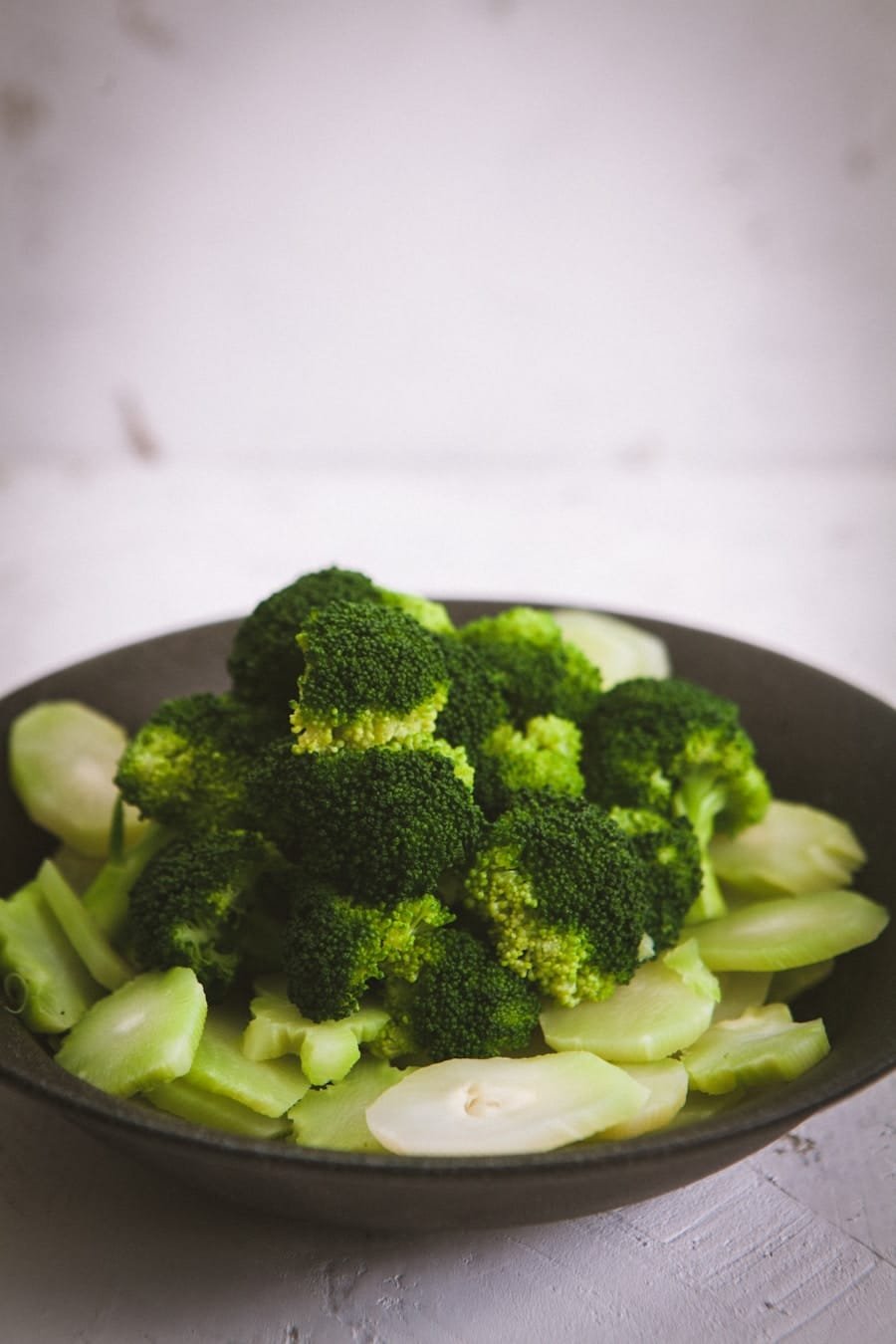
Incorporating fiber-rich foods into your meals can also support gallbladder health. While traditional keto diets are low in carbohydrates, you can still include non-starchy vegetables like leafy greens, broccoli, and cauliflower that provide essential nutrients and fiber without significantly impacting your carb count. Additionally, staying well-hydrated is crucial; drinking plenty of water can help maintain bile consistency and promote healthy digestion.
When to Seek Medical Advice
As you navigate the complexities of a ketogenic diet and its effects on your gallbladder health, it’s essential to know when to seek medical advice. If you experience any symptoms such as severe abdominal pain, nausea, vomiting, or changes in bowel habits after starting the diet, it’s crucial to consult with a healthcare professional promptly. These symptoms could indicate potential complications related to your gallbladder or digestive system.
Furthermore, if you have a history of gallstones or other gallbladder-related issues, discussing your dietary plans with a healthcare provider is wise before making significant changes. They can provide personalized guidance based on your medical history and help you determine whether a ketogenic diet is appropriate for you.
Conclusion and Final Thoughts
In conclusion, the ketogenic diet offers both potential benefits and risks concerning gallbladder health. While it may promote weight loss and improve metabolic health for some individuals, it can also pose challenges for those with pre-existing gallbladder conditions or those prone to developing gallstones. As you consider adopting this dietary approach, it’s essential to remain informed about how it may impact your body and make choices that prioritize your overall health.
Ultimately, maintaining open communication with healthcare professionals and listening to your body’s signals will be key as you navigate this journey. By taking proactive steps to support your gallbladder health while enjoying the benefits of a ketogenic lifestyle, you can create a balanced approach that works for you. Whether you’re seeking weight loss or improved well-being, understanding the interplay between your diet and organ health will empower you to make informed decisions on your path toward better health.
FAQs
What is a ketogenic diet?
A ketogenic diet is a high-fat, adequate-protein, low-carbohydrate diet that has been shown to have various health benefits, including weight loss and improved blood sugar control.
How does a ketogenic diet affect gallbladder health?
Some studies suggest that a ketogenic diet may increase the risk of developing gallstones, which can lead to gallbladder problems. However, more research is needed to fully understand the relationship between a ketogenic diet and gallbladder health.
What are the potential risks of a ketogenic diet for the gallbladder?
The potential risks of a ketogenic diet for gallbladder health include an increased risk of developing gallstones, which can cause symptoms such as abdominal pain, nausea, and vomiting. It is important to consult with a healthcare professional before starting a ketogenic diet, especially for individuals with a history of gallbladder issues.
Are there any benefits of a ketogenic diet for gallbladder health?
While the impact of a ketogenic diet on gallbladder health is not fully understood, some proponents of the diet suggest that it may help reduce the risk of gallbladder problems by promoting weight loss and improving metabolic health. However, more research is needed to confirm these potential benefits.