Ghrelin, often referred to as the “hunger hormone,” plays a pivotal role in regulating your appetite and energy balance. This peptide hormone is primarily produced in the stomach and is released when your stomach is empty, signaling to your brain that it’s time to eat. When ghrelin levels rise, you may experience an increase in hunger, prompting you to seek out food.
This intricate system of hormonal signaling is essential for maintaining your body’s energy homeostasis, ensuring that you consume enough calories to meet your metabolic needs. Understanding ghrelin’s function is crucial, especially in the context of dietary choices and weight management. When you embark on a diet, the fluctuations in ghrelin levels can significantly influence your success.
For instance, if you’re trying to lose weight, elevated ghrelin levels can make it challenging to resist cravings and stick to your dietary goals. Conversely, lower levels of ghrelin may help you feel satiated more quickly, which can be beneficial for those looking to manage their weight effectively.
Key Takeaways
- Ghrelin is a hormone that plays a key role in regulating hunger and appetite.
- A ketogenic diet is a high-fat, low-carbohydrate diet that has been shown to have various health benefits.
- Research suggests that a ketogenic diet may lead to lower levels of ghrelin, the hunger hormone.
- Studies have shown conflicting results on the effect of ketogenic diet on ghrelin levels, with some showing a decrease and others showing no significant change.
- Lower ghrelin levels on a ketogenic diet may potentially lead to reduced appetite and weight loss.
What is a Ketogenic Diet?
A ketogenic diet, commonly known as a keto diet, is a high-fat, low-carbohydrate eating plan designed to shift your body’s metabolism from burning carbohydrates for energy to utilizing fats. By drastically reducing your carbohydrate intake and replacing it with fat, your body enters a metabolic state called ketosis. In this state, your liver converts fatty acids into ketones, which serve as an alternative energy source for your brain and body.
This shift not only helps in weight loss but also offers various health benefits, including improved mental clarity and reduced inflammation. The typical macronutrient breakdown of a ketogenic diet consists of approximately 70-75% fat, 20-25% protein, and only about 5-10% carbohydrates. This significant reduction in carbs forces your body to adapt to a new way of fueling itself.
As you transition into ketosis, you may experience a range of effects, from increased energy levels to changes in appetite regulation. Many individuals find that they feel less hungry on a ketogenic diet, which can be attributed to the satiating nature of fats and proteins compared to carbohydrates.
The Relationship Between Ketogenic Diet and Ghrelin Levels
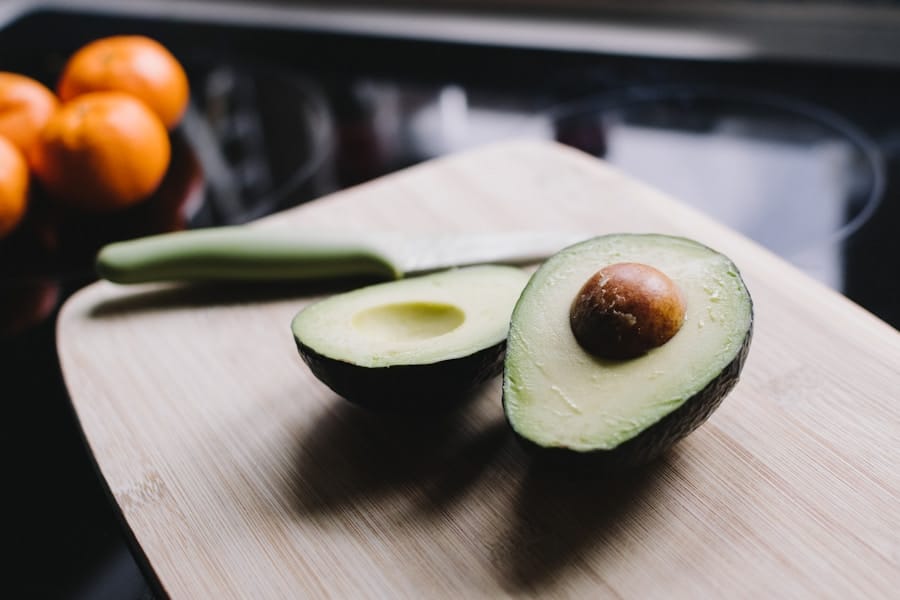
The relationship between a ketogenic diet and ghrelin levels is complex and multifaceted. When you reduce carbohydrate intake significantly, your body undergoes various hormonal changes that can affect hunger signals. Research suggests that ketogenic diets may lead to lower ghrelin levels over time, which could contribute to reduced appetite and easier adherence to the diet.
This decrease in ghrelin may be one reason why many people report feeling less hungry while following a keto regimen. Moreover, the types of foods consumed on a ketogenic diet—rich in healthy fats and proteins—can also influence satiety hormones beyond just ghrelin. For instance, protein has been shown to increase levels of peptide YY (PYY) and glucagon-like peptide-1 (GLP-1), both of which promote feelings of fullness.
Therefore, while ghrelin may decrease on a ketogenic diet, other hormones that signal satiety may increase, creating a balanced hormonal environment that supports weight loss and appetite control.
Studies on the Effect of Ketogenic Diet on Ghrelin Levels
Numerous studies have explored the impact of ketogenic diets on ghrelin levels, providing valuable insights into how this dietary approach can influence hunger regulation. One study found that participants following a ketogenic diet experienced a significant reduction in ghrelin levels compared to those on a standard high-carbohydrate diet. This reduction was associated with decreased hunger and improved weight loss outcomes over the study period.
Another research effort highlighted the long-term effects of sustained ketogenic dieting on ghrelin levels. Participants who adhered to a keto diet for several months showed consistently lower ghrelin levels compared to their baseline measurements. This suggests that not only does the ketogenic diet affect ghrelin in the short term, but it may also lead to lasting changes in hunger regulation.
These findings underscore the potential of ketogenic diets as an effective strategy for managing appetite and supporting weight loss efforts.
Potential Benefits of Lower Ghrelin Levels on a Ketogenic Diet
Lower ghrelin levels on a ketogenic diet can offer several potential benefits that extend beyond mere appetite control. One significant advantage is the enhanced ability to maintain weight loss over time. When ghrelin levels are reduced, you may find it easier to resist cravings and avoid overeating, which can be particularly beneficial during weight maintenance phases after initial weight loss.
Additionally, lower ghrelin levels can contribute to improved metabolic health. Research indicates that elevated ghrelin is linked to increased fat storage and obesity-related complications. By reducing ghrelin through dietary changes like adopting a ketogenic approach, you may lower your risk of developing metabolic disorders such as type 2 diabetes or cardiovascular disease.
Furthermore, the combination of lower ghrelin levels and increased ketone production can enhance energy efficiency, allowing you to feel more energized throughout the day.
Potential Drawbacks of Lower Ghrelin Levels on a Ketogenic Diet

While lower ghrelin levels can provide several benefits, there are also potential drawbacks to consider when following a ketogenic diet. One concern is that excessively low ghrelin levels might lead to inadequate caloric intake or nutrient deficiencies over time. If you find yourself feeling less hungry than usual, it’s essential to ensure that you are still consuming enough calories and nutrients to support your overall health.
Another potential drawback is the psychological impact of reduced hunger signals. For some individuals, the absence of hunger cues can lead to disordered eating patterns or an unhealthy relationship with food. It’s crucial to remain mindful of your body’s needs and listen to its signals rather than solely relying on hormonal cues.
Striking a balance between managing hunger through dietary choices and maintaining a healthy relationship with food is vital for long-term success on any diet.
Tips for Managing Ghrelin Levels on a Ketogenic Diet
To effectively manage your ghrelin levels while following a ketogenic diet, consider implementing several strategies that promote balanced eating habits and overall well-being. First and foremost, focus on consuming nutrient-dense foods that provide adequate calories while keeping you satiated. Incorporate healthy fats such as avocados, nuts, seeds, and olive oil into your meals, as these can help keep you feeling full longer.
Additionally, prioritize protein intake by including sources like lean meats, fish, eggs, and dairy products in your diet. Protein not only helps regulate hunger hormones but also supports muscle maintenance during weight loss. Staying hydrated is equally important; sometimes thirst can be mistaken for hunger.
Drinking plenty of water throughout the day can help manage appetite and support overall health. Lastly, consider incorporating regular physical activity into your routine. Exercise has been shown to influence hormone levels positively, including ghrelin.
Engaging in both aerobic and strength-training exercises can help regulate appetite hormones while promoting overall health and well-being.
Conclusion and Future Research Opportunities
In conclusion, understanding the relationship between ghrelin levels and dietary choices—particularly within the context of a ketogenic diet—can provide valuable insights into effective weight management strategies. Lowering ghrelin levels through dietary changes may offer numerous benefits, including improved appetite control and enhanced metabolic health. However, it’s essential to remain aware of potential drawbacks and prioritize balanced eating habits.
As research continues to evolve in this area, future studies could explore the long-term effects of ketogenic diets on ghrelin levels across diverse populations and varying dietary patterns. Investigating how individual differences—such as genetics or lifestyle factors—affect hormonal responses to dietary changes could further enhance our understanding of appetite regulation. Ultimately, continued exploration into the interplay between diet and hormones like ghrelin will pave the way for more personalized approaches to nutrition and weight management in the future.
FAQs
What is a ketogenic diet?
A ketogenic diet is a high-fat, adequate-protein, low-carbohydrate diet that forces the body to burn fats rather than carbohydrates for energy. This process produces ketones, which the body uses for fuel.
What is ghrelin?
Ghrelin is a hormone produced in the stomach that stimulates appetite and promotes fat storage. It is often referred to as the “hunger hormone.”
How does a ketogenic diet affect ghrelin levels?
Research suggests that a ketogenic diet may lead to decreased levels of ghrelin, which could result in reduced feelings of hunger and appetite. This may contribute to the diet’s potential for weight loss and appetite control.
Are there any potential drawbacks to decreased ghrelin levels on a ketogenic diet?
While decreased ghrelin levels may contribute to reduced appetite, some individuals may experience side effects such as decreased energy levels or changes in mood. It’s important to consult with a healthcare professional before making significant changes to your diet.
Can a ketogenic diet be effective for weight loss?
Many individuals have reported successful weight loss while following a ketogenic diet. However, individual results may vary, and it’s important to consider factors such as overall calorie intake and physical activity levels.