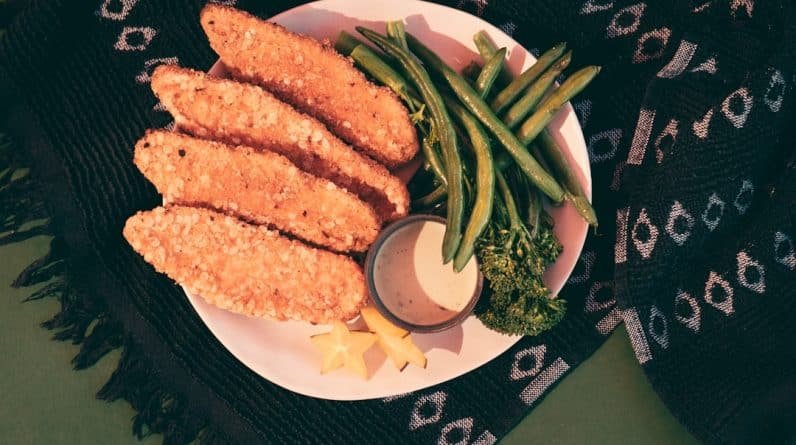
The ketogenic diet, often referred to as the keto diet, has gained immense popularity in recent years as a powerful tool for weight loss and improved health. At its core, the keto diet is a low-carbohydrate, high-fat eating plan that encourages your body to enter a state of ketosis. In this metabolic state, your body becomes highly efficient at burning fat for energy instead of relying on carbohydrates.
This shift not only aids in weight loss but can also lead to increased mental clarity and sustained energy levels throughout the day. As you embark on your keto journey, understanding the principles behind this diet is crucial. The primary goal is to drastically reduce your carbohydrate intake while increasing your consumption of healthy fats.
This may seem daunting at first, especially if you are accustomed to a diet rich in grains and sugars. However, with the right knowledge and preparation, you can successfully navigate this lifestyle change and reap its numerous benefits. A well-planned grocery list is essential for ensuring that you have all the necessary ingredients to create delicious and satisfying meals that align with your keto goals.
Key Takeaways
- The keto diet is a low-carb, high-fat diet that can help with weight loss and improve overall health.
- A keto grocery list should include low-carb vegetables, high-quality proteins, healthy fats, and dairy alternatives.
- Fresh produce and vegetables such as leafy greens, broccoli, and cauliflower are great for a keto diet.
- High-quality proteins like grass-fed beef, free-range poultry, and wild-caught fish are essential for a keto diet.
- Healthy fats and oils such as avocado oil, coconut oil, and grass-fed butter are important for a keto diet.
Understanding the Basics of the Keto Grocery List
Creating a keto grocery list is an essential step in your journey toward adopting this lifestyle. It serves as a roadmap, guiding you through the aisles of the supermarket and helping you make informed choices that support your dietary goals. The key to a successful keto grocery list lies in understanding which foods are compatible with the diet and which ones to avoid.
By focusing on whole, nutrient-dense foods, you can ensure that your meals are not only low in carbohydrates but also rich in vitamins and minerals. When crafting your grocery list, it’s important to categorize items into different food groups. This will help you visualize what you need and make shopping more efficient.
Consider dividing your list into sections such as fresh produce, proteins, fats, dairy, and snacks. By doing so, you can easily navigate the store and avoid impulse purchases that may derail your keto efforts. Additionally, having a well-structured list can save you time and reduce stress during your shopping trips.
Fresh Produce and Vegetables for a Keto Diet
When it comes to fresh produce on a keto diet, not all vegetables are created equal. While many fruits and vegetables are packed with nutrients, some contain higher levels of carbohydrates that can hinder your progress toward ketosis. Therefore, it’s essential to focus on low-carb options that provide essential vitamins and minerals without compromising your carb limits.
Leafy greens such as spinach, kale, and arugula are excellent choices, as they are low in carbs and high in fiber. In addition to leafy greens, cruciferous vegetables like broccoli, cauliflower, and Brussels sprouts are also great additions to your keto grocery list. These vegetables are not only low in carbohydrates but also rich in antioxidants and other beneficial compounds that support overall health.
You might also consider incorporating zucchini, bell peppers, and asparagus into your meals for added variety and flavor. Remember to prioritize fresh produce over canned or frozen options whenever possible, as they often contain added sugars or preservatives that can increase carb counts.
High-Quality Proteins for a Keto Diet
Protein is a vital component of any diet, but it takes on special significance in the keto lifestyle. As you reduce your carbohydrate intake, it’s important to ensure that you’re consuming enough protein to support muscle maintenance and overall health. When selecting proteins for your keto grocery list, focus on high-quality sources that are rich in nutrients and free from additives or fillers.
Meat options such as grass-fed beef, pasture-raised chicken, and wild-caught fish should be at the top of your list. These sources not only provide essential amino acids but also contain healthy fats that align with the principles of the keto diet. Additionally, consider incorporating eggs into your meals; they are an excellent source of protein and healthy fats while being incredibly versatile in cooking.
If you prefer plant-based options, look for tofu or tempeh as alternatives that can fit into your keto plan while still providing adequate protein.
Healthy Fats and Oils for a Keto Diet
Healthy fats are the cornerstone of the ketogenic diet, providing the primary source of energy for your body while keeping you satiated. When creating your grocery list, prioritize high-quality fats that promote overall health rather than processed oils or unhealthy trans fats. Avocado oil, olive oil, coconut oil, and grass-fed butter are all excellent choices that can enhance the flavor of your meals while supporting your keto goals.
In addition to cooking oils, consider adding whole food sources of fat to your grocery list. Avocados are not only delicious but also packed with monounsaturated fats and fiber. Fatty fish like salmon and mackerel are also great options due to their omega-3 fatty acid content.
Nuts and seeds can provide healthy fats as well; however, be mindful of portion sizes since they can be calorie-dense. By incorporating these healthy fats into your meals, you’ll find that you feel fuller for longer while enjoying a variety of flavors.
Nuts and Seeds for a Keto Diet
Nuts and seeds can be a fantastic addition to your keto grocery list due to their healthy fat content and versatility in cooking and snacking. They provide essential nutrients such as fiber, protein, vitamins, and minerals while being low in carbohydrates. However, it’s important to choose wisely when it comes to which nuts and seeds to include in your diet.
Almonds, walnuts, macadamia nuts, and pecans are all excellent choices for a keto-friendly snack or ingredient in recipes. They can be enjoyed raw or roasted and can add a satisfying crunch to salads or yogurt bowls. Seeds like chia seeds, flaxseeds, and pumpkin seeds are also great options; they can be sprinkled on top of dishes or blended into smoothies for added nutrition.
Just remember to keep an eye on portion sizes since nuts and seeds can be calorie-dense if consumed in large quantities.
Dairy and Dairy Alternatives for a Keto Diet
Dairy products can be a valuable source of protein and healthy fats on a ketogenic diet; however, not all dairy is created equal. When selecting dairy items for your grocery list, opt for full-fat versions whenever possible. Full-fat cheese, heavy cream, and Greek yogurt can all fit seamlessly into your keto meal plan while providing essential nutrients.
If you’re lactose intolerant or prefer dairy alternatives, there are several options available that align with the keto diet. Unsweetened almond milk or coconut milk can serve as great substitutes for traditional dairy milk in recipes or beverages. Additionally, look for plant-based yogurts made from coconut or almond milk that contain minimal added sugars.
As with all food choices on a keto diet, be sure to read labels carefully to avoid hidden carbs.
Condiments and Seasonings for a Keto Diet
Flavoring your meals is essential for maintaining enjoyment while following a ketogenic diet. Fortunately, there are plenty of condiments and seasonings that can enhance the taste of your dishes without adding unnecessary carbohydrates. When creating your grocery list, consider including items like mustard, mayonnaise (preferably made with healthy oils), hot sauce, and sugar-free salad dressings.
Herbs and spices should also be staples in your kitchen as they can elevate the flavor profile of any meal without adding calories or carbs. Fresh herbs like basil, cilantro, and parsley can add brightness to dishes while dried spices such as garlic powder, paprika, and cumin can provide depth of flavor. Experimenting with different combinations will keep your meals exciting and prevent monotony on your keto journey.
Snacks and Treats for a Keto Diet
Snacking on a ketogenic diet doesn’t have to be boring or unsatisfying; there are plenty of delicious options available that align with your dietary goals. When creating your grocery list for snacks and treats, focus on items that are low in carbohydrates but high in flavor and satisfaction. Cheese crisps or pork rinds can serve as crunchy alternatives to traditional chips while providing healthy fats.
You might also consider making homemade snacks such as fat bombs—small bites made from healthy fats like coconut oil or nut butter mixed with flavorings like cocoa powder or vanilla extract. These treats can satisfy sweet cravings without derailing your progress toward ketosis. Additionally, dark chocolate with a high cocoa content (70% or higher) can be enjoyed in moderation as an occasional indulgence.
Beverages for a Keto Diet
Staying hydrated is crucial on any diet, including the ketogenic one. When it comes to beverages on a keto diet, water should always be your go-to choice; however, there are other options available that can add variety without compromising your carb limits. Unsweetened tea—whether hot or iced—can be refreshing while providing antioxidants beneficial for health.
Coffee is another popular beverage among those following a keto lifestyle; consider enjoying it black or with added healthy fats like coconut oil or heavy cream for a creamy texture without added sugars. If you’re looking for something fizzy, sparkling water flavored with natural essences can be a delightful alternative to sugary sodas while keeping you hydrated throughout the day.
Putting It All Together: Sample Keto Grocery List for Beginners
Now that you have an understanding of what foods to include in your keto grocery list, it’s time to put it all together into a practical shopping guide tailored for beginners. Start by listing fresh produce such as spinach, broccoli, zucchini, avocados, and bell peppers at the top of your list. Next up should be high-quality proteins like grass-fed beef, pasture-raised chicken eggs, wild-caught fish—these will form the foundation of many meals.
For healthy fats and oils, include items like olive oil, coconut oil, grass-fed butter along with nuts such as almonds or macadamia nuts along with seeds like chia or flaxseeds for snacking purposes later on! Don’t forget about dairy products—full-fat cheese varieties along with heavy cream should make their way onto this list too! Lastly round off this comprehensive grocery list by adding condiments (mustard & sugar-free dressings), snacks (cheese crisps & dark chocolate), beverages (sparkling water & unsweetened tea) ensuring every aspect of this new lifestyle is covered!
By following this guide closely while shopping at local stores or online retailers alike—successfully transitioning into a ketogenic lifestyle becomes much easier! With careful planning combined with delicious recipes using these ingredients—achieving health goals becomes not just attainable but enjoyable too!
FAQs
What is a keto diet?
A keto diet is a low-carb, high-fat diet that has been shown to help with weight loss and improve overall health. It involves reducing carbohydrate intake and replacing it with fat, putting the body in a state of ketosis where it burns fat for energy.
What foods are included in a keto grocery list for beginners?
A keto grocery list for beginners typically includes high-fat and low-carb foods such as meats, fish, eggs, cheese, butter, oils, nuts, seeds, low-carb vegetables, and some low-sugar fruits.
What foods should be avoided on a keto diet?
Foods to avoid on a keto diet include high-carb foods such as grains, sugar, starchy vegetables, fruits high in sugar, and processed foods.
How can a keto grocery list help beginners on a keto diet?
A keto grocery list can help beginners on a keto diet by providing them with a clear list of foods that are suitable for the diet, making it easier to plan and prepare keto-friendly meals.
Are there any specific tips for beginners when creating a keto grocery list?
Beginners creating a keto grocery list should focus on whole, unprocessed foods, read nutrition labels carefully, and prioritize high-quality fats and proteins. It’s also important to plan meals and snacks in advance to stay on track with the diet.