Have you ever wondered if the foods you eat could influence your health in unprecedented ways? Particularly when it comes to serious conditions like cancer, there’s growing interest in the potential effects of different dietary patterns. One approach that has garnered attention is the ketogenic diet. You might be curious about how this high-fat, low-carbohydrate diet could interact with cancer treatment or prevention. Let’s break it all down together.

What is a Ketogenic Diet?
A ketogenic diet is a dietary regimen that emphasizes high fat intake, moderate protein, and very low carbohydrates. The primary goal is to switch the body’s metabolism from relying on glucose derived from carbohydrates to using ketones produced from fat as an energy source.
Key Components of the Ketogenic Diet
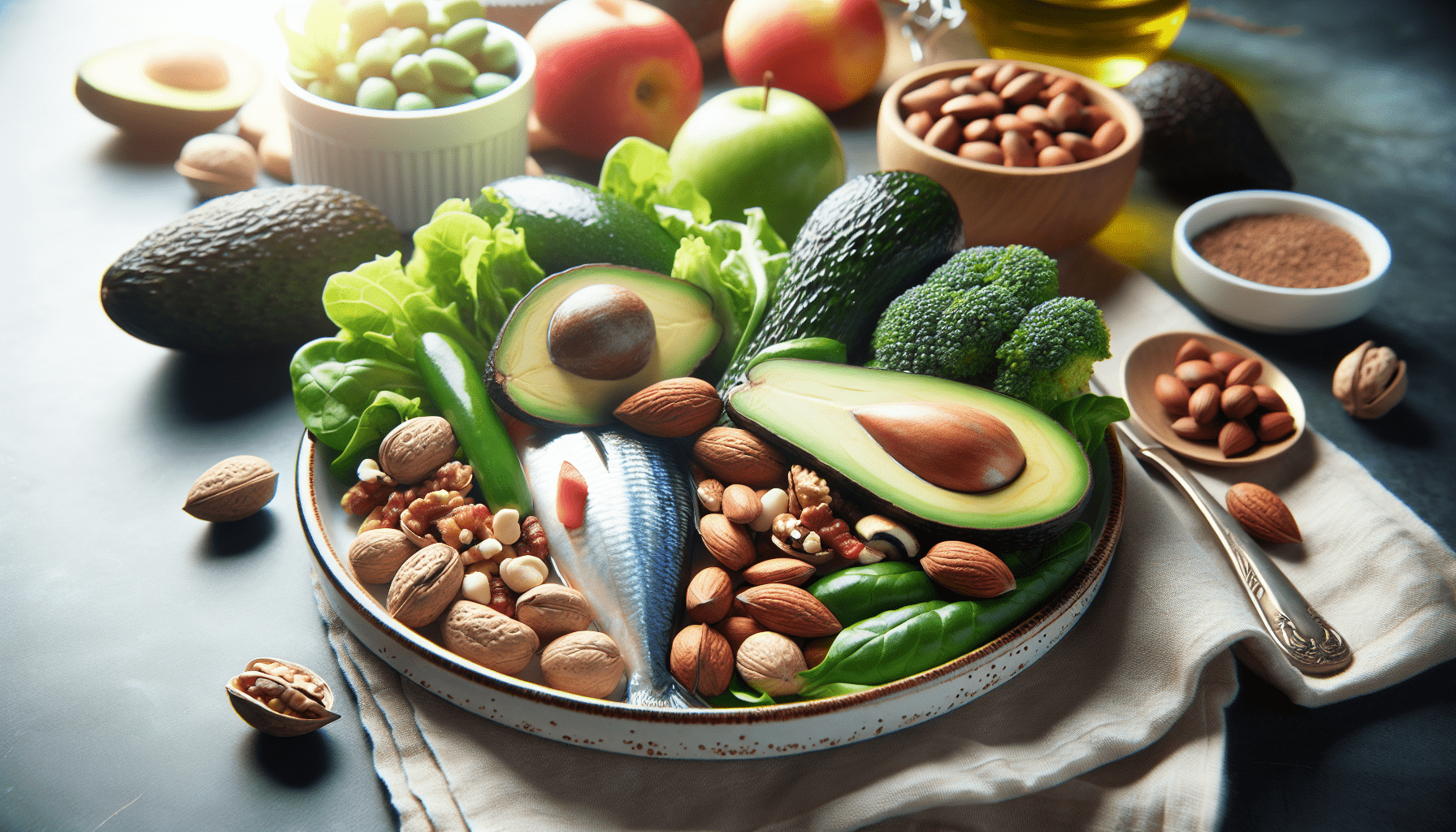
- High Fat: About 70-80% of your calories come from fats. This includes healthy fats from sources like olive oil, avocados, and nuts.
- Moderate Protein: Approximately 20-25% of your calorie intake should come from protein sources such as fish, poultry, and eggs.
- Low Carbohydrate: Typically, only 5-10% of your calories should come from carbohydrates, often limited to vegetables and certain fruits.
This macronutrient distribution helps initiate a metabolic state called ketosis, where your body becomes efficient at burning fat for energy.
The Ketogenic Diet and Cancer: An Overview
You might wonder how a diet centered around fat could play a role in cancer treatment or prevention. Historically, the ketogenic diet has been used for managing conditions like epilepsy, but recent research has also explored its potential effects on cancer cells.
Understanding Cancer Metabolism
Cancer cells require energy to grow and multiply rapidly. They often derive their energy from glucose through a process called glycolysis. This is different from normal cells, which can utilize various sources of energy, including fats.
When carbohydrates are restricted in a ketogenic diet, the availability of glucose diminishes, which could theoretically starve cancer cells that are heavily reliant on this sugar for energy. However, the interaction between diet and cancer is complex and nuanced.

Potential Mechanisms of Action
When you consider the ketogenic diet in relation to cancer, various mechanisms may highlight its potential impact. Let’s uncover some of the most studied areas:
1. Reduced Glucose Availability
By drastically reducing carbohydrate intake, you lower blood glucose levels. This, in turn, may limit the energy supply that tumors need for growth.
2. Ketone Bodies as Energy Sources
Tumor cells primarily thrive on glucose. In a ketogenic state, the body produces ketones that can serve as an alternative energy source for normal cells, while tumor cells may struggle to adapt.
3. Reduced Insulin Levels
A ketogenic diet can lead to lower insulin levels. Since high insulin levels can promote the growth of some cancer types, this aspect is particularly compelling.
4. Impact on Inflammation
Chronic inflammation is a known contributor to cancer development. The ketogenic diet may help reduce inflammation through its effects on glucose metabolism and insulin sensitivity.
The Scientific Landscape
As intriguing as the potential mechanisms are, it’s important to explore what the scientific community has to say. A systematic review is the best way to examine various studies comprehensively. Researchers have conducted an array of clinical trials and preclinical studies to analyze the ketogenic diet’s effects on cancer.
Notable Findings
- Some studies have shown reduced tumor growth in animal models when on a ketogenic diet.
- Evidence from small clinical trials indicates that patients with certain types of cancer may benefit from adjunctive ketogenic therapy, particularly glioblastoma and melanoma.
- However, results are mixed; some research finds no significant impact on cancer progression or patient survival.
Table: Summary of Findings
| Study Type | Cancer Type | Result | Notes |
|---|---|---|---|
| Animal Studies | Various | Reduced tumor size | Variable results depending on cancer type. |
| Clinical Trials | Glioblastoma | Improved progression-free survival | Needs further validation. |
| Clinical Observations | Melanoma | Enhanced quality of life | More comprehensive studies required. |
| Preclinical Studies | Colon Cancer | No significant difference observed | Insights suggest contradictory outcomes. |
While some findings are promising, much remains to be studied. The effects of diet can vary based on cancer type, stage, and individual patient characteristics, among other factors.

Considerations Before Starting a Ketogenic Diet
If you are contemplating a ketogenic diet, it’s vital to consider a few factors before making dietary changes, especially if you have a cancer diagnosis or are undergoing treatment.
Consulting Healthcare Providers
Always speak with your doctor or a registered dietitian before embarking on a ketogenic diet, especially if you have any underlying health conditions or concerns. They can guide you based on your individual health needs and cancer type.
Importance of Balanced Nutrition
While fat is a primary component of the ketogenic diet, it’s essential to maintain overall nutritional balance. A diet should include a variety of foods to ensure you’re receiving adequate vitamins, minerals, and fibers.
Potential Risks and Side Effects
Although many people report positive outcomes on a ketogenic diet, it is not without potential downsides. Being aware of these can help you make informed decisions.
1. Nutrient Deficiencies
Limiting food groups may lead to deficiencies in essential vitamins and minerals. It’s vital to devise a plan to include nutrient-dense foods.
2. Keto Flu
When transitioning to a ketogenic diet, some might experience flu-like symptoms, commonly referred to as “keto flu.” Symptoms may include headaches, fatigue, and irritability.
3. Long-Term Sustainability
Many individuals find it challenging to maintain such a strict diet over an extended period. It’s crucial to evaluate whether this dietary approach aligns with your lifestyle and preferences.
Other Dietary Approaches to Consider
While the ketogenic diet garners attention, it’s worth exploring other dietary patterns that may influence cancer outcomes.
Plant-Based Diets
A plant-based diet, rich in fruits, vegetables, whole grains, and legumes, has been shown in numerous studies to lower the risk of several types of cancer. The high fiber intake from plants can improve digestive health and may positively impact overall well-being.
Mediterranean Diet
Another promising approach is the Mediterranean diet, which emphasizes healthy fats (like olive oil), lean proteins (like fish), whole grains, and an abundance of fruits and vegetables. This diet has demonstrated protective effects against various chronic diseases, including certain cancers.
Intermittent Fasting
Intermittent fasting, which involves cycling between periods of eating and fasting, has shown potential in some studies to enhance the body’s metabolic flexibility and may have anti-cancer properties.
Future Directions in Research
The intersection of diet and cancer is a rich field for future research. Investigating the specific types of cancer that respond to dietary interventions will be crucial.
Clinical Trials
Ongoing clinical trials are necessary to confirm the effectiveness of the ketogenic diet in larger, more diverse populations. These trials can help identify the most beneficial dietary regimens for different cancer types.
Personalized Nutrition
As nutrition science evolves, the idea of personalized nutrition—tailoring dietary approaches to an individual’s genetics, metabolism, and cancer type—is gaining traction. This could lead to more effective dietary recommendations for cancer prevention and management.
Practical Tips for Following a Ketogenic Diet
If, after careful consideration, you decide a ketogenic diet is suitable for you, here are some practical tips to make the transition smoother.
Meal Planning
Planning meals in advance can help you stay on track and ensure you’re making nutritional choices. Consider prepping meals that are easy to grab and go.
Focus on Whole Foods
While it might be tempting to reach for processed foods marketed as “keto-friendly,” strive to include whole foods like avocados, olive oil, nuts, seeds, and low-carbohydrate vegetables.
Stay Hydrated
Hydration is crucial, especially on a high-fat diet. Drinking plenty of water can help alleviate some common side effects, including the keto flu.
Keep Track of Macros
Using an app or a food journal can assist you in tracking your macronutrient intake to ensure you’re adhering to the ketogenic ratios.
Conclusion
As you ponder the connections between diet and cancer, the ketogenic diet presents both intriguing possibilities and considerable complexities. While some evidence supports its potential benefits for specific cancer types, much remains to be explored. Always keep communication open with your healthcare team and consider your overall health when making dietary changes. Together, you can create a plan that works best for your journey, be it in prevention, treatment, or overall well-being.
Maintaining a sense of balance in your diet—and understanding how nutrition interacts with your health—remains pivotal. Remember that, ultimately, the best approach is one that’s sustainable and nourishing for you.