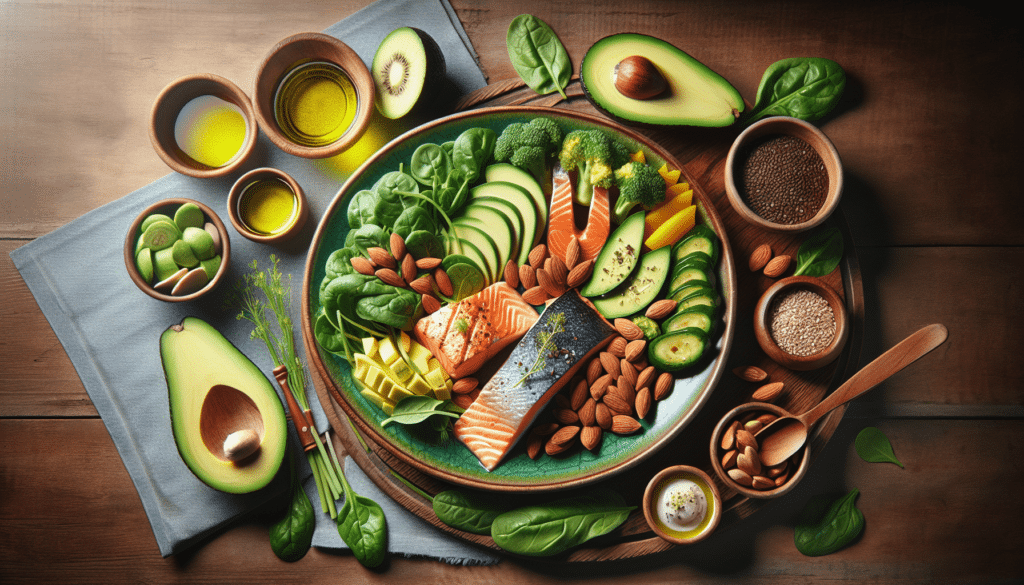
What if I told you that changing your diet could not only help you lose weight but also boost your overall health and energy levels? The Keto lifestyle offers an intriguing approach to nutrition, focusing on specific macronutrient balances that can transform the way your body processes food.
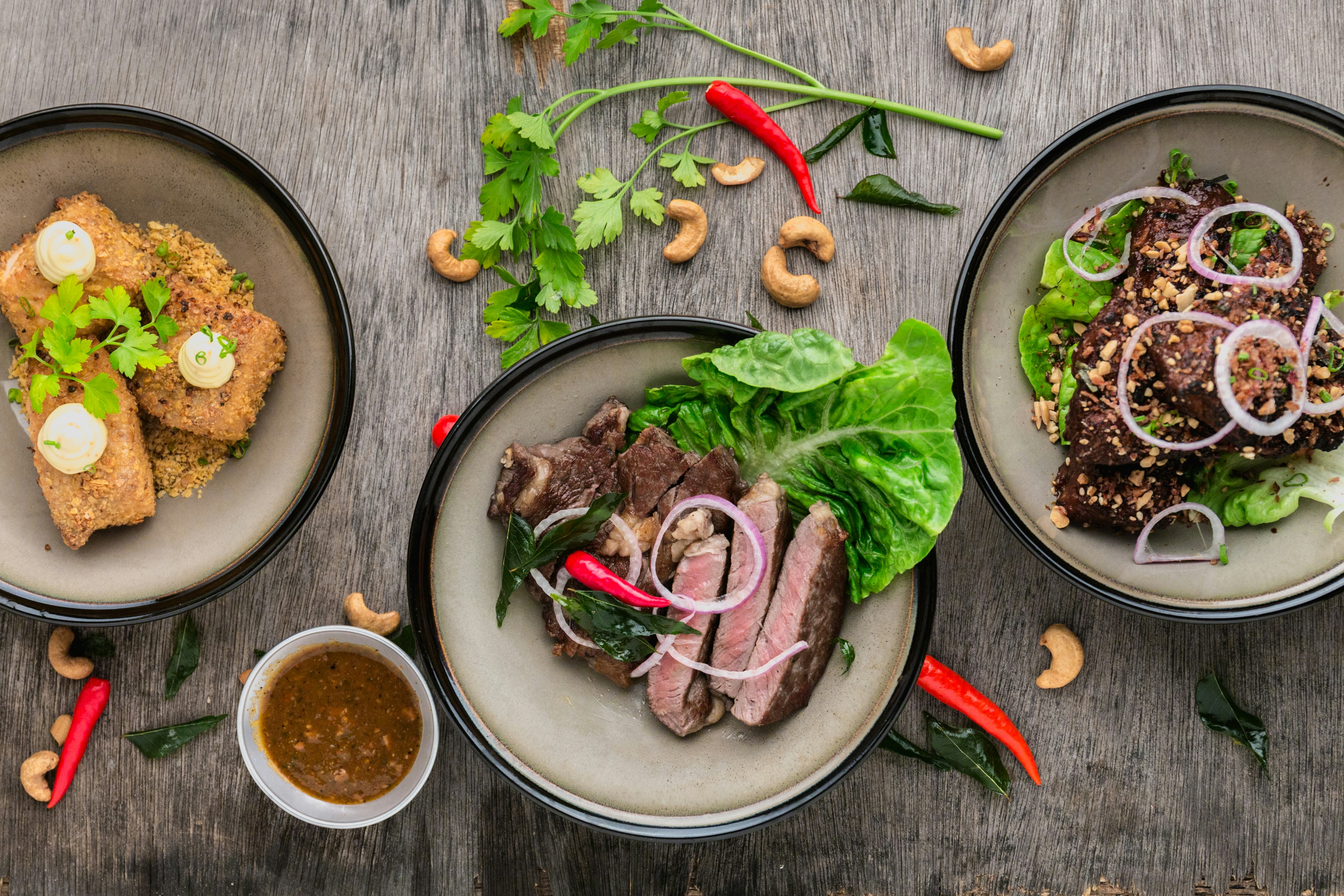
Understanding the Keto Lifestyle
The Keto lifestyle revolves around a high-fat, low-carbohydrate diet that pushes your body into a state called ketosis. In ketosis, your body becomes incredibly efficient at burning fat for energy. But what does this really mean for you?
What is Ketosis?
Ketosis is a metabolic state where your body, instead of relying on carbohydrates for energy, shifts to using fat. To reach ketosis, your carb intake typically should be reduced to about 5-10% of your daily caloric intake. This encourages your liver to produce ketones, which serve as an alternative energy source.
Why Choose a Keto Lifestyle?
You might be wondering why this is a popular choice for many people. A few reasons include:
- Weight Loss: By reducing carbs, your body begins to burn stored fat, leading to weight loss.
- Improved Mental Clarity: Many people report better focus and mental clarity due to the steady energy from fat.
- Increased Energy: Once your body adapts to burning fat, you may feel more energetic throughout your day.
Macronutrient Breakdown
Understanding the macronutrient ratios is crucial for a successful Keto lifestyle. The typical breakdown looks something like this:
| Macronutrient | Percentage of Daily Caloric Intake |
|---|---|
| Fat | 70-75% |
| Protein | 20-25% |
| Carbohydrates | 5-10% |
This emphasizes that fats become your primary source of energy, while protein and carbs are limited.
Getting Started on the Keto Lifestyle
Ready to give it a try? Transitioning your eating habits can be daunting, but with the right approach, it can be enjoyable and rewarding!
Educate Yourself
Before making any significant changes, it’s essential to educate yourself. Learn about keto-friendly foods, meal planning, and potential challenges you might encounter. Having a solid understanding will empower you in your journey.
Meal Planning
One of the secrets to successfully adopting a Keto lifestyle is thoughtful meal planning. Here’s how you can get started:
- List Keto-Friendly Foods: Focus on foods like meat, fatty fish, eggs, butter, cheese, nuts, and non-starchy vegetables.
- Create a Weekly Menu: Draft a meal plan for the week that includes breakfasts, lunches, dinners, and snacks.
- Grocery Shopping: Stick to your list of approved foods to stay on track while grocery shopping.
Common Keto Foods to Include
A diverse diet is essential, even when following a strict keto plan. Here’s a table of some common foods that fit within the Keto framework:
| Food Group | Keto-Friendly Options |
|---|---|
| Proteins | Chicken, Beef, Pork, Eggs |
| Fat Sources | Avocados, Olive Oil, Butter |
| Dairy | Cheese, Cream, Greek Yogurt |
| Vegetables | Spinach, Kale, Zucchini |
| Nuts and Seeds | Almonds, Walnuts, Chia Seeds |
Possible Challenges
While embarking on your Keto journey, be prepared for some challenges. Initially, as your body adjusts, you may experience what’s often termed the “Keto flu.” Symptoms can include fatigue, headache, and irritability. However, these usually subside within a few days.
Staying Hydrated
During the transition into ketosis, your body may lose a lot of water weight, so hydration is key. Be sure to drink plenty of water and consider electrolyte supplementation as well. Staying hydrated can combat some of the initial Keto flu symptoms.

Monitoring Your Progress
Tracking your progress can be motivating and help you stay accountable. There are several ways you can go about this.
Keeping a Food Diary
A food diary can help you see what you’re eating and how it aligns with your Keto goals. You can include:
- Meals and snacks
- Macronutrient contents
- How you feel each day
Using Ketone Test Strips
If you want to get more technical, ketone test strips can be used to measure the ketone levels in your urine. A higher level indicates that your body is in ketosis. This can provide reassurance and motivation as you adjust to the lifestyle.
Cooking on a Keto Diet
Cooking might feel challenging at first, but it can also be your best ally in achieving your goals. Embrace the process of cooking with fresh ingredients and experimenting with new recipes.
Easy Keto Recipes
Having simple recipes in your back pocket can make life easier. Here are a few ideas to spark your creativity:
Breakfast Options
- Scrambled Eggs with Spinach: Quick to prepare and full of healthy fats.
- Avocado Smoothie: Blend avocado with coconut milk for a creamy breakfast treat.
Lunch Ideas
- Chicken Salad: Mix shredded chicken with mayonnaise and diced celery.
- Zucchini Noodles: Swap traditional pasta for spiralized zucchini with your favorite sauce.
Dinner Dishes
- Baked Salmon: Drizzle with olive oil and bake; serve with asparagus.
- Cauliflower Rice Stir-Fry: Sauté cauliflower rice with veggies and your choice of protein.
Snack Suggestions
Keep snacks handy to stay on track. Consider:
- Cheese sticks
- Nuts
- Hard-boiled eggs

Eating Out on Keto
Dining out doesn’t have to derail your Keto lifestyle. Knowing how to navigate menus is key.
Making Smart Choices
When you’re at a restaurant:
- Look for Low-Carb Options: Choose salads with fatty dressings or dishes that focus on proteins.
- Ask for Modifications: Don’t hesitate to request substitutions. For example, replace bread with extra vegetables.
- Avoid Hidden Carbs: Be wary of sauces and dressings that may contain sugar.
Communicating Your Needs
Most restaurants are eager to accommodate dietary preferences, so it’s perfectly fine to express your needs. Sharing that you follow a Keto lifestyle can help servers suggest suitable dishes.
Benefits Beyond Weight Loss
While many people pursue the Keto lifestyle for weight loss, there are other potential benefits to consider.
Improved Health Markers
Research indicates that a high-fat, low-carb diet may positively affect several health indicators. These include:
- Blood Sugar Control: A Keto lifestyle can help stabilize blood sugar levels, which is crucial for those with diabetes.
- Reduced Inflammation: Some studies show that a ketogenic diet may reduce inflammation markers in the body.
- Heart Health: By frequently consuming healthy fats, some individuals see improved cholesterol and triglyceride levels.
Mental Clarity and Focus
Many people report heightened mental clarity and focus while on the Keto diet. The steady availability of ketones as an energy source can help avoid the brain fog often associated with carb-heavy diets.
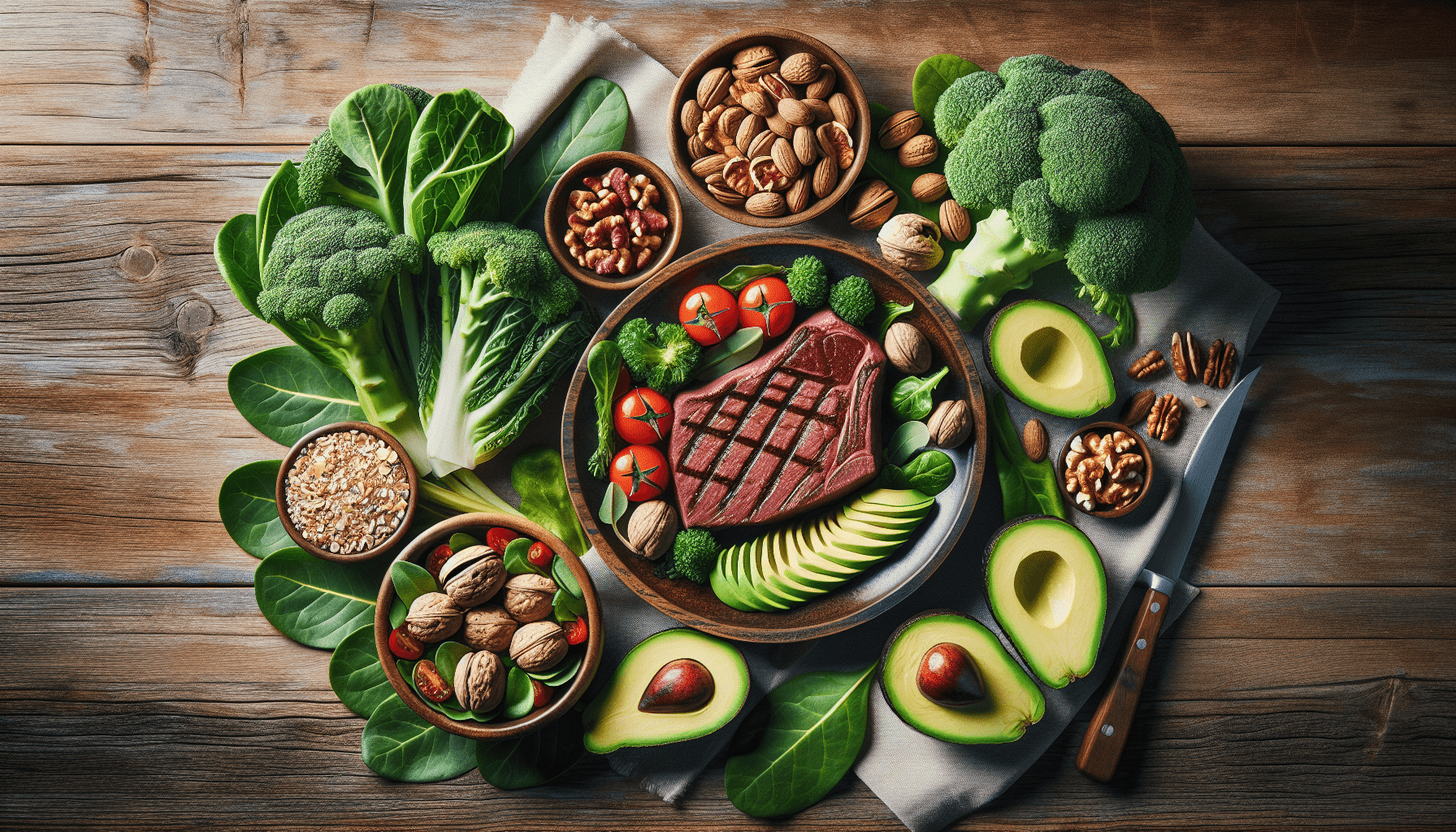
Embracing the Long-Term Changes
Adopting a Keto lifestyle is a significant commitment, but the rewards are worth it.
Building a Support Network
Connecting with others who share similar goals can create a supportive environment. Whether through social media groups, local meetups, or online forums, engaging with a community can provide motivation and encouragement.
Being Flexible
While sticking to the Keto diet is important, it’s equally essential to be flexible and listen to your body. Enjoying a treat occasionally can help you maintain a balanced approach without feeling deprived.
Continuing Your Education
The world of nutrition is always evolving. Stay informed about new research, recipes, and tips to keep your Keto lifestyle fresh and enjoyable.
Conclusion: Is Keto Right for You?
As you reflect on the insights shared, consider whether the Keto lifestyle aligns with your health goals. Each individual’s journey is unique, so it’s important to find what works best for you.
Choosing to embrace the Keto lifestyle can be transformative. Whether you seek weight loss, improved clarity, or better health markers, this approach may offer the changes you’re looking for. Embrace the journey with an open heart and mind, and let your body guide you along the way.
Remember, the goal is to create sustainable habits that nourish your body and mind, so take it one day at a time.