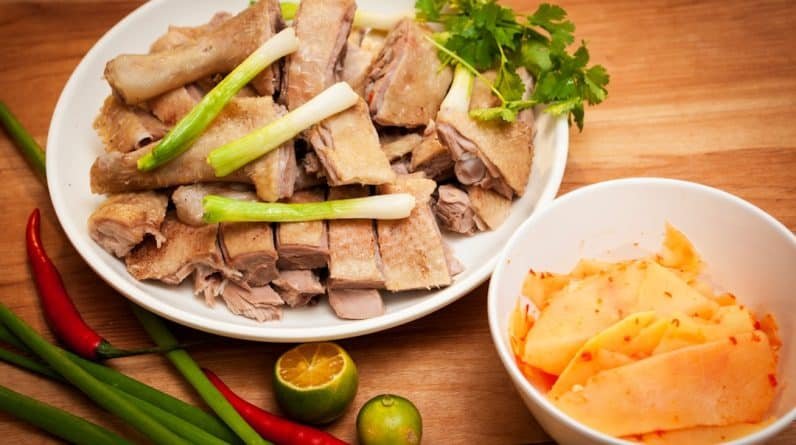
The ketogenic diet, commonly referred to as the keto diet, has gained immense popularity over the past few years as a powerful tool for weight loss and overall health improvement. This high-fat, low-carbohydrate dietary approach aims to shift the body’s metabolism from relying on glucose derived from carbohydrates to utilizing fat as its primary energy source. By drastically reducing carbohydrate intake and replacing it with fat, the body enters a metabolic state known as ketosis.
In this state, the liver converts fatty acids into ketones, which serve as an alternative fuel source for the brain and body. The origins of the keto diet can be traced back to the early 20th century when it was initially developed as a treatment for epilepsy. Researchers discovered that fasting could reduce seizure frequency in patients, leading to the formulation of a diet that mimicked the effects of fasting without complete food deprivation.
Over time, the keto diet has evolved and expanded beyond its medical roots, attracting individuals seeking weight loss, improved mental clarity, and enhanced physical performance. As more people adopt this lifestyle, understanding its principles and practical applications becomes essential for achieving desired results.
Key Takeaways
- The keto diet is a low-carb, high-fat diet that can help with weight loss and improve overall health.
- The keto food chart outlines which foods are low in carbs and high in fats, making it easier to plan meals.
- Using a downloadable keto food chart can make meal planning and grocery shopping more convenient.
- Tracking macros and nutrients is important for staying in ketosis and reaping the benefits of the keto diet.
- Recommended foods for a keto diet include meat, fish, eggs, low-carb vegetables, and healthy fats.
Understanding the Keto Food Chart
A keto food chart is an invaluable resource for anyone embarking on a ketogenic diet. It serves as a visual guide that categorizes foods based on their macronutrient composition—specifically, their carbohydrate, fat, and protein content. The primary goal of the keto diet is to maintain a specific macronutrient ratio, typically around 70-75% fat, 20-25% protein, and only 5-10% carbohydrates.
This ratio is crucial for achieving and sustaining ketosis, making the food chart an essential tool for meal planning and grocery shopping. The food chart typically divides foods into various categories such as fats and oils, proteins, vegetables, dairy products, nuts and seeds, and low-carb fruits. Each category lists foods along with their respective macronutrient values, allowing individuals to make informed choices about what to include in their meals.
For instance, while avocados and olive oil are excellent sources of healthy fats that fit perfectly within the keto framework, starchy vegetables like potatoes and corn are high in carbohydrates and should be avoided. Understanding these distinctions is vital for anyone looking to successfully navigate the complexities of a ketogenic lifestyle.
Benefits of Using a Downloadable Keto Food Chart

One of the most significant advantages of utilizing a downloadable keto food chart is the convenience it offers. With a digital version readily accessible on smartphones or tablets, individuals can easily reference it while grocery shopping or meal prepping. This accessibility ensures that users can make informed decisions on-the-go, reducing the likelihood of impulse purchases that may derail their dietary goals.
Furthermore, many downloadable charts are customizable, allowing users to tailor them according to personal preferences or specific dietary needs. Another benefit of using a downloadable keto food chart is the ability to track progress over time. Many charts come with features that allow users to log their daily food intake and monitor their macronutrient ratios.
This tracking capability can be particularly motivating for individuals who thrive on data-driven insights. By visualizing their progress and understanding how different foods impact their ketosis levels, users can make adjustments to their diets as needed, ultimately enhancing their chances of long-term success on the keto journey.
How to Use the Keto Food Chart
Using a keto food chart effectively requires a basic understanding of how to interpret its information. First and foremost, individuals should familiarize themselves with the macronutrient ratios that define a ketogenic diet. Once they grasp these ratios, they can begin selecting foods from each category on the chart that align with their dietary goals.
For example, when planning meals for the day, one might choose fatty cuts of meat from the protein section while incorporating non-starchy vegetables from the vegetable category to create balanced dishes. Meal planning is another critical aspect of utilizing a keto food chart. By mapping out meals for the week ahead based on the foods listed in the chart, individuals can ensure they remain within their desired macronutrient ranges.
This proactive approach not only simplifies grocery shopping but also minimizes the temptation to reach for high-carb snacks or meals when hunger strikes. Additionally, users can experiment with different recipes that incorporate various foods from the chart, keeping their meals exciting and diverse while adhering to their dietary restrictions.
Importance of Tracking Macros and Nutrients
Tracking macronutrients is a cornerstone of successfully following a ketogenic diet. The precise balance of fats, proteins, and carbohydrates is essential for maintaining ketosis and reaping the benefits associated with this metabolic state. By monitoring their daily intake of these macronutrients, individuals can ensure they are consuming enough healthy fats to fuel their bodies while avoiding excess carbohydrates that could kick them out of ketosis.
In addition to macronutrients, tracking micronutrients—such as vitamins and minerals—is equally important for overall health. A well-rounded ketogenic diet should include a variety of nutrient-dense foods to prevent deficiencies that could arise from eliminating certain food groups. For instance, leafy greens provide essential vitamins like vitamin K and folate while also being low in carbohydrates.
By keeping an eye on both macros and micros through tools like food journals or apps designed for tracking dietary intake, individuals can optimize their health while adhering to their keto lifestyle.
Recommended Foods for a Keto Diet
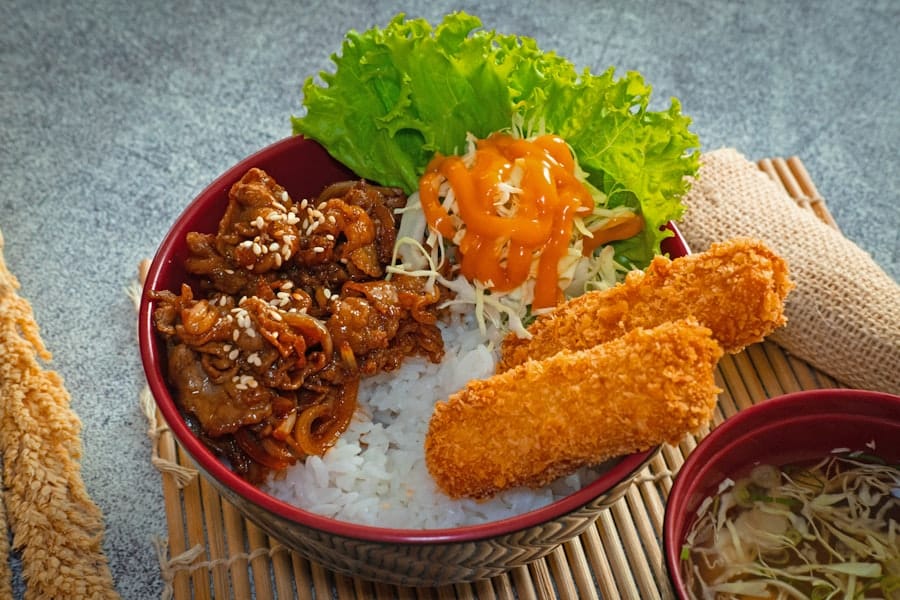
When embarking on a ketogenic diet, selecting the right foods is crucial for achieving success. Recommended foods typically include high-quality fats such as avocados, olive oil, coconut oil, and grass-fed butter. These fats not only provide energy but also support overall health by promoting heart health and reducing inflammation.
Additionally, fatty cuts of meat like ribeye steak or pork belly are excellent protein sources that align well with keto principles. Non-starchy vegetables are another essential component of a ketogenic diet. Vegetables such as spinach, kale, broccoli, cauliflower, and zucchini are low in carbohydrates while being rich in fiber and essential nutrients.
These vegetables can be incorporated into various dishes or enjoyed raw in salads. Furthermore, nuts and seeds like almonds, walnuts, chia seeds, and flaxseeds offer healthy fats along with protein and fiber, making them ideal snacks or additions to meals. Lastly, low-carb fruits such as berries can be enjoyed in moderation due to their lower sugar content compared to other fruits.
Foods to Avoid on a Keto Diet
To maintain ketosis effectively, certain foods must be avoided due to their high carbohydrate content. Grains such as wheat, rice, oats, and corn are significant sources of carbs and should be eliminated from a ketogenic diet. This includes not only whole grains but also processed foods made from these grains like bread, pasta, and cereals.
Sugary foods are another category to steer clear of; this includes candies, desserts, sweetened beverages, and even certain sauces that contain added sugars. Starchy vegetables also pose a challenge for those following a keto diet. Potatoes, sweet potatoes, corn, and peas are all high in carbohydrates and can quickly disrupt ketosis if consumed in large quantities.
Additionally, many fruits are high in sugar; therefore, it’s advisable to limit or avoid fruits like bananas, grapes, apples, and oranges while focusing on lower-carb options like berries instead. By being mindful of these food categories and making conscious choices based on the keto food chart, individuals can better adhere to their dietary goals.
Sample Meal Plans Using the Keto Food Chart
Creating meal plans using a keto food chart can simplify daily eating while ensuring adherence to macronutrient goals. A sample meal plan might start with breakfast options such as scrambled eggs cooked in butter with spinach and feta cheese alongside avocado slices. For lunch, one could enjoy a salad topped with grilled chicken breast drizzled with olive oil and vinegar dressing while incorporating low-carb vegetables like cucumbers and bell peppers.
Dinner could feature baked salmon served with asparagus sautéed in garlic butter and a side of cauliflower rice seasoned with herbs. Snacks throughout the day might include a handful of almonds or celery sticks paired with cream cheese or guacamole. By utilizing the food chart effectively in meal planning, individuals can create diverse menus that keep them satisfied while remaining within their carbohydrate limits.
Tips for Success on a Keto Diet
Success on a ketogenic diet often hinges on preparation and education. One effective tip is to meal prep at the beginning of each week; this involves cooking large batches of keto-friendly meals that can be portioned out for quick access during busy days. Having ready-to-eat meals on hand reduces reliance on convenience foods that may not align with dietary goals.
Another important strategy is to stay hydrated and maintain electrolyte balance. As the body transitions into ketosis, it tends to excrete more water and electrolytes like sodium and potassium. Therefore, consuming adequate fluids along with electrolyte-rich foods or supplements can help mitigate symptoms often referred to as “keto flu.” Additionally, finding support through online communities or local groups can provide motivation and accountability throughout one’s keto journey.
Additional Resources for a Keto Lifestyle
For those looking to deepen their understanding of the ketogenic lifestyle or seeking additional support tools, numerous resources are available online and in print. Websites dedicated to keto recipes often feature meal plans tailored specifically for different dietary preferences or restrictions—such as vegetarian or dairy-free options—making it easier for individuals to find suitable meals. Books authored by experts in nutrition provide comprehensive insights into the science behind ketosis along with practical tips for implementation.
Many apps designed for tracking food intake also offer features specifically tailored for ketogenic diets; these tools can help users log meals efficiently while monitoring their macronutrient ratios effectively.
Conclusion and Final Thoughts
The ketogenic diet presents an opportunity for individuals seeking weight loss or improved health through dietary changes focused on fat consumption while minimizing carbohydrates. Utilizing resources like a keto food chart enhances one’s ability to navigate this lifestyle effectively by providing clear guidance on food choices aligned with dietary goals. By understanding how to use these charts alongside tracking macros and nutrients diligently, individuals can optimize their chances of success while enjoying diverse meals that support their health objectives.
As more people explore this dietary approach’s potential benefits—ranging from weight loss to enhanced mental clarity—the importance of education cannot be overstated. With proper preparation and access to reliable resources, anyone can embark on their keto journey equipped with knowledge that fosters long-term adherence and success in achieving their health goals.
FAQs
What is a Keto Food Chart?
A Keto Food Chart is a comprehensive list of foods that are suitable for a ketogenic diet. It categorizes foods into those that are low in carbohydrates and high in fats, which are the main components of a keto diet.
What is the purpose of a Keto Food Chart?
The purpose of a Keto Food Chart is to help individuals following a ketogenic diet to easily identify which foods are appropriate for their dietary requirements. It provides a quick reference guide for meal planning and grocery shopping.
What information is typically included in a Keto Food Chart?
A Keto Food Chart typically includes a list of low-carb, high-fat foods such as meats, fish, dairy products, nuts, seeds, and low-carb vegetables. It may also provide serving sizes and macronutrient breakdowns for each food item.
Where can I find a Downloadable Keto Food Chart?
A Downloadable Keto Food Chart can be found on various websites and online resources dedicated to ketogenic diets and nutrition. It is often available in PDF or printable format for easy access and reference.
How can a Keto Food Chart benefit someone following a ketogenic diet?
A Keto Food Chart can benefit someone following a ketogenic diet by providing a convenient and organized resource for meal planning, ensuring that they are consuming the right balance of macronutrients to maintain ketosis and achieve their health and weight loss goals.