The ketogenic diet, often referred to simply as the keto diet, is a low-carbohydrate, high-fat eating plan that has gained immense popularity in recent years. At its core, the keto diet aims to shift your body’s metabolism from burning carbohydrates for energy to burning fat. This metabolic state is known as ketosis, where your body becomes highly efficient at converting fat into ketones, which serve as an alternative energy source.
By drastically reducing your carbohydrate intake and replacing it with healthy fats, you can encourage your body to enter this state of ketosis, leading to various health benefits. As you embark on this dietary journey, it’s essential to understand the macronutrient ratios that define the keto diet. Typically, a standard keto diet consists of approximately 70-75% fats, 20-25% protein, and only about 5-10% carbohydrates.
This significant reduction in carbs forces your body to adapt and utilize fat for fuel instead. While this may sound daunting at first, many find that the transition can lead to increased energy levels, improved mental clarity, and even weight loss. However, it’s crucial to approach the keto diet with a well-informed mindset to ensure you reap its benefits while maintaining overall health.
Key Takeaways
- The keto diet is a high-fat, low-carb eating plan that can help the body burn fat more effectively.
- High-carb foods to avoid on the keto diet include grains, starchy vegetables, and sugary snacks.
- Keto-friendly alternatives to high-carb foods include cauliflower rice, zucchini noodles, and almond flour.
- Moderation is key when incorporating occasional high-carb treats into a keto diet to avoid derailing progress.
- Managing cravings and temptations on the keto diet can be achieved through mindful eating and finding satisfying substitutes.
Identifying High-Carb Foods
To successfully navigate the keto diet, you must first identify which foods are high in carbohydrates. This step is vital because it allows you to make informed choices about what to include in your meals and what to avoid. Common culprits of high-carb foods include grains such as bread, pasta, and rice, as well as sugary snacks like candies, cookies, and pastries.
Additionally, many fruits are also high in sugar content, making them less suitable for a ketogenic lifestyle. By familiarizing yourself with these foods, you can better plan your meals and snacks. Moreover, it’s not just about avoiding obvious high-carb foods; you should also be aware of hidden sources of carbohydrates that may lurk in processed foods.
Many sauces, dressings, and condiments contain added sugars or starches that can quickly add up in your daily carb count. Even seemingly healthy options like granola or certain protein bars can be deceptively high in carbohydrates. By reading labels carefully and being mindful of your food choices, you can effectively steer clear of these high-carb traps and stay on track with your keto goals.
Finding Keto-Friendly Alternatives

Once you’ve identified high-carb foods that you need to limit or eliminate from your diet, the next step is to find keto-friendly alternatives that can satisfy your cravings without derailing your progress. Fortunately, there are numerous substitutes available that can help you maintain a delicious and varied diet while adhering to keto principles. For instance, instead of traditional pasta made from wheat, you can opt for zucchini noodles or spaghetti squash.
These vegetable-based alternatives provide a similar texture while significantly reducing carbohydrate content. In addition to swapping out pasta, consider alternatives for other staples in your diet. Cauliflower rice is an excellent substitute for regular rice and can be used in stir-fries or as a base for various dishes.
When it comes to bread, there are many recipes available for low-carb bread made from almond flour or coconut flour. These alternatives not only help you stay within your carb limits but also allow you to enjoy familiar flavors and textures without compromising your dietary goals. By exploring these options, you can create satisfying meals that align with your keto lifestyle.
Incorporating Moderation into Your Diet
While the keto diet emphasizes low carbohydrate intake, it’s essential to remember that moderation is key in any dietary approach. Even within the framework of a ketogenic lifestyle, it’s possible to overindulge in high-fat foods. For instance, while avocados and nuts are healthy fats that fit within the keto guidelines, consuming them in excessive amounts can lead to unwanted weight gain or hinder your progress.
Therefore, practicing portion control and being mindful of your overall caloric intake is crucial for achieving long-term success. Incorporating moderation also means allowing yourself the occasional treat without feeling guilty. The rigid nature of some diets can lead to feelings of deprivation, which may ultimately result in binge eating or abandoning the diet altogether.
Instead of viewing certain foods as off-limits, consider allowing yourself small portions of higher-carb foods on special occasions or when you’re celebrating with friends and family. This balanced approach can help you maintain a healthier relationship with food while still enjoying the benefits of a ketogenic lifestyle.
Managing Cravings and Temptations
Cravings are a natural part of any dietary change, especially when transitioning to a low-carb lifestyle like keto. As you reduce your carbohydrate intake, your body may initially crave sugary or starchy foods that it has become accustomed to. To effectively manage these cravings, it’s essential to have strategies in place that can help you navigate temptations without succumbing to them.
One effective method is to keep healthy snacks on hand that align with your dietary goals. Nuts, cheese sticks, or even keto-friendly protein bars can provide a satisfying alternative when cravings strike. Another helpful tactic is to stay hydrated and ensure you’re consuming enough electrolytes.
Sometimes cravings can be mistaken for hunger or thirst; by drinking plenty of water and incorporating electrolyte-rich foods like leafy greens or avocados into your meals, you may find that your cravings diminish over time. Additionally, engaging in activities that distract you from food—such as exercise or hobbies—can also help manage cravings effectively. By developing these coping mechanisms, you’ll be better equipped to handle temptations and stay committed to your keto journey.
Seeking Support and Guidance
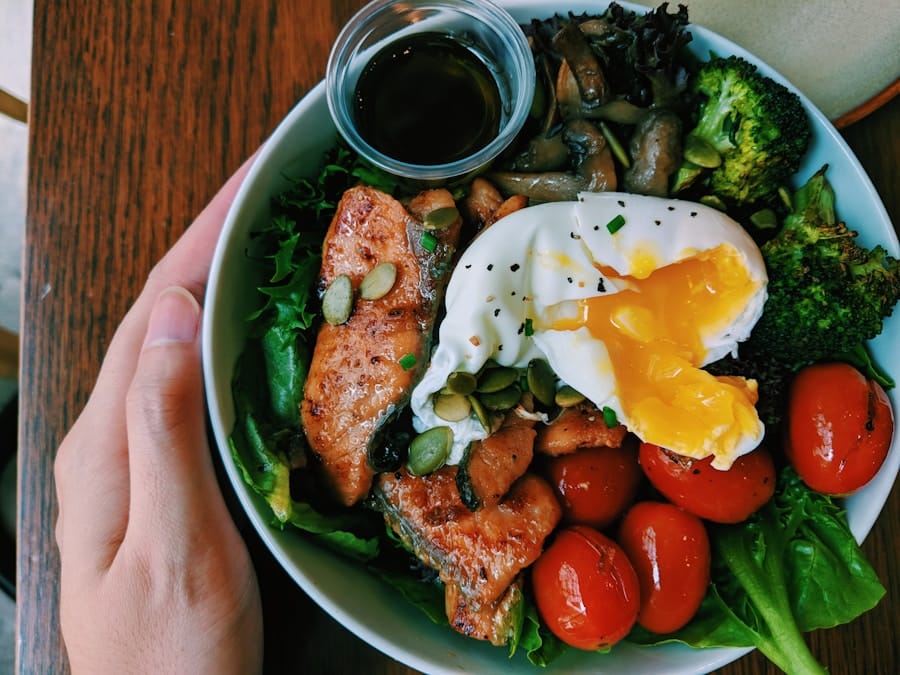
Empowerment through Support
With the right support system in place, you’ll feel more empowered to tackle any obstacles that come your way on your keto journey.
Experimenting with New Recipes
One of the most enjoyable aspects of adopting a ketogenic lifestyle is the opportunity to experiment with new recipes and flavors. The world of keto cooking is vast and diverse, offering countless ways to create delicious meals that satisfy your taste buds while keeping carbs in check. From savory dishes like cauliflower pizza crusts to sweet treats made with almond flour and sugar substitutes, there’s no shortage of creativity when it comes to preparing keto-friendly meals.
As you explore new recipes, don’t hesitate to put your own spin on traditional dishes by substituting high-carb ingredients with low-carb alternatives. For example, if you love tacos but want to keep them keto-friendly, consider using lettuce leaves instead of tortillas for a fresh twist. You might also discover new flavor combinations that become favorites in your household.
By embracing experimentation in the kitchen, you’ll not only keep mealtime exciting but also develop a repertoire of go-to recipes that align with your dietary goals.
Enjoying the Benefits of a Keto Lifestyle
As you continue on your keto journey, it’s essential to take a moment to appreciate the numerous benefits that come with this lifestyle change. Many individuals report experiencing increased energy levels and improved mental clarity after transitioning into ketosis. This newfound vitality can enhance productivity in both personal and professional aspects of life.
Additionally, many people find that they have better control over their appetite and cravings once they adapt to a low-carb diet, making it easier to maintain their weight loss goals. Beyond physical benefits, adopting a ketogenic lifestyle can also foster a greater sense of mindfulness around food choices and overall health. As you become more aware of what you’re consuming and how it affects your body, you may develop healthier habits that extend beyond just following a specific diet plan.
Ultimately, embracing the keto lifestyle can lead not only to weight loss but also to improved overall well-being and a deeper connection with your body’s needs. By celebrating these benefits along the way, you’ll find motivation to continue thriving on your keto journey for years to come.
FAQs
What is the keto diet?
The keto diet is a high-fat, low-carbohydrate eating plan that has been shown to help with weight loss and improve certain health conditions.
Will I need to give up all of my favorite foods on the keto diet?
While some favorite foods may need to be limited or avoided on the keto diet, there are many keto-friendly alternatives and recipes available that can satisfy cravings for familiar flavors.
What are some examples of keto-friendly alternatives to favorite foods?
For example, cauliflower can be used as a substitute for rice or potatoes, and almond flour can be used in place of traditional flour for baking.
Can I still enjoy desserts and snacks on the keto diet?
Yes, there are many keto-friendly dessert and snack options available, such as sugar-free chocolate, nuts, and low-carb sweeteners.
Are there any specific foods that must be completely avoided on the keto diet?
Foods that are high in carbohydrates, such as bread, pasta, and sugary snacks, should be limited or avoided on the keto diet in order to maintain a state of ketosis.