Have you ever wondered how changing your diet can impact your health and energy levels? The ketogenic diet has gained significant popularity in recent years, and many people are curious about what it is and how it works. In this article, you’ll find a friendly guide to understanding the ketogenic diet, its benefits, challenges, and how to implement it properly.

What is the Ketogenic Diet?
The ketogenic diet, often shortened to “keto,” is a high-fat, moderate-protein, and low-carbohydrate dietary plan. The aim is to shift your body’s metabolism from burning carbohydrates for energy to burning fats. This shift is accomplished through a process called ketosis, where your body produces ketones from fat, which become its primary energy source.
The Basics of Ketosis
Ketosis is a natural metabolic state that occurs when your body has a shortage of carbohydrates. During this state, your liver transforms fat into ketones, which serves as an alternative fuel. When you enter ketosis, several remarkable changes happen in your body that can enhance your health.
- Fat burning: When in ketosis, your body becomes efficient at burning fat, which can help with weight loss.
- Reduced blood sugar levels: Lowering carb intake stabilizes blood sugar, which may benefit those with insulin resistance or type 2 diabetes.
- Increased energy: Many people report having steady energy levels once they adapt to ketosis.
How the Ketogenic Diet Works
Understanding how the ketogenic diet functions can help you maximize its benefits. Let’s take a bite-sized look at the macronutrient ratio you’ll typically follow on a keto diet.
Macronutrient Composition
In a standard ketogenic diet, the macronutrient ratios are usually:
| Macronutrient | Percentage of Daily Intake |
|---|---|
| Fat | 70-75% |
| Protein | 20-25% |
| Carbohydrates | 5-10% |
This drastic reduction in carbohydrates is essential for triggering ketosis. By limiting carbs, your body seeks other sources of energy, primarily fats.
Types of Ketogenic Diets
There are several variations of the ketogenic diet, and knowing the difference can help you choose the best path for your lifestyle. Here are a few common types:
- Standard Ketogenic Diet (SKD): This is the most common form, characterized by high fat, moderate protein, and very low carbohydrate intake.
- Targeted Ketogenic Diet (TKD): This approach allows for more carbohydrates around workouts, which is great for those who exercise intensely.
- Cyclical Ketogenic Diet (CKD): In this method, you alternate between periods of low-carb dieting and higher-carb intake. For example, five days on a ketogenic plan followed by two higher-carb days.
- High-Protein Ketogenic Diet: Similar to SKD but with a higher proportion of protein. It might contain 60% fat, 35% protein, and 5% carbohydrates.

Health Benefits of the Ketogenic Diet
Why are so many people turning to the ketogenic diet? The benefits are substantial, especially for those looking for alternative approaches to health and wellness.
Weight Loss
One of the most sought-after benefits of the ketogenic diet is weight loss. People often find they can reduce body fat when following this diet. As your body burns stored fat for energy, you may notice a decrease in appetite and more stable energy levels throughout the day.
Improved Mental Clarity
Many individuals report experiencing improved focus and mental clarity on the ketogenic diet. This cognitive boost can be attributed to a stable energy source from ketones, which may enhance brain function and performance.
Enhanced Athletic Performance
While athletes may need to consider balancing carbs for higher intensity workouts, many find that once they are keto-adapted, their stamina and endurance improve. This diet shifts the body’s reliance from sugar to fat stores, which can be beneficial for endurance sports and long-term workouts.
Better Blood Sugar Control
If you’re struggling with blood sugar management, the ketogenic diet may offer significant improvements. The reduction in carbohydrates helps stabilize glucose levels, which can be beneficial for individuals with prediabetes or type 2 diabetes.
Potential Therapeutic Effects
Research suggests that ketogenic diets may have therapeutic effects for certain conditions. For example, it has been used as a treatment for epilepsy, particularly in children who do not respond to medication. The potential benefits for other neurological disorders and some types of cancer are also under investigation.
Challenges of the Ketogenic Diet
While the ketogenic diet offers many advantages, it can come with its unique set of challenges. Understanding these challenges is crucial as you navigate your journey.
Keto Flu
When transitioning to a ketogenic diet, some people experience “keto flu.” This condition can manifest as fatigue, headaches, irritability, and flu-like symptoms as your body adjusts to burning fat instead of carbohydrates. This is typically temporary, but staying hydrated and replacing electrolytes can alleviate symptoms.
Social Challenges
Adhering to a ketogenic diet can be tricky in social situations, especially where food choices are limited. Being prepared with your plan may involve bringing your meals or communicating your dietary needs with friends and family.
Nutrient Deficiencies
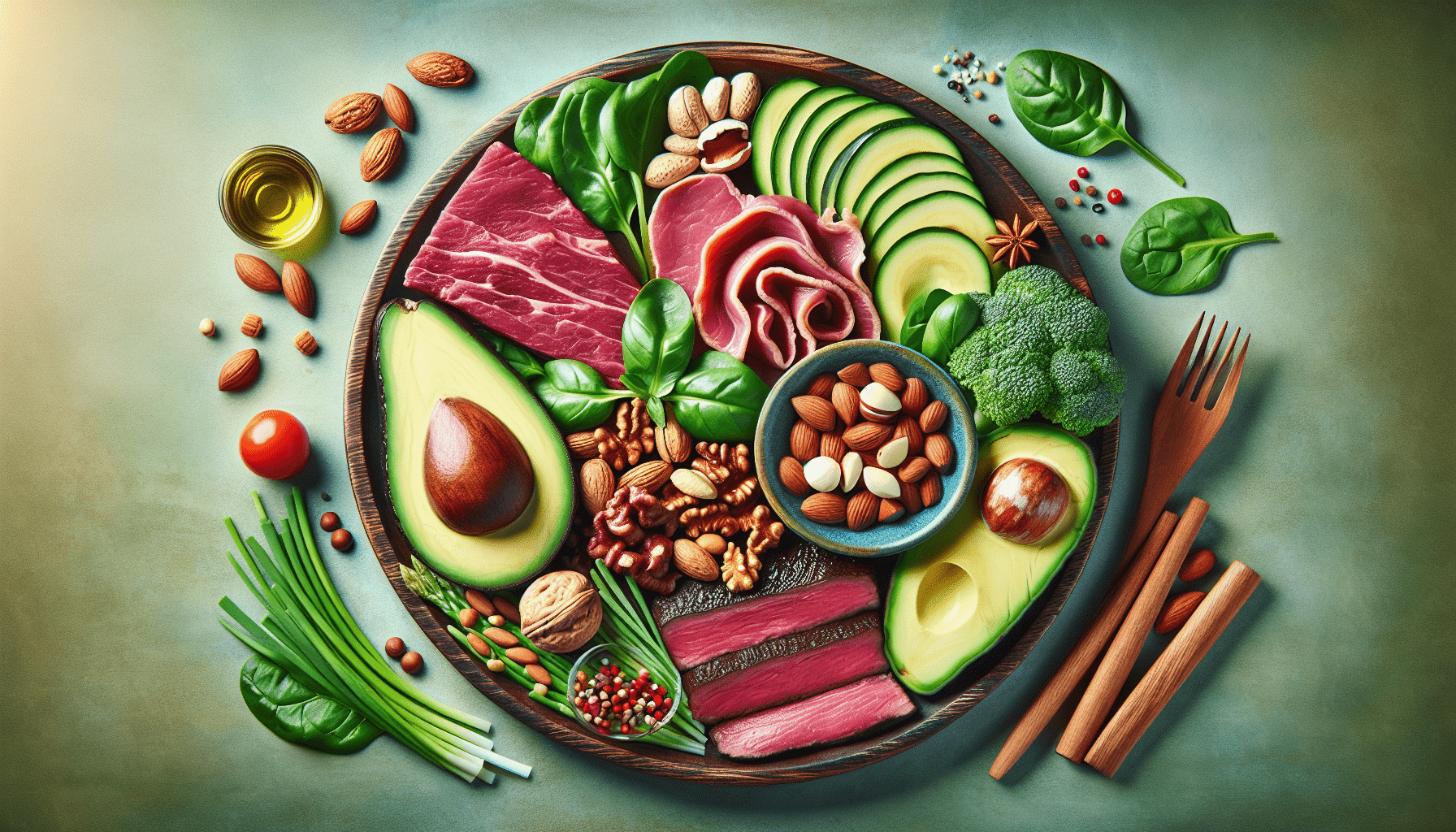
Eliminating or heavily restricting certain food groups can lead to nutrient deficiencies. It’s important to focus on whole, nutrient-dense foods and consider supplements if necessary. Foods like leafy greens, nuts, seeds, and avocados are great choices to ensure you’re not missing out on essential nutrients.
Long-Term Sustainability
Many people find strict adherence to the ketogenic diet difficult to maintain long-term. It’s important to consider whether the ketogenic lifestyle aligns with your long-term health goals and preferences.
Getting Started with the Ketogenic Diet
If you’re considering starting the ketogenic diet, it’s essential to plan thoughtfully. Here’s a strategy to help you ease into it.
1. Educate Yourself
Before diving in, take some time to research and understand the principles of the ketogenic diet. Familiarizing yourself with foods that fit within this lifestyle will simplify your transition.
2. Plan Your Meals
Having a meal plan is a game-changer. You can create a week’s worth of meals in advance, focusing on the macronutrient ratios you’d like to maintain. Include a variety of proteins, healthy fats, and low-carb vegetables in your meal prep.
3. Stock Up on Ketogenic Foods
When you’re ready to start, make sure to fill your pantry and refrigerator with keto-friendly items. Here’s a quick list of what to include:
| Category | Examples |
|---|---|
| Proteins | Meat, fish, eggs, tofu |
| Healthy Fats | Avocado oil, olive oil, coconut oil |
| Low-Carb Veggies | Spinach, kale, broccoli, zucchini |
| Snacks | Nuts, seeds, cheese |
4. Monitor Your Progress
Keep track of your meals and how you feel during the transition. Note any physical changes, energy levels, and mental clarity improvements. Adjust your food choices based on what works best for you.
5. Stay Hydrated and Replace Electrolytes
Drink plenty of water throughout the day, especially as your body adjusts to ketosis. You may also need to increase your intake of electrolytes through foods or supplements, as a lower carbohydrate intake can result in a decreased retention of these essential minerals.
Common Myths About the Ketogenic Diet
There are often misunderstandings that can discourage newcomers from trying the ketogenic diet. Here are a few myths you might encounter and the reality behind them.
Myth 1: Keto is Just Another Fad Diet
While the ketogenic diet has gained popularity in recent years, it has a historical context that dates back to the 1920s as a therapeutic diet for epilepsy, especially in children. It’s rooted in science and nutrition, rather than just a passing trend.
Myth 2: You Can’t Eat Any Carbs
While the ketogenic diet is low-carb, it’s not completely devoid of carbohydrates. You can still consume non-starchy vegetables and small portions of berries while remaining within your daily carb limit.
Myth 3: High Fat Equals Bad Health
It’s essential to differentiate between types of fat. The keto diet encourages the consumption of healthy fats from sources like avocados, nuts, and olive oil, which can actually promote heart health when consumed in moderation as part of a balanced diet.
Myth 4: It’s Impossible to Maintain Long-Term
Many people have successfully maintained a ketogenic lifestyle by adopting a more balanced approach over time. You can transition to a more moderate low-carb diet and cycle back to keto when desired.

Conclusion
Understanding the ketogenic diet can empower you to make informed decisions about your health and nutrition. As you consider implementing this dietary style, approach it with a positive mindset while remaining aware of the challenges it presents. Remember, every journey is unique; listening to your body and adjusting as necessary is crucial for long-term success.
Whether you aim for weight loss, mental clarity, or better blood sugar control, the ketogenic diet might be a fitting option for you. Always consult with a medical professional or a registered dietitian before embarking on any major dietary changes, especially if you have pre-existing conditions. Enjoy the journey, and embrace the positive changes that a well-implemented ketogenic diet can bring to your life!