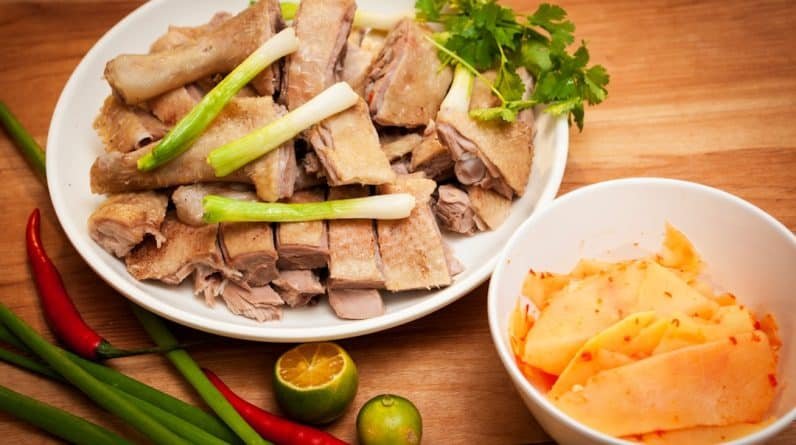
The ketogenic diet, often referred to simply as “keto,” is a high-fat, low-carbohydrate eating plan that has gained immense popularity in recent years.
This metabolic state is known as ketosis, where your body becomes highly efficient at burning fat for fuel.
By drastically reducing your carbohydrate intake and replacing it with healthy fats, you can encourage your body to enter this state, leading to various health benefits, including weight loss, improved mental clarity, and increased energy levels. As you embark on your ketogenic journey, it’s essential to understand the macronutrient breakdown that characterizes this diet. Typically, a ketogenic diet consists of approximately 70-75% fats, 20-25% protein, and only about 5-10% carbohydrates.
This significant reduction in carbs forces your body to adapt and find alternative energy sources. However, while the science behind keto is compelling, it’s crucial to approach it with a balanced mindset. You’ll want to ensure that the fats you consume are healthy and nutrient-dense, focusing on sources like avocados, nuts, seeds, and olive oil.
This understanding will set the foundation for a successful and sustainable ketogenic lifestyle.
Key Takeaways
- The ketogenic diet focuses on high fat, moderate protein, and low carbohydrate intake to induce ketosis for weight loss and improved health.
- Incorporating a variety of foods in a long-term ketogenic meal plan is important to ensure a balanced nutrient intake and prevent food boredom.
- Including different sources of protein such as meat, poultry, fish, and plant-based options can provide essential amino acids and prevent monotony in meals.
- Exploring a variety of low-carb vegetables like leafy greens, cruciferous vegetables, and colorful bell peppers adds nutritional diversity to the ketogenic diet.
- Using different cooking methods such as grilling, roasting, and sautéing can add excitement and variety to ketogenic meals while enhancing flavors and textures.
- Experimenting with different herbs and spices can elevate the taste of ketogenic dishes and provide additional health benefits from their antioxidant and anti-inflammatory properties.
- Incorporating keto-friendly snacks and treats like nuts, seeds, and sugar-free desserts can help satisfy cravings and prevent feelings of deprivation on the ketogenic diet.
- Planning for special occasions and social events on a ketogenic diet involves making mindful food choices, communicating dietary needs, and preparing keto-friendly dishes to enjoy without straying from ketosis.
Importance of Variety in a Long-term Ketogenic Meal Plan
When you commit to a long-term ketogenic meal plan, variety becomes your best ally. Sticking to the same meals day in and day out can lead to boredom and may even tempt you to stray from your dietary goals. By incorporating a diverse range of foods into your meal plan, you not only keep your taste buds excited but also ensure that you’re getting a wide array of nutrients essential for overall health.
A varied diet can help prevent nutritional deficiencies that might arise from a restrictive eating pattern. Moreover, embracing variety can enhance your culinary skills and creativity in the kitchen. You might find yourself experimenting with new recipes or discovering unique flavor combinations that you wouldn’t have considered otherwise.
This exploration can make your ketogenic journey more enjoyable and sustainable in the long run. By rotating different ingredients and meals throughout the week, you’ll be less likely to feel deprived or restricted, which is often a common pitfall in any diet. Remember, the key to success is not just adhering to the rules of keto but also finding joy in the process of cooking and eating.
Incorporating Different Sources of Protein
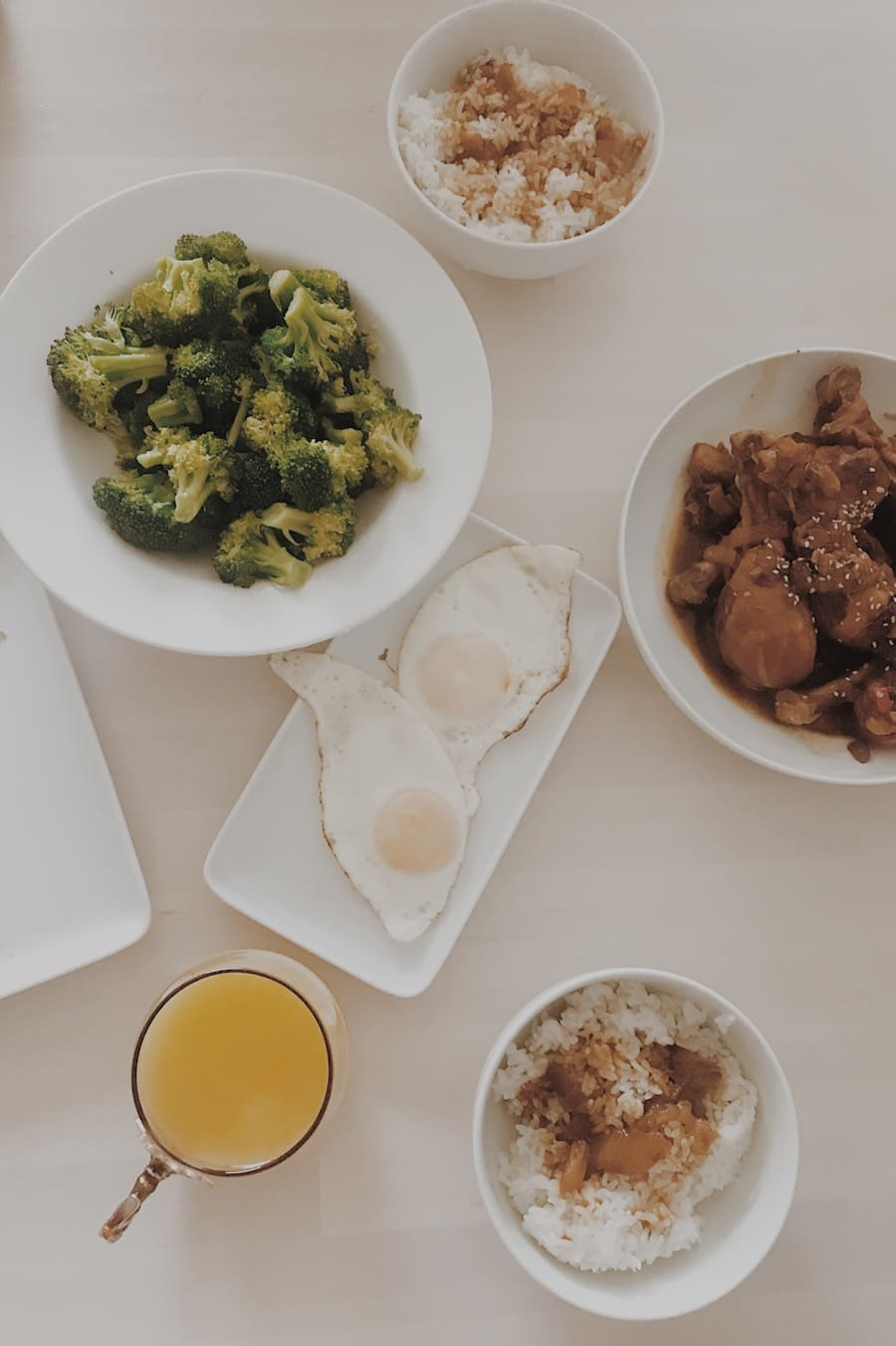
Protein is an essential macronutrient that plays a vital role in maintaining muscle mass and supporting overall health. On a ketogenic diet, it’s important to incorporate various sources of protein to ensure you’re meeting your nutritional needs while keeping meals interesting. While many people may gravitate towards traditional options like chicken or beef, there’s a whole world of protein sources waiting to be explored.
Fish, for instance, is an excellent choice; fatty fish like salmon or mackerel not only provide high-quality protein but also offer beneficial omega-3 fatty acids. In addition to animal-based proteins, consider incorporating plant-based options into your meals. Foods like tofu, tempeh, and seitan can be excellent additions for those looking to diversify their protein intake.
Eggs are another versatile option that can be prepared in numerous ways—boiled, scrambled, or even baked into frittatas. By mixing up your protein sources, you’ll not only keep your meals exciting but also ensure that you’re getting a balanced intake of amino acids necessary for optimal health.
Exploring a Variety of Low-carb Vegetables
Vegetables are an essential component of any healthy diet, including the ketogenic lifestyle. However, not all vegetables are created equal when it comes to carb content. As you navigate your keto journey, it’s crucial to explore a wide variety of low-carb vegetables that can add both flavor and nutrition to your meals.
Leafy greens like spinach, kale, and arugula are fantastic choices that are low in carbs but high in vitamins and minerals. These greens can be used in salads, smoothies, or as a base for various dishes. Don’t overlook other low-carb options such as zucchini, cauliflower, and bell peppers.
Cauliflower can be transformed into rice or mashed potatoes as a delicious substitute for higher-carb options. Zucchini noodles (or “zoodles”) are another creative way to enjoy pasta-like dishes without the carbs. By incorporating a colorful array of vegetables into your meals, you’ll not only enhance the visual appeal of your plates but also ensure that you’re getting a rich spectrum of nutrients that support your overall well-being.
Using Different Cooking Methods to Add Excitement
The way you prepare your food can significantly impact both flavor and enjoyment. On a ketogenic diet, utilizing various cooking methods can help keep your meals exciting and prevent monotony from setting in.
Roasting is another excellent technique that caramelizes the natural sugars in vegetables, bringing out their sweetness while keeping them low in carbs. Don’t shy away from experimenting with different cooking styles such as sautéing, steaming, or even slow-cooking. Each method offers unique textures and flavors that can elevate your dishes.
For example, slow-cooked meats can become incredibly tender and flavorful when seasoned properly. Additionally, using an air fryer can provide a crispy texture without the need for excessive oil or breading. By varying your cooking methods, you’ll discover new ways to enjoy familiar ingredients while keeping your ketogenic meals fresh and exciting.
Experimenting with Different Herbs and Spices
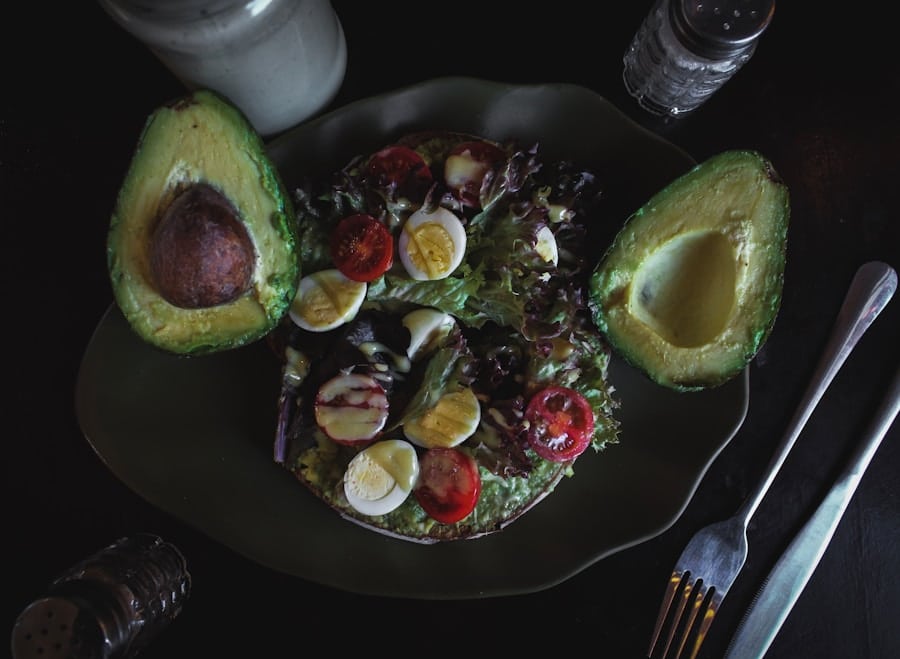
Herbs and spices are often overlooked but play a crucial role in enhancing the flavor profile of your meals on a ketogenic diet. By experimenting with different herbs and spices, you can transform simple dishes into culinary masterpieces without adding extra carbs or calories. Fresh herbs like basil, cilantro, and parsley can brighten up salads and meats alike, while dried spices such as cumin, paprika, and turmeric can add depth and warmth to your dishes.
Incorporating herbs and spices not only elevates the taste but also provides additional health benefits. Many herbs have anti-inflammatory properties or are rich in antioxidants, contributing positively to your overall health while on keto. Don’t hesitate to explore global cuisines for inspiration; for instance, using Italian herbs for Mediterranean dishes or Asian spices for stir-fries can introduce exciting flavors into your meal rotation.
The possibilities are endless when it comes to seasoning your food creatively.
Incorporating Keto-friendly Snacks and Treats
Snacking on a ketogenic diet doesn’t have to be boring or limited to just cheese or nuts. There’s a wide array of keto-friendly snacks and treats that can satisfy your cravings while keeping you within your carb limits. For instance, consider making homemade fat bombs—these bite-sized treats made from healthy fats like coconut oil or nut butter can be flavored with cocoa powder or vanilla extract for a delicious indulgence.
Additionally, exploring options like kale chips or roasted seaweed snacks can provide satisfying crunches without derailing your dietary goals. You might also want to try making low-carb versions of classic snacks such as guacamole with veggie sticks or cheese crisps for dipping. By having a variety of snacks on hand, you’ll be better equipped to resist temptations that may arise throughout the day while still enjoying tasty treats.
Planning for Special Occasions and Social Events on a Ketogenic Diet
Navigating special occasions and social events while adhering to a ketogenic diet can be challenging but entirely manageable with some thoughtful planning. When attending gatherings or celebrations, consider bringing along keto-friendly dishes that everyone can enjoy. This not only ensures you have something suitable to eat but also introduces others to delicious low-carb options they may not have tried before.
When dining out or attending parties where food choices may be limited, don’t hesitate to communicate with hosts or restaurant staff about your dietary preferences. Many establishments are willing to accommodate special requests; for example, you could ask for extra vegetables instead of bread or request sauces on the side to control carb intake. By being proactive and prepared, you can enjoy social events without feeling deprived or anxious about straying from your ketogenic lifestyle.
In conclusion, embracing the ketogenic diet doesn’t mean sacrificing variety or enjoyment in your meals. By understanding the principles of keto and incorporating diverse foods—ranging from proteins and vegetables to snacks and cooking methods—you can create a sustainable meal plan that excites your palate while supporting your health goals. With careful planning and creativity in the kitchen, you’ll find that living a ketogenic lifestyle can be both fulfilling and delicious.
FAQs
What is a long-term ketogenic meal plan?
A long-term ketogenic meal plan is a dietary approach that focuses on consuming high-fat, adequate-protein, and low-carbohydrate foods to induce a state of ketosis in the body. This metabolic state is characterized by the production of ketones from fat, which are used as the primary source of energy instead of carbohydrates.
Why is it important to incorporate variety and excitement into a long-term ketogenic meal plan?
Incorporating variety and excitement into a long-term ketogenic meal plan is important to prevent monotony, maintain adherence to the diet, and ensure a balanced intake of essential nutrients. It can also help prevent boredom and increase satisfaction with the diet, making it more sustainable in the long run.
What are some specific strategies for incorporating variety and excitement into a long-term ketogenic meal plan?
Some specific strategies for incorporating variety and excitement into a long-term ketogenic meal plan include experimenting with different types of fats and oils, exploring a wide range of low-carb vegetables, incorporating various herbs and spices for flavor, trying new recipes and cooking methods, and occasionally incorporating keto-friendly treats and snacks.
How can meal planning and prepping help maintain variety and excitement in a long-term ketogenic meal plan?
Meal planning and prepping can help maintain variety and excitement in a long-term ketogenic meal plan by allowing for the organization of diverse meals and snacks throughout the week. It also provides the opportunity to try new recipes, incorporate different ingredients, and ensure a balanced intake of nutrients. Additionally, meal prepping can save time and make it easier to stick to the diet.