The ketogenic diet, often referred to simply as the keto diet, has gained immense popularity in recent years as a powerful tool for weight loss and improved health. At its core, the keto diet is a low-carbohydrate, high-fat eating plan that aims to shift your body’s metabolism from burning glucose for energy to burning fat. This metabolic state, known as ketosis, occurs when your carbohydrate intake is significantly reduced, prompting your body to utilize fat stores for fuel instead.
By understanding the principles behind the keto diet, you can make informed choices that align with your health goals. As you embark on this dietary journey, it’s essential to grasp the science behind ketosis. When you consume fewer carbohydrates, your body’s insulin levels drop, which facilitates fat breakdown.
This process not only helps in weight loss but also has been linked to various health benefits, including improved mental clarity, increased energy levels, and better blood sugar control. However, transitioning into ketosis can be challenging; you may experience what is commonly referred to as the “keto flu,” which includes symptoms like fatigue and irritability as your body adapts to this new fuel source. Understanding these dynamics will empower you to navigate the initial hurdles and embrace the long-term benefits of the keto lifestyle.
Key Takeaways
- The keto diet is a high-fat, low-carb diet that aims to put the body into a state of ketosis, where it burns fat for fuel instead of carbohydrates.
- Essential macronutrients for the keto diet include high-quality fats, moderate amounts of protein, and very low carbohydrates.
- Low-carb vegetables such as spinach, broccoli, and cauliflower are great options for the keto diet as they are low in net carbs and high in fiber.
- Healthy fats for the keto diet include avocados, olive oil, and coconut oil, which provide essential fatty acids and help keep you feeling full.
- High-quality proteins for the keto diet include grass-fed beef, free-range poultry, and wild-caught fish, which are all rich in nutrients and low in carbohydrates.
Essential Macronutrients for the Keto Diet
In the realm of the keto diet, macronutrients play a pivotal role in determining your success. The primary macronutrients are carbohydrates, proteins, and fats, and each has a specific function in your dietary regimen. On a standard keto diet, your macronutrient ratio typically consists of approximately 70-75% fats, 20-25% protein, and only about 5-10% carbohydrates.
This unique distribution is what sets the keto diet apart from other dietary approaches and is crucial for achieving and maintaining ketosis. Fats are the cornerstone of the keto diet, providing the majority of your caloric intake. They serve not only as a primary energy source but also play a vital role in hormone production and nutrient absorption.
Proteins are equally important; they help maintain muscle mass while you lose weight and support various bodily functions. Carbohydrates, while limited on this diet, are still necessary in small amounts for certain bodily processes. By understanding how to balance these macronutrients effectively, you can create meals that keep you satisfied while promoting fat loss and overall health.
Low-carb Vegetables for Keto
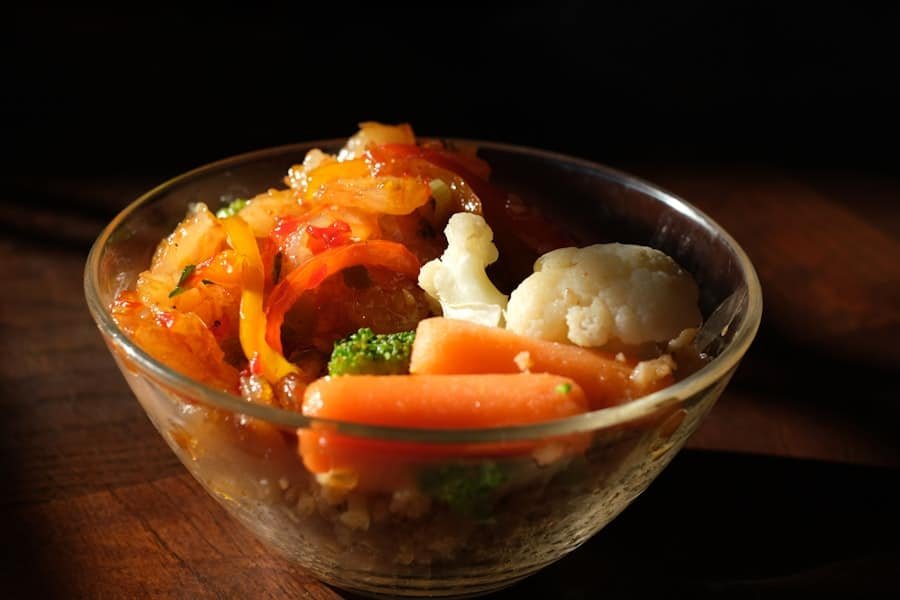
Incorporating low-carb vegetables into your keto diet is essential for ensuring you receive adequate vitamins and minerals while keeping your carbohydrate intake in check. Vegetables such as spinach, kale, broccoli, and zucchini are excellent choices that provide essential nutrients without significantly impacting your carb count. These greens are not only low in carbohydrates but also high in fiber, which can aid digestion and help you feel full longer.
When planning your meals, consider adding a variety of colorful vegetables to your plate. Bell peppers, cauliflower, and asparagus are also great options that can enhance the flavor and nutritional profile of your dishes. By focusing on low-carb vegetables, you can enjoy a diverse range of flavors while still adhering to your dietary goals.
Remember that incorporating these vegetables into your meals can also help prevent nutrient deficiencies that may arise from a restrictive diet.
Healthy Fats for Keto
Healthy fats are the backbone of the ketogenic diet, providing the energy needed to fuel your body while promoting satiety. When selecting fats for your meals, prioritize sources that are rich in omega-3 fatty acids and monounsaturated fats. Avocados, olive oil, coconut oil, and fatty fish like salmon are excellent choices that not only support ketosis but also contribute to heart health and overall well-being.
In addition to these healthy fats, consider incorporating nuts and seeds into your diet. Almonds, walnuts, chia seeds, and flaxseeds are not only delicious but also packed with nutrients that can enhance your health. These fats can be used in cooking or as toppings for salads and snacks, adding flavor and texture to your meals while keeping you on track with your keto goals.
By focusing on healthy fats, you can create satisfying meals that nourish your body and support your ketogenic lifestyle.
High-quality Proteins for Keto
When following a ketogenic diet, it’s crucial to choose high-quality protein sources that align with your dietary needs. Proteins play a vital role in muscle maintenance and repair while also helping to keep you feeling full and satisfied. Opt for lean meats such as chicken, turkey, and grass-fed beef, as well as fatty fish like mackerel and sardines.
These options not only provide essential amino acids but also contribute healthy fats to your diet. In addition to animal-based proteins, consider incorporating plant-based sources such as tofu or tempeh if you prefer a vegetarian or vegan approach. Eggs are another fantastic protein source that is versatile and easy to prepare.
They can be boiled, scrambled, or made into omelets with low-carb vegetables for a nutritious meal. By focusing on high-quality proteins, you can ensure that your body receives the nutrients it needs while adhering to the principles of the keto diet.
Dairy Products for Keto
Dairy products can be a delicious addition to your ketogenic diet if chosen wisely. Full-fat dairy options such as cheese, heavy cream, and Greek yogurt can provide essential fats and proteins while keeping carbohydrate content low. These foods not only add flavor to your meals but also offer a creamy texture that can enhance various dishes.
However, it’s important to be mindful of lactose intolerance or sensitivity when incorporating dairy into your diet. If you find that traditional dairy products cause digestive discomfort, consider alternatives like almond milk or coconut yogurt that are lower in carbs and still provide a satisfying taste. By selecting high-quality dairy options that fit within your macronutrient goals, you can enjoy a variety of flavors while maintaining ketosis.
Nuts and Seeds for Keto
Nuts and seeds are often considered superfoods due to their rich nutrient profiles and healthy fat content. They make an excellent snack option for those following a ketogenic diet because they are low in carbohydrates yet high in fiber and healthy fats. Almonds, macadamia nuts, pecans, and walnuts are particularly popular choices among keto enthusiasts due to their favorable macronutrient ratios.
Incorporating seeds like chia seeds or flaxseeds into your meals can also provide additional health benefits. These tiny powerhouses are rich in omega-3 fatty acids and fiber, making them an excellent addition to smoothies or salads. You can sprinkle them on top of yogurt or mix them into baked goods made with almond flour for added texture and nutrition.
By including nuts and seeds in your diet, you can enjoy satisfying snacks while supporting your overall health on the keto journey.
Keto-friendly Fruits
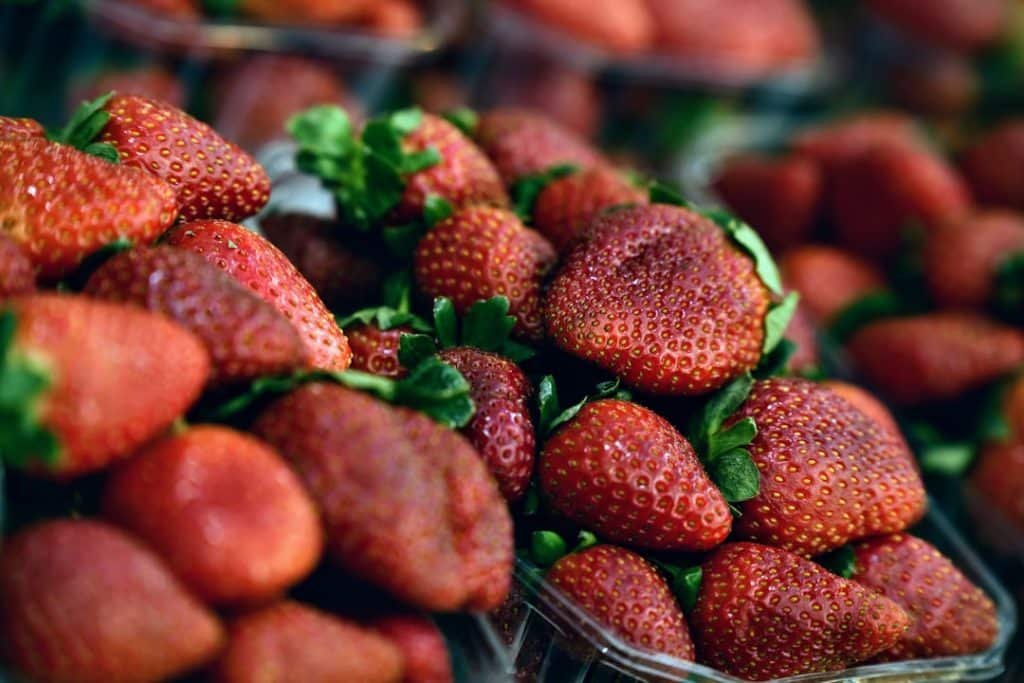
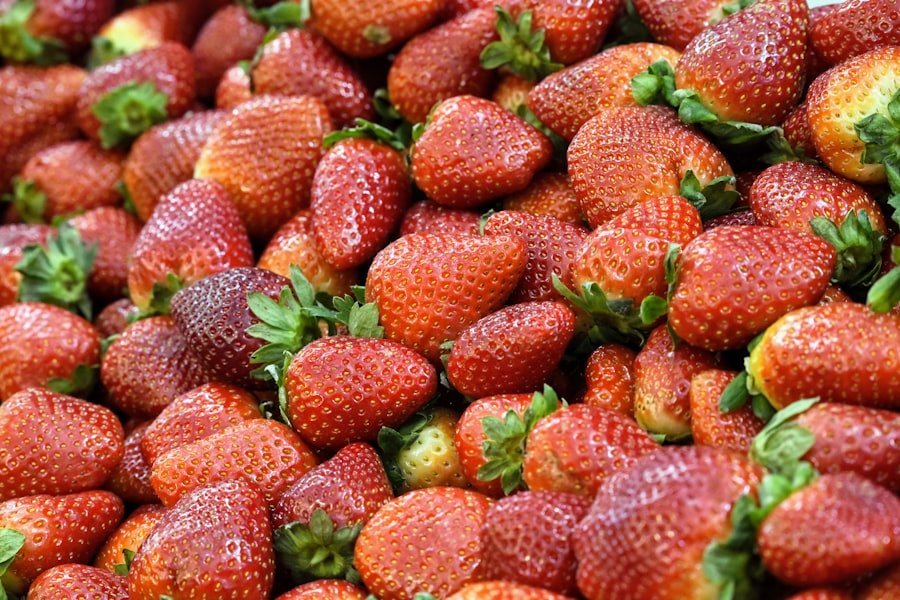
While fruits are often associated with high sugar content, there are still several options that fit well within a ketogenic lifestyle. Berries such as strawberries, raspberries, and blackberries are lower in carbohydrates compared to other fruits and can be enjoyed in moderation. These fruits are not only delicious but also packed with antioxidants that can support overall health.
When incorporating fruits into your keto diet, it’s essential to be mindful of portion sizes to avoid exceeding your carbohydrate limits. You might consider using berries as toppings for yogurt or blending them into smoothies with healthy fats like avocado or coconut milk for a refreshing treat. By choosing keto-friendly fruits wisely, you can satisfy your sweet cravings without derailing your progress.
Herbs and Spices for Keto
Herbs and spices are often overlooked but play a crucial role in enhancing the flavor of your meals while keeping them healthy. They allow you to create delicious dishes without adding extra carbohydrates or calories. Fresh herbs like basil, cilantro, parsley, and rosemary can elevate the taste of meats and vegetables alike.
Spices such as turmeric, cumin, paprika, and garlic powder not only add depth to your meals but also come with various health benefits. For instance, turmeric is known for its anti-inflammatory properties while garlic may support heart health. By experimenting with different herbs and spices in your cooking, you can keep your meals exciting and flavorful while adhering to the principles of the keto diet.
Beverages for Keto
Staying hydrated is essential on any diet, including the ketogenic one. While water should be your primary beverage choice, there are several other options that fit well within a keto lifestyle. Unsweetened tea—whether it’s green tea or herbal tea—can be a refreshing alternative that offers various health benefits without adding carbohydrates.
Coffee is another popular beverage among those following a ketogenic diet; many people enjoy it black or with added healthy fats like coconut oil or butter for a creamy texture known as “bulletproof coffee.” Additionally, sparkling water flavored with natural essences can provide a satisfying alternative to sugary sodas without compromising your carb intake. By choosing beverages wisely, you can stay hydrated while enjoying flavorful options that complement your keto journey.
Snacks for Keto
Finding satisfying snacks on a ketogenic diet doesn’t have to be challenging; there are plenty of delicious options available that align with your dietary goals. Cheese crisps or slices of cheese paired with olives make for a savory snack that is both filling and low in carbs. Hard-boiled eggs are another convenient option that provides protein and healthy fats.
If you’re looking for something crunchy, consider making kale chips or roasting nuts with spices for added flavor. You might also enjoy guacamole with celery sticks or cucumber slices for a refreshing treat that satisfies cravings without derailing your progress. By preparing snacks ahead of time and keeping them on hand, you can ensure that you always have keto-friendly options available when hunger strikes.
In conclusion, embracing the ketogenic diet involves understanding its principles and making informed choices about what you eat. By focusing on essential macronutrients, incorporating low-carb vegetables and healthy fats, choosing high-quality proteins, enjoying dairy products mindfully, snacking wisely on nuts and seeds, selecting keto-friendly fruits carefully, utilizing herbs and spices creatively, staying hydrated with appropriate beverages, and preparing satisfying snacks ahead of time—you can successfully navigate this dietary approach while enjoying delicious food along the way.
FAQs
What are some basic keto foods for starters?
Some basic keto foods for starters include meats such as chicken, beef, and bacon, fatty fish like salmon and mackerel, low-carb vegetables such as spinach, broccoli, and cauliflower, high-fat dairy like cheese and butter, nuts and seeds, and healthy fats like avocado and olive oil.
Why are these foods considered good for a keto diet?
These foods are considered good for a keto diet because they are low in carbohydrates and high in fats, which helps the body enter a state of ketosis where it burns fat for fuel instead of carbohydrates.
Are there any foods that should be avoided on a keto diet?
Foods that should be avoided on a keto diet include high-carb fruits and vegetables, grains and starches, sugary foods and drinks, and processed foods with added sugars.
Can I eat dairy on a keto diet?
Yes, you can eat high-fat dairy products such as cheese, butter, and heavy cream on a keto diet. However, it’s important to choose full-fat options and avoid products with added sugars.
How can I incorporate these foods into my meals?
You can incorporate these foods into your meals by creating keto-friendly recipes such as salads with avocado and grilled chicken, cauliflower rice stir-fry with vegetables and tofu, or salmon with a side of steamed broccoli and a salad with olive oil dressing.