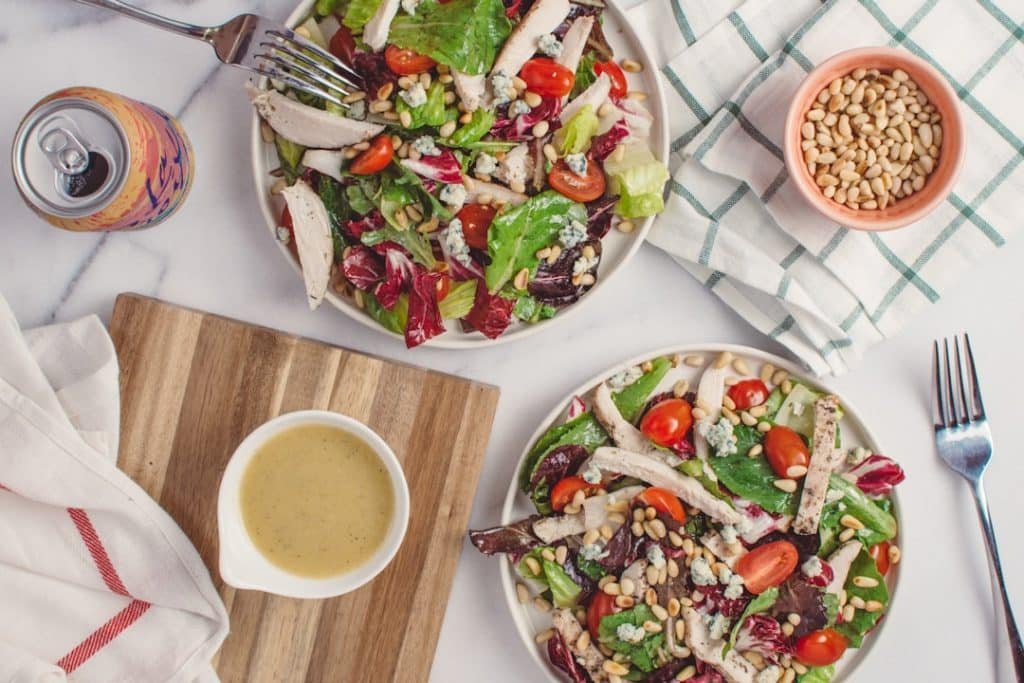
The ketogenic diet, commonly referred to as the keto diet, is a low-carbohydrate, high-fat dietary approach that has gained immense popularity in recent years. At its core, the keto diet aims to shift your body’s primary energy source from carbohydrates to fats. This metabolic state is known as ketosis, where your body becomes highly efficient at burning fat for fuel.
When you drastically reduce your carbohydrate intake, your body begins to deplete its glycogen stores and starts converting fat into ketones, which serve as an alternative energy source. This transition can lead to various benefits, including weight loss, improved mental clarity, and increased energy levels. To successfully enter and maintain ketosis, you typically need to consume about 70-75% of your daily calories from fats, 20-25% from proteins, and only about 5-10% from carbohydrates.
This significant reduction in carbs can be challenging at first, especially if you are accustomed to a diet rich in grains, sugars, and starchy foods. However, understanding the science behind ketosis can help you navigate this dietary shift more effectively. As you adapt to this new way of eating, you may experience a range of physical and mental changes that can motivate you to stick with the keto lifestyle.
Key Takeaways
- The keto diet is a high-fat, low-carb diet that aims to put the body into a state of ketosis, where it burns fat for fuel instead of carbohydrates.
- Tracking macros, including fat, protein, and carbohydrates, is crucial for success on the keto diet and maintaining ketosis.
- Healthy fats for ketosis include avocados, coconut oil, olive oil, and fatty fish like salmon.
- When choosing proteins for ketosis, opt for high-quality sources such as grass-fed beef, free-range poultry, and wild-caught fish.
- Low-carb vegetables like spinach, broccoli, and cauliflower are great options to include in a keto diet for essential nutrients and fiber.
Importance of Macros on the Keto Diet
When embarking on a keto diet, understanding macronutrients—often referred to as macros—is crucial for your success. The three primary macronutrients are carbohydrates, proteins, and fats. Each plays a unique role in your body’s functioning, but on a keto diet, the focus shifts significantly towards fats.
By carefully balancing your macros, you can ensure that your body remains in ketosis and continues to burn fat efficiently. Tracking your daily intake of these macronutrients can help you stay on course and achieve your health goals. Fats are the cornerstone of the keto diet, providing the majority of your energy.
They not only fuel your body but also support hormone production and nutrient absorption. Proteins are essential for muscle repair and growth, but excessive protein intake can lead to gluconeogenesis, where your body converts protein into glucose, potentially kicking you out of ketosis. Therefore, it’s vital to find the right balance that works for you.
By paying attention to your macros and adjusting them as needed, you can optimize your keto experience and enjoy the benefits that come with it.
Best Sources of Healthy Fats for Ketosis
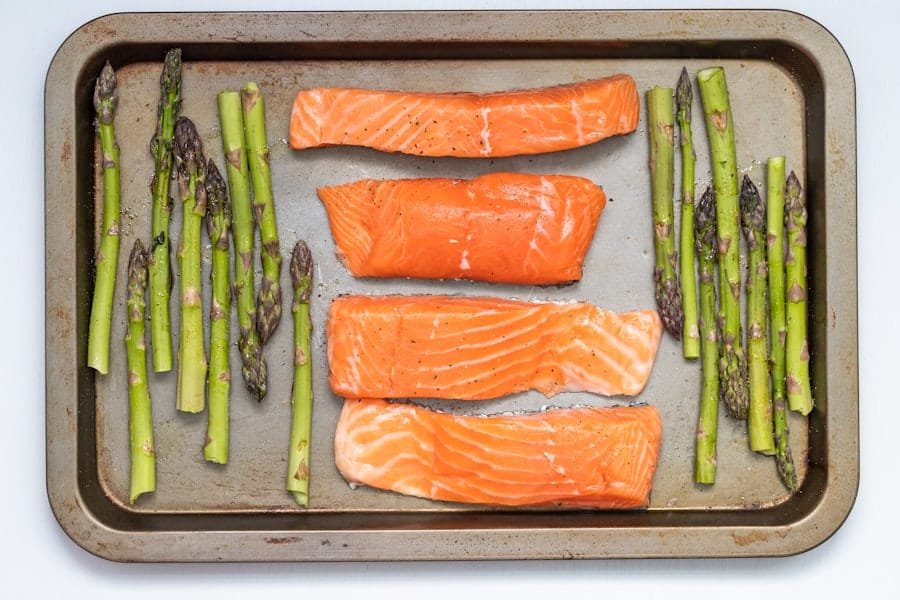
Incorporating healthy fats into your diet is essential for achieving and maintaining ketosis. Not all fats are created equal; some are more beneficial than others. Avocados are an excellent source of monounsaturated fats and are packed with fiber, making them a perfect addition to your keto meals.
Their creamy texture can enhance salads or smoothies while providing essential nutrients like potassium and vitamins C and E. Another fantastic source of healthy fats is olive oil. Rich in antioxidants and anti-inflammatory properties, olive oil can be used for cooking or drizzling over vegetables.
Coconut oil is also a popular choice among keto enthusiasts due to its medium-chain triglycerides (MCTs), which are quickly converted into ketones by the liver. Incorporating these healthy fats into your meals not only helps you stay in ketosis but also supports overall health by providing essential fatty acids that your body needs.
Choosing the Right Proteins for Ketosis
When it comes to protein on a keto diet, quality matters just as much as quantity. You want to choose protein sources that are low in carbohydrates while being rich in nutrients. Grass-fed beef, for example, is an excellent option as it contains higher levels of omega-3 fatty acids compared to grain-fed beef.
Additionally, it provides essential vitamins and minerals that support overall health. Poultry such as chicken and turkey are also great choices for protein on a keto diet. They are versatile and can be prepared in various ways to keep your meals interesting.
Fish, particularly fatty fish like salmon and mackerel, are not only low in carbs but also high in omega-3s, which can help reduce inflammation and support heart health. By selecting high-quality protein sources, you can ensure that you’re fueling your body with the nutrients it needs while staying within your macro limits.
Low-Carb Vegetables to Include in Your Keto Diet
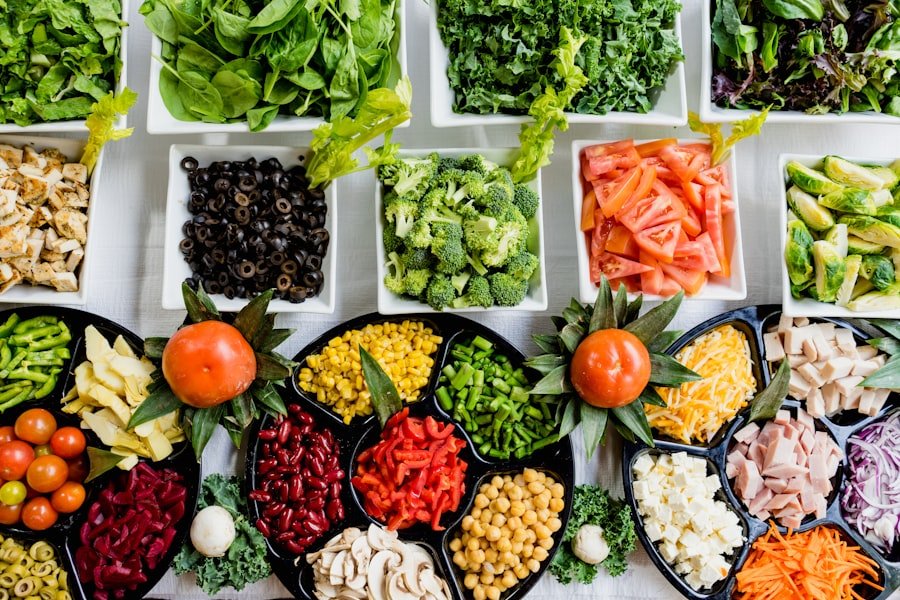
While many vegetables are packed with nutrients, not all of them fit into a keto diet due to their carbohydrate content. However, there are plenty of low-carb options that you can enjoy without compromising your ketosis. Leafy greens such as spinach, kale, and arugula are excellent choices as they are low in carbs but high in vitamins A, C, and K.
These greens can be used in salads or smoothies or sautéed as a side dish. Cruciferous vegetables like broccoli, cauliflower, and Brussels sprouts are also fantastic additions to your keto plate. They provide fiber and essential nutrients while keeping your carb intake low.
Cauliflower is particularly popular among keto dieters as it can be transformed into rice or mashed potatoes as a substitute for higher-carb options. By incorporating these low-carb vegetables into your meals, you can enjoy a variety of flavors and textures while staying within your dietary goals.
Incorporating Nuts and Seeds into Your Keto Diet
Nuts and seeds are not only delicious but also provide a great source of healthy fats and protein on a keto diet. Almonds, walnuts, and macadamia nuts are particularly favored due to their low carbohydrate content and high levels of monounsaturated fats. They make for an excellent snack option or can be added to salads for an extra crunch.
Seeds such as chia seeds and flaxseeds are also beneficial for those following a keto lifestyle. They are rich in omega-3 fatty acids and fiber, which can help keep you feeling full longer while supporting digestive health. You can sprinkle them on yogurt or incorporate them into smoothies for added nutrition.
Just be mindful of portion sizes since nuts and seeds can be calorie-dense; moderation is key to maintaining your macro balance.
Dairy Products and Ketosis: What to Eat and What to Avoid
Dairy products can be a great addition to your keto diet if chosen wisely. Full-fat dairy options like cheese, heavy cream, and Greek yogurt are generally low in carbs while providing healthy fats and protein. Cheese is particularly versatile; it can be used in cooking or enjoyed as a snack on its own.
Heavy cream can be added to coffee or used in sauces to enhance flavor without adding too many carbs. However, not all dairy products are created equal when it comes to keto. You should avoid low-fat or non-fat dairy options as they often contain added sugars or higher carbohydrate content to compensate for the lack of fat.
Additionally, some individuals may be sensitive to lactose; if you find that dairy causes digestive issues for you, consider lactose-free alternatives or plant-based options that fit within your carb limits.
Fruits on Keto: Which Ones to Enjoy in Moderation
Fruits are often seen as healthy choices; however, many fruits are high in sugar and carbohydrates, making them less suitable for a keto diet. That said, there are still some fruits that you can enjoy in moderation without derailing your progress. Berries such as strawberries, raspberries, and blackberries are lower in sugar compared to other fruits and can be included in small portions.
Avocados are technically a fruit and are an excellent choice for keto due to their high fat content and low carbohydrate levels. They provide essential nutrients while keeping you satiated. When incorporating fruits into your diet, it’s important to keep track of portion sizes to ensure that you remain within your carb limits while still enjoying the flavors and benefits that fruits have to offer.
Beverages to Support Ketosis
Staying hydrated is crucial on any diet, but especially on a keto diet where electrolyte balance can be affected by reduced carbohydrate intake. Water should be your primary beverage choice; however, there are other options that can support ketosis as well. Unsweetened herbal teas or green tea can provide antioxidants without adding carbs or calories.
Coffee is another popular beverage among keto dieters; it can be enjoyed black or with added healthy fats like coconut oil or butter for a creamy texture known as “bulletproof coffee.” Additionally, bone broth is an excellent choice for hydration while providing electrolytes that may help prevent the “keto flu” during the initial transition into ketosis. By choosing the right beverages, you can support your hydration needs while staying aligned with your dietary goals.
Sweeteners and Snacks for Ketosis
Finding suitable sweeteners is essential when following a keto diet since traditional sugars can quickly push you out of ketosis. Fortunately, there are several low-carb sweeteners available that can satisfy your sweet tooth without compromising your goals. Stevia and erythritol are popular choices among keto enthusiasts due to their minimal impact on blood sugar levels.
When it comes to snacks, there are plenty of options that align with the keto lifestyle. Cheese crisps or pork rinds make for crunchy snacks that are low in carbs but high in flavor. You might also consider making fat bombs—small snacks made from healthy fats like coconut oil or nut butter mixed with flavorings such as cocoa powder or vanilla extract—to keep you satisfied between meals.
Meal Planning and Prepping for Ketosis Success
Meal planning is one of the most effective strategies for ensuring success on a keto diet. By taking the time to plan out your meals for the week ahead, you can avoid last-minute decisions that may lead you toward higher-carb options. Start by selecting recipes that align with your macro goals and create a shopping list based on those meals.
Prepping meals in advance can save you time during busy weekdays while keeping you accountable to your dietary choices. Consider batch cooking proteins or preparing low-carb snacks ahead of time so they’re readily available when hunger strikes. By establishing a routine around meal planning and prepping, you’ll set yourself up for success on your keto journey while enjoying delicious food along the way.
In conclusion, embracing the ketogenic diet requires understanding its principles and making informed choices about what you eat. By focusing on healthy fats, quality proteins, low-carb vegetables, nuts and seeds, dairy products, fruits in moderation, appropriate beverages, sweeteners, snacks, and effective meal planning strategies, you can successfully navigate this dietary approach while reaping its numerous benefits.
FAQs
What is the keto diet?
The keto diet is a high-fat, low-carbohydrate diet that aims to put the body into a state of ketosis, where it burns fat for fuel instead of carbohydrates.
What foods should I eat on a keto diet to stay in ketosis?
Foods to eat on a keto diet include high-fat foods such as meat, fish, eggs, dairy, nuts, seeds, and low-carbohydrate vegetables. It’s important to limit intake of carbohydrates, including grains, sugars, and starchy vegetables.
How can I ensure I stay in ketosis while on a keto diet?
To stay in ketosis, it’s important to monitor your carbohydrate intake and keep it low, while consuming moderate amounts of protein and high amounts of healthy fats. It’s also important to stay hydrated and get regular exercise.
What are some examples of keto-friendly meals?
Keto-friendly meals may include a spinach and feta omelette for breakfast, a grilled chicken salad with avocado for lunch, and a salmon with roasted vegetables for dinner. Snacks can include cheese, nuts, or celery with almond butter.
Are there any foods I should avoid on a keto diet?
Foods to avoid on a keto diet include high-carbohydrate foods such as bread, pasta, rice, potatoes, and sugary snacks. It’s also important to limit intake of fruits and some vegetables that are high in carbohydrates.