
The ketogenic diet, commonly referred to as the keto diet, has gained immense popularity in recent years as a powerful tool for weight loss and improved health. At its core, the keto diet is a high-fat, moderate-protein, and very low-carbohydrate eating plan that aims to shift your body’s metabolism from burning carbohydrates for energy to burning fat. This metabolic state, known as ketosis, can lead to significant weight loss and various health benefits, including improved mental clarity and reduced inflammation.
As you embark on this dietary journey, understanding the principles of the keto diet will empower you to make informed choices about what you eat. Transitioning to a keto lifestyle may seem daunting at first, especially with the abundance of misinformation surrounding it. However, once you grasp the fundamentals, you’ll find that the diet can be both enjoyable and sustainable.
By focusing on whole foods and nutrient-dense options, you can create delicious meals that keep you satisfied while adhering to your macronutrient goals. In this article, we will explore various food categories that align with the keto diet, helping you discover unconventional protein sources, non-starchy vegetables, healthy fats, dairy options, nuts and seeds, low-carb fruits, and sweeteners that can enhance your culinary experience while keeping you in ketosis.
Key Takeaways
- The Keto Diet is a high-fat, low-carb diet that can help with weight loss and improve overall health.
- Unconventional protein sources like tofu, tempeh, and seitan can be included in the Keto Diet to provide essential nutrients.
- Non-starchy vegetables such as spinach, kale, and broccoli are low in carbs and high in fiber, making them ideal for the Keto Diet.
- Healthy fats like avocados, olive oil, and coconut oil are essential for the Keto Diet and can help with satiety and energy levels.
- Dairy and dairy alternatives like almond milk and coconut yogurt can be included in the Keto Diet in moderation to add variety and nutrients.
Unconventional Protein Sources
Organ Meats: A Nutrient-Dense Option
Consider incorporating organ meats such as liver or heart into your diet. These nutrient-dense foods are rich in vitamins and minerals while providing a unique flavor profile that can elevate your dishes.
Plant-Based Protein Sources
Another unconventional protein source worth exploring is plant-based options like tempeh or seitan. While these may not be suitable for strict carnivores, they can be excellent choices for those who want to diversify their protein intake without relying solely on animal products.
Experimenting with Unconventional Protein Sources
Tempeh is fermented soybeans that offer a hearty texture and a nutty flavor, making it a fantastic addition to stir-fries or salads. Seitan, made from wheat gluten, is another versatile ingredient that can mimic the texture of meat in various recipes.
Non-Starchy Vegetables
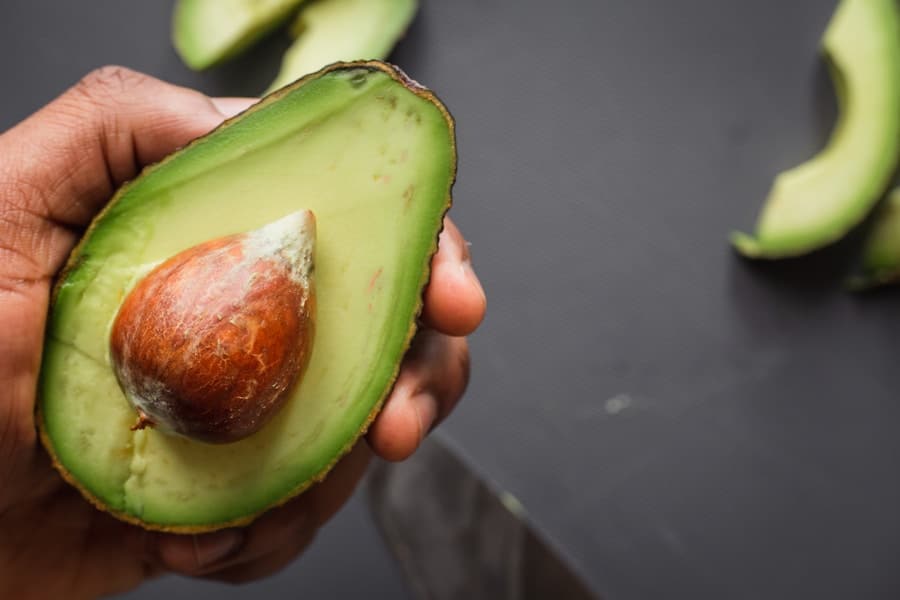
Incorporating non-starchy vegetables into your keto diet is essential for maintaining a balanced intake of vitamins and minerals while keeping your carbohydrate consumption low. These vegetables are typically low in calories and high in fiber, making them an excellent choice for anyone looking to lose weight or improve their overall health. Leafy greens such as spinach, kale, and arugula are particularly beneficial due to their high nutrient density and versatility in various dishes.
You can enjoy them raw in salads or sautéed as a side dish. Other non-starchy vegetables worth including in your meals are cruciferous options like broccoli, cauliflower, and Brussels sprouts. These vegetables not only provide essential nutrients but also contain compounds that may support detoxification and reduce inflammation in the body.
You can roast them with olive oil and seasonings for a delicious side dish or blend them into soups for added creaminess without the carbs. By filling your plate with a colorful array of non-starchy vegetables, you’ll ensure that you’re getting the nutrients your body needs while staying within your carbohydrate limits.
Healthy Fats
Healthy fats are the cornerstone of the keto diet, providing the primary source of energy for your body when carbohydrates are limited. Embracing healthy fats can help you feel satiated and satisfied while promoting overall well-being. One of the best sources of healthy fats is avocados.
Rich in monounsaturated fats and packed with fiber, avocados can be enjoyed in various ways—sliced on salads, blended into smoothies, or even made into creamy guacamole. Another excellent source of healthy fats is olive oil. This versatile oil is not only delicious but also boasts numerous health benefits due to its high content of antioxidants and anti-inflammatory properties.
You can use olive oil as a dressing for salads or drizzle it over roasted vegetables for added flavor. Additionally, incorporating coconut oil into your cooking can provide a unique taste while offering medium-chain triglycerides (MCTs), which are easily converted into ketones for energy. By prioritizing healthy fats in your diet, you’ll support your body’s transition into ketosis while enjoying flavorful meals.
Dairy and Dairy Alternatives
Dairy products can be a fantastic addition to your keto diet if you tolerate them well. Full-fat dairy options like cheese, heavy cream, and Greek yogurt are low in carbohydrates and high in fat, making them ideal for maintaining ketosis. Cheese is particularly versatile; it can be used in everything from savory dishes to desserts.
Whether you prefer sharp cheddar or creamy brie, there’s a cheese variety to suit every palate.
Unsweetened almond milk or coconut milk can serve as excellent substitutes for traditional dairy milk in recipes or beverages.
Additionally, there are various nut-based cheeses on the market that offer a creamy texture without the carbs found in dairy products. By exploring both dairy and dairy alternatives, you can find options that align with your dietary preferences while still enjoying rich flavors and textures.
Nuts and Seeds
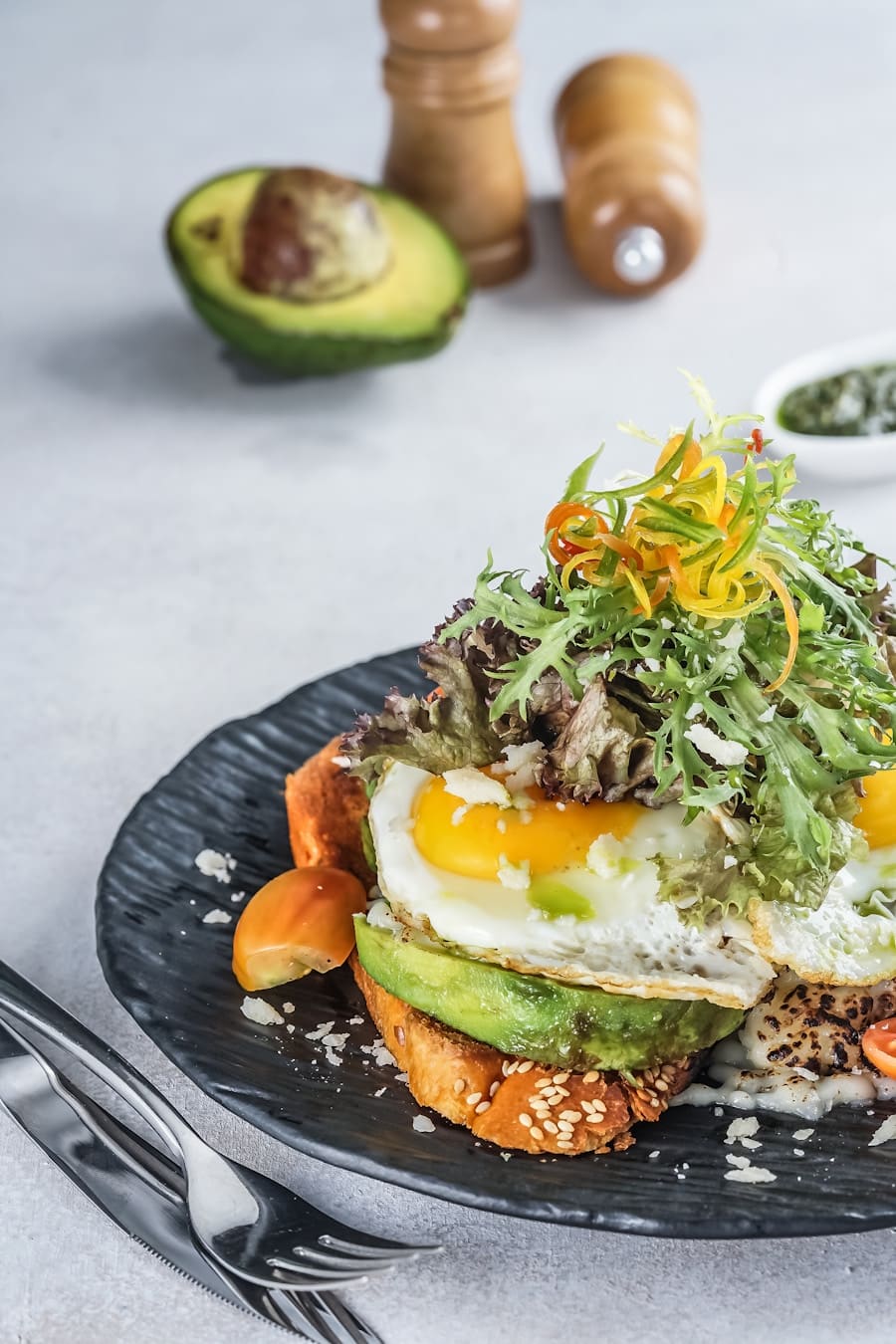
Nutritious Nuts
Almonds, walnuts, pecans, and macadamia nuts are particularly low in carbohydrates and high in healthy fats, making them an excellent choice for snacking. Enjoy them raw or roasted as a satisfying snack, or incorporate them into salads and baked goods for added crunch.
Seeds of Goodness
Seeds are another fantastic option to consider when following a keto lifestyle. Chia seeds and flaxseeds are rich in omega-3 fatty acids and fiber, making them great additions to smoothies or yogurt bowls. Pumpkin seeds are also nutrient-dense and provide a satisfying crunch when sprinkled over salads or soups.
Boosting Overall Health
By including a variety of nuts and seeds in your diet, you’ll not only enhance the flavor of your meals but also boost your intake of essential nutrients that support overall health.
Low-Carb Fruits
While many fruits are high in sugar and carbohydrates, there are still several low-carb options that you can enjoy on a keto diet without derailing your progress. Berries such as strawberries, raspberries, and blackberries are among the best choices due to their lower sugar content compared to other fruits. You can enjoy them fresh as a snack or incorporate them into smoothies for a refreshing treat.
Another low-carb fruit option is avocado—often mistaken for a vegetable due to its savory flavor profile. Avocados are not only low in carbohydrates but also high in healthy fats and fiber, making them an ideal addition to your meals. You can slice them onto salads or blend them into creamy dressings for added richness.
By choosing low-carb fruits wisely, you can satisfy your sweet cravings while staying within your dietary goals.
Sweeteners and Desserts
Finding suitable sweeteners is crucial when following a keto diet since traditional sugars can quickly sabotage your efforts to maintain ketosis. Fortunately, there are several low-carb sweeteners available that can help satisfy your sweet tooth without compromising your dietary goals. Stevia and erythritol are popular choices among keto enthusiasts due to their minimal impact on blood sugar levels.
When it comes to desserts, there’s no need to feel deprived on a keto diet. You can create delicious treats using almond flour or coconut flour as a base for cookies or cakes while sweetening them with low-carb alternatives. For instance, you might whip up a batch of chocolate chip cookies using sugar-free chocolate chips and almond flour for a delightful indulgence that won’t kick you out of ketosis.
By exploring various sweeteners and dessert recipes tailored for the keto lifestyle, you’ll discover that satisfying your cravings is entirely possible without sacrificing your health goals. In conclusion, embracing the keto diet opens up a world of culinary possibilities that extend beyond traditional food choices. By incorporating unconventional protein sources, non-starchy vegetables, healthy fats, dairy options (or alternatives), nuts and seeds, low-carb fruits, and suitable sweeteners into your meals, you’ll create a diverse and enjoyable eating experience that supports your journey toward better health.
As you navigate this lifestyle change, remember that experimentation is key—don’t hesitate to try new ingredients and recipes to find what works best for you!
FAQs
What is the keto diet?
The keto diet is a high-fat, low-carbohydrate diet that has been shown to help with weight loss and improve certain health conditions such as epilepsy and diabetes.
What are some surprising foods that can be included in a keto menu?
Some surprising foods that can be included in a keto menu are seafood such as salmon and shrimp, low-carb vegetables like cauliflower and spinach, and high-fat dairy products like cheese and butter.
Can fruits be included in a keto menu?
While most fruits are high in carbohydrates and are not typically included in a keto diet, small portions of berries such as strawberries and blackberries can be included in moderation.
Are there any restrictions on protein sources in a keto diet?
While the keto diet emphasizes high-fat and low-carb foods, it also allows for moderate protein intake. Protein sources such as poultry, beef, and eggs can be included in a keto menu.
How does the keto diet work for weight loss?
The keto diet works for weight loss by putting the body into a state of ketosis, where it burns fat for fuel instead of carbohydrates. This can lead to a reduction in body fat and overall weight loss.





