
Ketogenic Diet for Athletes
The ketogenic diet, often referred to as the “keto” diet, has gained substantial attention in recent years, particularly in the realms of weight loss and general health.
But what happens when this high-fat, low-carb lifestyle intersects with the world of athletics? With such an unconventional nutrition plan, can you maintain peak performance while predicting calorie intake? If you’re an athlete considering going keto, let’s delve into the details together.
Understanding the Ketogenic Diet
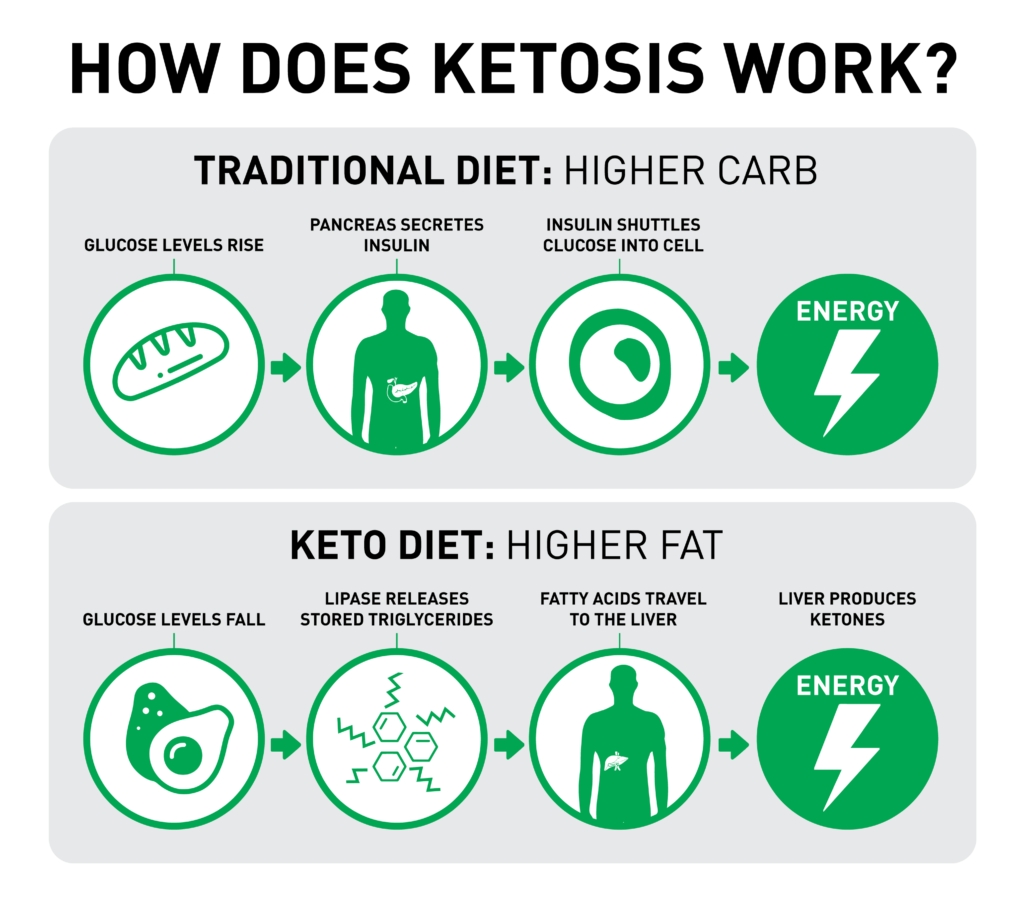
The ketogenic diet is characterized by a drastic carbohydrate intake reduction, replaced with fat. This causes the body to enter a metabolic state known as ketosis.
In this state, your body becomes remarkably efficient at burning fat for energy rather than relying on carbohydrates. For you as an athlete, this could translate to enhanced endurance, increased fat loss, and improved mental clarity.
However, it’s essential to understand that this diet may not be suitable for everyone and can come with its own set of challenges and adjustments, especially for those in high-intensity sports. It’s vital to approach this dietary alteration with both caution and information.
How Does the Ketogenic Diet Work?
At its core, the ketogenic diet’s primary goal is to shift your body’s reliance on glucose (derived from carbohydrates) to ketones produced from the breakdown of fats.
When the carb intake drops dramatically, your insulin levels decrease, leading your body to burn stored fat for energy. This metabolic shift takes time, usually a few days to a couple of weeks, and within this period, you may experience significant changes in your body’s functions.
However, it’s crucial to implement this diet correctly, ensuring you consume enough healthy fats while maintaining a moderate protein level.
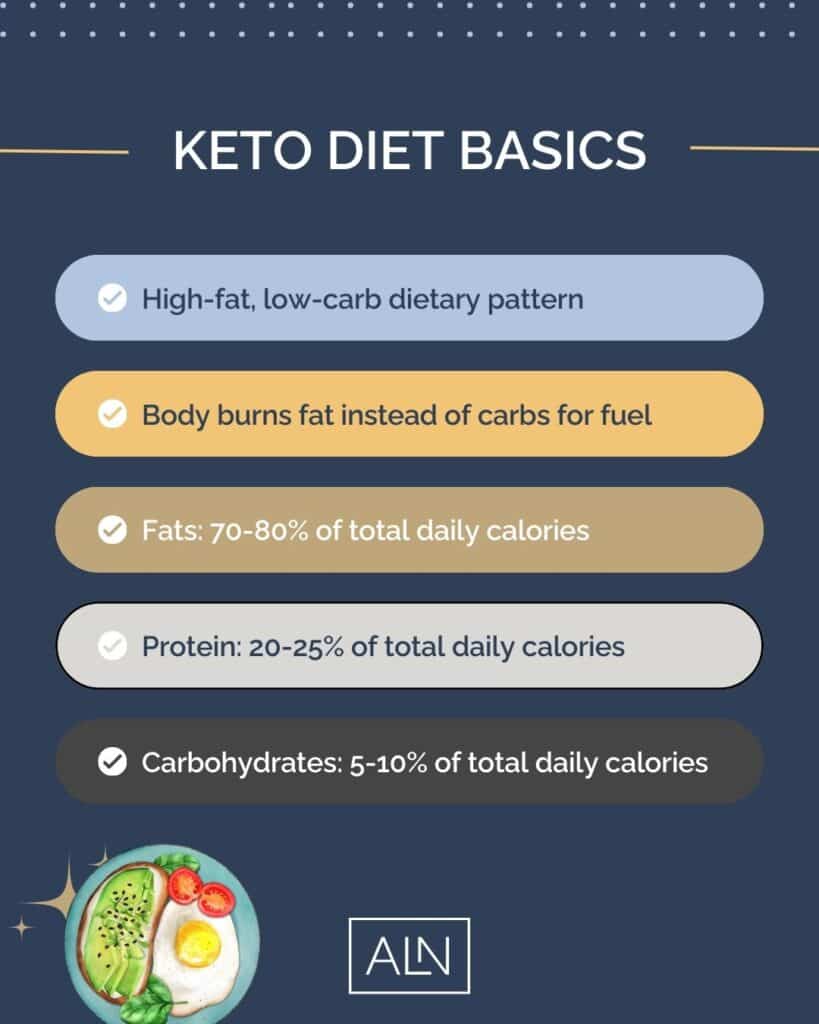
The standard ratio for a ketogenic diet is typically around 70-75% fats, 20-25% protein, and 5-10% carbohydrates. Being mindful of these ratios is essential as you adjust your eating habits.
The Potential Benefits of a Ketogenic Diet for Athletes
Improved Fat Adaptation
One of the most talked-about benefits of a ketogenic diet for athletes is fat adaptation. Training your body to use fat as its primary energy source, you may experience improved endurance during more prolonged exercise. Since fat stores are more plentiful than carbohydrates, this adaptation can provide a more sustained energy source for performance.
Reduced Inflammation
High-intensity workouts can lead to a buildup of oxidative stress in your body, which can cause inflammation. The ketogenic diet has shown anti-inflammatory properties, which can help your muscles recover more efficiently post-exercise. Less inflammation means quicker recoveries, allowing you to train harder and more frequently.
Enhanced Mental Clarity
Ketones also provide an alternative fuel source for the brain. The ketogenic diet may offer an edge for athletes who need sharp focus during training or competition. Those who have adopted this diet often report improved cognitive functions, including better focus, clarity, and mood stability, which all play a vital role in athletic performance.
Weight Management
The ketogenic diet can help manage body composition effectively for athletes looking to maintain or lose weight. Since the diet emphasizes fat consumption, you may feel fuller longer, reducing the desire to snack or overeat. Furthermore, as your body becomes accustomed to burning fat, you could lose body fat while maintaining lean muscle.
Possible Drawbacks to Consider
While the ketogenic diet offers various potential benefits, it doesn’t come without drawbacks, particularly for athletes. It’s crucial to consider these challenges before diving into this lifestyle change.
Initial Adjustment Phase
Transitioning to a ketogenic diet often comes with a period commonly known as the “keto flu.” During this phase, which can last anywhere from a few days to a week, you might experience fatigue, irritability, and cravings. This initial adjustment can impact your athletic performance, so please be prepared for this setback.
Limited Carbohydrate Sources
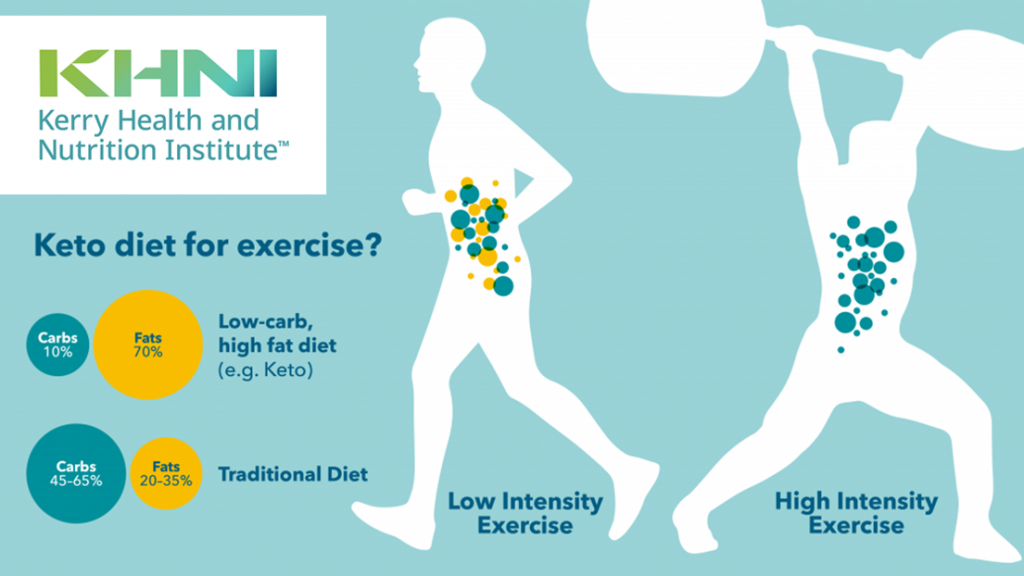
Athletes, particularly those in high-intensity sports or training, may require higher carbohydrate intake to fuel their activities. The ketogenic diet naturally limits carb sources, which may hinder your ability to perform at maximum capacity during heavy workout days. You’ll want to assess your specific needs and adjust your approach accordingly.
Nutritional Deficiencies
Restricting your carbohydrates can lead to deficiencies in essential vitamins and minerals typically found in fruits, vegetables, and whole grains. If you decide to go keto, ensuring your well-rounded diet is vital. Include low-carb, high-fiber vegetables, and consider supplements to fill any gaps.
Impact on High-Intensity Performance
If your athletic pursuits rely heavily on short bursts of high-intensity effort, such as sprinting or weightlifting, you might find that your performance dips when on a ketogenic diet.
This could be due to the body’s reliance on glycogen stores (from carbs) for those quick energy bursts. Careful consideration of your sport’s demands will guide you in deciding whether this dietary approach suits your performance requirements.
Who Can Benefit from the Ketogenic Diet?
The ketogenic diet may not be ideal for every athlete, but specific categories of athletes could find the diet particularly beneficial. Let’s explore who might thrive on this eating plan.
Endurance Athletes
If you engage in long-distance running, cycling, or similar endurance activities, becoming fat-adapted can allow you to access fat stores more efficiently during prolonged exertion. This can help you improve your stamina and enhance performance without the need for frequent carbohydrate refueling.
Athletes Seeking Weight Loss
The ketogenic diet may be an excellent option for athletes who need to see changes in body composition. As you develop a more excellent fat-burning economy and reduced hunger levels, the likelihood of managing body weight becomes more achievable.
Individuals with Specific Health Conditions
Some athletes manage conditions like epilepsy or metabolic disorders, and the ketogenic diet has been linked to improved health outcomes for these individuals. Feedback from athletes in these unique situations suggests that the ketogenic diet can effectively stabilize energy levels and overall health.
How to Transition to a Ketogenic Diet
Making the transition to a ketogenic diet requires planning and preparation. It’s not merely about cutting out carbs but a calculated diet adjustment. Here are some practical steps to ease into the keto lifestyle.
Educate Yourself
Before beginning any new diet, it’s essential to do your research. The keto diet is a good way to familiarize yourself with the macronutrient ratios, suitable food choices, and potential challenges. Numerous online resources, books, and forums are dedicated to it.
Gradual Reduction in Carbs
Instead of cutting carbs cold turkey, consider gradually reducing your intake over a week or two. This allows your body to adjust more smoothly while minimizing the “keto flu” effects. Begin by eliminating the obvious sources of sugar and simple carbs, like candy and white bread.
Embrace Healthy Fats
Incorporate healthy fats into your meals to replace the carbohydrates you will omit. Options include avocados, nuts, seeds, olive oil, and fatty fish. Gradually transitioning to these healthy fats can help your body adapt to its new energy source.
Monitor Your Electrolytes
As you cut carbs, your body releases water and electrolytes, leading to imbalances. Consume adequate amounts of sodium, potassium, and magnesium to help your body through this transition, and consider supplementing if necessary.
Listen to Your Body
Your keto journey won’t look the same as anyone else’s. Pay attention to how your body responds throughout the transition. Everyone’s experience with ketosis is unique, and it’s essential to adapt or modify your plan based on your body’s signals.
Sample Meal Plan for Athletes on a Ketogenic Diet
Creating a meal plan tailored to a ketogenic lifestyle can be incredibly helpful for you as you begin this dietary journey. Below is a sample meal plan to get you started.
Breakfast: Avocado and Eggs
Start your day with a hearty breakfast featuring scrambled eggs cooked in olive oil and sliced avocado. This dish packs protein, healthy fats, and a good dose of fiber.
Lunch: Chicken Salad
A chicken salad with leafy greens, cherry tomatoes, cucumbers, and a generous olive oil and vinegar dressing will keep you satiated. The protein from the chicken, partnered with the healthy fats from the dressing, further supports your shift to burning fat for energy.
Snack: Nuts and Cheese
When afternoon snack cravings hit, reach for a handful of nuts with a slice of cheese. This combination delivers protein and healthy fats, perfect for maintaining energy levels without relying on carbohydrates.
Dinner: Baked Salmon with Asparagus
For dinner, try baked salmon served alongside asparagus sautéed in butter. Combining healthy omega-3s and fiber-rich veggies generates a nutrient-dense meal that meets your keto goals.
Staying Hydrated on a Ketogenic Diet
Proper hydration is crucial significantly, as you minimize carbohydrate intake. You might need to drink more fluids to retrain your body for ketosis.
Focus on Electrolyte-Rich Beverages
Hydration does not solely refer to plain water—consider incorporating electrolyte-rich beverages into your routine. Coconut water (in moderation, given its carb content), bone broth, and mineral-infused water can help you maintain your electrolyte balance.
Listen to Your Body
As an athlete, it’s vital to remain attuned to your body’s hydration needs. More intense training sessions may require additional hydration. Monitor your urine color; pale yellow indicates proper hydration, while dark colors signal you to drink more fluids.

Tips for Optimizing Performance on a Ketogenic Diet
As you embark on the ketogenic journey as an athlete, remember these tips to help you optimize your performance.
Prioritize Quality Food Choices
As with any diet, the quality of your food matters. Prioritize whole, unprocessed foods wherever possible. This means selecting grass-fed meats, organic produce, and low-carb sweeteners as alternatives for added health benefits.
Track Your Macros
Keeping an eye on your macronutrient ratios can help you assess your adherence to the ketogenic approach. Tracking can be done through various apps and online tools, making it easier to log food intake and adjust as needed.
Adjust as Needed
Remember, going keto isn’t a one-size-fits-all approach, especially regarding athletic performance. Feel free to adapt your macronutrient ratios as necessary to find your optimum level of performance without sacrificing energy or recovery.
Stay Consistent but Flexible
Consistency is crucial to successfully integrating the ketogenic diet into your athletic routine. However, I would like you to adjust your approach based on how your body reacts. Don’t hesitate to tweak your carb intake slightly if you find lower energy levels during intense workouts.
The Importance of Recovery on a Ketogenic Diet
Your recovery protocol is paramount as an athlete, especially when adopting a ketogenic diet. Proper recovery protocols help with muscle repair and overall performance enhancement.
Focus on Nutrient Timing
Consider the timing of your meals and workouts. In pre-and post-workout meals, ensure you consume sufficient protein and fats to aid muscle recovery, minimize soreness, and promote muscle growth.
Emphasize Sleep Quality
Sleep plays a critical role in recovery. Prioritize restful sleep to allow your body to recuperate effectively. Inadequate sleep can lead to performance dips, so create an environment conducive to sleep hygiene, with reduced light exposure and calming routines before bed.
Stay Active but Rest Well
Throughout your ketogenic journey, ensure you stay active with adjoined rest. Incorporate low-intensity activities like walking or yoga on recovery days to promote blood flow and recovery while allowing muscle rest.
As you’ve read this information, remember that individual responses to a ketogenic diet vary. Engaging with this lifestyle requires a tailored approach that can enrich your athletic journey.
Be open to experimentation, listen to your body’s cues, and adjust your strategy to find what works best. Whether it amplifies your performance or leads you to discover something entirely new, there’s a world of opportunities ahead.
Related Topics About Ketogenic Diet for Athletes
Benefits Of Keto Diet For Athletes,
Can Athletes Do Keto,
Is Keto Bad For Athletes,
Is Keto Good For Athletes,
Is Keto Safe For Athletes,
Is Ketogenic Diet Good For Athletes,
Keto Diet For Endurance Athletes,
Ketogenic Diet And Athletes,
Ketogenic Diet And Sports,
Ketogenic Diet Benefits For Athletes,
Ketogenic Diet For Athletes,
Ketogenic Diet For Endurance Athletes,
Ketogenic Diet For Strength Athletes,
Ketogenic Diet In Athletes,
Ketogenic Diet Plan For Athletes,
Low Carb Diet And Athletic Performance,
Low Carb Diet For Endurance Athletes,
The Ketogenic Diet For Bodybuilders And Physique Athletes
===========
Content 10/10/G