The ketogenic diet, commonly referred to as the keto diet, is a high-fat, low-carbohydrate eating plan designed to shift your body’s metabolism from burning glucose to burning fat. By drastically reducing your carbohydrate intake and replacing it with fat, you enter a metabolic state known as ketosis. In this state, your body becomes incredibly efficient at burning fat for energy, which can lead to significant weight loss and other health benefits.
The typical macronutrient breakdown for a keto diet consists of approximately 70-75% fat, 20-25% protein, and only about 5-10% carbohydrates. As you embark on this dietary journey, you may find that the keto diet not only helps with weight management but also offers potential improvements in mental clarity and energy levels. Many individuals report feeling more focused and alert when in ketosis.
However, transitioning to this way of eating can be challenging, especially if you are accustomed to a higher carbohydrate intake. Understanding the principles of the keto diet is essential for successfully navigating this lifestyle change.
Key Takeaways
- The Keto Diet is a high-fat, low-carbohydrate diet that aims to put the body into a state of ketosis.
- Carbohydrate restriction is a key component of the Keto Diet, with the goal of minimizing blood sugar and insulin levels.
- Rice is high in carbohydrates and is not typically consumed on the Keto Diet due to its potential to disrupt ketosis.
- Rice is primarily composed of carbohydrates, with minimal fat and protein content.
- Cauliflower rice, shirataki rice, and broccoli rice are popular low-carb alternatives to rice on the Keto Diet.
Understanding Carbohydrate Restriction on Keto
At the heart of the keto diet lies the concept of carbohydrate restriction. By limiting your daily carb intake to around 20-50 grams, you force your body to deplete its glycogen stores and begin utilizing fat as its primary fuel source. This shift is crucial for entering ketosis, where your liver converts fatty acids into ketones, which serve as an alternative energy source for your brain and body.
The reduction of carbohydrates not only helps in weight loss but also stabilizes blood sugar levels, which can be particularly beneficial for those with insulin resistance or type 2 diabetes. However, it’s important to note that not all carbohydrates are created equal. While the keto diet encourages the avoidance of high-carb foods like bread, pasta, and sugary snacks, it also emphasizes the consumption of low-carb vegetables and healthy fats.
This balance is vital for ensuring that you receive adequate nutrients while adhering to your carb limits. As you navigate this dietary landscape, understanding which foods fit into your carb allowance will empower you to make informed choices that align with your health goals.
The Role of Rice in the Keto Diet
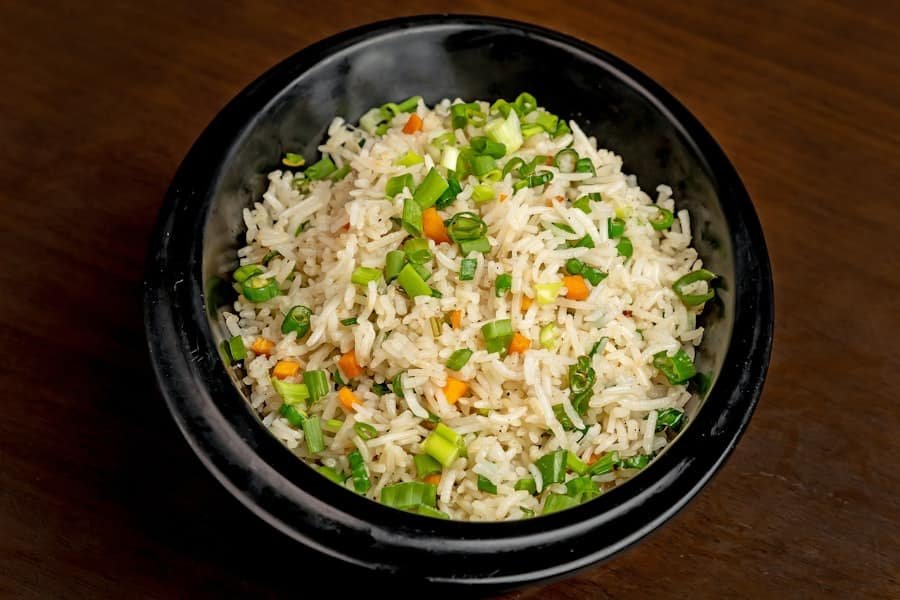
Rice is a staple food in many cultures around the world, known for its versatility and ability to complement a wide range of dishes. However, when it comes to the keto diet, rice presents a significant challenge due to its high carbohydrate content. A single cup of cooked white rice can contain around 45 grams of carbohydrates, which can quickly exceed your daily limit if you’re trying to maintain ketosis.
As such, traditional rice is generally avoided on a strict keto plan. That said, understanding the role of rice in your diet can help you make better choices. While conventional rice may not fit into a keto lifestyle, there are alternatives that mimic its texture and culinary uses without derailing your carb goals.
Exploring these substitutes allows you to enjoy familiar dishes while adhering to the principles of the keto diet. By being creative and resourceful in the kitchen, you can still savor the flavors and experiences associated with rice-based meals.
Nutritional Content of Rice
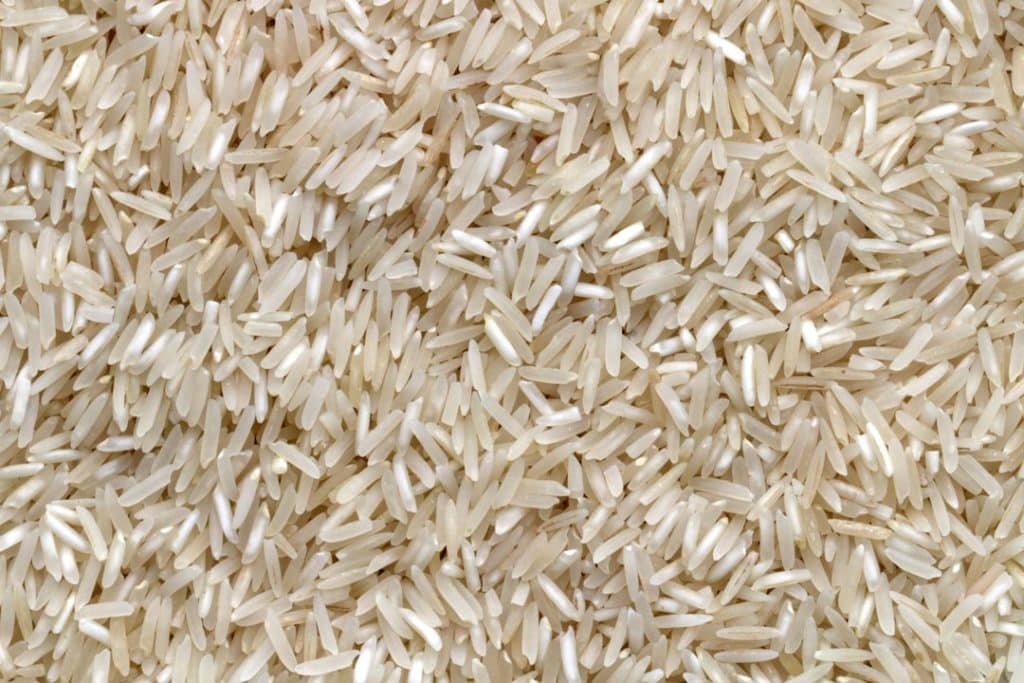
To fully grasp why rice is often excluded from the keto diet, it’s essential to examine its nutritional content. White rice is primarily composed of carbohydrates, with minimal amounts of protein and fat. In addition to its high carb content, white rice lacks significant vitamins and minerals compared to whole grains or vegetables.
While it does provide some energy, it offers little in terms of nutritional density, making it less favorable for those seeking a balanced diet. Brown rice, while slightly more nutritious than white rice due to its higher fiber content and additional nutrients, still contains a substantial amount of carbohydrates—approximately 45 grams per cup when cooked. This means that even brown rice can pose challenges for those on a strict keto regimen.
Understanding these nutritional aspects can help you make informed decisions about what to include in your meals while adhering to your dietary goals.
Alternatives to Rice on the Keto Diet
Fortunately, there are several alternatives to traditional rice that can seamlessly fit into your keto meal plan. One popular substitute is cauliflower rice, which is made by grating or processing cauliflower into small granules that resemble rice grains. Cauliflower rice is low in carbohydrates and calories while being rich in vitamins C and K, making it an excellent choice for those looking to maintain ketosis without sacrificing texture or flavor.
Another option is shirataki rice, derived from the konjac plant. This unique alternative is virtually calorie-free and contains minimal carbohydrates, making it an ideal choice for keto dieters. Shirataki rice has a slightly different texture than traditional rice but can absorb flavors well when cooked with various seasonings and sauces.
By incorporating these alternatives into your meals, you can enjoy the satisfaction of a rice-like dish without compromising your dietary goals.
Risks and Benefits of Eating Rice on Keto
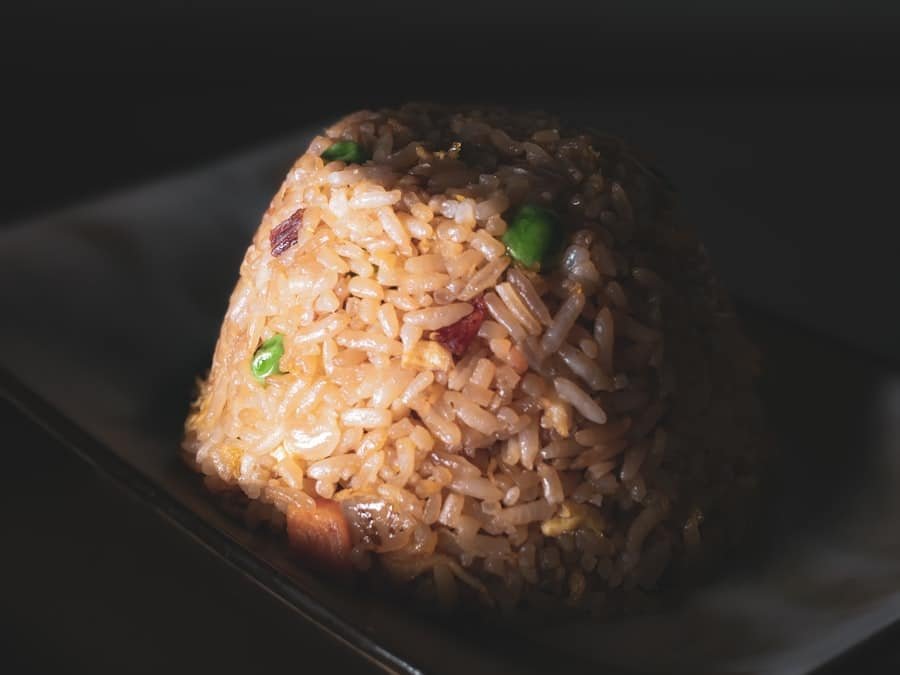
While traditional rice is generally avoided on the keto diet due to its high carbohydrate content, some individuals may wonder about the potential risks and benefits of including it in moderation. On one hand, consuming small amounts of rice could provide a quick source of energy for those engaging in high-intensity workouts or endurance activities. However, this approach may also risk knocking you out of ketosis if not carefully monitored.
The benefits of sticking to low-carb alternatives far outweigh the potential advantages of including rice in your diet. By focusing on nutrient-dense foods that align with keto principles, you can support overall health while achieving your weight loss goals. Ultimately, understanding your body’s response to different foods will help you make informed choices about what works best for you on your keto journey.
How to Incorporate Rice into a Keto Meal Plan
If you’re determined to include rice in your keto meal plan, it’s crucial to do so mindfully and strategically. One approach is to use small portions of cauliflower or shirataki rice as a base for dishes that typically feature traditional rice. For example, consider making a stir-fry with plenty of low-carb vegetables and protein sources like chicken or tofu while using cauliflower rice as a filler.
This way, you can enjoy the texture without exceeding your carb limits. Another method is to create hybrid dishes that blend traditional ingredients with keto-friendly options. For instance, you might prepare a small serving of brown rice alongside a generous portion of sautéed greens or roasted vegetables.
By balancing your plate with low-carb foods, you can still enjoy the flavors associated with rice while keeping your overall carbohydrate intake in check.
Tips for Choosing the Right Type of Rice on Keto
If you decide to incorporate rice into your keto diet, selecting the right type is essential for minimizing carbohydrate intake while maximizing nutritional value. Opting for whole grain varieties like brown or wild rice may provide more fiber and nutrients compared to white rice; however, be mindful of portion sizes due to their still significant carb content. Additionally, consider experimenting with lower-carb options such as cauliflower or shirataki rice as mentioned earlier.
These alternatives not only help keep your carb count low but also offer unique flavors and textures that can enhance your meals. When shopping for rice or its substitutes, always read labels carefully to ensure you’re making choices that align with your dietary goals.
Recipes for Keto-Friendly Rice Dishes
Creating delicious keto-friendly dishes using alternatives to traditional rice can be both fun and rewarding. One popular recipe is cauliflower fried rice, where you sauté riced cauliflower with vegetables like bell peppers and peas along with scrambled eggs and soy sauce for flavor. This dish mimics the classic fried rice experience while keeping carbs at bay.
Another option is shirataki rice stir-fry, where you combine shirataki rice with protein sources such as shrimp or chicken along with an array of colorful vegetables. Seasoning it with garlic, ginger, and sesame oil adds depth and richness to the dish without compromising your carb limits. These recipes not only satisfy cravings but also allow you to enjoy familiar flavors while adhering to your keto lifestyle.
Potential Side Effects of Eating Rice on Keto
Incorporating traditional rice into a keto diet may lead to several potential side effects that could hinder your progress toward achieving ketosis. Consuming high-carb foods like rice can spike blood sugar levels, leading to increased cravings and hunger shortly after eating. This cycle may make it challenging to maintain a calorie deficit necessary for weight loss.
Moreover, if you find yourself frequently consuming rice while attempting to stay in ketosis, you may experience fatigue or brain fog as your body struggles to adapt between burning glucose and fat for energy. It’s essential to listen to your body’s signals and assess how different foods impact your overall well-being on this dietary journey.
Consulting a Nutritionist or Dietitian for Personalized Advice
As you navigate the complexities of the keto diet and consider incorporating rice or its alternatives into your meal plan, consulting a nutritionist or registered dietitian can provide invaluable guidance tailored specifically to your needs. These professionals can help assess your individual health goals, dietary preferences, and any underlying medical conditions that may influence your food choices. Working with a nutrition expert allows you to develop a personalized meal plan that aligns with both your lifestyle and nutritional requirements while ensuring that you remain on track toward achieving optimal health outcomes.
Their expertise can empower you with knowledge about food choices that support ketosis while still allowing room for flexibility in your eating habits. In conclusion, understanding the intricacies of the keto diet—including carbohydrate restriction and alternatives to traditional staples like rice—can significantly enhance your experience on this dietary journey. By exploring various options and seeking professional advice when needed, you can create satisfying meals that align with your health goals while enjoying the process along the way.
FAQs
What is the keto diet?
The keto diet is a high-fat, low-carbohydrate diet that has been shown to help with weight loss and improve certain health conditions. It involves drastically reducing carbohydrate intake and replacing it with fat, putting the body into a metabolic state called ketosis.
Can I eat rice on the keto diet?
Rice is high in carbohydrates, so it is generally not recommended to eat rice on the keto diet. The goal of the keto diet is to keep carbohydrate intake very low, so foods like rice, which are high in carbs, are typically avoided.
Are there any alternatives to rice on the keto diet?
Yes, there are several low-carb alternatives to rice that can be enjoyed on the keto diet. These include cauliflower rice, shirataki rice, and broccoli rice, which are all lower in carbohydrates and can be used as substitutes in keto-friendly recipes.
What are the potential drawbacks of eating rice on the keto diet?
Eating rice on the keto diet can make it difficult to stay within the recommended carbohydrate intake, which may prevent the body from entering ketosis. Additionally, consuming high-carb foods like rice can lead to spikes in blood sugar and insulin levels, which can interfere with the metabolic benefits of the keto diet.
Are there any exceptions to eating rice on the keto diet?
Some individuals following a less strict version of the keto diet, or those who are able to fit small amounts of rice into their daily carbohydrate allowance, may occasionally include rice in their meals. However, it is important to carefully monitor portion sizes and overall carbohydrate intake to ensure that ketosis is maintained.