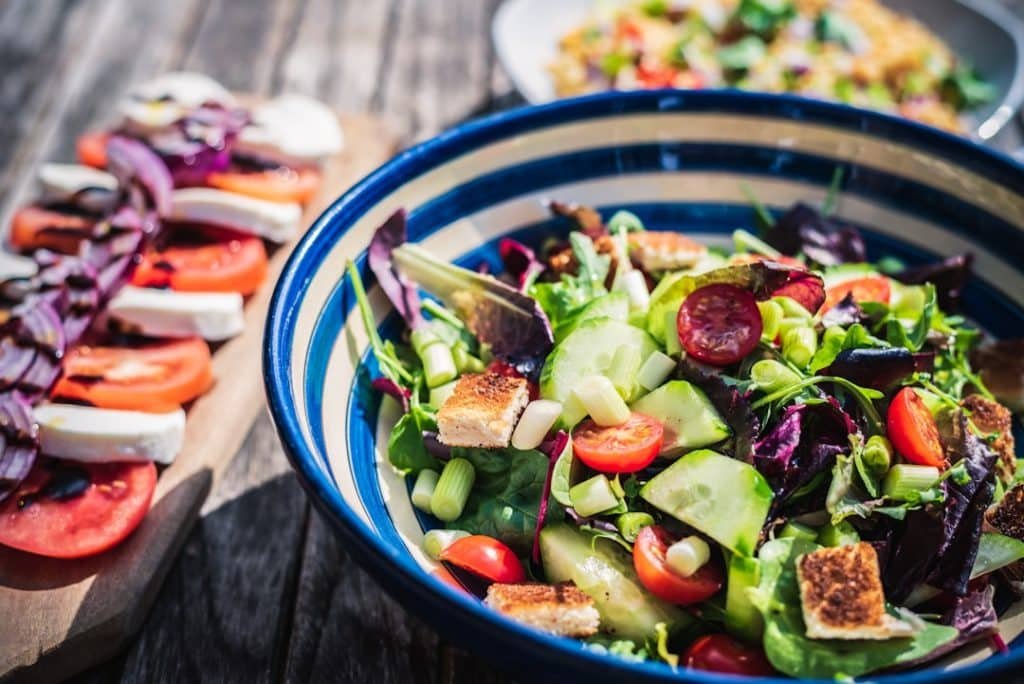
In the ever-evolving landscape of dietary choices, the distinction between non-keto and keto diets has become increasingly significant. You may have heard of the ketogenic diet, often referred to as the keto diet, which emphasizes high-fat, low-carbohydrate intake. This approach aims to shift your body into a state of ketosis, where it burns fat for fuel instead of carbohydrates.
On the other hand, non-keto diets typically include a broader range of food options, allowing for higher carbohydrate consumption. Understanding these two dietary frameworks is essential for making informed choices about your nutrition and health. As you delve deeper into the world of diets, you might find that each has its own set of principles, benefits, and challenges.
The keto diet can be particularly appealing for those looking to lose weight or manage certain health conditions, while non-keto diets may offer more flexibility and variety. By exploring both options, you can better assess which approach aligns with your lifestyle, preferences, and health goals.
Key Takeaways
- Non-keto diets typically include a higher intake of carbohydrates, while keto diets focus on high fat and low carb intake.
- Non-keto foods often include grains, fruits, starchy vegetables, and sugary snacks.
- Keto-friendly foods include low-carb vegetables, high-fat dairy, meat, fish, and healthy fats like avocado and olive oil.
- Non-keto foods can lead to spikes in blood sugar levels and increased fat storage in the body.
- Keto foods can help promote weight loss, improve blood sugar control, and increase energy levels.
Understanding Non-Keto Foods
Non-keto foods encompass a wide array of items that are typically higher in carbohydrates. These foods include grains, legumes, fruits, and starchy vegetables. When you think about non-keto foods, you might picture items like bread, pasta, rice, and potatoes.
These staples are often a significant part of many traditional diets and provide a quick source of energy due to their carbohydrate content. However, if you’re considering a keto diet, it’s crucial to understand how these foods fit into your overall nutritional framework. In addition to grains and starchy vegetables, many processed foods also fall into the non-keto category.
Sugary snacks, sodas, and desserts are laden with carbohydrates that can hinder your progress on a keto diet. Recognizing these foods is essential for making conscious choices about what you consume. By understanding the carbohydrate content of various non-keto foods, you can better navigate your dietary options and make informed decisions that align with your health objectives.
Identifying Keto-Friendly Foods

Keto-friendly foods are those that are low in carbohydrates and high in healthy fats. As you explore this dietary approach, you’ll want to focus on incorporating items such as avocados, nuts, seeds, fatty fish, and oils like olive or coconut oil into your meals. These foods not only support your body’s transition into ketosis but also provide essential nutrients that promote overall health.
You may find that these options are not only satisfying but also versatile in their culinary applications. In addition to healthy fats, protein sources such as eggs, poultry, and certain dairy products can play a significant role in a keto diet. These foods help maintain muscle mass while providing the necessary energy for your daily activities.
As you identify keto-friendly foods, consider experimenting with different recipes that highlight these ingredients. This exploration can make your transition to a keto lifestyle more enjoyable and sustainable.
The Impact of Non-Keto Foods on the Body
When you consume non-keto foods, your body processes carbohydrates differently than it does fats. High carbohydrate intake can lead to spikes in blood sugar levels, which may result in increased hunger and cravings shortly after eating. This cycle can make it challenging to maintain a healthy weight or achieve specific health goals.
You might notice that consuming non-keto foods leaves you feeling sluggish or fatigued as your body works to manage the influx of sugar. Moreover, frequent consumption of non-keto foods can contribute to inflammation and other metabolic issues over time. If you’re looking to improve your overall health or manage conditions like diabetes or insulin resistance, understanding the impact of these foods is crucial.
By recognizing how non-keto foods affect your body, you can make more informed choices about what to include in your diet.
The Benefits of Keto Foods
Keto foods offer numerous benefits that extend beyond weight loss. One of the most significant advantages is the potential for improved mental clarity and focus. Many individuals report experiencing heightened cognitive function when following a ketogenic diet.
This effect is often attributed to the brain’s preference for ketones as an energy source over glucose. As you incorporate more keto-friendly foods into your meals, you may find that your concentration and productivity improve. Additionally, keto foods can help stabilize blood sugar levels and reduce cravings for unhealthy snacks.
By consuming healthy fats and proteins, you may experience fewer energy crashes throughout the day. This stability can lead to better mood regulation and overall well-being. As you explore the benefits of keto foods, consider how they can positively impact not only your physical health but also your mental and emotional state.
Non-Keto Foods to Avoid
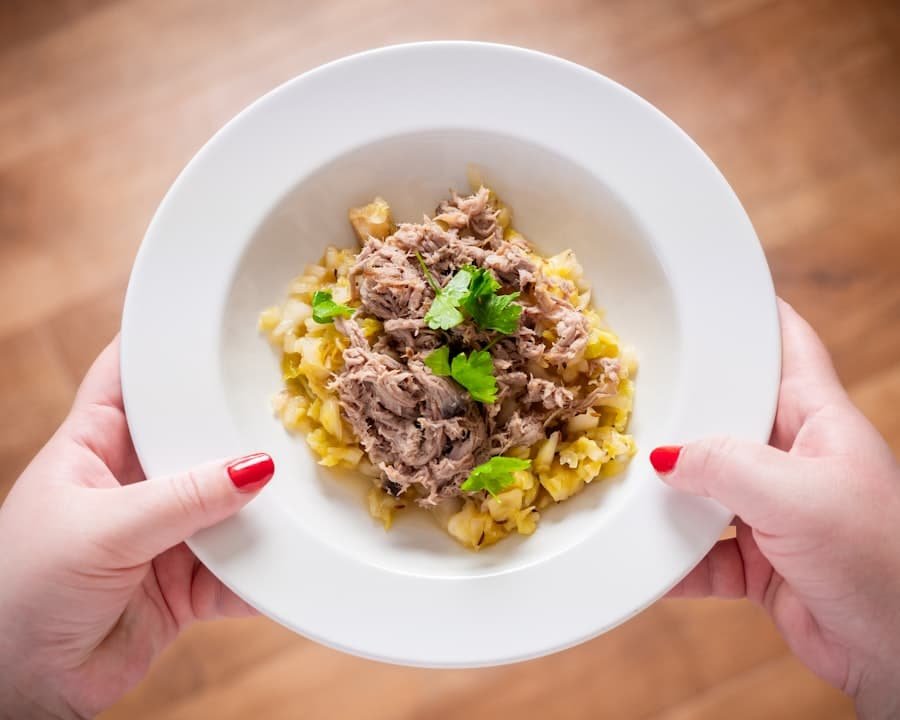
If you’re considering transitioning to a keto diet, it’s essential to identify non-keto foods that you should avoid or limit significantly. Foods high in refined sugars are at the top of this list; items like candy, pastries, and sugary beverages can quickly derail your progress. Additionally, starchy vegetables such as corn and peas should be consumed sparingly due to their higher carbohydrate content.
Processed grains are another category to watch out for. Bread, pasta, and rice are staples in many diets but can hinder your ability to enter ketosis. Instead of these traditional options, consider exploring alternatives that align with your keto goals.
By being mindful of the non-keto foods you consume, you can create a more conducive environment for achieving your dietary objectives.
Keto-Friendly Substitutes for Non-Keto Foods
Transitioning from a non-keto diet doesn’t mean sacrificing flavor or satisfaction in your meals. There are numerous keto-friendly substitutes available that can help you enjoy familiar dishes without compromising your dietary goals. For instance, instead of traditional pasta made from wheat flour, you might try zucchini noodles or spaghetti squash as a low-carb alternative.
These substitutes not only reduce carbohydrate intake but also add nutritional value to your meals. Another popular substitution is using cauliflower as a base for pizza crust or mashed potatoes. Cauliflower is low in carbs and high in fiber, making it an excellent choice for those on a keto diet.
Additionally, almond flour or coconut flour can replace regular flour in baking recipes, allowing you to indulge in treats without the carb overload. By exploring these substitutes, you can maintain a satisfying and diverse menu while adhering to your keto lifestyle.
Meal Planning for Non-Keto and Keto Diets
Effective meal planning is crucial whether you’re following a non-keto or keto diet. For those on a non-keto diet, meal planning may involve incorporating a variety of food groups while ensuring balanced macronutrient intake. You might focus on including whole grains, lean proteins, fruits, and vegetables in your meals to create a well-rounded diet that supports overall health.
On the other hand, if you’re embracing a keto diet, meal planning takes on a different approach. You’ll want to prioritize high-fat and low-carb ingredients while ensuring you’re meeting your protein needs. Planning ahead can help you avoid reaching for non-keto snacks when hunger strikes.
Consider preparing meals in advance or creating a weekly menu that highlights keto-friendly recipes. This proactive approach will not only save time but also keep you on track with your dietary goals.
Tips for Transitioning from Non-Keto to Keto
Transitioning from a non-keto diet to a keto lifestyle can be challenging but rewarding with the right strategies in place. One effective tip is to gradually reduce your carbohydrate intake rather than making drastic changes overnight. This gradual approach allows your body to adjust more comfortably to using fat as its primary fuel source.
Another helpful strategy is to educate yourself about keto-friendly foods and meal options before making the switch. Familiarize yourself with recipes that excite you and stock up on essential ingredients that align with your new dietary goals. Additionally, consider seeking support from online communities or local groups focused on ketogenic living; sharing experiences with others can provide motivation and encouragement during your transition.
Common Misconceptions about Non-Keto and Keto Foods
As you navigate the world of diets, you’ll likely encounter various misconceptions about both non-keto and keto foods. One common myth is that all carbohydrates are bad for you; however, it’s essential to recognize that not all carbs are created equal. Whole grains and fruits provide valuable nutrients and fiber that contribute positively to health when consumed in moderation.
Conversely, some people believe that following a keto diet means consuming excessive amounts of unhealthy fats; this is not necessarily true. A well-balanced ketogenic diet emphasizes healthy fats from sources like avocados, nuts, and olive oil while minimizing processed fats and sugars. By debunking these misconceptions, you can approach both dietary frameworks with a clearer understanding of their benefits and limitations.
Finding the Right Balance for Your Diet
In conclusion, navigating the realms of non-keto and keto diets requires careful consideration of your personal health goals and lifestyle preferences. Both dietary approaches offer unique benefits and challenges that can impact your overall well-being. By understanding the differences between non-keto and keto foods, identifying what works best for you becomes more manageable.
Ultimately, finding the right balance for your diet may involve incorporating elements from both approaches or fully committing to one based on your individual needs. Whether you choose to embrace a ketogenic lifestyle or maintain a more traditional non-keto diet, prioritizing whole foods and mindful eating will serve you well on your journey toward better health. Remember that every individual’s path is unique; what matters most is discovering what nourishes both your body and mind effectively.
FAQs
What are non-keto foods?
Non-keto foods are those that are high in carbohydrates and low in fat, which can include items such as bread, pasta, rice, and sugary snacks. These foods are not typically consumed on a ketogenic diet due to their high carb content.
What are keto foods?
Keto foods are those that are low in carbohydrates and high in healthy fats, such as avocados, nuts, seeds, and fatty fish. These foods are commonly consumed on a ketogenic diet to help the body enter a state of ketosis, where it burns fat for fuel instead of carbohydrates.
What is the difference between non-keto and keto foods?
The main difference between non-keto and keto foods is their macronutrient composition. Non-keto foods are high in carbohydrates and low in fat, while keto foods are low in carbohydrates and high in fat. This difference is important for individuals following a ketogenic diet, as it helps them achieve and maintain ketosis.
Can non-keto foods be consumed on a ketogenic diet?
Non-keto foods are generally not recommended for consumption on a ketogenic diet, as they can disrupt the body’s ability to enter and maintain ketosis. However, some individuals may incorporate small amounts of non-keto foods into their diet while still staying within their daily carb limit.
What are the benefits of consuming keto foods?
Consuming keto foods can help individuals achieve and maintain ketosis, which has been associated with various health benefits, including weight loss, improved blood sugar control, and increased energy levels. Additionally, keto foods are often nutrient-dense and can provide essential vitamins and minerals.
Are there any drawbacks to consuming non-keto foods?
Non-keto foods, particularly those high in refined carbohydrates and sugars, can lead to spikes in blood sugar levels and contribute to weight gain. Additionally, these foods may not provide the same sustained energy levels as keto foods, which can lead to feelings of fatigue and hunger.