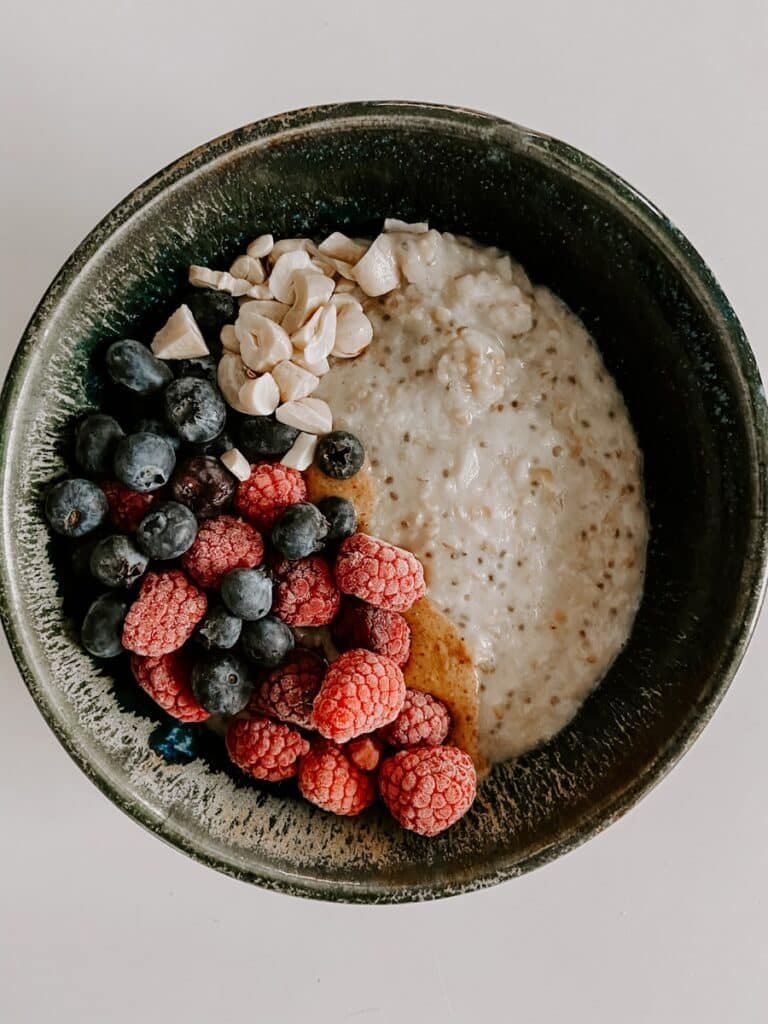
A ketogenic diet, often referred to as a keto diet, is a high-fat, low-carbohydrate eating plan designed to shift your body’s metabolism from burning glucose to burning fat for energy. This metabolic state, known as ketosis, occurs when carbohydrate intake is significantly reduced, prompting the body to utilize fat stores for fuel. By drastically lowering your carbohydrate consumption and replacing it with healthy fats, you can encourage your body to enter this state of ketosis, which can lead to weight loss and other health benefits.
The typical macronutrient breakdown of a ketogenic diet consists of approximately 70-75% fat, 20-25% protein, and only about 5-10% carbohydrates. This stark contrast to traditional dietary guidelines emphasizes the importance of fats as the primary energy source. As you embark on this dietary journey, you may find that your food choices become more focused on avocados, nuts, seeds, oils, and fatty cuts of meat while minimizing grains, sugars, and starchy vegetables.
Understanding the principles of a ketogenic diet is crucial for successfully navigating its challenges and reaping its potential rewards.
Key Takeaways
- A ketogenic diet is a high-fat, low-carbohydrate diet that aims to put the body into a state of ketosis, where it burns fat for fuel instead of carbohydrates.
- Oats are a nutritious whole grain that are high in fiber, protein, and various vitamins and minerals, making them a popular breakfast choice for many people.
- Oats are relatively high in carbohydrates, with a 1-cup serving containing around 27 grams of net carbs, which may not be suitable for those following a strict ketogenic diet.
- Including oats in a ketogenic diet may impact ketosis due to their high carbohydrate content, potentially causing a shift in the body’s metabolic state away from ketosis.
- Alternatives to oats on a ketogenic diet include low-carb options such as chia seeds, flaxseeds, coconut flour, and almond flour, which can be used to create similar breakfast dishes.
Nutritional Content of Oats
Nutrient Profile
In addition to fiber, oats provide a range of nutrients including manganese, phosphorus, magnesium, copper, iron, zinc, folate, and vitamin B1.
Considerations for a Ketogenic Diet
While oats are nutritionally dense, they are also relatively high in carbohydrates. This is an important consideration if you are following a ketogenic diet. The balance of nutrients in oats can be beneficial for many people; however, if you are aiming to maintain a state of ketosis, you must carefully evaluate how oats fit into your overall dietary plan.
Making Informed Decisions
Understanding the nutritional content of oats will help you make informed decisions about their inclusion in your meals.
Carbohydrate Content of Oats
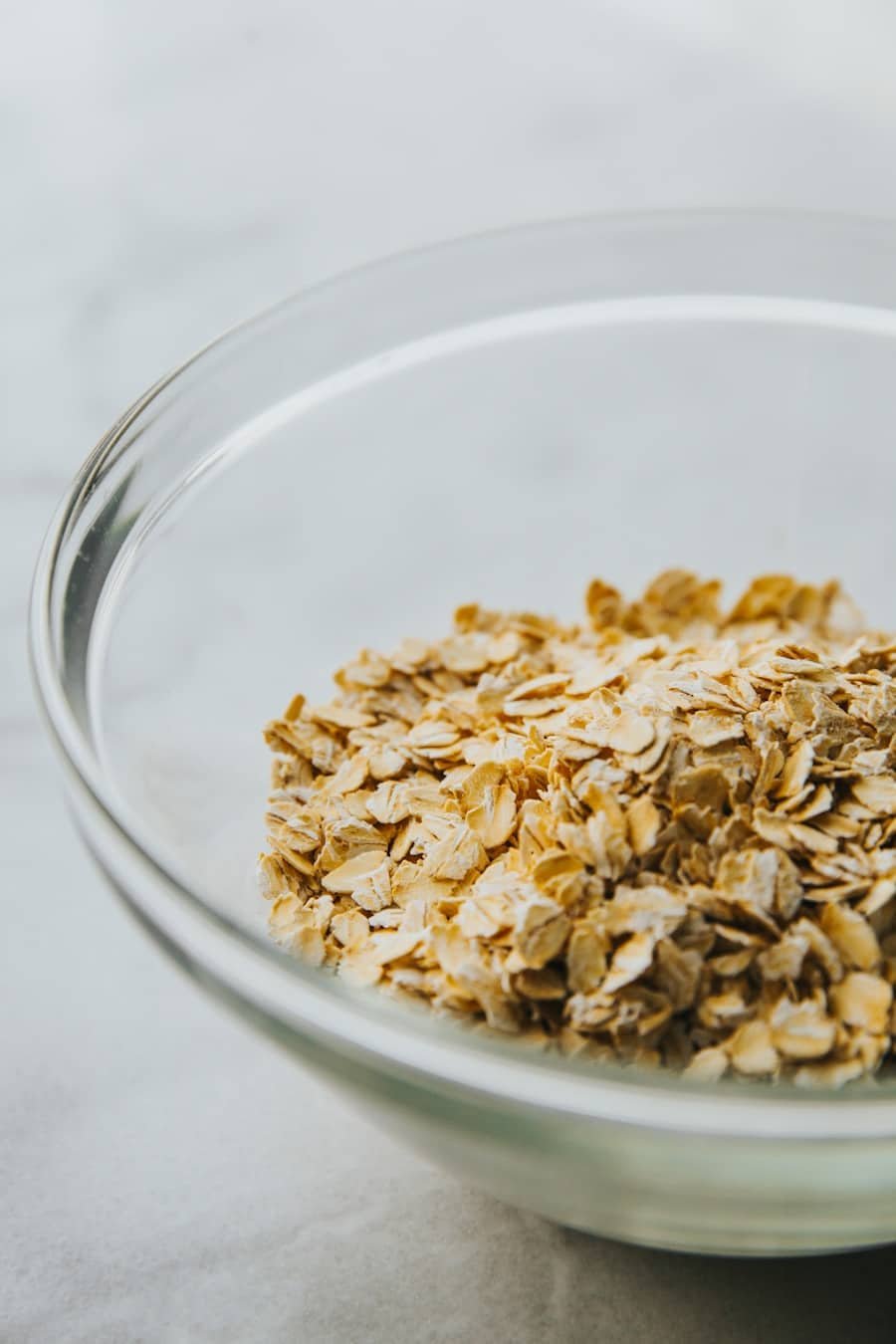
When it comes to carbohydrate content, oats are notably high compared to other foods typically consumed on a ketogenic diet. A standard serving of rolled oats (about 1 cup cooked) contains approximately 27 grams of carbohydrates. This amount can significantly impact your daily carbohydrate allowance if you are adhering to a strict keto regimen that typically limits carb intake to around 20-50 grams per day.
The carbohydrate content in oats primarily comes from starches and sugars, which can lead to spikes in blood sugar levels if consumed in large quantities. For those on a ketogenic diet, this spike can disrupt the delicate balance required to maintain ketosis. Therefore, it’s essential to consider how oats fit into your overall carbohydrate intake and whether they align with your dietary goals.
If you choose to include oats in your diet, portion control becomes crucial to avoid exceeding your carbohydrate limits.
Impact of Oats on Ketosis
Including oats in your diet while trying to achieve or maintain ketosis can be a double-edged sword. On one hand, the fiber content in oats may provide some health benefits such as improved digestion and satiety. On the other hand, the high carbohydrate content can hinder your ability to stay in ketosis.
When you consume oats, your body may convert the carbohydrates into glucose, which can lead to an increase in insulin levels and potentially kick you out of ketosis. If you are considering incorporating oats into your ketogenic lifestyle, it’s vital to monitor your body’s response closely. Some individuals may find that they can tolerate small amounts of oats without affecting their ketosis significantly, while others may experience immediate shifts in their metabolic state.
Keeping track of your ketone levels through testing can help you determine how oats impact your personal journey toward ketosis.
Alternatives to Oats on a Ketogenic Diet
If you find that oats do not align with your ketogenic goals or if you simply want to explore alternatives, there are several options available that can provide similar textures or flavors without the high carbohydrate content. One popular substitute is chia seeds, which are low in carbs and high in fiber and healthy fats. When soaked in liquid, chia seeds expand and create a pudding-like consistency that can mimic oatmeal.
Another alternative is flaxseed meal, which is also low in carbohydrates and rich in omega-3 fatty acids. Flaxseed meal can be used to create porridge-like dishes or added to smoothies for an extra nutritional boost. Additionally, there are various nut-based options such as almond flour or coconut flour that can be used to create keto-friendly baked goods or breakfast dishes that satisfy cravings without derailing your dietary goals.
Preparing Oats for a Ketogenic Diet
Minimizing Carb Impact through Preparation
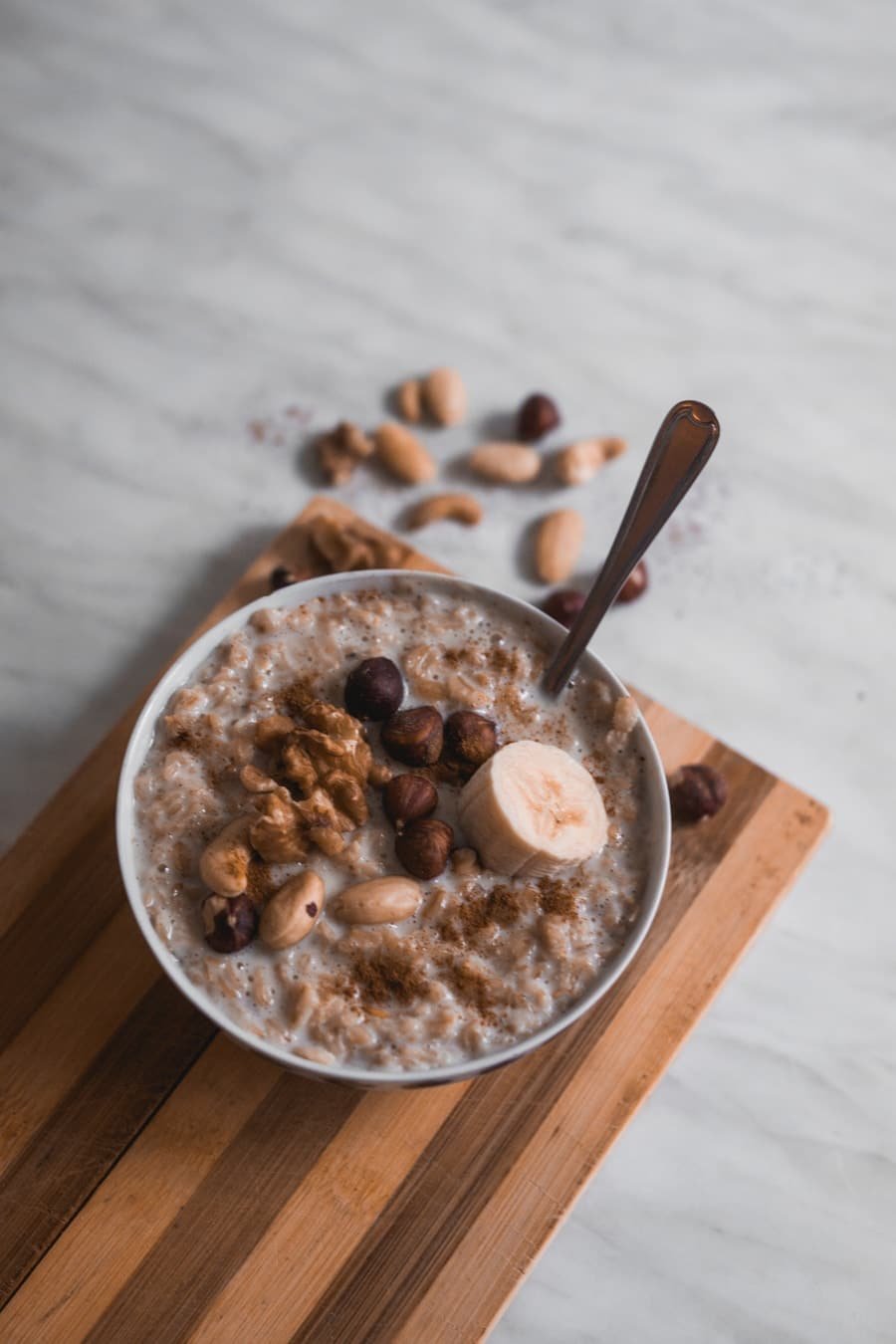
If you decide to include oats in your ketogenic diet despite their carbohydrate content, preparation is key to minimizing their impact on your overall carb intake. One approach is to use smaller portions of oats combined with high-fat ingredients such as coconut milk or almond butter. This not only enhances the flavor but also increases the fat content of the meal, helping you stay within your macronutrient goals.
Preparing Overnight Oats with Low-Carb Ingredients
You might also consider preparing overnight oats using low-carb ingredients like unsweetened almond milk and adding toppings such as nuts or seeds for added texture and flavor.
Creating a Satisfying Ketogenic Meal
By carefully controlling the portion size and enhancing the dish with healthy fats and low-carb toppings, you can create a satisfying meal that aligns more closely with your ketogenic lifestyle.
Potential Benefits of Including Oats in a Ketogenic Diet
While oats are generally considered high in carbohydrates, there are potential benefits to including them in moderation within a ketogenic diet. For one, the soluble fiber found in oats can aid digestion and promote gut health by supporting beneficial bacteria in the gut microbiome. This can be particularly beneficial for those who may experience digestive issues when consuming a high-fat diet.
Additionally, oats can provide a sense of satiety due to their fiber content, which may help curb cravings and prevent overeating throughout the day. If you find that including small amounts of oats helps you feel fuller longer without significantly impacting your ketosis, it could be a valuable addition to your meal plan. Ultimately, the key lies in moderation and understanding how your body responds to different foods.
Risks of Including Oats in a Ketogenic Diet
Despite the potential benefits of including oats in a ketogenic diet, there are also risks that you should be aware of. The most significant concern is the possibility of exceeding your daily carbohydrate limit, which could lead to being kicked out of ketosis. This disruption can hinder weight loss efforts and affect energy levels and mental clarity.
Moreover, some individuals may experience digestive discomfort when consuming oats due to their high fiber content or gluten sensitivity. If you notice any adverse reactions after including oats in your diet, it may be wise to eliminate them altogether or seek alternatives that better suit your needs. As with any dietary change, it’s essential to listen to your body and make adjustments based on how you feel.
In conclusion, while oats offer numerous nutritional benefits and can be enjoyed by many people as part of a balanced diet, their high carbohydrate content poses challenges for those following a ketogenic lifestyle. By understanding the implications of including oats in your meals and exploring alternatives that align more closely with keto principles, you can make informed choices that support your health goals while enjoying a diverse range of foods.
FAQs
What is a ketogenic diet?
A ketogenic diet is a high-fat, adequate-protein, low-carbohydrate diet that forces the body to burn fats rather than carbohydrates for energy. This process produces ketones, which the body can use for energy.
Can I have oats on a ketogenic diet?
Oats are not typically recommended on a ketogenic diet due to their high carbohydrate content. A half-cup serving of cooked oats contains about 13 grams of net carbs, which can easily exceed the daily carb limit for someone following a ketogenic diet.
Are there any alternatives to oats on a ketogenic diet?
Yes, there are several low-carb alternatives to oats that can be consumed on a ketogenic diet, such as chia seeds, flaxseeds, hemp hearts, and shredded coconut. These alternatives are lower in carbohydrates and can be used to create keto-friendly porridge or oatmeal substitutes.
What are the benefits of following a ketogenic diet?
Some potential benefits of following a ketogenic diet include weight loss, improved blood sugar control, increased mental clarity, and reduced inflammation. However, it’s important to consult with a healthcare professional before making any significant dietary changes.