A ketogenic diet, often referred to as a keto diet, is a high-fat, low-carbohydrate eating plan designed to shift your body’s metabolism from burning glucose to burning fat for energy. By drastically reducing carbohydrate intake and replacing it with fat, your body enters a metabolic state known as ketosis. In this state, your liver converts fat into ketones, which serve as an alternative energy source for your brain and body.
This dietary approach has gained popularity not only for weight loss but also for its potential therapeutic benefits in managing certain medical conditions, such as epilepsy and type 2 diabetes. When you embark on a ketogenic diet, you typically aim to consume about 70-75% of your daily calories from fats, 20-25% from protein, and only about 5-10% from carbohydrates. This significant reduction in carbs forces your body to adapt to a new way of fueling itself.
As you transition into ketosis, you may experience various physical and mental changes, including increased energy levels, improved focus, and reduced hunger. However, the initial phase can also come with challenges, such as the “keto flu,” where you might feel fatigued or irritable as your body adjusts to this new metabolic state.
Key Takeaways
- A ketogenic diet is a high-fat, low-carbohydrate diet that aims to put the body into a state of ketosis, where it burns fat for fuel instead of carbohydrates.
- Mangoes are a rich source of vitamins, minerals, and antioxidants, including vitamin C, vitamin A, and fiber.
- While mangoes are nutritious, they are also high in carbohydrates, with a medium-sized mango containing around 50 grams of carbs.
- Consuming mangoes can impact ketosis due to their high carbohydrate content, potentially kicking the body out of ketosis.
- If you want to incorporate mangoes into a ketogenic diet, it’s best to do so in moderation and consider factors like portion size and timing to minimize the impact on ketosis.
Nutritional Content of Mangoes
Vitamins and Antioxidants
Mangoes are rich in vitamins A and C, which play crucial roles in maintaining healthy skin, vision, and immune function. The fruit also contains a variety of antioxidants, including quercetin, beta-carotene, and polyphenols, which contribute to its vibrant color and health benefits.
Minerals and Fiber
Mangoes are a good source of potassium and magnesium, both of which are essential for heart health and muscle function. The fruit is also rich in dietary fiber, which aids in digestion and helps maintain a healthy gut.
Incorporating Mangoes into Your Diet
While mangoes are a nutritious addition to a balanced diet, it’s essential to be mindful of their carbohydrate content if you’re considering incorporating them into your diet.
Carbohydrate Content in Mangoes
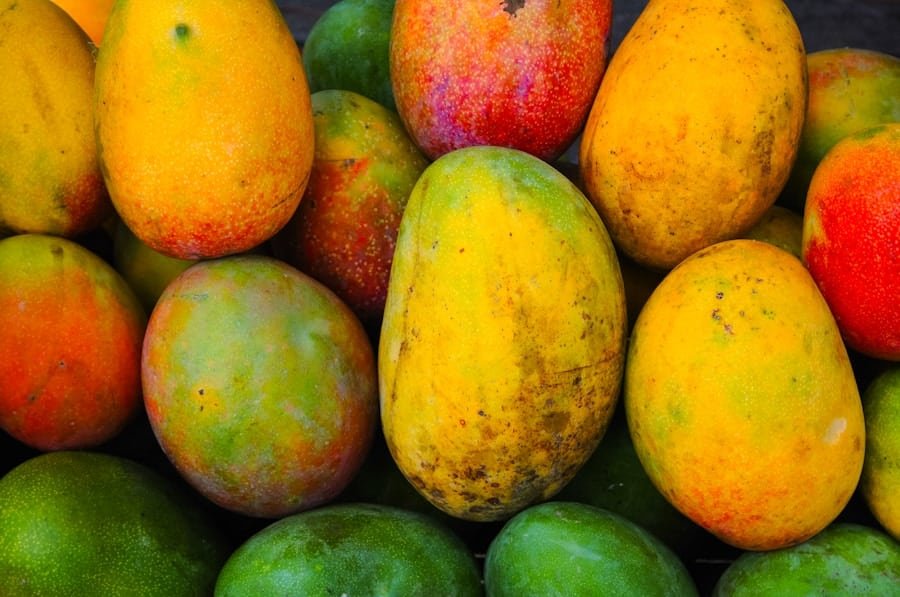
When evaluating the suitability of mangoes for a ketogenic diet, one of the most critical factors to consider is their carbohydrate content. A typical serving of mango—about one cup of sliced fruit—contains approximately 25 grams of carbohydrates. This amount can vary slightly depending on the size and ripeness of the mango.
For those following a strict ketogenic diet, where daily carbohydrate intake is often limited to around 20-50 grams, consuming even a small portion of mango can take up a significant portion of your carb allowance. It’s important to note that not all carbohydrates are created equal. The carbohydrates found in mangoes come primarily from natural sugars, which can lead to spikes in blood glucose levels if consumed in large quantities.
While the fiber content in mangoes can help mitigate some of these effects by slowing down sugar absorption, the overall carbohydrate load may still be too high for someone trying to maintain ketosis. Therefore, understanding the carbohydrate content in mangoes is crucial for making informed dietary choices while on a ketogenic plan.
Impact of Mangoes on Ketosis
The impact of consuming mangoes on ketosis can be quite significant due to their relatively high carbohydrate content. When you eat mangoes, the sugars they contain can quickly elevate your blood glucose levels, prompting your body to release insulin. This hormonal response can hinder your ability to maintain ketosis since insulin promotes the storage of fat rather than its utilization for energy.
For individuals striving to stay in ketosis, even small amounts of high-carb fruits like mangoes can pose a challenge. However, the effects may vary depending on individual metabolic responses and overall dietary patterns. Some people may find that they can incorporate small amounts of mango into their diet without completely disrupting their state of ketosis.
This could be possible if they carefully monitor their total carbohydrate intake throughout the day and ensure that they remain within their personal limits. Ultimately, understanding how your body reacts to different foods is key to navigating the complexities of maintaining ketosis while enjoying the flavors you love.
Ways to Incorporate Mangoes into a Ketogenic Diet
If you’re determined to enjoy mangoes while adhering to a ketogenic diet, there are several creative ways to incorporate them without derailing your progress. One approach is to use mangoes as a flavor enhancer rather than the main component of your meals. For instance, you could blend a small amount of ripe mango into a smoothie with low-carb ingredients like spinach or avocado.
This way, you can enjoy the tropical flavor without consuming an excessive amount of carbohydrates. Another option is to use mangoes in savory dishes where their sweetness can complement other low-carb ingredients. Consider adding diced mango to a salad featuring leafy greens, grilled chicken, and avocado for a refreshing twist.
You could also create a salsa by mixing finely chopped mango with cilantro, lime juice, and jalapeños to serve alongside grilled fish or meat. By using mangoes sparingly and pairing them with low-carb foods, you can enjoy their unique taste while keeping your carbohydrate intake in check.
Potential Benefits of Eating Mangoes on a Ketogenic Diet
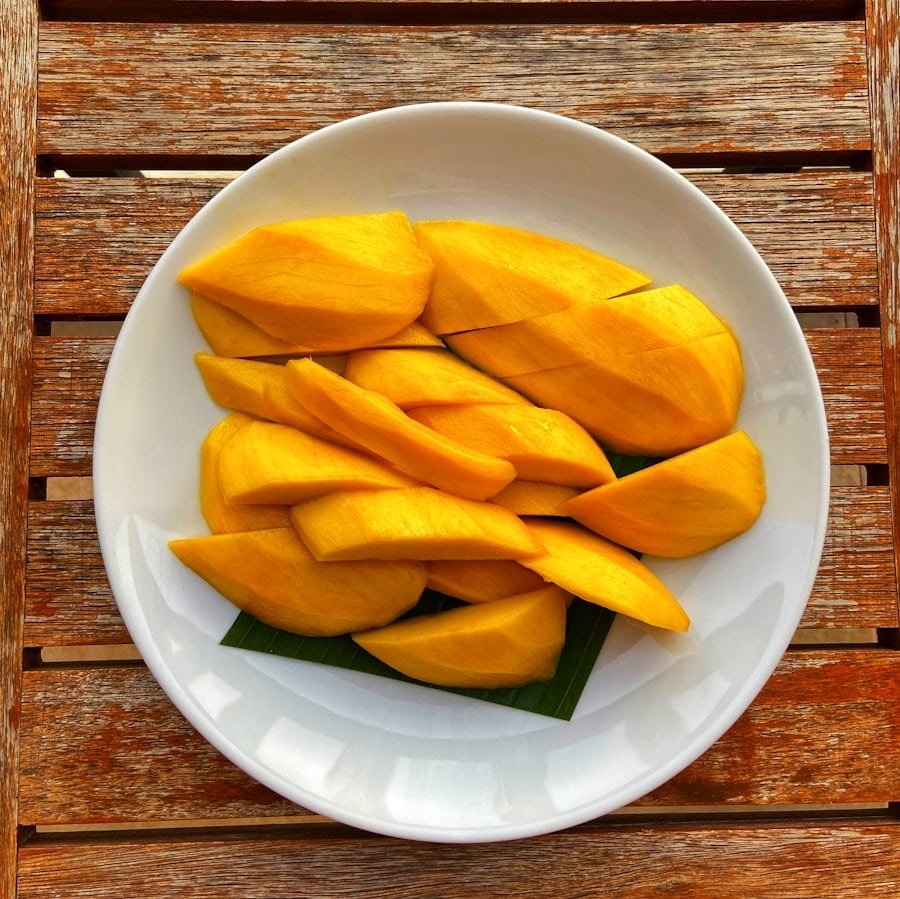
Despite their higher carbohydrate content, there are potential benefits to including small amounts of mangoes in your ketogenic diet. One significant advantage is the abundance of vitamins and minerals that mangoes provide. The vitamin C content can support your immune system and promote skin health, while vitamin A contributes to good vision and overall well-being.
Additionally, the antioxidants found in mangoes may help reduce inflammation and oxidative stress in the body. Moreover, the fiber content in mangoes can aid digestion and promote gut health. While fiber is not fully digestible and does not contribute significantly to net carbs, it plays an essential role in maintaining regular bowel movements and preventing constipation—common concerns for those on low-carb diets.
By incorporating small portions of mango into your meals or snacks, you can enjoy these nutritional benefits while still adhering to your ketogenic goals.
Risks and Considerations of Eating Mangoes on a Ketogenic Diet
While there are potential benefits to consuming mangoes on a ketogenic diet, there are also risks and considerations that you should keep in mind. The primary concern is the carbohydrate content; as previously mentioned, even small servings can quickly add up and potentially kick you out of ketosis. If you’re not careful with portion sizes or if you consume other high-carb foods throughout the day, you may find it challenging to maintain your desired state of ketosis.
Additionally, individual responses to carbohydrates can vary widely. Some people may be more sensitive to sugar spikes than others, meaning that even a small amount of mango could disrupt their metabolic state. It’s essential to listen to your body and monitor how it reacts after consuming mangoes or any other higher-carb foods.
Keeping track of your ketone levels through testing strips or devices can provide valuable insights into how different foods affect your state of ketosis.
Can You Have Mangoes on a Ketogenic Diet?
In conclusion, while it is possible to enjoy mangoes on a ketogenic diet, moderation is key. Their high carbohydrate content means that they should be consumed sparingly if you want to maintain ketosis effectively. By being mindful of portion sizes and incorporating them into meals thoughtfully—such as blending them into smoothies or using them as flavor enhancers—you can savor their unique taste without compromising your dietary goals.
Ultimately, the decision to include mangoes in your ketogenic diet should be based on your individual preferences and how your body responds to carbohydrates. If you find that small amounts do not disrupt your ketosis and contribute positively to your overall nutrition, then enjoying mangoes occasionally may be worthwhile. As with any dietary approach, balance and mindfulness are essential for achieving long-term success on your health journey.
FAQs
What is a ketogenic diet?
A ketogenic diet is a high-fat, low-carbohydrate diet that has been shown to help with weight loss and improve certain health conditions such as epilepsy and diabetes.
Can I have mangoes on a ketogenic diet?
Mangoes are high in carbohydrates and natural sugars, so they are not typically recommended for a ketogenic diet, which focuses on low-carbohydrate foods.
What are some alternatives to mangoes on a ketogenic diet?
Some low-carbohydrate fruit options that can be enjoyed on a ketogenic diet include berries (such as strawberries, blueberries, and raspberries), avocados, and tomatoes.
Are there any health benefits to following a ketogenic diet?
Some potential health benefits of a ketogenic diet may include weight loss, improved blood sugar control, and reduced risk of certain chronic diseases. However, it’s important to consult with a healthcare professional before starting any new diet.