
When you embark on a ketogenic diet, the concept of fats takes center stage. Unlike traditional dietary guidelines that often demonize fats, the keto diet embraces them as a primary source of energy. This shift in perspective is crucial for your success on the diet.
Healthy fats are not just a means to an end; they play a vital role in your overall health and well-being. By understanding the different types of fats and their benefits, you can make informed choices that align with your dietary goals. Healthy fats are essential for various bodily functions, including hormone production, nutrient absorption, and brain health.
They provide a concentrated source of energy, which is particularly beneficial when carbohydrates are limited. On a keto diet, your body enters a state of ketosis, where it burns fat for fuel instead of glucose. This metabolic shift can lead to weight loss, improved mental clarity, and increased energy levels.
However, not all fats are created equal. It’s important to distinguish between healthy fats and unhealthy ones to maximize the benefits of your keto journey.
Key Takeaways
- Healthy fats are essential for a keto diet as they provide energy and support overall health.
- Choose sources of healthy fats such as avocados, nuts, seeds, fatty fish, and olive oil for a well-rounded keto diet.
- Incorporate avocados and avocado oil into your meals for a creamy texture and a dose of healthy monounsaturated fats.
- Cooking with coconut oil and MCT oil can add flavor and healthy medium-chain triglycerides to your keto dishes.
- Add nuts and seeds to your meals for a crunchy texture and a boost of healthy fats, fiber, and essential nutrients.
Choosing the Right Sources of Healthy Fats
As you navigate the world of healthy fats, it’s essential to choose sources that not only align with your keto goals but also contribute to your overall health. Focus on incorporating fats that are rich in monounsaturated and polyunsaturated fatty acids, as these types have been shown to support heart health and reduce inflammation. Avocados, nuts, seeds, and fatty fish are excellent choices that can enhance your meals while providing essential nutrients.
When selecting fats, consider their nutritional profiles and how they fit into your daily macronutrient goals. For instance, avocados are not only high in healthy fats but also packed with fiber, vitamins, and minerals. Similarly, nuts and seeds offer a variety of nutrients along with their fat content.
By diversifying your fat sources, you can ensure that you’re getting a wide range of nutrients while keeping your meals interesting and satisfying.
Incorporating Avocados and Avocado Oil
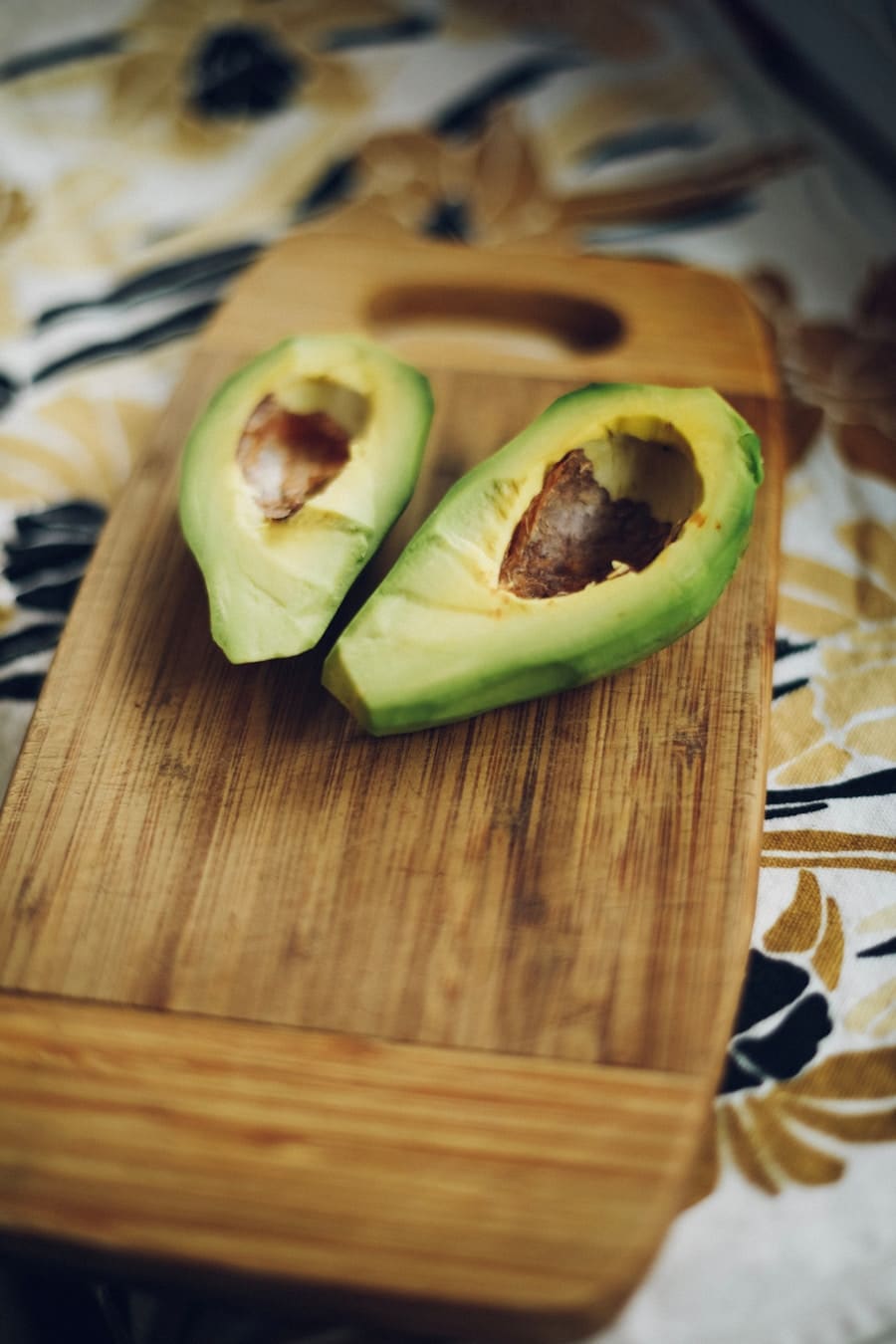
Avocados are often hailed as a superfood, and for good reason. They are rich in monounsaturated fats, which can help lower bad cholesterol levels and promote heart health. When you include avocados in your diet, you’re not just adding healthy fats; you’re also benefiting from their high fiber content, which aids digestion and keeps you feeling full longer.
You can enjoy avocados in various ways—sliced on salads, blended into smoothies, or even mashed as a spread on low-carb bread. Avocado oil is another fantastic addition to your keto pantry. It has a high smoke point, making it ideal for cooking at higher temperatures without breaking down and losing its nutritional value.
You can use avocado oil for sautéing vegetables or drizzling over roasted meats for added flavor. Additionally, its mild taste allows it to blend seamlessly into dressings and marinades, enhancing the overall flavor profile of your dishes while providing those essential healthy fats.
Cooking with Coconut Oil and MCT Oil
Coconut oil has gained popularity in recent years for its versatility and health benefits. It is rich in medium-chain triglycerides (MCTs), which are easily absorbed by the body and converted into energy. This makes coconut oil an excellent choice for those on a keto diet, as it can help boost ketone production and provide a quick source of fuel.
You can use coconut oil for baking, frying, or even adding to your morning coffee for a creamy texture. MCT oil is another powerful tool in your keto arsenal. Unlike regular coconut oil, MCT oil is refined to contain a higher concentration of medium-chain fatty acids.
This means it can provide an even quicker source of energy and may enhance cognitive function. You can incorporate MCT oil into smoothies or salad dressings or take it straight as a supplement. By using both coconut oil and MCT oil in your cooking, you can enjoy the benefits of healthy fats while keeping your meals delicious and satisfying.
Adding Nuts and Seeds to Your Meals
Nuts and seeds are not only delicious but also packed with healthy fats, protein, and essential nutrients. They make for an excellent snack option or can be easily incorporated into meals for added texture and flavor. Almonds, walnuts, chia seeds, and flaxseeds are particularly beneficial on a keto diet due to their low carbohydrate content and high fat content.
You can sprinkle them on salads, blend them into smoothies, or enjoy them as a standalone snack. In addition to their nutritional benefits, nuts and seeds can help keep you satiated between meals. Their combination of healthy fats and protein makes them an ideal choice for curbing hunger pangs without derailing your dietary goals.
However, it’s important to be mindful of portion sizes, as nuts can be calorie-dense. By incorporating a variety of nuts and seeds into your diet, you can enjoy their health benefits while adding diversity to your meals.
Including Fatty Fish in Your Diet
Fatty fish such as salmon, mackerel, sardines, and trout are excellent sources of omega-3 fatty acids, which are crucial for heart health and brain function. These fish are not only rich in healthy fats but also provide high-quality protein that can help keep you feeling full and satisfied. Including fatty fish in your diet can also help reduce inflammation and support overall well-being.
When preparing fatty fish, consider grilling or baking them to retain their nutritional value while enhancing their flavor. You can pair them with low-carb vegetables or serve them over a bed of leafy greens for a nutritious meal. Additionally, canned fish like sardines or tuna can be convenient options for quick meals or snacks.
By making fatty fish a regular part of your diet, you’ll reap the benefits of healthy fats while enjoying delicious meals.
Using Olive Oil for Cooking and Dressing
Olive oil is often regarded as one of the healthiest oils available due to its high content of monounsaturated fats and antioxidants. It’s an essential component of the Mediterranean diet and can be easily incorporated into your keto lifestyle. Use olive oil for sautéing vegetables or drizzling over grilled meats to enhance flavor while providing healthy fats.
In addition to cooking, olive oil is an excellent choice for salad dressings and marinades. You can create simple dressings by combining olive oil with vinegar or lemon juice along with herbs and spices for added flavor. This not only elevates the taste of your salads but also ensures you’re getting those beneficial fats in every meal.
By incorporating olive oil into your cooking routine, you’ll enjoy its health benefits while enhancing the overall quality of your meals.
Balancing Omega-3 and Omega-6 Fats in Your Keto Diet
While focusing on healthy fats is essential for a successful keto diet, it’s equally important to maintain a balance between omega-3 and omega-6 fatty acids. Omega-3s are primarily found in fatty fish, flaxseeds, and walnuts, while omega-6s are prevalent in many vegetable oils such as corn and soybean oil. A typical Western diet tends to be disproportionately high in omega-6s compared to omega-3s, which can lead to inflammation and other health issues.
To achieve a better balance between these two types of fats, prioritize sources of omega-3s in your meals while being mindful of omega-6 intake. This might mean reducing processed foods that contain vegetable oils high in omega-6s while increasing your consumption of fatty fish or incorporating flaxseeds into your diet. By focusing on this balance, you’ll not only support your keto goals but also promote overall health and well-being.
In conclusion, understanding healthy fats is crucial when following a ketogenic diet. By choosing the right sources of fats—such as avocados, coconut oil, nuts, seeds, fatty fish, olive oil—you can create delicious meals that nourish your body while keeping you satisfied. Balancing omega-3 and omega-6 fatty acids further enhances the benefits of healthy fats in your diet.
Embrace this journey towards better health by making informed choices about the fats you consume; it will undoubtedly lead to positive changes in both your physical health and overall quality of life.
FAQs
What are healthy fats?
Healthy fats are monounsaturated and polyunsaturated fats that are beneficial for heart health and overall well-being. They can be found in foods like avocados, nuts, seeds, and fatty fish.
Why are healthy fats important in a keto diet?
Healthy fats are important in a keto diet because they provide a source of energy when carbohydrates are restricted. They also help to keep you feeling full and satisfied, and can support various bodily functions.
How can I incorporate healthy fats into my keto diet?
You can incorporate healthy fats into your keto diet by including foods like avocados, olive oil, coconut oil, nuts, seeds, and fatty fish in your meals and snacks. These foods can be used in cooking, added to salads, or eaten as a snack on their own.
What are some examples of healthy fats for a keto diet?
Some examples of healthy fats for a keto diet include avocados, olive oil, coconut oil, almonds, walnuts, chia seeds, flaxseeds, and salmon.
How much healthy fats should I consume on a keto diet?
The amount of healthy fats you should consume on a keto diet can vary depending on your individual needs and goals. It’s important to work with a healthcare professional or registered dietitian to determine the right amount of healthy fats for you.


