
The ketogenic diet, often referred to as the keto diet, has gained immense popularity in recent years as a powerful tool for weight loss and improved health. At its core, the ketogenic diet is a high-fat, low-carbohydrate eating plan that aims to shift your body’s metabolism from burning carbohydrates for energy to burning fat. This metabolic state, known as ketosis, can lead to significant weight loss and various health benefits.
As you embark on this dietary journey, understanding the foods you can consume is crucial, especially when it comes to fruits, which are often high in sugars. While many fruits are typically avoided on a ketogenic diet due to their carbohydrate content, some may still fit into your meal plan with careful consideration. One such fruit is the plum.
In this article, you will explore the nutritional content of plums, their carbohydrate levels, and how they can impact your state of ketosis. You will also learn about moderation and portion control, alternatives to plums that align with your dietary goals, and the potential health benefits of including this fruit in your diet.
Key Takeaways
- The ketogenic diet is a high-fat, low-carbohydrate diet that has been shown to have various health benefits.
- Plums are a low-calorie fruit that are rich in vitamins, minerals, and antioxidants, making them a nutritious addition to a ketogenic diet.
- While plums are relatively high in carbohydrates, they can still be enjoyed in moderation on a ketogenic diet.
- Consuming plums in moderation is key to maintaining ketosis and reaping the potential health benefits of the ketogenic diet.
- If you’re looking for alternatives to plums on a ketogenic diet, consider incorporating other low-carb fruits such as berries or avocado.
Nutritional Content of Plums
Plums are not only delicious but also packed with essential nutrients that can contribute positively to your overall health. A medium-sized plum contains a variety of vitamins and minerals, including vitamin C, vitamin K, and potassium. Vitamin C is crucial for immune function and skin health, while vitamin K plays a vital role in blood clotting and bone health.
Potassium is essential for maintaining proper muscle function and regulating blood pressure. When you incorporate plums into your diet, you are not just enjoying a sweet treat; you are also providing your body with valuable nutrients. In addition to vitamins and minerals, plums are rich in antioxidants, which help combat oxidative stress and inflammation in the body.
These antioxidants, such as phenolic compounds and flavonoids, can contribute to overall health by reducing the risk of chronic diseases. However, as you navigate the ketogenic diet, it’s essential to balance these nutritional benefits with the fruit’s carbohydrate content to ensure you remain in ketosis.
Carbohydrate Content of Plums
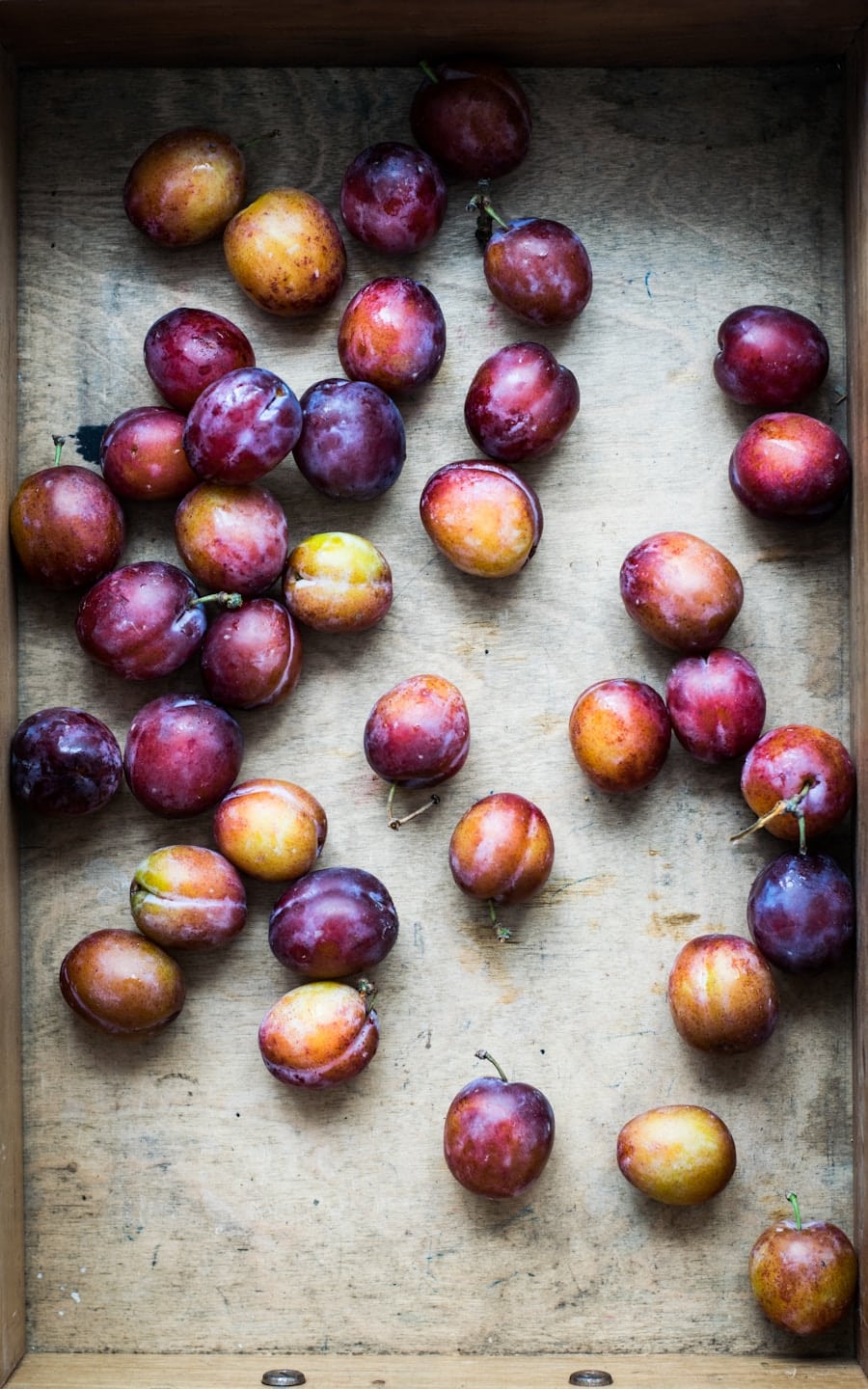
When considering any food on a ketogenic diet, understanding its carbohydrate content is paramount. Plums contain natural sugars that contribute to their carbohydrate count. A medium-sized plum typically has around 7-8 grams of carbohydrates.
While this may seem manageable compared to other fruits, it’s important to remember that the ketogenic diet usually restricts daily carbohydrate intake to about 20-50 grams. Therefore, consuming plums requires careful planning and portion control. As you evaluate whether to include plums in your diet, consider how they fit into your overall carbohydrate allowance for the day.
If you choose to enjoy a plum, you may need to adjust your intake of other carbohydrates throughout the day to stay within your limits. This balancing act is crucial for maintaining ketosis and achieving your dietary goals.
Impact of Plums on Ketosis
The impact of plums on your state of ketosis largely depends on how they fit into your overall dietary framework. While plums do contain carbohydrates, their relatively low glycemic index means they may not cause significant spikes in blood sugar levels when consumed in moderation. This characteristic can be beneficial for those on a ketogenic diet, as it allows for occasional indulgence without derailing your progress.
However, it’s essential to monitor how your body responds to plums. Some individuals may find that even small amounts of carbohydrates can affect their ability to maintain ketosis. Therefore, it’s wise to experiment with portion sizes and observe how you feel after consuming plums.
Keeping a food diary can help you track your carbohydrate intake and its effects on your ketosis levels.
Moderation and Portion Control
Moderation is key when incorporating any fruit into a ketogenic diet, and plums are no exception. While they offer nutritional benefits, their carbohydrate content means that portion control is essential. A good rule of thumb is to limit yourself to one medium-sized plum at a time and pair it with a source of healthy fat or protein to help mitigate any potential blood sugar spikes.
You might also consider slicing plums and adding them to salads or yogurt made from full-fat dairy or non-dairy alternatives. This way, you can enjoy the flavor and nutrients of plums while keeping your overall carbohydrate intake in check. Remember that every individual’s tolerance for carbohydrates varies; what works for one person may not work for another.
Therefore, finding the right balance for yourself is crucial.
Alternatives to Plums on a Ketogenic Diet

If you find that plums do not fit well into your ketogenic lifestyle or if you prefer to avoid them altogether, there are several alternative fruits that are more compatible with a low-carb diet. Berries such as strawberries, raspberries, and blackberries are excellent choices due to their lower carbohydrate content compared to other fruits. For instance, a half-cup of raspberries contains only about 7 grams of carbohydrates while providing ample fiber and antioxidants.
Another option is avocados, which are technically a fruit but are incredibly low in carbohydrates and high in healthy fats. They can be used in various dishes or enjoyed on their own as a creamy snack. Additionally, olives are another low-carb fruit that can add flavor and healthy fats to your meals.
By exploring these alternatives, you can still enjoy the benefits of fruit while adhering to your ketogenic goals.
Potential Health Benefits of Plums
Despite their higher carbohydrate content relative to other fruits suitable for a ketogenic diet, plums offer several potential health benefits worth considering. Their rich antioxidant profile can help reduce inflammation in the body and may lower the risk of chronic diseases such as heart disease and diabetes. The fiber found in plums can also aid digestion and promote gut health, which is essential for overall well-being.
Moreover, some studies suggest that the compounds found in plums may have protective effects against certain types of cancer and may even support brain health by improving cognitive function. While more research is needed in these areas, incorporating plums into a balanced diet could provide additional health benefits beyond their immediate nutritional value.
Conclusion and Final Thoughts
In conclusion, while the ketogenic diet emphasizes low carbohydrate intake, it does not mean that all fruits must be eliminated entirely from your meal plan. Plums can be enjoyed in moderation as part of a well-rounded ketogenic diet if you are mindful of their carbohydrate content and how they fit into your daily allowance. By understanding the nutritional profile of plums and practicing portion control, you can savor their unique flavor while still working towards your health goals.
Ultimately, the key to success on a ketogenic diet lies in balance and moderation. Whether you choose to include plums or opt for alternative low-carb fruits, being aware of how different foods affect your body will empower you to make informed choices that align with your dietary objectives. As you continue on your journey toward better health through the ketogenic lifestyle, remember that every small decision contributes to your overall success.
FAQs
What is a ketogenic diet?
A ketogenic diet is a high-fat, adequate-protein, low-carbohydrate diet that forces the body to burn fats rather than carbohydrates for energy. This process produces ketones, which the body can use for energy.
Are plums allowed on a ketogenic diet?
Plums are generally not recommended on a ketogenic diet due to their high sugar content. A single plum can contain around 7-8 grams of net carbs, which can quickly add up and exceed the daily carb limit for those following a ketogenic diet.
What are some alternative fruits for a ketogenic diet?
Some fruits that are lower in carbohydrates and can be included in moderation on a ketogenic diet include berries such as strawberries, raspberries, and blackberries. These fruits are lower in sugar and can be enjoyed in small portions while still staying within the daily carb limit.
Can I have plums occasionally on a ketogenic diet?
While it is generally recommended to avoid plums on a ketogenic diet, some individuals may be able to include small amounts of plums occasionally and still maintain ketosis, especially if they are able to balance their overall carb intake for the day. It is important to monitor portion sizes and track carb intake to ensure that plums do not exceed the daily carb limit.





