
Keto Diet And Diabetes
If you’re living with diabetes, you may have heard of the keto diet and wondered if it could help manage your condition. The keto diet, short for ketogenic diet, is a low-carb, high-fat eating plan that has gained popularity in recent years.
This article explores the relationship between the keto diet and diabetes, providing insights into the potential benefits and considerations for those with diabetes looking to adopt this diet. It also highlights key factors to keep in mind when embarking on a keto journey while managing diabetes.
Introduction to the Keto Diet and Diabetes
Understanding the Keto Diet
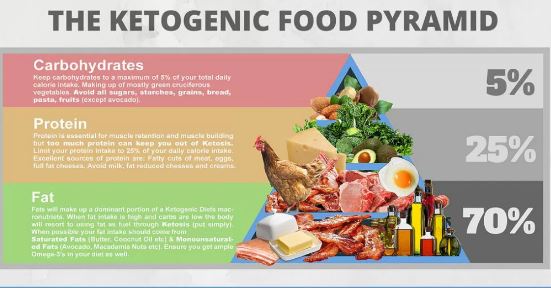
The Keto diet, short for ketogenic diet, is a low-carb, high-fat diet that aims to put your body into a state of ketosis. Ketosis occurs when your body lacks sufficient carbohydrates to use as fuel, so it begins to break down fat instead. This metabolic state leads to the production of molecules called ketones, which are used as an alternative energy source. By significantly reducing carbohydrate intake, the Keto diet promotes weight loss and can potentially improve certain health conditions, including diabetes.
Understanding Diabetes
Diabetes is a chronic condition characterized by high blood sugar levels. There are two primary types of diabetes: type 1 and type 2. Type 1 diabetes is an autoimmune disease in which the body destroys the insulin-producing cells in the pancreas, resulting in a deficiency of insulin. Type 2 diabetes, on the other hand, develops when the body becomes resistant to insulin or doesn’t produce enough of it. Both types of diabetes require careful management to prevent complications and maintain optimal blood sugar control.
Connection between the Keto Diet and Diabetes
The Keto diet has gained attention in the diabetes community due to its potential benefits in managing blood sugar levels. By reducing carbohydrate intake, the Keto diet minimizes sharp spikes in blood sugar, which can be problematic for individuals with diabetes. Additionally, the high-fat content of the diet can help increase satiety, leading to potential weight loss and improved insulin sensitivity. However, it is essential to understand the specifics of how the Keto diet works and its effectiveness in managing diabetes.
How the Keto Diet Works
Entering into Ketosis
To enter into ketosis, one must restrict carbohydrate intake to approximately 20-50 grams per day. This low-carbohydrate intake forces the body to rely on fat as its primary energy source, resulting in the breakdown of stored fat and the production of ketones. It typically takes a few days to a week for the body to transition into ketosis. During this time, it’s common to experience temporary side effects such as fatigue, headache, and irritability.
Effects on Blood Sugar Levels
The Keto diet can have a significant impact on blood sugar levels, especially for individuals with diabetes. By reducing carbohydrate intake, the diet minimizes the amount of glucose entering the bloodstream, resulting in lower blood sugar levels. This can potentially lead to improved blood sugar control and reduced dependence on diabetes medication. However, it’s essential to closely monitor blood sugar levels and adjust medication accordingly to prevent hypoglycemia.
Role of Insulin
Insulin is a hormone produced by the pancreas that helps regulate blood sugar levels. In individuals with diabetes, insulin production or utilization may be impaired. While the Keto diet may reduce the need for insulin or other diabetes medications due to its effects on blood sugar levels, it is crucial to consult with a healthcare provider before making any changes to your medication regimen. Close monitoring of blood sugar and regular communication with your healthcare team are key to ensuring safety and optimal management.
Benefits of the Keto Diet for Diabetes Management
The Keto diet offers several potential benefits for individuals with diabetes. By promoting weight loss, the diet can help improve insulin sensitivity, making it easier to manage blood sugar levels. Additionally, reducing carbohydrates and relying on fat for energy can lead to more stable and lower blood sugar levels, thereby reducing the risk of complications associated with diabetes. Some individuals may also experience increased energy levels and mental clarity while following a Keto diet.

Effectiveness of the Keto Diet for Diabetes
Research Studies
Research studies exploring the effects of the Keto diet on diabetes management have shown promising results. Some studies have found that the diet can lead to significant improvements in blood sugar control and insulin sensitivity. For example, a study published in the journal Nutrition & Metabolism in 2008 reported that individuals with type 2 diabetes who followed a low-carbohydrate ketogenic diet experienced greater improvements in blood sugar control compared to those on a low-glycemic index diet. However, more research is needed to fully understand the long-term effects and potential risks associated with the Keto diet.
Potential Drawbacks
While the Keto diet may offer benefits for diabetes management, it’s essential to consider the potential drawbacks. The diet is highly restrictive and can be challenging to adhere to in the long term. Many individuals find it difficult to maintain such a low-carbohydrate intake and may feel deprived of certain foods. Additionally, the high-fat content of the diet may raise concerns for those with existing heart conditions or elevated cholesterol levels. It’s crucial to discuss the suitability of the Keto diet with a healthcare provider before implementing it into your diabetes management plan.
Considerations for Different Types of Diabetes
While the Keto diet may be beneficial for some individuals with diabetes, it’s essential to consider the specific needs of different types of diabetes. For individuals with type 1 diabetes who require insulin, adjustments to medication doses are crucial to prevent hypoglycemia. Regular monitoring and close collaboration with a healthcare provider are essential. For individuals with type 2 diabetes, the Keto diet may be effective in improving blood sugar control; however, it is crucial to assess the overall health status and potential risks before implementing it as a long-term strategy.
Implementing the Keto Diet for Diabetes
Consulting with a Healthcare Provider
Before starting the Keto diet, it’s vital to consult with a healthcare provider, especially if you have diabetes. They can help evaluate your overall health status, assess the suitability of the diet for your specific needs, and provide guidance on adjusting diabetes medications as necessary. A healthcare provider can also offer personalized recommendations and monitor your progress to ensure optimal diabetes management.
Setting Realistic Goals
When implementing the Keto diet for diabetes management, it’s essential to set realistic goals. While the diet can have positive effects on blood sugar control, it may not be a cure-all solution. Setting reasonable expectations and focusing on overall health improvements, such as weight loss, increased energy, or better insulin sensitivity, can help maintain motivation and prevent disappointment.
Adjusting Medications and Monitoring
As the Keto diet can significantly impact blood sugar levels, adjustments to diabetes medications may be required. This should be done under the guidance of a healthcare provider to prevent hypoglycemia or other complications. Regular monitoring of blood sugar levels is crucial for effective diabetes management while following the Keto diet.
Creating a Balanced Keto Meal Plan
A balanced and sustainable approach to the Keto diet is crucial for long-term success. This involves incorporating a variety of nutrient-dense foods, such as lean proteins, healthy fats, non-starchy vegetables, and low-carb fruits, into your meals. Planning and preparing meals ahead of time can help you avoid temptations and make healthier choices. It’s also important to listen to your body and adjust the diet as needed to meet your individual needs and preferences.

Managing Diabetes on the Keto Diet
Monitoring Blood Glucose Levels
Regular monitoring of blood glucose levels is crucial for individuals with diabetes who follow the Keto diet. This helps ensure that blood sugar levels remain within a healthy range and allows for adjustments to medication or dietary intake as needed. Continuous glucose monitoring systems or traditional glucose meters can be used to track blood sugar levels throughout the day.
Adequate Hydration
Proper hydration is crucial for overall health and blood sugar management, regardless of the diet you follow. When following the Keto diet, the body excretes more water and electrolytes due to the reduction in carbohydrate intake. It’s essential to drink plenty of water and replenish electrolytes to avoid dehydration and maintain optimal health.
Importance of Nutrient Density
While the Keto diet focuses on macronutrient ratios, it’s vital to prioritize nutrient-dense foods. Including a variety of non-starchy vegetables, healthy fats, lean proteins, and low-carbohydrate fruits ensures that your body receives the necessary vitamins, minerals, and antioxidants for overall health. Nutrient-dense foods can also help minimize the risk of nutritional deficiencies and support proper diabetes management.
Incorporating Physical Activity
Physical activity plays a crucial role in managing diabetes and promoting overall well-being. Engaging in regular exercise can help improve insulin sensitivity, promote weight loss, and contribute to better blood sugar control. It’s essential to select activities that you enjoy and are suitable for your current fitness level. Consult with a healthcare provider before starting a new exercise program, especially if you have any underlying health conditions.
Safety and Precautions
Potential Side Effects
While the Keto diet may have potential benefits, it’s essential to be aware of possible side effects. The initial transition into ketosis, known as the “Keto flu,” can cause symptoms such as fatigue, headache, nausea, and irritability. These side effects are usually temporary and can be minimized by staying hydrated, consuming adequate electrolytes, and gradually reducing carbohydrate intake. However, if you experience severe or persistent symptoms, it’s essential to consult with a healthcare provider.
Addressing Nutritional Deficiencies
Following a very low-carbohydrate diet, such as the Keto diet, can potentially lead to nutritional deficiencies if not properly managed. Specific vitamins and minerals, such as fiber, B vitamins, and magnesium, are often found in higher amounts in carbohydrate-rich foods. It’s vital to ensure that the diet is well-balanced and includes a variety of nutrient-dense foods to minimize the risk of deficiencies. In some cases, dietary supplements may be recommended to meet specific nutrient needs.
Long-term Sustainability
While the Keto diet may provide short-term benefits in managing blood sugar levels, its long-term sustainability can be challenging for many individuals. The highly restrictive nature of the diet can lead to feelings of deprivation and make it challenging to adhere to in the long run. It’s essential to find a dietary approach that suits your lifestyle, preferences, and overall health goals.
Risks for Certain Individuals
The Keto diet may not be suitable for everyone, particularly individuals with certain medical conditions. Those with liver or pancreatic disorders, gallbladder disease, or uncontrolled high blood pressure should exercise caution when considering the Keto diet. Additionally, pregnant or breastfeeding women, individuals with a history of disordered eating, or those with specific nutrient requirements may need to consult with a healthcare provider before starting the diet.
Frequently Asked Questions
Can the Keto Diet Cure Diabetes?
While the Keto diet can have positive effects on blood sugar control and insulin sensitivity, it is essential to note that there is currently no cure for diabetes. The Keto diet should be seen as a complementary approach to diabetes management, rather than a cure.
Can the Keto Diet Prevent Diabetes?
The Keto diet may help reduce the risk of developing type 2 diabetes by promoting weight loss and improving insulin sensitivity. However, it is not a foolproof method for preventing diabetes. A healthy lifestyle, including regular exercise, a balanced diet, and maintaining a healthy weight, is key to diabetes prevention.
Is the Keto Diet Safe for Gestational Diabetes?
The safety of the Keto diet during pregnancy varies, especially for individuals with gestational diabetes. Pregnant individuals should consult with their healthcare provider for personalized recommendations that prioritize the health of both the mother and the baby.
Can Children with Type 1 Diabetes Follow the Keto Diet?
The Keto diet for children with type 1 diabetes should only be considered under careful medical supervision. Adjustments to insulin doses and close monitoring of blood sugar levels are crucial to ensure the child’s safety and prevent complications.
Personal Stories and Testimonials
Individual Experiences with the Keto Diet and Diabetes
Many individuals with diabetes have shared their personal experiences with the Keto diet, highlighting its potential benefits in blood sugar control and overall well-being. It’s important to remember that individual experiences may vary, and what works for one person may not work for another. Consulting with a healthcare provider is crucial for personalized recommendations.
Success Stories
There are numerous success stories of individuals with diabetes who have incorporated the Keto diet into their diabetes management plan. These success stories often showcase improved blood sugar control, weight loss, increased energy levels, and reduced dependence on diabetes medications. These stories can serve as inspiration, but it’s essential to approach them with a realistic mindset and remember that individual results may vary.
Tips and Advice
For individuals considering the Keto diet for diabetes management, it can be helpful to gather tips and advice from others who have successfully implemented the diet. These tips may include meal planning strategies, recipe recommendations, and suggestions for managing side effects or challenges that may arise. Sharing experiences and learning from others can provide valuable insights and support along the journey.

Summary of Benefits and Considerations
The Keto diet has gained attention as a potential strategy for managing diabetes, with some research suggesting that it may improve blood sugar control and insulin sensitivity. By reducing carbohydrate intake and promoting the use of fat as fuel, the Keto diet can potentially lead to weight loss, more stable blood sugar levels, and improved overall well-being. However, it is essential to consider the potential drawbacks, consult with a healthcare provider, and make adjustments to medication and monitoring as necessary.
The Future of Keto in Diabetes Management
The role of the Keto diet in diabetes management is a topic of ongoing research and discussion. As more studies are conducted and more individuals share their experiences, the understanding of how the Keto diet can be effectively utilized for diabetes management may further evolve. It is essential to stay informed about the latest research and consult with healthcare professionals to make informed decisions about diabetes management strategies.
RELATED TOPICS ABOUT Keto Diet And Diabetes:
Can Diabetics Have Keto Diet,
Diet Keto Untuk Diabetes,
Keto Diet Against Diabetes,
Keto Diet American Diabetes Association,
Keto Diet And Diabetes,
Keto Diet And Diabetes 1,
Keto Diet And Diabetes Mayo Clinic,
Keto Diet And Diabetes Reddit,
Keto Diet And Diabetes Reversal,
Keto Diet And Diabetes Study,
Keto Diet And Diabetes Type 1,
Keto Diet And Diabetes Type 2,
Keto Diet And Diabetic Ketoacidosis,
Keto Diet And Gestational Diabetes,
Keto Diet And Intermittent Fasting And Diabetes,
Keto Diet And Type One Diabetes,
Keto Diet And Type Two Diabetes,
Keto Diet Diabetes Canada
===========
Content 10/10/G


