
As you embark on your journey toward a healthier lifestyle, you may find yourself intrigued by the Mediterranean Keto Food Pyramid. This innovative approach combines the rich culinary traditions of the Mediterranean diet with the low-carb principles of the ketogenic diet. By merging these two popular dietary frameworks, you can enjoy a diverse array of flavors while reaping the benefits of both.
The Mediterranean Keto Food Pyramid serves as a visual guide, helping you navigate your food choices and encouraging a balanced intake of nutrients. In this article, you will explore the fundamental aspects of both the Mediterranean and keto diets, understand how they can complement each other, and learn how to construct your meals using the Mediterranean Keto Food Pyramid. By the end, you will be equipped with the knowledge to embrace this lifestyle, making it easier to achieve your health goals while savoring delicious meals.
Key Takeaways
- The Mediterranean Keto Food Pyramid combines the principles of the Mediterranean diet with the keto diet for a balanced and healthy approach to eating.
- The Mediterranean diet emphasizes whole foods, healthy fats, and lean proteins, while the keto diet focuses on low-carb, high-fat foods to achieve ketosis.
- By combining the two diets, individuals can enjoy a variety of nutrient-dense foods while reaping the benefits of both diets, such as improved heart health and weight management.
- The Mediterranean Keto Food Pyramid visually represents the recommended daily intake of different food groups, with a foundation of healthy fats and oils, followed by lean proteins, abundant veggies and fruits, and moderation of whole grains and legumes.
- Beyond food, the Mediterranean Keto lifestyle also emphasizes the importance of physical activity, stress management, and social connections for overall well-being.
Understanding the Mediterranean Diet
The Mediterranean diet is renowned for its emphasis on whole foods, fresh ingredients, and a variety of flavors. Originating from countries bordering the Mediterranean Sea, this diet is characterized by an abundance of fruits, vegetables, whole grains, legumes, nuts, and healthy fats, particularly olive oil. You will find that this way of eating not only promotes physical health but also fosters a sense of community and enjoyment around meals.
One of the key principles of the Mediterranean diet is its focus on plant-based foods. You will discover that these foods are rich in essential nutrients and antioxidants, which can help reduce inflammation and lower the risk of chronic diseases. Additionally, the Mediterranean diet encourages moderate consumption of fish and poultry while limiting red meat and processed foods.
This balance allows you to enjoy a wide variety of flavors while prioritizing your health.
The Basics of the Keto Diet
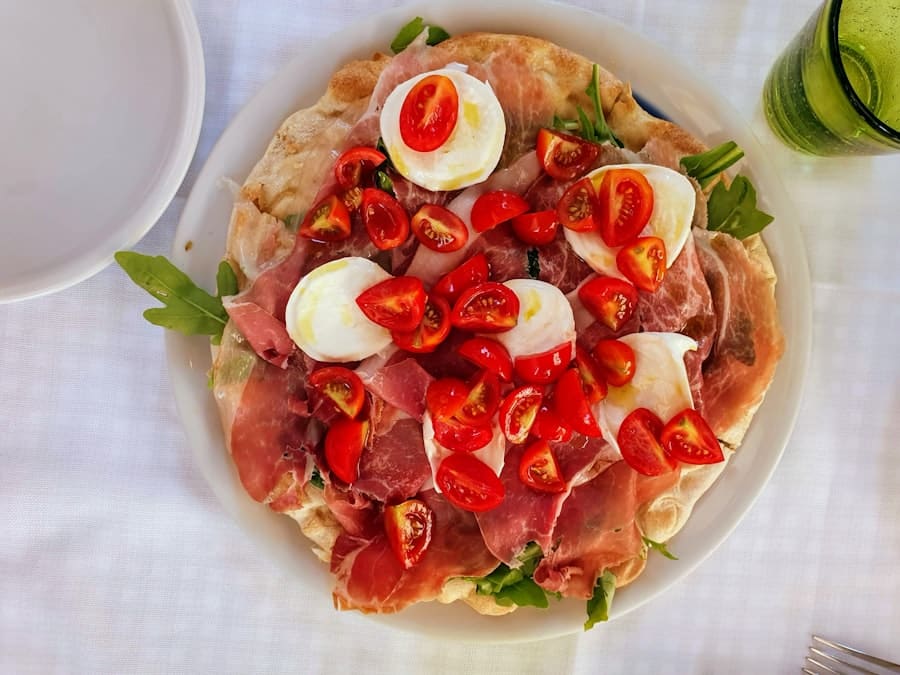
The ketogenic diet, often referred to as keto, is a low-carbohydrate, high-fat eating plan designed to shift your body into a state of ketosis. In this metabolic state, your body becomes more efficient at burning fat for energy instead of relying on carbohydrates. As you reduce your carbohydrate intake, your body begins to produce ketones from fat in the liver, which serve as an alternative energy source.
To successfully follow a keto diet, you typically aim for a macronutrient ratio of approximately 70-75% fats, 20-25% protein, and only 5-10% carbohydrates. This means that you will need to be mindful of your food choices, focusing on high-quality fats and proteins while minimizing your intake of sugars and starchy foods. While this may seem restrictive at first, many find that the variety of foods available within the keto framework can lead to satisfying and flavorful meals.
Combining Mediterranean and Keto Principles
By combining the principles of the Mediterranean diet with those of the keto diet, you can create a unique eating plan that offers both health benefits and culinary enjoyment. This fusion allows you to enjoy healthy fats from sources like olive oil and avocados while incorporating lean proteins from fish and poultry. You will also have access to a wide range of vegetables that are low in carbohydrates but high in nutrients.
The key to successfully merging these two diets lies in understanding which foods fit into both categories. For instance, you can indulge in fatty fish like salmon or sardines, which are staples in Mediterranean cuisine and also align perfectly with keto principles. Additionally, you can enjoy a variety of non-starchy vegetables that provide essential vitamins and minerals without significantly impacting your carbohydrate intake.
This combination not only enhances your meals but also supports your overall health.
The Mediterranean Keto Food Pyramid: A Visual Guide
The Mediterranean Keto Food Pyramid serves as a practical tool for visualizing how to structure your meals effectively. At the base of the pyramid are healthy fats and oils, which should form the foundation of your diet. As you move up the pyramid, you’ll find lean proteins and seafood, followed by an abundance of vegetables and fruits.
Whole grains and legumes occupy a smaller section at the top, emphasizing moderation in their consumption. This visual guide helps you prioritize your food choices while ensuring that you maintain a balanced intake of nutrients. By following the pyramid’s structure, you can create meals that are not only satisfying but also aligned with your health goals.
The Mediterranean Keto Food Pyramid encourages you to think creatively about your meals, allowing for endless combinations that keep your dining experience exciting.
The Foundation: Healthy Fats and Oils

At the base of the Mediterranean Keto Food Pyramid lies healthy fats and oils, which are essential for both diets. You will want to focus on sources such as extra virgin olive oil, avocados, nuts, and seeds. These fats not only provide energy but also support heart health and promote satiety.
Incorporating these healthy fats into your meals can enhance flavor while keeping you feeling full longer. Olive oil is particularly significant in Mediterranean cuisine; it is often used as a dressing for salads or drizzled over cooked vegetables. You might find that using olive oil as your primary cooking fat not only aligns with keto principles but also adds depth to your dishes.
Additionally, avocados are a versatile ingredient that can be enjoyed in salads, smoothies, or even as a spread on low-carb bread alternatives. By prioritizing healthy fats in your diet, you will create a solid foundation for your Mediterranean Keto journey.
Building Blocks: Lean Proteins and Seafood
As you move up the pyramid, lean proteins and seafood become crucial components of your meals. Fish is a cornerstone of both the Mediterranean diet and keto lifestyle due to its high omega-3 fatty acid content and low carbohydrate count. You will want to include fatty fish like salmon, mackerel, and sardines regularly in your diet for their numerous health benefits.
In addition to fish, lean poultry such as chicken or turkey can provide essential protein without excessive saturated fat. You may also consider incorporating eggs into your meals; they are not only versatile but also packed with nutrients. By focusing on these protein sources, you will ensure that your body receives adequate nourishment while adhering to both dietary principles.
Abundant Veggies and Fruits
Vegetables play a vital role in both the Mediterranean diet and keto lifestyle. As you explore the Mediterranean Keto Food Pyramid, you’ll notice that non-starchy vegetables occupy a significant portion of your plate. Leafy greens like spinach, kale, and arugula are excellent choices that provide essential vitamins while being low in carbohydrates.
You should also consider incorporating colorful vegetables such as bell peppers, zucchini, and eggplant into your meals. These vegetables not only add flavor but also contribute valuable nutrients to your diet. While fruits are generally higher in carbohydrates than vegetables, you can still enjoy them in moderation.
Berries like strawberries, blueberries, and raspberries are lower in sugar compared to other fruits and can be included as part of your healthy eating plan.
Moderation: Whole Grains and Legumes
While whole grains and legumes are staples in traditional Mediterranean cuisine, they should be consumed in moderation within the context of a ketogenic lifestyle. These foods can provide valuable nutrients; however, they are also higher in carbohydrates than other options on the pyramid. You may want to limit your intake of grains like quinoa or brown rice while still enjoying them occasionally.
When it comes to legumes such as lentils or chickpeas, consider using them sparingly as side dishes or in salads rather than making them the main component of your meal. This approach allows you to benefit from their nutritional value without exceeding your carbohydrate limits. By practicing moderation with these foods, you can maintain a balanced diet that aligns with both Mediterranean and keto principles.
Flavorful Herbs and Spices
One of the joys of cooking within the Mediterranean Keto framework is the opportunity to experiment with flavorful herbs and spices. Fresh herbs like basil, oregano, rosemary, and thyme are commonly used in Mediterranean dishes and can elevate the taste of your meals without adding extra calories or carbohydrates. You will find that incorporating these herbs not only enhances flavor but also provides additional health benefits due to their antioxidant properties.
Spices such as cumin, paprika, and turmeric can also add depth to your dishes while offering various health advantages. By using herbs and spices generously in your cooking, you can create vibrant meals that satisfy your taste buds while adhering to your dietary goals. This emphasis on flavor will make it easier for you to stick to your Mediterranean Keto lifestyle without feeling deprived.
The Mediterranean Keto Lifestyle: Beyond Food
Embracing the Mediterranean Keto lifestyle goes beyond just food; it encompasses a holistic approach to well-being that includes physical activity, social connections, and mindfulness practices. You may find that engaging in regular exercise not only supports weight management but also enhances overall health. Activities such as walking along scenic coastal paths or participating in group fitness classes can be enjoyable ways to stay active.
Additionally, sharing meals with family and friends is an integral part of Mediterranean culture that fosters connection and joy around food. You should prioritize creating opportunities for social interactions during mealtimes; this can enhance your dining experience while reinforcing positive relationships with food. Lastly, consider incorporating mindfulness practices such as meditation or yoga into your routine; these practices can help reduce stress and promote mental clarity as you navigate your journey toward better health.
In conclusion, by understanding the principles behind both the Mediterranean diet and keto lifestyle—and utilizing the Mediterranean Keto Food Pyramid—you can create a balanced approach to eating that nourishes both body and soul. With an emphasis on healthy fats, lean proteins, abundant vegetables, moderation with grains and legumes, flavorful herbs and spices, and an overall lifestyle focus on well-being, you will be well-equipped to thrive on this delicious journey toward optimal health.
FAQs
What is the Mediterranean Keto Food Pyramid?
The Mediterranean Keto Food Pyramid is a dietary guide that combines the principles of the Mediterranean diet with the low-carb, high-fat approach of the ketogenic diet.
What are the main components of the Mediterranean Keto Food Pyramid?
The main components of the Mediterranean Keto Food Pyramid include healthy fats such as olive oil and avocados, lean proteins such as fish and poultry, non-starchy vegetables, nuts and seeds, and limited amounts of dairy and fruits.
How does the Mediterranean Keto Food Pyramid differ from traditional Mediterranean diet?
The Mediterranean Keto Food Pyramid differs from the traditional Mediterranean diet by emphasizing lower carbohydrate intake and higher fat consumption, which aligns with the principles of the ketogenic diet.
What are the potential health benefits of following the Mediterranean Keto Food Pyramid?
Potential health benefits of following the Mediterranean Keto Food Pyramid may include improved weight management, better blood sugar control, reduced inflammation, and lower risk of heart disease.
Is the Mediterranean Keto Food Pyramid suitable for everyone?
The Mediterranean Keto Food Pyramid may not be suitable for everyone, especially those with certain medical conditions or dietary restrictions. It is important to consult with a healthcare professional before making significant changes to your diet.





