A ketogenic diet, often referred to as a keto diet, is a high-fat, low-carbohydrate eating plan designed to shift your body’s metabolism from burning glucose to burning fat for energy. By drastically reducing your carbohydrate intake and replacing it with fat, your body enters a state known as ketosis. In this metabolic state, your liver converts fat into ketones, which serve as an alternative energy source.
This shift can lead to various health benefits, including weight loss, improved mental clarity, and enhanced energy levels. As you embark on a ketogenic diet, you may find that your meals consist primarily of healthy fats, moderate protein, and minimal carbohydrates. Foods such as avocados, nuts, seeds, and fatty fish become staples in your diet, while bread, pasta, and sugary snacks are typically eliminated.
The goal is to encourage your body to utilize fat stores for energy rather than relying on carbohydrates. This dietary approach has gained popularity not only for weight management but also for its potential therapeutic effects on conditions like epilepsy and type 2 diabetes.
Key Takeaways
- A ketogenic diet is a high-fat, low-carbohydrate diet that has been shown to help with weight loss and improve overall health.
- Raspberries are a good source of fiber, vitamins, and antioxidants, making them a nutritious addition to any diet.
- Raspberries are relatively low in carbohydrates, with about 5 grams of net carbs per 1-cup serving.
- Raspberries can be eaten in moderation on a ketogenic diet, as long as they fit within your daily carb limit.
- Eating raspberries on a ketogenic diet can provide additional fiber and nutrients, while adding variety to your meals.
Nutritional Value of Raspberries
Raspberries are a delightful fruit that packs a nutritional punch. They are rich in vitamins, minerals, and antioxidants, making them a valuable addition to any diet. When you consume raspberries, you benefit from their high vitamin C content, which supports your immune system and promotes healthy skin.
Additionally, they contain essential nutrients such as vitamin K, manganese, and dietary fiber. These components contribute to overall health and well-being, making raspberries a smart choice for those looking to enhance their nutrition. Beyond their vitamin content, raspberries are also known for their antioxidant properties.
They contain powerful compounds like quercetin and ellagic acid that help combat oxidative stress in your body. This means that incorporating raspberries into your meals can aid in reducing inflammation and protecting your cells from damage caused by free radicals. With their vibrant color and sweet-tart flavor, raspberries not only add a burst of taste to your dishes but also provide a wealth of health benefits.
Carbohydrate Content of Raspberries

When considering the carbohydrate content of raspberries, it’s essential to understand how they fit into your overall dietary goals, especially if you are following a ketogenic diet. Raspberries are relatively low in carbohydrates compared to many other fruits. A typical serving of raspberries—about one cup—contains approximately 15 grams of carbohydrates.
However, it’s important to note that not all carbohydrates are created equal; raspberries are also high in fiber, which can help mitigate the impact of these carbs on your blood sugar levels. The fiber content in raspberries is particularly noteworthy. With around 8 grams of fiber per cup, they provide a significant amount of dietary fiber that can aid digestion and promote feelings of fullness.
This means that while raspberries do contain carbohydrates, the net carbs (total carbs minus fiber) are much lower—around 7 grams per cup. This makes them a more suitable option for those on a ketogenic diet compared to higher-carb fruits like bananas or grapes.
Can I Eat Raspberries on a Ketogenic Diet?
If you’re following a ketogenic diet and wondering whether you can include raspberries in your meal plan, the answer is generally yes! Due to their relatively low carbohydrate content and high fiber levels, raspberries can be enjoyed in moderation while still maintaining ketosis. It’s crucial to keep track of your daily carbohydrate intake to ensure you stay within your target range, but raspberries can certainly fit into a well-balanced keto diet.
Incorporating raspberries into your meals doesn’t have to be complicated. You can enjoy them fresh as a snack or add them to various dishes for an extra burst of flavor. Whether you toss them into a salad, blend them into a smoothie, or use them as a topping for keto-friendly desserts, raspberries can enhance both the taste and nutritional value of your meals without derailing your dietary goals.
Benefits of Eating Raspberries on a Ketogenic Diet
Including raspberries in your ketogenic diet offers several benefits that go beyond just satisfying your sweet tooth. One significant advantage is their high antioxidant content, which can help protect your body from oxidative stress and inflammation. This is particularly important on a ketogenic diet, where the body undergoes various metabolic changes that can sometimes lead to increased oxidative stress.
Additionally, the fiber found in raspberries can support digestive health by promoting regular bowel movements and preventing constipation—a common concern for those on low-carb diets. The fiber also helps you feel fuller for longer periods, which can be beneficial for weight management. By incorporating raspberries into your meals or snacks, you can enjoy their delicious flavor while reaping the rewards of their nutritional benefits.
How to Incorporate Raspberries into a Ketogenic Diet
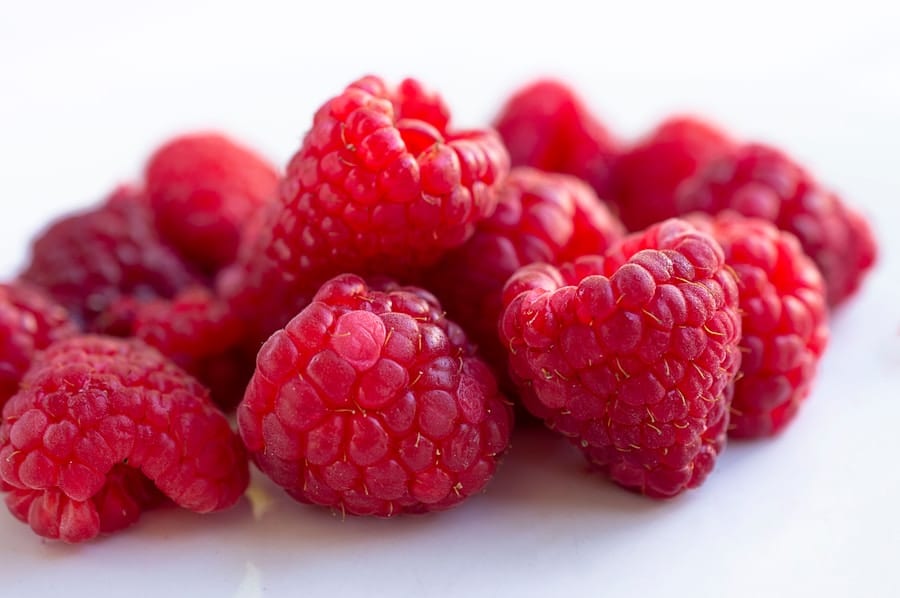
Boosting Your Morning Routine
One popular way to enjoy them is by adding fresh raspberries to your morning smoothie or yogurt bowl. You can blend them with spinach or kale for an extra nutrient boost while keeping the carb count low.
Getting Creative with Keto Treats
Alternatively, consider using raspberries as a topping for keto-friendly pancakes or waffles made from almond flour or coconut flour. Another creative way to enjoy raspberries is by making homemade desserts that align with your dietary goals. For instance, you could prepare raspberry chia seed pudding by mixing chia seeds with unsweetened almond milk and fresh raspberries.
Adding Flavor Without the Carbs
This not only satisfies your sweet cravings but also provides healthy fats and fiber. You might also experiment with raspberry-infused sauces or dressings to drizzle over salads or grilled meats for added flavor without the carbs.
Potential Drawbacks of Eating Raspberries on a Ketogenic Diet
While raspberries offer numerous benefits, there are some potential drawbacks to consider when including them in your ketogenic diet. One primary concern is portion control; although they are lower in carbohydrates than many other fruits, consuming large quantities can still lead to exceeding your daily carb limit. It’s essential to be mindful of serving sizes and track your intake to ensure you remain within the desired range for ketosis.
Another consideration is individual tolerance to carbohydrates. Some people may find that even small amounts of fruit can affect their ability to maintain ketosis. If you notice any adverse effects on your blood sugar levels or weight loss progress after consuming raspberries, it may be worth reevaluating how often you include them in your diet.
Listening to your body and adjusting accordingly is key to successfully navigating a ketogenic lifestyle.
Raspberries and the Ketogenic Diet
In conclusion, raspberries can be a delightful and nutritious addition to your ketogenic diet when consumed mindfully. Their low carbohydrate content combined with high fiber levels makes them an excellent choice for satisfying cravings while still adhering to dietary restrictions. The numerous health benefits associated with raspberries—such as their antioxidant properties and digestive support—further enhance their appeal as part of a balanced keto meal plan.
As you explore ways to incorporate raspberries into your meals, remember that moderation is key. By being mindful of portion sizes and tracking your carbohydrate intake, you can enjoy the sweet-tart flavor of raspberries without compromising your ketogenic goals. Ultimately, embracing the versatility of this fruit can lead to delicious culinary creations that support both your health and taste preferences on your journey through the ketogenic lifestyle.
FAQs
What is a ketogenic diet?
A ketogenic diet is a high-fat, low-carbohydrate diet that has been shown to help with weight loss and improve certain health conditions. It involves reducing carbohydrate intake and replacing it with fat, which puts the body into a metabolic state called ketosis.
Can I have raspberries on a ketogenic diet?
Raspberries can be included in a ketogenic diet in moderation. They are relatively low in carbohydrates and high in fiber, making them a good choice for those following a ketogenic diet.
How many raspberries can I have on a ketogenic diet?
It is important to monitor portion sizes when including raspberries in a ketogenic diet. A typical serving size of raspberries is around 1/2 cup, which contains approximately 3.5 grams of net carbohydrates.
Are there other fruits that are better suited for a ketogenic diet?
While raspberries can be included in a ketogenic diet, there are other fruits that are even lower in carbohydrates and may be more suitable for strict ketogenic dieters. These include avocados, olives, and certain berries such as blackberries and strawberries.
What are the benefits of including raspberries in a ketogenic diet?
Raspberries are a good source of fiber, vitamins, and antioxidants, which can provide various health benefits. Including raspberries in a ketogenic diet can help add variety and flavor while still maintaining a low carbohydrate intake.