
When you embark on the ketogenic diet, your body undergoes significant metabolic changes. One of the most crucial aspects of this transition is maintaining proper hydration. As you reduce your carbohydrate intake, your body begins to burn fat for fuel, a process that can lead to increased water loss.
This is primarily due to the depletion of glycogen stores, which hold water in your body. Consequently, you may find yourself losing more water than usual, making it essential to prioritize hydration. Staying adequately hydrated while on a keto diet not only supports your overall health but also enhances your energy levels and cognitive function.
Dehydration can lead to fatigue, headaches, and even mood swings, which can be particularly challenging when you’re trying to adapt to a new way of eating. By ensuring you drink enough water, you can help mitigate these symptoms and maintain optimal performance throughout your day. Moreover, proper hydration aids in digestion and helps prevent constipation, a common issue for those on a low-carb diet.
Key Takeaways
- Proper hydration is crucial for success on the keto diet
- Overhydrating on keto can lead to potential risks such as electrolyte imbalance
- Understanding electrolyte balance is essential for maintaining hydration on keto
- Signs of overhydration on keto include frequent urination and low electrolyte levels
- It’s important to balance water intake with electrolytes to avoid overhydration on keto
- Consulting a healthcare professional can help determine the right amount of water intake on keto
Potential Risks of Overhydrating on Keto
While staying hydrated is vital, it’s equally important to recognize that overhydration can pose its own set of risks, especially on a ketogenic diet. Drinking excessive amounts of water can lead to a condition known as hyponatremia, where sodium levels in the blood become dangerously low. This imbalance can result in symptoms ranging from nausea and headaches to more severe complications like seizures or coma in extreme cases.
Therefore, it’s crucial to strike a balance between adequate hydration and overconsumption. Additionally, overhydration can dilute essential electrolytes in your body, which are already at risk of depletion on a keto diet due to reduced carbohydrate intake. When you consume too much water without replenishing electrolytes like sodium, potassium, and magnesium, you may inadvertently exacerbate the very issues you’re trying to avoid.
This highlights the importance of not only monitoring your water intake but also being mindful of how it interacts with your overall electrolyte balance.
Understanding Electrolyte Balance
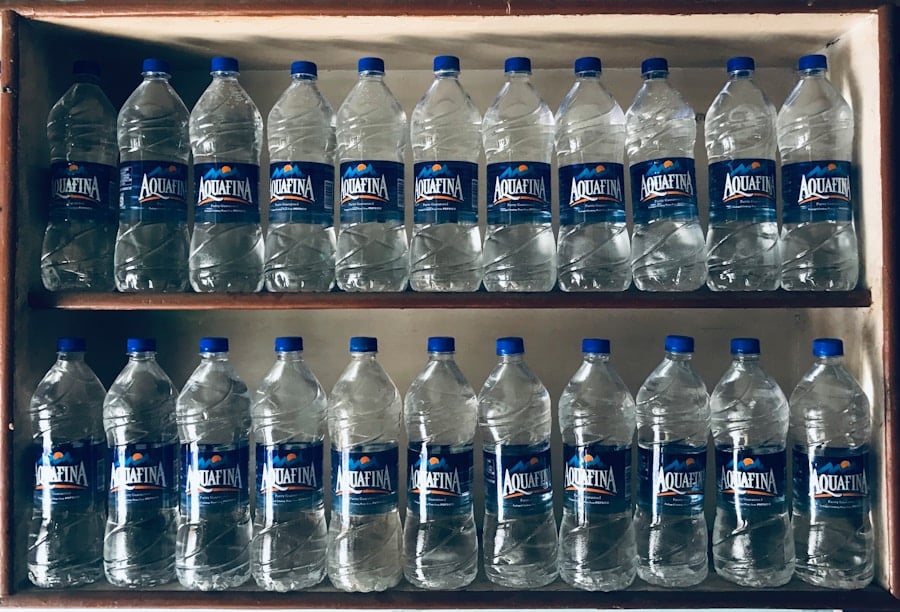
Electrolytes play a pivotal role in maintaining various bodily functions, including muscle contractions, nerve signaling, and fluid balance. On a ketogenic diet, the reduction in carbohydrate intake can lead to a decrease in insulin levels, which in turn causes your kidneys to excrete more sodium. This loss can result in an electrolyte imbalance if not properly managed.
Understanding how electrolytes work and their significance in your hydration strategy is essential for anyone following a keto lifestyle. To maintain optimal health while on keto, it’s important to focus on replenishing electrolytes through dietary sources or supplements. Foods rich in potassium, such as avocados and leafy greens, can help restore balance.
Additionally, incorporating salt into your meals can counteract sodium loss and support hydration. By being proactive about your electrolyte intake, you can enhance your hydration efforts and ensure that your body functions efficiently during this dietary transition.
Signs of Overhydration on Keto
Recognizing the signs of overhydration is crucial for anyone on a ketogenic diet. One of the most common indicators is frequent urination; while increased urination can be expected when you first start keto due to glycogen depletion, excessive urination may signal that you are drinking too much water. Other symptoms include swelling or puffiness in the extremities, headaches, and nausea.
If you notice these signs, it may be time to reassess your water intake. In more severe cases, overhydration can lead to confusion or disorientation as electrolyte levels drop dangerously low. You might experience muscle cramps or spasms as well.
If you find yourself feeling unusually fatigued or lethargic despite adequate rest and nutrition, it could be a sign that your hydration strategy needs adjustment. Being aware of these symptoms allows you to take proactive steps to maintain a healthy balance between hydration and electrolyte levels.
How Much Water is Too Much on Keto?
Determining how much water is too much while following a ketogenic diet can be challenging since individual needs vary based on factors such as activity level, climate, and overall health. A general guideline suggests aiming for about half your body weight in ounces of water daily; however, this may need adjustment based on your specific circumstances. For instance, if you are physically active or live in a hot climate, you may require more fluids to stay adequately hydrated.
It’s also important to listen to your body’s signals. Thirst is a natural indicator that you need more fluids; however, if you find yourself constantly thirsty despite drinking large amounts of water, it may be worth evaluating your electrolyte intake as well.
Balancing Water Intake with Electrolytes

Achieving a harmonious balance between water intake and electrolytes is essential for anyone on the keto diet. As you increase your water consumption, it’s equally important to ensure that you are replenishing lost electrolytes through food or supplements. This dual approach helps prevent the negative effects of both dehydration and overhydration while supporting overall health.
To effectively balance your hydration strategy, consider incorporating electrolyte-rich foods into your meals. Foods like nuts, seeds, avocados, and leafy greens are excellent sources of potassium and magnesium. Additionally, adding a pinch of salt to your meals or drinking electrolyte-enhanced beverages can help maintain sodium levels.
By being mindful of both your water intake and electrolyte consumption, you can create a sustainable hydration plan that supports your keto journey.
Tips for Proper Hydration on the Keto Diet
To ensure proper hydration while following a ketogenic diet, consider implementing several practical tips into your daily routine. First and foremost, carry a reusable water bottle with you throughout the day as a reminder to drink regularly. Setting reminders on your phone or using hydration-tracking apps can also help keep you accountable for your fluid intake.
In addition to drinking plain water, explore other hydrating options such as herbal teas or infused waters with slices of lemon or cucumber for added flavor without extra carbs. Incorporating broth into your diet can also provide hydration along with essential electrolytes.
Consulting a Healthcare Professional
Before making significant changes to your hydration strategy or dietary habits on the ketogenic diet, it’s wise to consult with a healthcare professional or registered dietitian. They can provide personalized guidance based on your individual health needs and goals. A professional can help assess your current hydration status and recommend appropriate adjustments tailored specifically for you.
Moreover, if you experience persistent symptoms related to hydration—whether it’s fatigue, headaches, or digestive issues—seeking professional advice is crucial for addressing any underlying concerns. By working with an expert, you can ensure that your approach to hydration complements your ketogenic lifestyle while promoting overall well-being. In conclusion, maintaining proper hydration on the ketogenic diet is essential for optimizing health and performance.
By understanding the importance of hydration, recognizing the risks of overhydration, and balancing water intake with electrolytes, you can navigate this dietary journey more effectively. Remember to listen to your body’s signals and consult with healthcare professionals when needed to ensure that you are making informed choices for your health and wellness.
FAQs
What is the recommended water intake on a keto diet?
The recommended water intake on a keto diet is the same as for any other diet, which is about 8-10 cups (64-80 ounces) of water per day. However, individual needs may vary based on factors such as activity level, climate, and overall health.
Can you drink too much water on a keto diet?
Yes, it is possible to drink too much water on a keto diet, just as it is on any other diet. Drinking excessive amounts of water can lead to a condition called hyponatremia, which is a low concentration of sodium in the blood. This can be dangerous and even life-threatening.
What are the signs of drinking too much water on a keto diet?
Signs of drinking too much water, or hyponatremia, on a keto diet may include nausea, vomiting, headache, confusion, and in severe cases, seizures and coma. It is important to pay attention to your body’s signals and not force yourself to drink excessive amounts of water.
How can you avoid drinking too much water on a keto diet?
To avoid drinking too much water on a keto diet, it is important to listen to your body’s thirst signals and drink water when you are thirsty. It is also important to be mindful of your overall fluid intake, including water from food and other beverages. If you are unsure about your water intake, it is best to consult with a healthcare professional.





