Have you ever wondered how what you eat affects the tiny microorganisms living in your gut? Understanding the connection between your diet and your gut microbiome can transform how you approach your health, and today we’re looking particularly at the ketogenic diet and its impact on that fascinating world of gut bacteria.
What is the Ketogenic Diet?
The ketogenic diet, often shortened to “keto,” is a high-fat, low-carbohydrate eating plan that aims to shift your body’s metabolism from burning carbohydrates to burning fats. By dramatically reducing your carbohydrate intake and increasing your fat intake, you’re essentially putting your body into a metabolic state known as ketosis. In this state, your body becomes highly efficient at burning fat for energy.
Key Components of the Ketogenic Diet
-
High Fat: The majority of your calories come from fats, which can make up about 70-75% of your total daily intake. Healthy fats include avocados, nuts, seeds, olive oil, and coconut oil.
-
Low Carb: Carbohydrates are usually limited to around 5-10% of your daily caloric intake. This might mean reducing your consumption of bread, pasta, grains, and even certain fruits.
-
Moderate Protein: Protein intake is typically moderated, making up about 20-25% of your diet. You can consume meats, fish, eggs, and dairy products, being mindful of the protein quantities.
Benefits of the Ketogenic Diet
There are several reasons people turn to the ketogenic diet. For some, it’s a way to lose weight; for others, it can help manage certain medical conditions like epilepsy. Research has also suggested potential benefits for conditions like diabetes, neurological diseases, and even certain types of cancer.
Understanding the Gut Microbiome
Before jumping into the ketogenic diet’s effects, let’s chat about your gut microbiome. Your gut microbiome is an ecosystem of trillions of microorganisms that reside in your intestines, including bacteria, viruses, fungi, and other microbes. These little guys play a crucial role in various bodily functions.
Key Functions of the Gut Microbiome
- Digestion: These microorganisms help break down complex carbohydrates and fibers, aiding in digestion.
- Metabolism: They help extract energy from food, producing short-chain fatty acids and vitamins.
- Immune Function: A balanced microbiome supports your immune system and helps ward off diseases.
- Mental Health: Recent research has even indicated a connection between gut health and mental well-being.
Factors Influencing Your Gut Microbiome
Several factors play a part in shaping your gut microbiome:
- Diet: What you eat is one of the most significant factors influencing your gut bacteria.
- Antibiotics: While they can treat infections, antibiotics can disrupt the balance of your gut microbiome.
- Age: Your gut bacteria profiles change as you age, influenced by diet, lifestyle, and health conditions.
- Lifestyle: Stress, sleep quality, and exercise can all impact the diversity and health of your gut microbiome.

The Connection Between the Ketogenic Diet and the Gut Microbiome
Now that you have a foundation on both the ketogenic diet and gut microbiome, let’s explore how the two areas intersect. The ketogenic diet can significantly alter the microbial composition in your gut due to its unique macronutrient ratios.
Changes in Microbial Diversity
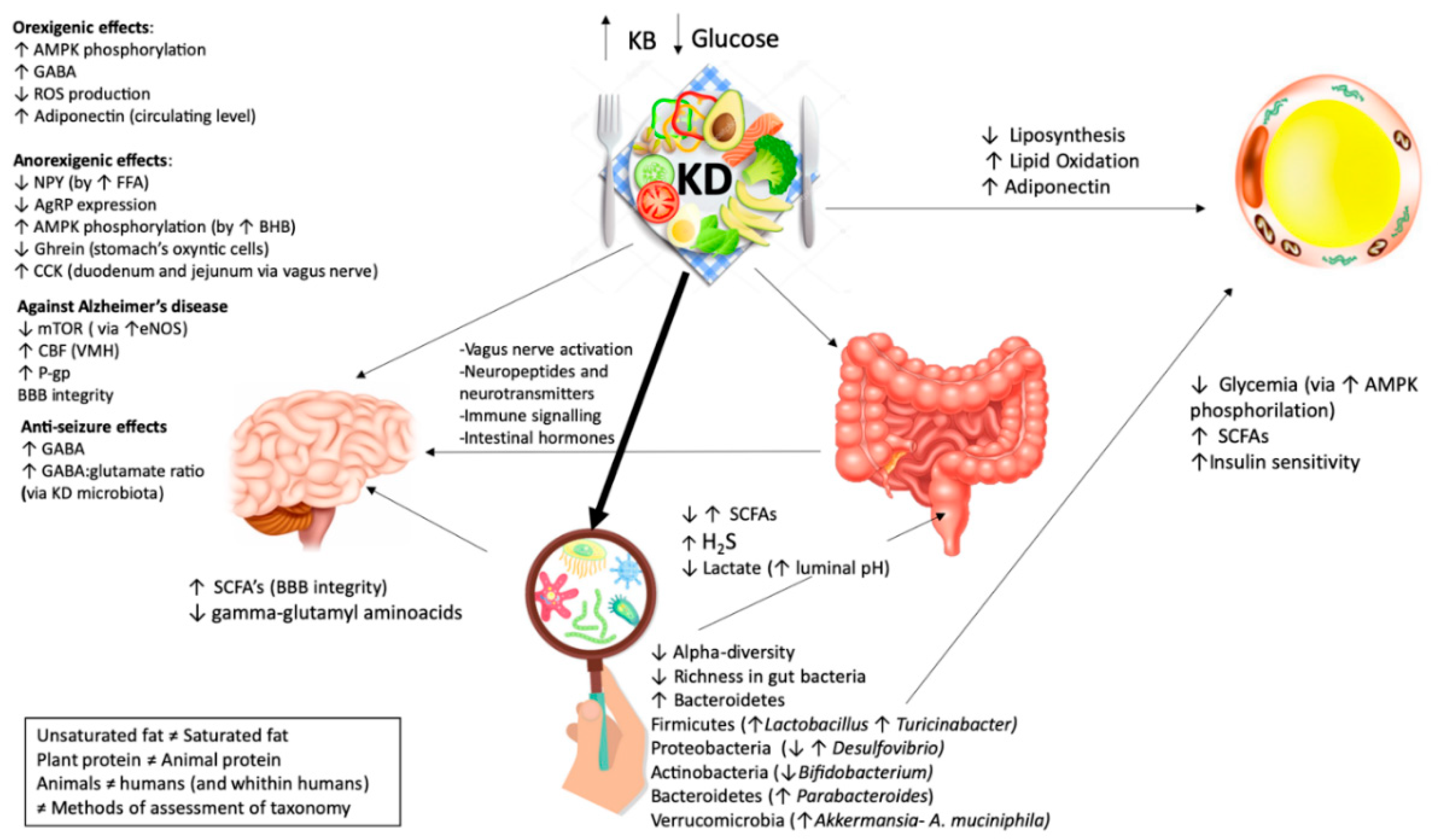
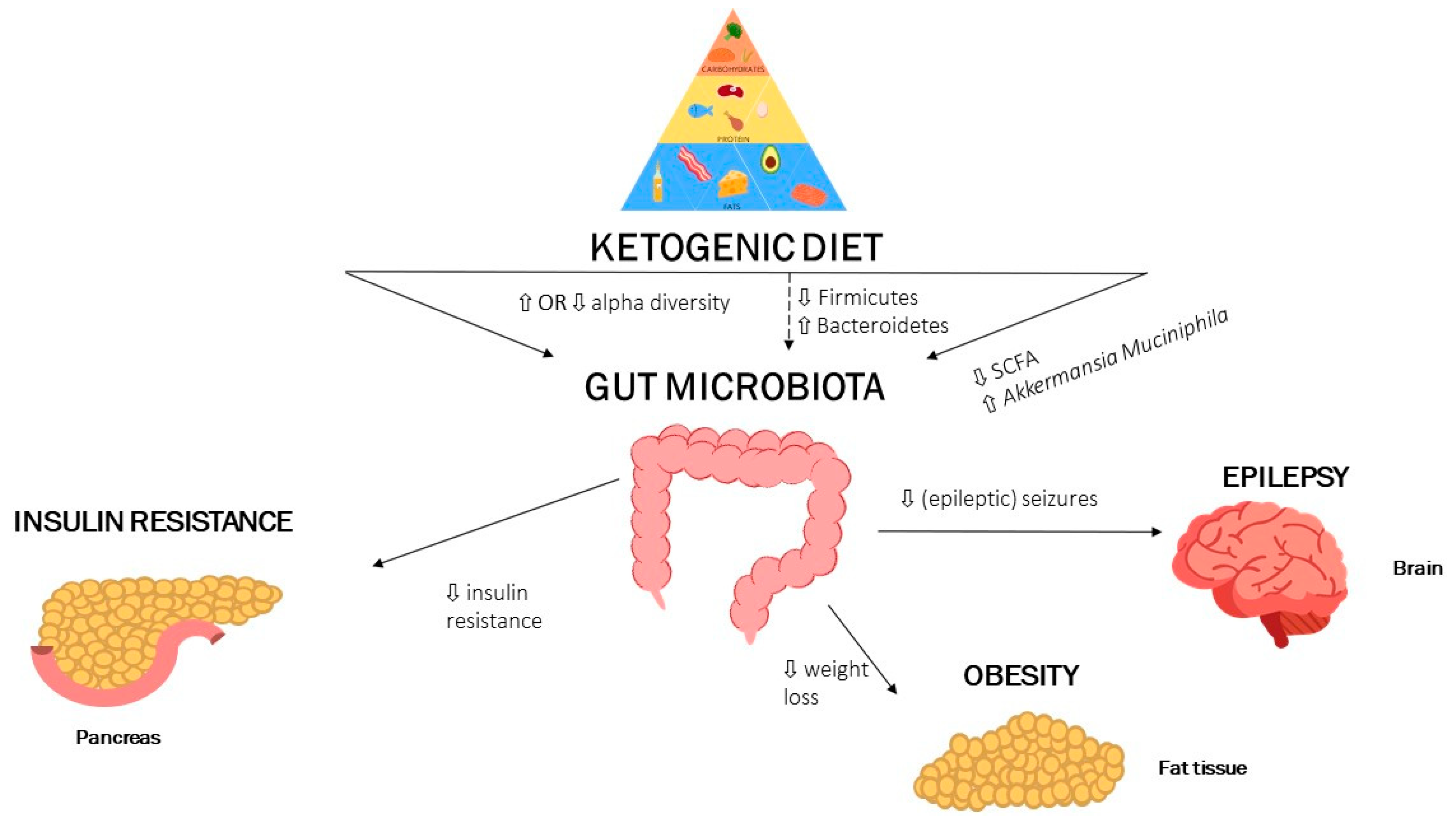
One of the significant impacts of the ketogenic diet is on microbial diversity. Diets rich in fiber and carbohydrates typically feed a wide variety of bacteria that thrive on those nutrients. However, a ketogenic diet, being low in carbohydrates, can lead to a decrease in overall microbial diversity.
What Does Decreased Diversity Mean?
Reduced microbial diversity may not necessarily mean bad news. However, a diverse gut microbiome is often seen as a marker of good health. Lower diversity can be linked to conditions such as obesity or metabolic diseases.
Shift in Dominant Bacterial Species
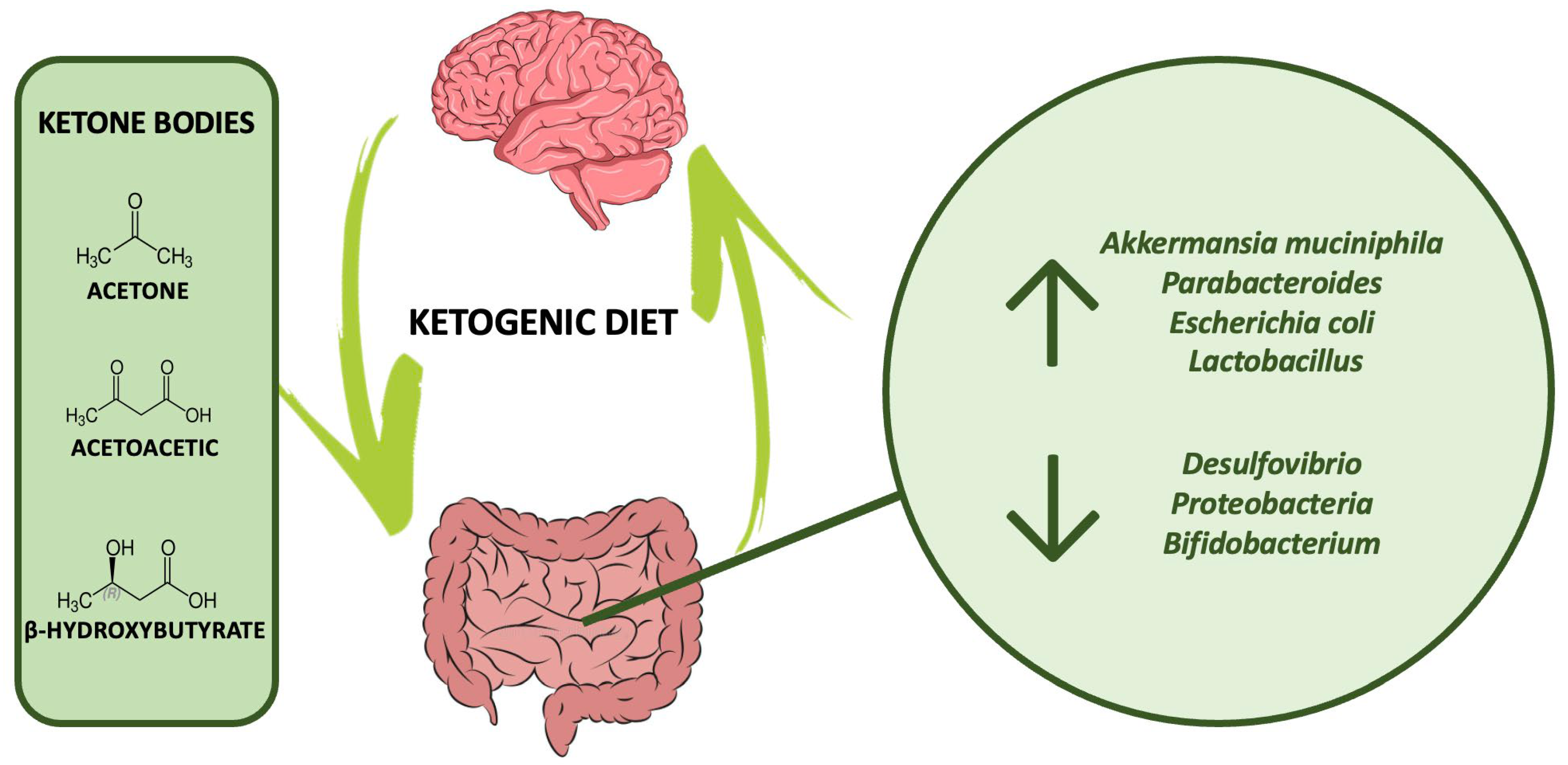
The ketogenic diet shifts the population of bacteria in the gut. Certain bacteria thrive on fiber, while others prefer fat. For example, studies indicate that the ketogenic diet may increase beneficial bacteria like Bacteroidetes while reducing those that thrive on carbohydrates, such as Firmicutes.
Table: Changes in Bacterial Populations on the Ketogenic Diet
| Bacterial Group | Typical Role | Change on Keto Diet |
|---|---|---|
| Bacteroidetes | Associated with lean body mass and health | Increased |
| Firmicutes | Associated with obesity and inflammation | Decreased |
| Prevotella | Benefits gut health, tied to high-fiber diets | May decrease |
| Akkermansia | Linked to metabolic health | Potentially increased |
Effects on Short-Chain Fatty Acids
Short-chain fatty acids (SCFAs) are produced when fiber is fermented in the gut and serve numerous beneficial roles, including providing energy for gut cells, reducing inflammation, and strengthening the gut barrier. The ketogenic diet, due to its low fiber content, may lead to decreased production of SCFAs.
Why Are SCFAs Important?
- Gut Barrier Health: SCFAs help maintain the gut lining, preventing leaky gut syndrome.
- Anti-inflammatory Effects: They can reduce inflammation and may help in managing other conditions such as IBD.
- Metabolic Health: SCFAs can improve insulin sensitivity and regulate appetite.
Antimicrobial Properties
Interestingly, certain components of the ketogenic diet may exhibit antimicrobial properties, potentially affecting pathogenic bacteria in your gut. Some fats, particularly medium-chain triglycerides (MCTs), have been shown to have antimicrobial effects, possibly improving overall gut health when included in the diet.
Addressing Potential Negative Effects
As with any dietary regimen, there are potential drawbacks to consider when it comes to gut health and the ketogenic diet.
Risk of Dysbiosis
Dysbiosis is a term used to describe an imbalance in the gut microbiome, which can lead to various health issues. The ketogenic diet, if not carefully managed, might contribute to dysbiosis due to reduced fiber intake and increased consumption of certain fats.
Symptoms of Dysbiosis
- Bloating or gas
- Diarrhea or constipation
- Unexplained fatigue
- Unintended weight gain or loss
How to Mitigate Negative Effects
To help balance your gut microbiome while on a ketogenic diet, consider the following tips:
-
Incorporate Low-Carb Fibers: Include fiber-rich, low-carb vegetables such as spinach, broccoli, and cauliflower.
-
Fermented Foods: Foods such as sauerkraut, kimchi, and yogurt can introduce beneficial bacteria into your gut.
-
Avoid Processed Foods: Stick to whole, unprocessed foods and choose healthy fats, such as olive oil and avocados.
-
Consider a Prebiotic or Probiotic Supplement: Some studies show that these can help support gut health while on a restrictive diet.
Long-Term Considerations
Shifting to a ketogenic dietary pattern can have various effects on individual health, and these may vary from person to person. It’s essential to think about how this diet aligns with your lifestyle and dietary preferences over the long term.
Sustainability of the Ketogenic Diet
While many enjoy the short-term benefits of the ketogenic diet, consider if it’s sustainable for you personally. Some people may find restricting certain food groups challenging, leading to yo-yo dieting patterns that can be detrimental to the gut microbiome.
Questions to Consider
- Can you maintain this diet long-term?
- Are you getting enough variety in your meals?
- Are you monitoring how your body feels on this diet?
Monitoring Gut Health
If you decide to try the ketogenic diet, pay attention to how your gut responds. Keeping a food journal can help you track not only your dietary intake but also any gastrointestinal symptoms you experience.
Signs of a Healthy Gut
- Regular bowel movements
- Minimal bloating or discomfort
- Healthy energy levels
- Good digestion
Conclusion: Your Gut, Your Choice
To wrap things up, the ketogenic diet does have a significant impact on your gut microbiome, influencing microbial diversity, dominant bacterial species, and the production of short-chain fatty acids. While it may offer various benefits, especially for weight loss and managing certain health conditions, you should approach any diet with an understanding of how it affects your unique biology.
The relationship between your diet and gut health is intricate and can be different for everyone. If you decide to embark on a ketogenic diet, consider nourishing your gut microbiome by including a range of nutrient-dense foods. Your gut health is essential for overall well-being, and understanding how your diet plays a role can help you make informed choices.
Remember that your journey with food and health is personal. Listen to your body and find a path that works best for you!