The ketogenic diet, commonly referred to as the keto diet, is a high-fat, low-carbohydrate eating plan designed to shift your body’s metabolism from burning glucose to burning fat for energy. By drastically reducing carbohydrate intake and replacing it with fat, your body enters a metabolic state known as ketosis. In this state, your liver converts fat into ketones, which serve as an alternative energy source for your brain and body.
As you embark on a keto diet, you will typically consume around 70-75% of your daily calories from fats, 20-25% from protein, and only about 5-10% from carbohydrates. This significant reduction in carbs forces your body to adapt to a new way of fueling itself.
While the diet may seem restrictive at first, many find it liberating as they learn to enjoy a variety of high-fat foods such as avocados, nuts, seeds, and fatty cuts of meat. However, navigating the world of keto can be challenging, especially when it comes to understanding which foods fit into this low-carb lifestyle.
Key Takeaways
- A keto diet is a low-carb, high-fat diet that aims to put the body into a state of ketosis, where it burns fat for fuel instead of carbohydrates.
- Bananas are a good source of vitamins and minerals, including potassium, vitamin C, and vitamin B6, but they are also high in carbohydrates and sugar.
- A medium-sized banana contains about 27 grams of carbohydrates, making it difficult to fit into a keto diet, which typically limits daily carb intake to 20-50 grams.
- Consuming bananas can disrupt ketosis due to their high carbohydrate content, but there are plenty of low-carb alternatives such as berries, avocados, and coconut.
- Bananas offer health benefits such as improved digestion, heart health, and exercise performance, but these benefits can be obtained from other low-carb foods on a keto diet.
Nutritional Profile of Bananas
Bananas are often celebrated for their nutritional benefits and are a staple in many diets around the world. They are rich in essential vitamins and minerals, particularly potassium, vitamin C, vitamin B6, and dietary fiber. A medium-sized banana typically contains about 105 calories and provides a quick source of energy due to its natural sugars.
The fiber content in bananas aids digestion and helps maintain a healthy gut, making them a popular choice for those seeking to improve their overall health. However, while bananas are nutritious, they also come with a significant carbohydrate load. This is an important consideration for anyone following a keto diet.
The balance of nutrients in bananas makes them an excellent choice for many diets focused on whole foods and balanced nutrition, but their high carbohydrate content can pose challenges for those aiming to maintain ketosis. Understanding the nutritional profile of bananas is crucial for making informed dietary choices, especially if you are trying to adhere to a strict low-carb regimen.
Carbohydrate Content of Bananas

When it comes to carbohydrates, bananas are relatively high compared to other fruits. A medium banana contains approximately 27 grams of carbohydrates, with about 14 grams coming from sugar and 3 grams from dietary fiber. This means that the net carbs—total carbohydrates minus fiber—are around 24 grams per banana.
For someone on a keto diet, where daily carbohydrate intake is often limited to 20-50 grams, consuming even one banana can take up a significant portion of your carb allowance for the day. This high carbohydrate content is primarily due to the natural sugars found in bananas, which provide a quick source of energy. While these sugars are natural and come with beneficial nutrients, they can hinder your ability to maintain ketosis if consumed in excess.
Therefore, it’s essential to be mindful of how many carbohydrates you consume from fruits like bananas when following a ketogenic lifestyle. Understanding the carbohydrate content of foods is key to successfully navigating the keto diet and ensuring that you remain within your desired carb limits.
Impact of Bananas on Ketosis
The impact of bananas on ketosis is significant due to their carbohydrate content. When you consume foods high in carbohydrates, your body will prioritize burning glucose for energy instead of fat. This can disrupt the state of ketosis that you are striving to achieve on a keto diet.
If you were to indulge in a banana, the influx of carbohydrates could potentially kick you out of ketosis, making it more challenging to return to that fat-burning state. For those who are serious about maintaining ketosis, it’s crucial to consider how even small amounts of higher-carb foods can affect your overall progress. While bananas may be tempting due to their taste and nutritional benefits, they can pose a risk for those who are strictly adhering to a low-carb lifestyle.
It’s important to monitor your body’s response and adjust your food choices accordingly if you want to stay in ketosis and reap the benefits of the ketogenic diet.
Alternatives to Bananas on a Keto Diet
If you’re looking for alternatives to bananas that fit within the parameters of a keto diet, there are several low-carb fruits and snacks that can satisfy your cravings without derailing your progress. Berries such as strawberries, raspberries, and blackberries are excellent options as they are lower in carbohydrates compared to bananas and packed with antioxidants. These fruits can be enjoyed in moderation and can add flavor and variety to your meals without significantly impacting your carb intake.
Another great alternative is avocados, which are not only low in carbs but also high in healthy fats. They can be used in smoothies or salads or simply enjoyed on their own with a sprinkle of salt. Nuts and seeds are also fantastic choices; they provide healthy fats and protein while being low in carbohydrates.
Health Benefits of Bananas
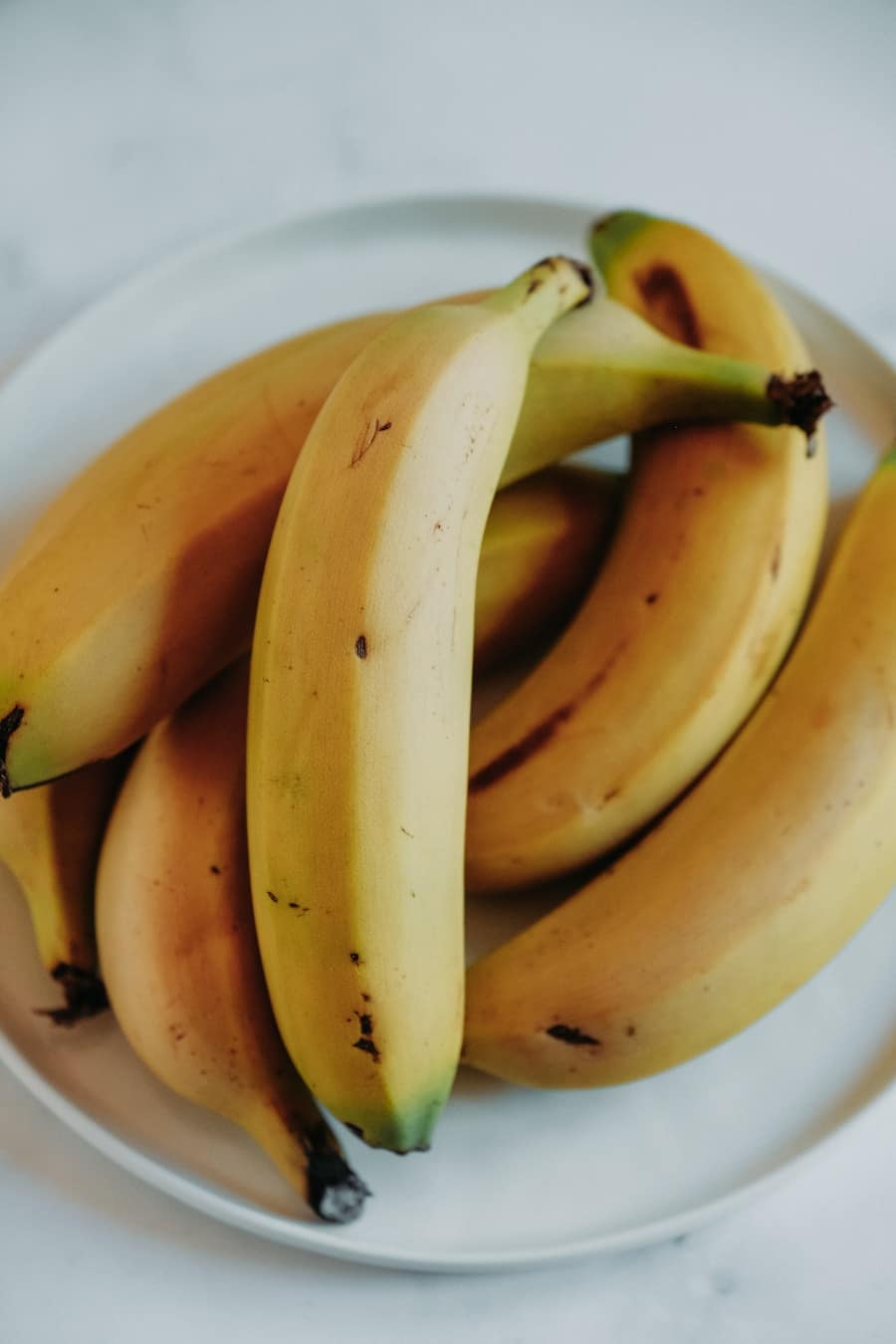
Despite their higher carbohydrate content, bananas offer numerous health benefits that make them a valuable addition to many diets outside of keto. They are particularly known for their potassium content, which is essential for maintaining proper muscle function and regulating blood pressure. Additionally, the vitamin C found in bananas supports immune function and skin health, while vitamin B6 plays a crucial role in brain health and metabolism.
Moreover, the dietary fiber in bananas aids digestion and promotes feelings of fullness, which can be beneficial for weight management. The natural sugars in bananas provide a quick energy boost, making them an ideal snack for athletes or those engaging in physical activity. While they may not fit into a strict keto diet, the health benefits of bananas cannot be overlooked when considering overall nutrition and well-being.
Incorporating Bananas into a Keto Diet
If you’re determined to include bananas in your keto diet while still aiming for ketosis, moderation is key. One approach could be to consume small portions or half a banana as part of a meal that includes plenty of healthy fats and proteins to balance out the carbohydrate load. Pairing banana slices with nut butter or incorporating them into a smoothie with spinach and avocado can help mitigate the impact on your carb intake while still allowing you to enjoy their flavor.
Another strategy is timing your banana consumption around your workouts. Some individuals find that consuming a small amount of carbohydrates before or after exercise can enhance performance and recovery without significantly affecting ketosis. By being strategic about when you eat bananas and how much you consume, you may be able to enjoy their benefits without compromising your ketogenic goals.
Can You Eat a Banana on a Keto Diet?
In conclusion, while bananas are undeniably nutritious and offer various health benefits, their high carbohydrate content makes them challenging to incorporate into a strict keto diet without risking ketosis. If you choose to include bananas in your eating plan, it’s essential to do so mindfully and in moderation. By understanding their nutritional profile and exploring alternatives that align better with your dietary goals, you can make informed choices that support both your health and your commitment to the ketogenic lifestyle.
Ultimately, whether or not you can eat a banana on a keto diet depends on your individual carb tolerance and dietary goals. If you find that including small amounts of bananas works for you without disrupting ketosis, then it may be possible to enjoy them occasionally. However, if maintaining strict ketosis is your primary objective, it might be best to opt for lower-carb alternatives that allow you to stay within your desired carbohydrate limits while still enjoying delicious foods.
FAQs
What is a keto diet?
A keto diet is a low-carbohydrate, high-fat diet that has been shown to help with weight loss and improve certain health conditions. It involves reducing carbohydrate intake and replacing it with fat, which puts the body into a metabolic state called ketosis.
Can you eat bananas on a keto diet?
Bananas are high in carbohydrates, particularly natural sugars, and are not typically recommended on a keto diet. One medium-sized banana contains about 27 grams of carbohydrates, which is more than the daily allowance for many people on a keto diet.
Are there any low-carb alternatives to bananas on a keto diet?
Yes, there are several low-carb alternatives to bananas that can be enjoyed on a keto diet. Some options include berries (such as strawberries, raspberries, and blackberries), avocados, and certain types of melons (such as cantaloupe and honeydew).
What are the benefits of following a keto diet?
Some potential benefits of following a keto diet include weight loss, improved blood sugar control, and increased levels of HDL (good) cholesterol. It may also have benefits for certain neurological conditions, such as epilepsy.
Are there any potential risks or drawbacks to following a keto diet?
Some potential risks or drawbacks of following a keto diet include nutrient deficiencies, constipation, and an increased risk of developing kidney stones. It may also be challenging to sustain in the long term for some individuals. It’s important to consult with a healthcare professional before starting any new diet.