
The ketogenic diet, commonly referred to as the keto diet, is a high-fat, low-carbohydrate eating plan designed to shift your body’s metabolism from burning glucose to burning fat. This metabolic state, known as ketosis, occurs when your carbohydrate intake is significantly reduced, prompting your body to utilize fat as its primary energy source. By drastically lowering your carbohydrate consumption and replacing it with healthy fats, you can encourage your body to enter this state of ketosis, which can lead to weight loss and various health benefits.
As you embark on the keto journey, you may find that the diet emphasizes whole foods such as meats, fish, eggs, dairy, nuts, seeds, and low-carb vegetables. The goal is to consume about 70-75% of your daily calories from fats, 20-25% from protein, and only about 5-10% from carbohydrates. This unique macronutrient ratio is what sets the keto diet apart from other dietary approaches.
It’s essential to understand that while the keto diet can be effective for many people, it may not be suitable for everyone. Individual responses to the diet can vary widely based on factors such as genetics, lifestyle, and personal health conditions.
Key Takeaways
- The Keto Diet is a high-fat, low-carbohydrate diet that aims to put the body into a state of ketosis, where it burns fat for fuel instead of carbohydrates.
- Carbohydrates play a limited role in the Keto Diet, as the goal is to minimize their intake to encourage the body to use fat for energy.
- Rice is generally not allowed on the Keto Diet, as it is high in carbohydrates and can disrupt ketosis.
- Consuming rice can impact ketosis by causing a spike in blood sugar levels and potentially kicking the body out of ketosis.
- There are many alternatives to rice that are suitable for the Keto Diet, such as cauliflower rice, shirataki rice, and broccoli rice.
The Role of Carbohydrates in the Keto Diet
Carbohydrates play a pivotal role in the keto diet, primarily due to their influence on insulin levels and blood sugar. When you consume carbohydrates, your body breaks them down into glucose, which is then used for energy. However, in a standard diet, this process can lead to spikes in blood sugar and insulin levels.
The keto diet aims to minimize these fluctuations by significantly reducing carbohydrate intake. By doing so, you can stabilize your blood sugar levels and promote fat burning instead of relying on glucose for energy. In the context of the keto diet, not all carbohydrates are created equal.
While some carbs are essential for overall health—such as those found in vegetables and certain fruits—many high-carb foods like bread, pasta, and sugary snacks are restricted. This restriction is crucial for achieving and maintaining ketosis. As you navigate the keto landscape, it’s important to focus on consuming low-carb vegetables and healthy fats while avoiding high-carb foods that could disrupt your progress.
Understanding the role of carbohydrates in this diet will empower you to make informed choices that align with your health goals.
Is Rice Allowed on the Keto Diet?

When it comes to rice and the keto diet, the answer is generally no; traditional rice is not considered keto-friendly due to its high carbohydrate content. A single cup of cooked white rice contains approximately 45 grams of carbohydrates, which can easily exceed your daily carb limit on a ketogenic diet.
However, understanding the nuances of the diet can help you navigate this issue more effectively. That said, there are alternatives to traditional rice that can fit within a keto framework. Many people have turned to cauliflower rice or other low-carb substitutes that mimic the texture and appearance of rice without the high carbohydrate load.
These alternatives allow you to enjoy similar dishes while adhering to your dietary restrictions. If you’re craving a rice-based meal, exploring these options can help satisfy your taste buds without compromising your keto goals.
The Impact of Rice on Ketosis
The impact of rice on ketosis is significant due to its carbohydrate content. When you consume rice, your body converts those carbohydrates into glucose, which can lead to an increase in insulin levels. This spike can hinder your ability to maintain ketosis since insulin promotes fat storage rather than fat burning.
If you’re serious about achieving and sustaining ketosis for weight loss or other health benefits, it’s crucial to avoid foods like rice that can disrupt this delicate balance. Moreover, consuming rice can lead to cravings for other high-carb foods, making it even more challenging to stick to your keto plan. The psychological aspect of eating high-carb foods can trigger a cycle of cravings that may derail your progress.
By understanding how rice affects your body’s metabolic state, you can make more informed decisions about what to include in your meals and snacks while on the keto diet.
Alternatives to Rice on the Keto Diet
Fortunately, there are several delicious alternatives to traditional rice that fit seamlessly into a ketogenic lifestyle. One popular option is cauliflower rice, which is made by grating or processing cauliflower into small granules that resemble rice grains. Cauliflower rice is not only low in carbohydrates but also rich in vitamins and minerals, making it a nutritious substitute.
You can sauté it with olive oil and seasonings or use it as a base for stir-fries and grain bowls. Another alternative is shirataki rice, made from konjac root. This unique product is virtually calorie-free and low in carbohydrates, making it an excellent choice for those on a strict keto diet.
Shirataki rice has a slightly different texture than traditional rice but can absorb flavors well when cooked with sauces or spices. Additionally, zucchini rice or broccoli rice are other creative options that provide variety while keeping your carb intake in check.
How to Incorporate Rice in a Keto-Friendly Way
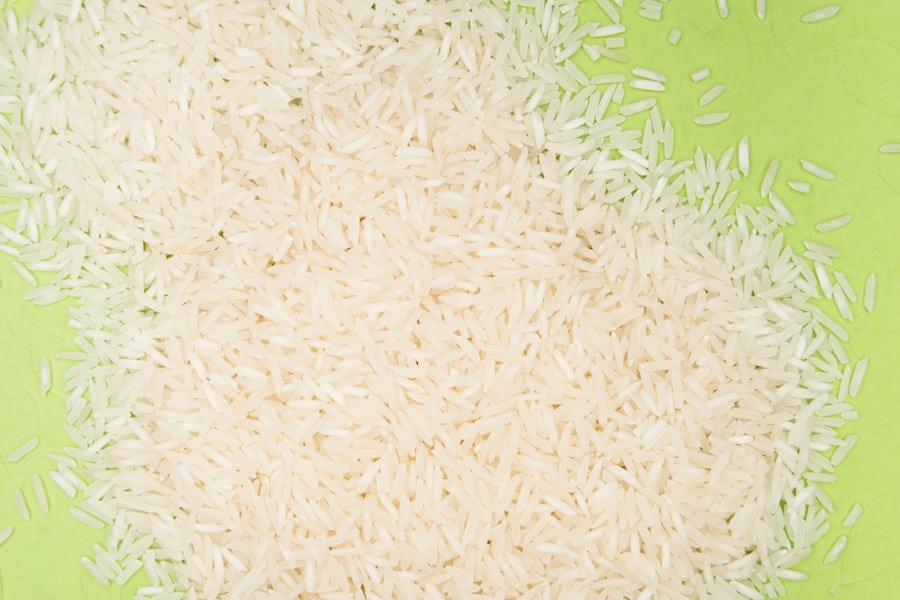
If you find yourself missing rice while on the keto diet but still want to enjoy its texture and versatility, there are ways to incorporate it in a more keto-friendly manner.
You can create flavorful stir-fries by adding protein sources like chicken or shrimp along with plenty of low-carb vegetables.
This way, you can enjoy a satisfying meal without exceeding your carbohydrate limits. Another method is to experiment with portion control if you choose to indulge in small amounts of traditional rice occasionally. For instance, consider using a small serving of brown or wild rice mixed with cauliflower rice or other low-carb vegetables.
This combination allows you to enjoy the taste of rice while keeping your overall carb intake lower. Just be mindful of how these choices fit into your daily macronutrient goals.
Risks and Benefits of Eating Rice on Keto
While there are potential benefits to incorporating small amounts of rice into a ketogenic diet—such as satisfying cravings or adding variety—there are also risks involved. The primary risk is that consuming too much rice can easily push you out of ketosis due to its high carbohydrate content. This could lead to weight gain or hinder your progress toward achieving your health goals.
Additionally, indulging in high-carb foods may trigger cravings for more carbs, making it difficult to maintain discipline on the diet. On the flip side, some individuals may find that including small amounts of rice helps them adhere to their dietary plan in the long run by preventing feelings of deprivation. It’s essential to weigh these risks and benefits carefully based on your personal goals and how your body responds to different foods.
Ultimately, making informed choices about what you eat will empower you to navigate the complexities of the keto diet successfully.
Making Informed Choices on the Keto Diet
In conclusion, navigating the keto diet requires careful consideration of what foods align with your health goals and lifestyle preferences. While traditional rice is generally not compatible with a ketogenic approach due to its high carbohydrate content, there are numerous alternatives available that allow you to enjoy similar textures and flavors without compromising ketosis. By understanding the role of carbohydrates in this diet and exploring creative substitutes like cauliflower or shirataki rice, you can maintain variety in your meals while staying true to your dietary objectives.
Ultimately, making informed choices on the keto diet involves understanding how different foods impact your body’s metabolic state and being mindful of portion sizes when indulging in higher-carb options like rice. By prioritizing low-carb alternatives and focusing on whole foods rich in healthy fats and proteins, you can successfully navigate the challenges of the keto lifestyle while enjoying delicious meals that support your health journey. Remember that every individual’s experience with the keto diet is unique; what works for one person may not work for another.
Stay attuned to your body’s signals and adjust your approach as needed for optimal results.
FAQs
What is the keto diet?
The keto diet is a high-fat, low-carbohydrate diet that has been shown to help with weight loss and improve certain health conditions such as epilepsy and diabetes.
Can you eat rice on the keto diet?
Rice is high in carbohydrates, so it is generally not recommended to eat rice on the keto diet, as the diet requires a low intake of carbohydrates.
Are there any alternatives to rice on the keto diet?
Yes, there are several low-carb alternatives to rice that can be consumed on the keto diet, such as cauliflower rice, shirataki rice, and broccoli rice.
What are the benefits of following a keto diet?
Some potential benefits of following a keto diet include weight loss, improved blood sugar control, and increased levels of HDL (good) cholesterol.
Are there any potential risks or side effects of the keto diet?
Some potential risks or side effects of the keto diet may include nutrient deficiencies, constipation, and an increased risk of developing kidney stones. It is important to consult with a healthcare professional before starting any new diet.





