
Dirty Keto, often referred to as “lazy keto,” is a variation of the ketogenic diet that emphasizes macronutrient ratios over food quality. In this approach, you focus primarily on consuming high amounts of fats and low carbohydrates, regardless of the nutritional value of the foods you choose. This means that while you may be adhering to the necessary carb limits to maintain ketosis, you might be indulging in processed foods, fast food, and other items that are not necessarily healthy.
The primary goal is to achieve and maintain a state of ketosis, where your body burns fat for fuel instead of carbohydrates. You might find that Dirty Keto appeals to your lifestyle because it allows for more flexibility and convenience. You can enjoy foods that are typically considered unhealthy, such as bacon, cheese, and certain snacks, as long as they fit within your daily carb limit.
However, this approach can lead to a diet that lacks essential nutrients and may not support overall health in the long run. While it may be easier to stick to in the short term, you should consider the potential consequences of neglecting food quality.
Key Takeaways
- Dirty Keto focuses on meeting macros without considering food quality
- Clean Keto emphasizes whole, nutrient-dense foods
- The difference lies in the quality of food choices and their impact on health
- Clean Keto foods provide essential nutrients and support overall health
- Dirty Keto foods may lead to nutrient deficiencies and negatively impact health
What is Clean Keto?
Clean Keto, on the other hand, emphasizes not only the macronutrient ratios but also the quality of the foods you consume. This approach encourages you to focus on whole, unprocessed foods that are nutrient-dense and beneficial for your overall health. Clean Keto includes a variety of healthy fats, high-quality proteins, and low-carb vegetables while avoiding processed foods, sugars, and unhealthy fats.
The idea is to nourish your body with wholesome ingredients while still achieving the desired state of ketosis. When you adopt Clean Keto, you may find that your meals are more satisfying and energizing. You’ll likely be consuming foods like avocados, nuts, seeds, grass-fed meats, and organic vegetables.
This not only helps you maintain ketosis but also provides your body with essential vitamins and minerals. By prioritizing food quality, you can support your overall well-being while still enjoying the benefits of a ketogenic lifestyle.
The Difference Between Dirty and Clean Keto
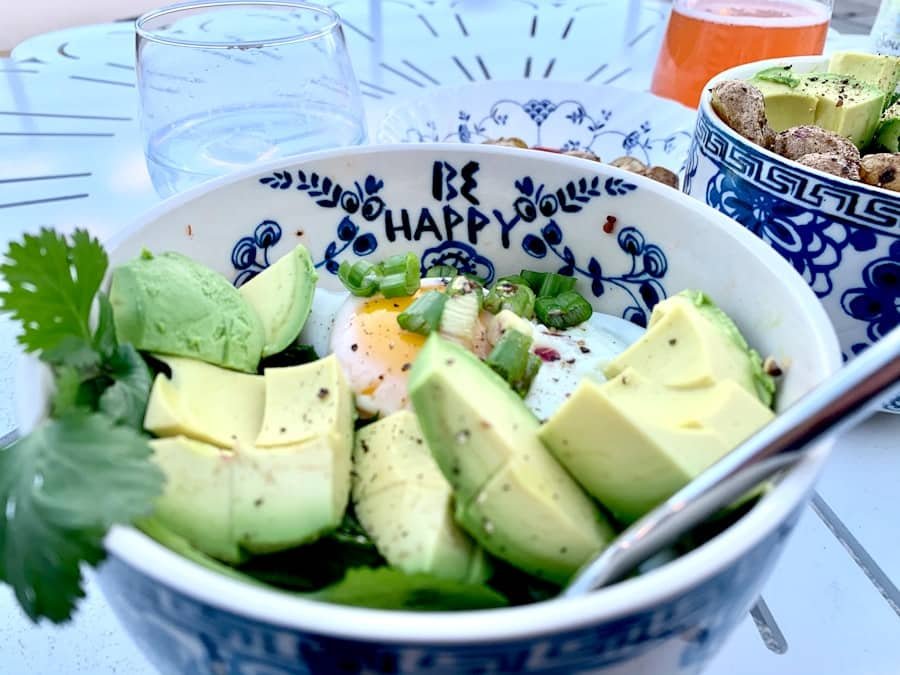
The primary difference between Dirty Keto and Clean Keto lies in the quality of the foods consumed. While both approaches aim to achieve a state of ketosis through low carbohydrate intake, Dirty Keto allows for a more relaxed attitude towards food choices. You might find yourself eating convenience foods or fast food items that fit within your carb limits but lack nutritional value.
This can lead to a diet that is high in unhealthy fats and low in essential nutrients. In contrast, Clean Keto encourages you to make mindful choices about what you eat. You’ll focus on whole foods that provide not only the necessary macronutrients but also micronutrients that support your health.
This distinction can have significant implications for your overall well-being. While Dirty Keto may offer short-term weight loss benefits, Clean Keto promotes long-term health by reducing inflammation and supporting metabolic function.
Benefits of Clean Keto Foods
One of the most significant benefits of Clean Keto foods is their ability to provide essential nutrients while keeping you in ketosis. By focusing on whole foods, you’re likely to consume more vitamins, minerals, and antioxidants that can enhance your overall health. These nutrients play a crucial role in various bodily functions, including immune support, energy production, and cellular repair.
Additionally, Clean Keto foods can help stabilize your blood sugar levels and reduce cravings. When you consume nutrient-dense foods, you’re less likely to experience energy crashes or hunger pangs that often accompany a diet high in processed foods. This can lead to better adherence to your dietary goals and improved mental clarity throughout the day.
You may also find that Clean Keto supports better digestion and gut health due to the inclusion of fiber-rich vegetables and healthy fats.
Downsides of Dirty Keto Foods
While Dirty Keto may seem appealing due to its flexibility, there are several downsides associated with this approach. One major concern is the potential for nutrient deficiencies. By relying heavily on processed foods and unhealthy fats, you may miss out on essential vitamins and minerals that are crucial for optimal health.
Over time, this can lead to various health issues, including weakened immunity and increased inflammation. Moreover, Dirty Keto can negatively impact your relationship with food. The focus on macronutrient ratios rather than food quality may lead to a mindset where you prioritize convenience over nourishment.
This can result in unhealthy eating habits and a lack of awareness about what you’re putting into your body. You might find yourself feeling sluggish or experiencing digestive issues as a result of consuming low-quality foods regularly.
How Dirty Keto Foods Can Impact Health
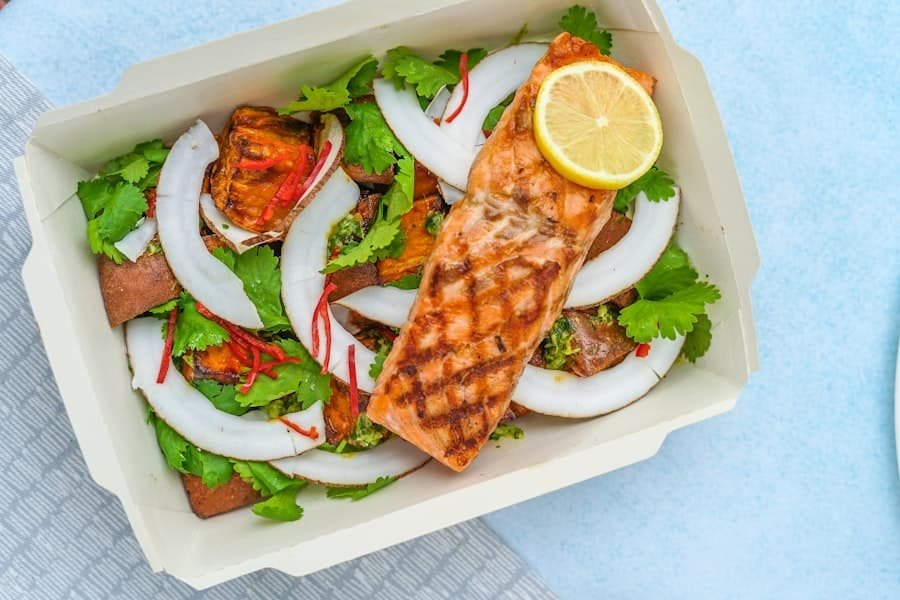
The Link to Chronic Inflammation
Consuming a diet high in processed foods and unhealthy fats, characteristic of Dirty Keto, can lead to increased inflammation in the body over time. Chronic inflammation is a known precursor to various health conditions, including heart disease, diabetes, and certain cancers.
The Unseen Consequences on Mental Health
Neglecting food quality can have far-reaching consequences, not only for physical health but also for mental well-being. Diets high in processed sugars and unhealthy fats have been linked to mood swings and decreased mental clarity, which can significantly impact daily life.
A Short-Lived Solution with Long-Term Consequences
While Dirty Keto may initially yield weight loss or energy boosts due to ketosis, these benefits can be short-lived. Continuing down this path can lead to negative effects on mood and overall well-being, ultimately overshadowing any initial advantages.
How Clean Keto Foods Can Support Health
Clean Keto foods can significantly enhance your overall health by providing a balanced intake of nutrients that support various bodily functions. By incorporating whole foods into your diet, you’re likely to experience improved energy levels and better mental clarity. Nutrient-dense options like leafy greens, avocados, and high-quality proteins can help stabilize blood sugar levels and reduce cravings.
Moreover, Clean Keto can promote heart health by encouraging the consumption of healthy fats such as olive oil, nuts, and fatty fish. These foods are rich in omega-3 fatty acids and antioxidants that can help reduce inflammation and lower cholesterol levels. By prioritizing these types of foods in your diet, you’re not only supporting ketosis but also fostering long-term health benefits that extend beyond weight loss.
Examples of Dirty Keto Foods
If you’re considering Dirty Keto or are currently following this approach, it’s essential to be aware of the types of foods commonly included in this diet. Examples include fast food items like burgers without buns, processed meats like hot dogs or deli meats, and snacks such as pork rinds or cheese puffs. While these options may fit within your carb limits, they often lack nutritional value.
You might also find yourself reaching for convenience items like sugar-free candies or packaged snacks labeled as “keto-friendly.” While these products may help you stay within your carb count, they often contain artificial ingredients or unhealthy fats that can undermine your health goals. It’s crucial to recognize that just because something is low in carbs doesn’t mean it’s beneficial for your body.
Examples of Clean Keto Foods
In contrast to Dirty Keto, Clean Keto emphasizes whole foods that nourish your body while keeping you in ketosis. Examples include avocados, which are rich in healthy fats; leafy greens like spinach or kale; high-quality proteins such as grass-fed beef or wild-caught fish; and healthy oils like olive oil or coconut oil. These foods not only provide essential nutrients but also support overall health.
You might also consider incorporating nuts and seeds into your diet for added fiber and healthy fats. Almonds, walnuts, chia seeds, and flaxseeds are excellent choices that can enhance your meals while keeping you satisfied. Additionally, low-carb vegetables like broccoli, cauliflower, and zucchini can add variety to your meals without compromising your dietary goals.
Tips for Incorporating Clean Keto Foods into Your Diet
If you’re looking to transition from Dirty Keto to Clean Keto or simply want to enhance the quality of your meals, there are several tips you can follow. Start by planning your meals ahead of time to ensure you’re incorporating a variety of whole foods into your diet. This will help you avoid last-minute decisions that may lead to unhealthy choices.
Another helpful strategy is to focus on cooking at home more often. Preparing meals from scratch allows you to control the ingredients and ensure you’re using high-quality products. Experiment with new recipes that highlight clean ingredients while still being delicious and satisfying.
You might also consider batch cooking or meal prepping to make it easier to stick to your Clean Keto goals throughout the week.
Making Informed Choices for Your Keto Diet
Ultimately, making informed choices about your keto diet is crucial for achieving long-term success and maintaining good health. Whether you choose Dirty Keto or Clean Keto, understanding the implications of your food choices will empower you to make decisions that align with your health goals. Take the time to educate yourself about nutrition and seek out resources that can help guide you on your journey.
As you navigate the world of keto diets, remember that balance is key. While it’s possible to enjoy some convenience foods occasionally, prioritizing whole foods will yield far greater benefits for your overall well-being. By focusing on nourishing your body with clean ingredients, you’ll not only support ketosis but also foster a healthier relationship with food that lasts a lifetime.
FAQs
What is Dirty Keto?
Dirty Keto refers to a version of the ketogenic diet that focuses solely on macronutrient intake (carbohydrates, protein, and fat) and ignores the quality of the food being consumed. This means that individuals following a dirty keto diet may consume processed and unhealthy foods as long as they fit their macronutrient goals.
What is Clean Keto?
Clean Keto, on the other hand, emphasizes consuming whole, nutrient-dense foods that are minimally processed. This approach to the ketogenic diet prioritizes the quality of food, focusing on organic and natural sources of fats, proteins, and carbohydrates.
What are some examples of Dirty Keto foods?
Examples of Dirty Keto foods include fast food, processed meats, low-quality cheese, and sugar-free snacks. These foods may fit within the macronutrient goals of the ketogenic diet but lack essential nutrients and may contain unhealthy additives.
What are some examples of Clean Keto foods?
Clean Keto foods include grass-fed meats, wild-caught fish, organic vegetables, healthy fats like avocados and olive oil, and nuts and seeds. These foods are nutrient-dense and provide a wide range of vitamins and minerals.
What are the potential drawbacks of Dirty Keto?
Following a Dirty Keto diet may lead to nutrient deficiencies, as processed and low-quality foods often lack essential vitamins and minerals. Additionally, consuming unhealthy fats and additives may have negative effects on overall health.
What are the potential benefits of Clean Keto?
Clean Keto focuses on consuming whole, nutrient-dense foods, which can support overall health and well-being. By prioritizing high-quality sources of fats, proteins, and carbohydrates, individuals may experience improved energy levels, better digestion, and overall better health outcomes.