
The ketogenic diet, often referred to simply as the keto diet, is a high-fat, low-carbohydrate eating plan designed to shift your body into a state of ketosis. In this metabolic state, your body becomes incredibly efficient at burning fat for energy instead of relying on carbohydrates. By drastically reducing your intake of carbs and replacing them with fats, you encourage your body to utilize fat stores for fuel.
This shift can lead to significant weight loss and has been associated with various health benefits, including improved blood sugar control and enhanced mental clarity. As you embark on this dietary journey, it’s essential to understand the macronutrient breakdown that characterizes the keto diet. Typically, the diet consists of approximately 70-75% fats, 20-25% protein, and only about 5-10% carbohydrates.
This unique ratio is what helps your body enter and maintain ketosis. However, it’s not just about cutting carbs; it’s also crucial to choose the right types of fats and proteins to ensure you’re nourishing your body adequately while on this restrictive diet.
Key Takeaways
- The keto diet is a high-fat, low-carb diet that aims to put the body in a state of ketosis, where it burns fat for fuel instead of carbohydrates.
- Safe foods on the keto diet include meat, fish, eggs, low-carb vegetables, and healthy fats like avocado and olive oil.
- Unsafe foods on the keto diet include high-carb fruits, starchy vegetables, grains, and processed foods with added sugars.
- Choosing safe foods on the keto diet is important for maintaining ketosis and reaping the health benefits of the diet.
- To identify safe foods on the keto diet, look for low-carb, high-fat options and read nutrition labels to check for hidden sugars and carbs.
Safe Foods on the Keto Diet
When following the keto diet, it’s vital to focus on safe foods that align with its principles. These foods are generally low in carbohydrates and high in healthy fats. Avocados, for instance, are a fantastic choice; they are rich in monounsaturated fats and provide essential nutrients like potassium and fiber.
Incorporating avocados into your meals can enhance flavor while keeping your carb count low. Additionally, fatty fish such as salmon and mackerel are excellent sources of omega-3 fatty acids, which are beneficial for heart health and can help reduce inflammation in the body. Nuts and seeds also play a significant role in a keto-friendly diet.
Almonds, walnuts, chia seeds, and flaxseeds are not only low in carbs but also packed with healthy fats and protein. They can be enjoyed as snacks or added to salads and smoothies for an extra nutritional boost. Furthermore, non-starchy vegetables like spinach, kale, and broccoli are safe options that provide essential vitamins and minerals without contributing significantly to your carbohydrate intake.
Unsafe Foods on the Keto Diet
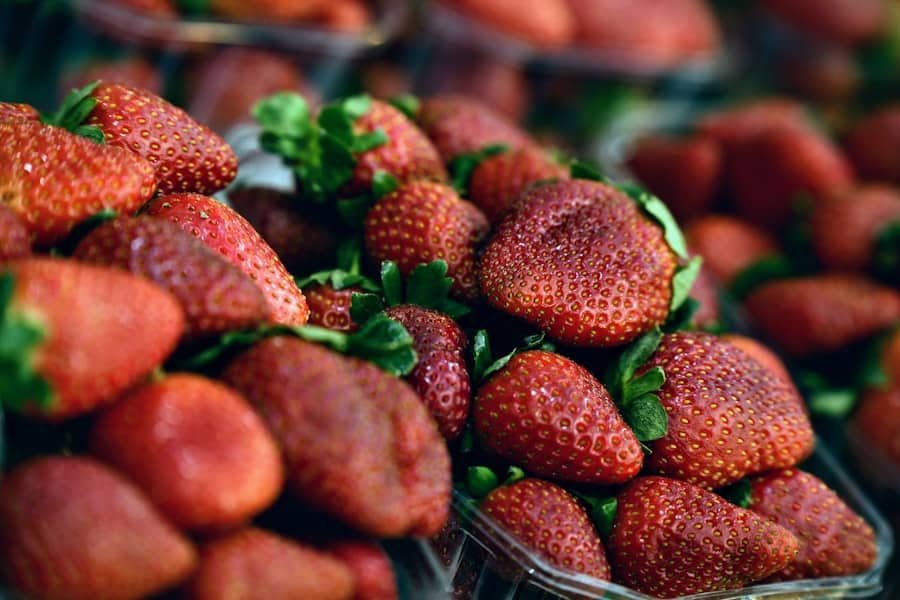
While there are many safe foods to enjoy on the keto diet, it’s equally important to be aware of those that can derail your progress. Foods high in carbohydrates should be avoided as they can prevent your body from entering ketosis. This includes items like bread, pasta, rice, and most grains.
Even whole grains, which are often considered healthy in other diets, can be too high in carbs for a successful keto regimen. Sugary foods are another category to steer clear of while on keto. This includes not only obvious sweets like candy and desserts but also hidden sugars found in sauces, dressings, and processed foods.
Even seemingly healthy options like fruit can be problematic; many fruits contain high levels of natural sugars that can quickly add up and push you out of ketosis. Being vigilant about reading labels and understanding what constitutes unsafe foods is crucial for maintaining your keto lifestyle.
Importance of Choosing Safe Foods on Keto
Choosing safe foods on the keto diet is paramount for achieving your health goals. When you consume foods that align with the ketogenic principles, you not only support your body’s transition into ketosis but also ensure that you’re getting the necessary nutrients to thrive. Eating safe foods helps maintain stable energy levels throughout the day, reduces cravings for unhealthy snacks, and promotes overall well-being.
Moreover, selecting safe foods can significantly impact your long-term success on the keto diet. By focusing on nutrient-dense options, you’re less likely to experience the negative side effects often associated with restrictive diets, such as fatigue or nutrient deficiencies. Prioritizing safe foods allows you to enjoy a variety of flavors and textures while still adhering to your dietary goals, making it easier to stick with the plan over time.
How to Identify Safe Foods on Keto
Identifying safe foods for the keto diet involves understanding food labels and being mindful of macronutrient content. Start by looking for foods that are low in carbohydrates—ideally under 5 grams per serving—and high in healthy fats. Whole foods such as meats, fish, eggs, dairy products (like cheese and heavy cream), and non-starchy vegetables should be at the forefront of your grocery list.
Another effective strategy is to familiarize yourself with common keto-friendly brands and products. Many companies now cater specifically to those following a ketogenic lifestyle, offering snacks and meal options that fit within the dietary guidelines. Additionally, utilizing apps or websites that track macronutrients can help you make informed choices while shopping or dining out.
By arming yourself with knowledge about what constitutes safe foods on keto, you’ll feel more confident in your dietary decisions.
How to Avoid Unsafe Foods on Keto

Avoiding unsafe foods on the keto diet requires a proactive approach to meal planning and grocery shopping. One effective method is to create a detailed shopping list before heading to the store. By sticking to a list that includes only safe foods—such as meats, healthy fats, and low-carb vegetables—you can minimize impulse purchases that may lead you astray.
When dining out or ordering takeout, it’s essential to be vigilant about menu choices. Opt for dishes that feature protein sources like grilled meats or fish paired with non-starchy vegetables instead of starchy sides like potatoes or rice. Don’t hesitate to ask questions about how dishes are prepared or request modifications to ensure they align with your dietary needs.
By being mindful of your choices both at home and when eating out, you can successfully avoid unsafe foods while enjoying the benefits of the keto diet.
Common Misconceptions about Keto Foods
There are several misconceptions surrounding keto foods that can lead to confusion for those new to the diet. One common myth is that all fats are bad for you; however, the keto diet emphasizes healthy fats as a primary energy source. It’s important to differentiate between unhealthy trans fats found in processed foods and beneficial fats from sources like avocados, nuts, and olive oil.
Another misconception is that following a keto diet means you have to give up all carbohydrates entirely. While it’s true that carb intake is significantly reduced on keto, many people overlook the fact that non-starchy vegetables provide essential nutrients without contributing excessive carbs. Understanding these nuances can help you navigate the keto landscape more effectively and make informed food choices.
Tips for Meal Planning on Keto
Meal planning is an invaluable tool for anyone following the keto diet. To set yourself up for success, consider dedicating a specific day each week to plan your meals and snacks. Start by selecting recipes that incorporate safe foods while ensuring a balance of macronutrients.
Preparing meals in advance not only saves time during busy weekdays but also helps you avoid reaching for unhealthy options when hunger strikes. In addition to planning main meals, don’t forget about snacks! Having keto-friendly snacks readily available can help curb cravings and keep you satisfied between meals.
Options like cheese sticks, hard-boiled eggs, or homemade fat bombs can be great additions to your snack rotation. By being organized and intentional about your meal planning, you’ll find it easier to stay committed to your keto journey.
Incorporating Safe Foods into Keto Recipes
Incorporating safe foods into your keto recipes can be both enjoyable and rewarding. Start by experimenting with different cooking methods that highlight the flavors of safe ingredients. For example, roasting non-starchy vegetables with olive oil and herbs can create a delicious side dish that complements any protein source.
Similarly, using avocado as a creamy base for dressings or dips can add richness without compromising your carb count. Don’t hesitate to get creative with substitutions as well! For instance, if you’re craving pasta, consider using spiralized zucchini or cauliflower rice as a low-carb alternative.
There are countless resources available online featuring innovative keto recipes that showcase safe foods in exciting ways. By exploring new culinary techniques and flavors, you’ll keep your meals fresh and satisfying throughout your keto journey.
Potential Risks of Consuming Unsafe Foods on Keto
Consuming unsafe foods while on the keto diet can lead to several potential risks that may hinder your progress or negatively impact your health. One immediate consequence is the possibility of being kicked out of ketosis due to excessive carbohydrate intake. This can result in a return of cravings for sugary or starchy foods, making it challenging to maintain discipline in your eating habits.
Additionally, regularly consuming unsafe foods may lead to nutrient deficiencies over time. The keto diet is already restrictive by nature; if you fill your plate with high-carb options instead of nutrient-dense alternatives, you may miss out on essential vitamins and minerals necessary for overall health. This could manifest in symptoms such as fatigue, digestive issues, or weakened immunity—factors that could derail your commitment to the diet.
Seeking Professional Guidance for Keto Diet
If you’re considering embarking on the keto diet or have been struggling with it despite your best efforts, seeking professional guidance can be incredibly beneficial. A registered dietitian or nutritionist who specializes in ketogenic diets can provide personalized advice tailored to your unique needs and goals. They can help you navigate food choices more effectively while ensuring you’re meeting your nutritional requirements.
Moreover, professional guidance can offer support in addressing any challenges you may face along the way—whether it’s meal planning difficulties or managing cravings for unsafe foods. Having an expert by your side can empower you with knowledge and strategies that enhance your experience on the keto diet while promoting long-term success in achieving your health objectives.
FAQs
What are keto safe foods?
Keto safe foods are those that are low in carbohydrates and high in healthy fats, making them suitable for a ketogenic diet. These foods typically include meat, fish, eggs, low-carb vegetables, nuts, seeds, and healthy oils.
What are keto unsafe foods?
Keto unsafe foods are those that are high in carbohydrates and low in fats, making them unsuitable for a ketogenic diet. These foods typically include sugary snacks, grains, starchy vegetables, fruits, and processed foods.
Why are certain foods considered keto safe or unsafe?
Foods are considered keto safe or unsafe based on their macronutrient composition. Keto safe foods are low in carbohydrates, moderate in protein, and high in healthy fats, which helps the body enter and stay in a state of ketosis. Keto unsafe foods, on the other hand, are high in carbohydrates and can disrupt ketosis.
Can keto safe foods be consumed in unlimited quantities?
While keto safe foods are low in carbohydrates, it is still important to consume them in moderation. Overeating keto safe foods can still lead to an excess of calories, which can hinder weight loss and overall health goals.
Are there any exceptions to keto safe and unsafe foods?
Some foods may fall into a gray area and may be considered safe or unsafe depending on the individual’s specific macronutrient needs and tolerance. It’s important for individuals to monitor their own ketone levels and adjust their food choices accordingly.