
When you embark on a ketogenic diet, you may quickly discover that not all keto foods are created equal. The distinction between dirty and clean keto foods is crucial for your overall health and well-being. Dirty keto refers to foods that fit the macronutrient profile of a ketogenic diet—high in fats and low in carbohydrates—but lack nutritional value.
This can include processed meats, fast food, and snacks laden with unhealthy fats and additives. On the other hand, clean keto emphasizes whole, unprocessed foods that provide essential nutrients while still adhering to the low-carb, high-fat guidelines of the diet. As you navigate your keto journey, understanding these differences can significantly impact your results.
Clean keto foods are typically rich in vitamins, minerals, and antioxidants, which can enhance your energy levels and support your overall health. In contrast, dirty keto foods may lead to deficiencies and health issues over time, despite keeping you in ketosis. By recognizing what constitutes clean versus dirty keto, you can make more informed choices that align with your health goals.
Key Takeaways
- Understanding the Difference between Dirty and Clean Keto Foods
- The Importance of Choosing Clean Keto Foods
- The Risks of Consuming Dirty Keto Foods
- Identifying Dirty Keto Foods
- Benefits of Opting for Clean Keto Foods
The Importance of Choosing Clean Keto Foods
Choosing clean keto foods is not just about adhering to the macronutrient ratios; it’s about nourishing your body with quality ingredients. When you opt for clean foods, you are more likely to consume a variety of nutrients that support bodily functions and promote optimal health. Whole foods such as avocados, leafy greens, nuts, seeds, and high-quality proteins provide essential vitamins and minerals that processed foods often lack.
This nutrient density is vital for maintaining energy levels, supporting immune function, and promoting overall well-being. Moreover, clean keto foods can help you avoid the pitfalls associated with a diet high in processed ingredients. Many dirty keto options are loaded with unhealthy fats, sugars, and preservatives that can lead to inflammation and other health issues.
By prioritizing clean foods, you not only enhance your physical health but also improve your mental clarity and emotional well-being. The benefits of clean eating extend beyond weight loss; they contribute to a more balanced lifestyle that fosters long-term health.
The Risks of Consuming Dirty Keto Foods

While dirty keto may seem like an easier option due to its flexibility, it comes with significant risks that can undermine your health goals. One of the primary concerns is the potential for nutrient deficiencies. Relying on processed foods means you may miss out on essential vitamins and minerals that are crucial for your body’s functions.
Over time, this can lead to fatigue, weakened immunity, and other health complications that could have been avoided with a more balanced approach. Additionally, consuming dirty keto foods can negatively impact your gut health. Many processed items contain additives and preservatives that disrupt the balance of good bacteria in your gut.
This imbalance can lead to digestive issues, inflammation, and even mood disorders. Furthermore, the high levels of unhealthy fats found in many dirty keto options can contribute to cardiovascular problems over time. By understanding these risks, you can make more conscious choices about what you put into your body.
Identifying Dirty Keto Foods
Identifying dirty keto foods is essential for maintaining a healthy ketogenic lifestyle. These foods often include items that are heavily processed or contain artificial ingredients. For instance, fast food burgers without buns may fit the keto profile but are typically loaded with unhealthy fats and preservatives.
Similarly, packaged snacks labeled as “keto-friendly” may still contain hidden sugars or unhealthy oils that can derail your progress. To help you identify dirty keto foods, pay attention to ingredient lists. If you see long lists filled with unrecognizable ingredients or additives, it’s likely a sign that the food is not clean.
Additionally, be wary of items that are marketed as low-carb but are high in unhealthy fats or sodium. By developing a keen eye for these red flags, you can make better choices that align with your health goals.
Benefits of Opting for Clean Keto Foods
Opting for clean keto foods offers numerous benefits that extend beyond weight loss. One of the most significant advantages is improved energy levels. Whole foods provide a steady source of energy without the crashes associated with processed options.
This sustained energy can enhance your productivity and overall quality of life. Furthermore, clean foods often contain fiber, which aids digestion and promotes a healthy gut. Another benefit of clean keto eating is its positive impact on mental clarity and mood stability.
Nutrient-dense foods support brain health by providing essential fatty acids and antioxidants that protect against cognitive decline. When you nourish your body with clean ingredients, you may find yourself feeling more focused and emotionally balanced. This holistic approach to eating not only supports physical health but also fosters mental well-being.
Tips for Incorporating Clean Keto Foods into Your Diet
Stocking Your Kitchen with Whole Foods
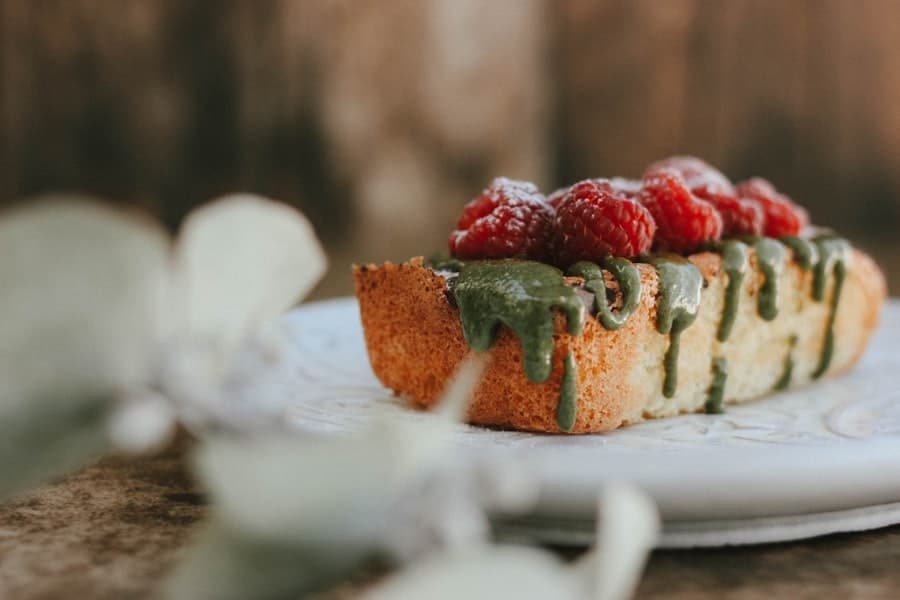
Start by stocking your kitchen with whole foods such as fresh vegetables, high-quality meats, healthy fats like olive oil and avocado oil, and low-carb fruits like berries. This will provide a solid foundation for your clean keto diet and make meal planning easier.
Meal Planning and Preparation
Planning your meals ahead of time can also help you stay on track and avoid the temptation of unhealthy options when hunger strikes. Take some time to plan out your meals for the week, and consider preparing healthy snacks in advance to keep you satisfied between meals.
Getting Creative with Recipes
Experimenting with new recipes is another great way to make clean eating fun and engaging. Look for creative ways to prepare vegetables or incorporate healthy fats into your meals. For instance, try making zucchini noodles instead of traditional pasta or whip up a delicious avocado salad as a side dish. By making healthy eating fun and engaging, you’ll be more likely to stick with it in the long run.
How to Avoid Dirty Keto Foods
Avoiding dirty keto foods requires mindfulness and planning. One effective strategy is to prepare most of your meals at home using fresh ingredients. This way, you have complete control over what goes into your dishes and can avoid hidden sugars and unhealthy fats commonly found in restaurant meals or packaged snacks.
Meal prepping can also save time during busy weeks while ensuring you have healthy options readily available. When dining out or shopping for groceries, take the time to read labels carefully. Familiarize yourself with common additives and preservatives that may be lurking in seemingly healthy options.
Additionally, don’t hesitate to ask questions at restaurants about how dishes are prepared or request modifications to make them cleaner. By being proactive in your choices, you can significantly reduce your chances of consuming dirty keto foods.
The Impact of Dirty Keto Foods on Your Health
The impact of dirty keto foods on your health can be profound and far-reaching. While they may help you achieve short-term weight loss goals by keeping you in ketosis, the long-term consequences can be detrimental. Regular consumption of processed foods can lead to chronic inflammation, which is linked to various health issues such as heart disease, diabetes, and even certain cancers.
Moreover, relying on dirty keto options can create a cycle of cravings and energy crashes due to their lack of nutritional value. You may find yourself feeling sluggish or irritable after indulging in these foods, which can affect your overall quality of life. By understanding these impacts, you can motivate yourself to prioritize clean eating for better long-term health outcomes.
Recipes and Meal Ideas for Clean Keto Eating
Exploring recipes for clean keto eating can be an exciting way to diversify your meals while sticking to your dietary goals. Consider starting your day with a delicious breakfast bowl featuring scrambled eggs cooked in coconut oil topped with spinach and avocado slices. For lunch, a hearty salad made with mixed greens, grilled chicken, cherry tomatoes, cucumbers, and a homemade olive oil vinaigrette can keep you satisfied without compromising on nutrition.
For dinner, try preparing baked salmon drizzled with lemon juice alongside roasted Brussels sprouts tossed in olive oil and garlic. Snacks can also be nutritious; consider snacking on raw almonds or celery sticks paired with almond butter for a satisfying treat between meals. By incorporating these clean recipes into your routine, you’ll find it easier to maintain a healthy ketogenic lifestyle.
Making Informed Choices for a Sustainable Keto Lifestyle
Making informed choices is key to sustaining a successful ketogenic lifestyle over the long term. It’s essential to educate yourself about nutrition and understand how different foods affect your body. This knowledge empowers you to make decisions that align with your health goals rather than simply following trends or fads.
Additionally, consider keeping a food journal to track what you eat and how it makes you feel physically and mentally. This practice can help you identify patterns in your eating habits and make adjustments as needed. By being proactive about your choices and staying informed about nutrition, you’ll be better equipped to maintain a sustainable keto lifestyle that supports both your physical health and overall well-being.
Seeking Balance in Your Keto Diet: Finding a Middle Ground between Dirty and Clean Foods
While clean eating is essential for optimal health on a ketogenic diet, it’s also important to recognize that balance is key. Allowing yourself occasional treats or less-than-perfect meals can help prevent feelings of deprivation that often lead to binge eating or abandoning the diet altogether. The goal should be to find a middle ground where you enjoy the benefits of clean eating while still allowing for flexibility.
Consider adopting an 80/20 rule: aim for 80% of your meals to consist of clean keto foods while allowing 20% for occasional indulgences or less strict options. This approach not only makes the diet more enjoyable but also helps create a sustainable lifestyle that you can maintain over time without feeling restricted or overwhelmed by rigid rules. In conclusion, understanding the differences between dirty and clean keto foods is vital for achieving lasting success on your ketogenic journey.
By prioritizing clean options while remaining open to occasional indulgences, you can create a balanced approach that supports both your health goals and overall well-being.
FAQs
What is the difference between dirty and clean keto foods?
Dirty keto foods refer to those that are high in saturated fats and low in nutrients, such as processed meats and fast food. Clean keto foods, on the other hand, are whole, nutrient-dense foods that are low in carbs and high in healthy fats and protein.
Are there health risks associated with consuming dirty keto foods?
Consuming a diet high in dirty keto foods can lead to an increased risk of heart disease, high cholesterol, and other health issues due to the high intake of saturated fats and lack of essential nutrients.
What are some examples of dirty keto foods?
Examples of dirty keto foods include fast food, processed meats, fried foods, and high-sugar, low-nutrient snacks and desserts.
What are some examples of clean keto foods?
Examples of clean keto foods include lean meats, fish, eggs, low-carb vegetables, nuts, seeds, and healthy fats such as avocados and olive oil.
Can I still lose weight on a dirty keto diet?
While it is possible to lose weight on a dirty keto diet due to the low carb intake, it may not be sustainable or healthy in the long term due to the lack of essential nutrients and high intake of unhealthy fats.
Is it possible to follow a clean keto diet and still enjoy a variety of foods?
Yes, a clean keto diet can still include a wide variety of nutrient-dense foods such as vegetables, fruits in moderation, and a range of healthy fats and proteins, providing a well-rounded and sustainable approach to the keto diet.