
The Keto diet, short for ketogenic diet, is a low-carbohydrate, high-fat eating plan designed to shift your body’s metabolism from burning glucose to burning fat for energy. By drastically reducing carbohydrate intake and replacing it with fat, your body enters a metabolic state known as ketosis. In this state, your liver converts fat into ketones, which serve as an alternative energy source.
This dietary approach has gained popularity not only for weight loss but also for its potential health benefits, including improved mental clarity and increased energy levels. As you delve deeper into the Keto diet, you’ll discover that it typically consists of a macronutrient ratio of about 70-75% fat, 20-25% protein, and only 5-10% carbohydrates. This significant reduction in carbs forces your body to adapt to a new way of fueling itself.
While the diet may seem restrictive at first glance, it opens up a variety of delicious food options that can be both satisfying and nutritious. Understanding the fundamentals of the Keto diet is essential for anyone considering this lifestyle change, especially seniors who may have specific dietary needs.
Key Takeaways
- The Keto Diet is a low-carb, high-fat diet that can help seniors improve their overall health and well-being.
- Seniors can benefit from the Keto Diet by experiencing improved cognitive function, increased energy levels, and better weight management.
- It is important for seniors to consume a variety of Keto-friendly foods such as lean meats, fish, low-carb vegetables, and healthy fats to support their nutritional needs.
- Top Keto foods for seniors include avocados, eggs, nuts, seeds, and low-carb vegetables like spinach and broccoli.
- Seniors can easily incorporate Keto foods into their diet by meal planning, preparing simple recipes, and choosing Keto-friendly snack options.
Benefits of the Keto Diet for Seniors
Weight Management and Muscle Preservation
As metabolism slows down with age, maintaining a healthy weight can become increasingly challenging. The Keto diet can help seniors shed excess pounds by promoting fat loss while preserving lean muscle mass. This is particularly important as muscle loss can lead to frailty and decreased mobility in older adults.
Cognitive Function and Brain Health
Research suggests that ketones can provide an efficient energy source for the brain, potentially improving memory and focus. For seniors concerned about age-related cognitive decline or conditions such as Alzheimer’s disease, adopting a Keto lifestyle may offer protective benefits.
Joint Health and Reduced Discomfort
The anti-inflammatory properties of a high-fat diet can contribute to better joint health and reduced discomfort from conditions like arthritis, allowing seniors to maintain an active lifestyle.
Importance of Keto Foods for Seniors

Keto foods play a crucial role in ensuring that seniors receive the necessary nutrients while adhering to the dietary restrictions of the Keto diet. As you age, your body requires specific vitamins and minerals to support various functions, including bone health, immune function, and cardiovascular health. By choosing nutrient-dense Keto foods, you can meet these needs while enjoying the benefits of a low-carb lifestyle.
Moreover, incorporating a variety of Keto foods helps prevent nutrient deficiencies that can arise from restrictive diets. Foods rich in healthy fats, such as avocados, nuts, and olive oil, not only provide essential fatty acids but also contribute to heart health. Protein sources like fish and poultry are vital for maintaining muscle mass and supporting overall strength.
By focusing on whole, unprocessed foods within the Keto framework, you can create balanced meals that nourish your body and promote longevity.
Top Keto Foods for Seniors
When embarking on a Keto diet, it’s essential to stock your pantry with the right foods that align with your dietary goals. Some of the top Keto foods for seniors include avocados, which are packed with healthy monounsaturated fats and fiber. They can be enjoyed in salads or smoothies or simply eaten on their own.
Another excellent option is fatty fish like salmon or mackerel, which are rich in omega-3 fatty acids that support heart health and cognitive function. In addition to these staples, consider incorporating leafy greens such as spinach and kale into your meals. These vegetables are low in carbohydrates but high in vitamins and minerals.
Nuts and seeds are also great choices; they provide healthy fats and protein while being easy to snack on throughout the day. Lastly, don’t forget about dairy products like cheese and Greek yogurt, which can add flavor and creaminess to your dishes while keeping your carb intake low.
How to Incorporate Keto Foods into a Senior’s Diet
Incorporating Keto foods into a senior’s diet can be both enjoyable and straightforward with a little planning. Start by gradually reducing carbohydrate intake rather than making drastic changes overnight. This approach allows your body to adjust more comfortably to the new dietary pattern.
You might begin by swapping out high-carb staples like bread and pasta for alternatives made from almond flour or zucchini noodles. Meal prepping is another effective strategy for ensuring that you have Keto-friendly options readily available. Set aside time each week to prepare meals in advance, focusing on recipes that include a variety of proteins, healthy fats, and low-carb vegetables.
This not only saves time during busy days but also helps you avoid reaching for unhealthy snacks or meals when hunger strikes. Additionally, experimenting with different cooking methods—such as grilling, roasting, or sautéing—can keep your meals exciting and flavorful.
Keto-Friendly Snack Options for Seniors
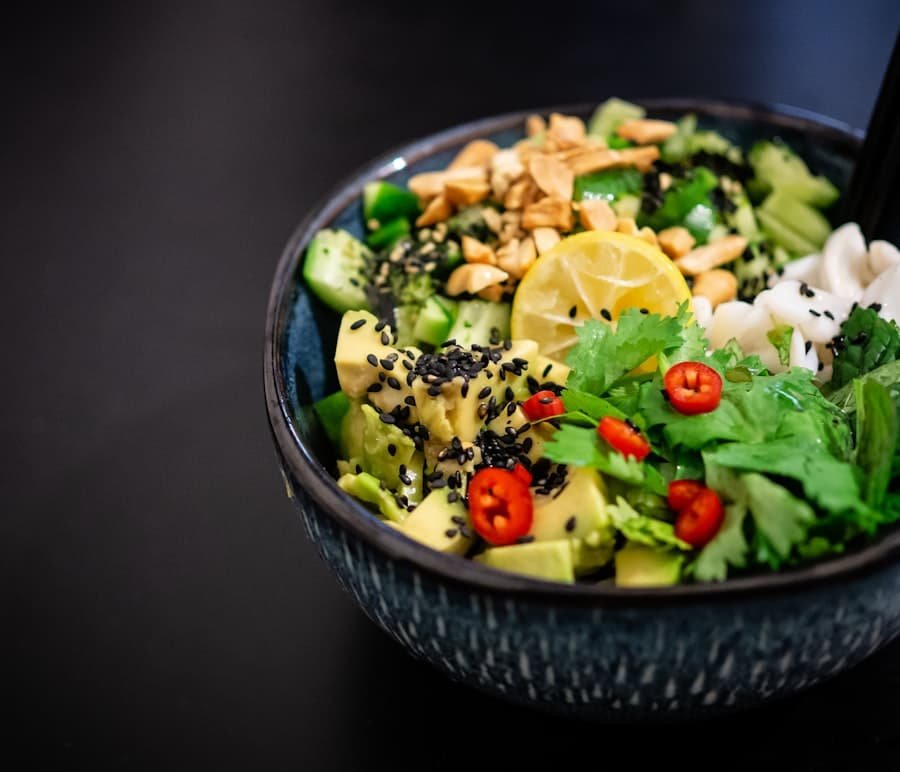
Protein-Packed Snacks
One popular choice is cheese—whether it’s string cheese or cheese cubes—providing both protein and fat in a convenient package. Hard-boiled eggs are another excellent source of protein and can be seasoned with herbs or spices for added flavor.
Nutritious Nuts and Seeds
Nuts and seeds are not only filling but also packed with healthy fats and nutrients. Almonds, walnuts, and pumpkin seeds are excellent choices that can be easily portioned out for on-the-go snacking.
Crunchy Keto Snacks
If you’re looking for something crunchy, consider making kale chips or roasted seaweed snacks as a low-carb alternative to traditional chips. These snacks are not only delicious but also provide a satisfying crunch without the carbs.
Potential Risks and Considerations for Seniors on the Keto Diet
While the Keto diet offers numerous benefits, it’s essential to be aware of potential risks and considerations specific to seniors. One concern is nutrient deficiencies that may arise from restricting certain food groups. As you age, your body requires various vitamins and minerals to function optimally; therefore, it’s crucial to ensure that your diet remains balanced despite the limitations of the Keto framework.
Another consideration is the impact of high-fat diets on heart health. While healthy fats are beneficial in moderation, excessive consumption of saturated fats may pose risks for individuals with pre-existing heart conditions or elevated cholesterol levels. It’s advisable to focus on incorporating unsaturated fats from sources like olive oil and fatty fish while monitoring overall fat intake.
Consulting with a healthcare professional before starting the Keto diet is vital to address any specific health concerns you may have.
Tips for Meal Planning and Preparing Keto Meals for Seniors
Effective meal planning is key to successfully following the Keto diet as a senior. Start by creating a weekly meal plan that includes breakfast, lunch, dinner, and snacks. This will help you stay organized and ensure that you have all the necessary ingredients on hand.
When planning meals, aim for variety by incorporating different proteins, vegetables, and healthy fats to keep things interesting. When preparing meals, consider batch cooking larger portions that can be stored in the refrigerator or freezer for later use. This not only saves time but also makes it easier to stick to your dietary goals during busy weeks.
Additionally, investing in quality kitchen tools—such as a slow cooker or air fryer—can simplify meal preparation while allowing you to experiment with different cooking techniques.
Keto-Friendly Recipes for Seniors
Creating delicious Keto-friendly recipes doesn’t have to be complicated or time-consuming. For breakfast, consider making an egg casserole loaded with spinach and cheese; it’s easy to prepare in advance and can be reheated throughout the week. For lunch or dinner, try a zucchini lasagna using thinly sliced zucchini instead of traditional pasta layers; this dish is both satisfying and low in carbs.
Snacks can also be fun to prepare; consider whipping up some homemade guacamole served with sliced bell peppers or cucumber sticks for dipping. For dessert, indulge in a simple chia seed pudding made with coconut milk and topped with berries—this treat is not only delicious but also packed with fiber and healthy fats.
How to Monitor and Adjust a Senior’s Keto Diet
Monitoring your progress on the Keto diet is essential for ensuring that you’re meeting your health goals while maintaining overall well-being. Keep track of how you feel physically and mentally as you adjust to this new way of eating; note any changes in energy levels or cognitive function that may occur over time. Additionally, consider using tools like food diaries or mobile apps to log your meals and track macronutrient intake.
As you progress on the diet, be open to making adjustments based on your body’s response. If you find yourself feeling fatigued or experiencing digestive issues, it may be necessary to tweak your macronutrient ratios or incorporate more fiber-rich foods into your meals. Regularly reassessing your dietary choices will help ensure that you’re getting the most out of your Keto experience.
Consulting with a Healthcare Professional before Starting a Keto Diet
Before embarking on any significant dietary change—especially one as distinct as the Keto diet—it’s crucial to consult with a healthcare professional. This step is particularly important for seniors who may have underlying health conditions or take medications that could interact with dietary changes. A healthcare provider can help assess your individual health status and provide personalized recommendations tailored to your needs.
During this consultation, discuss any concerns you may have about transitioning to a low-carb lifestyle and inquire about potential risks associated with the diet based on your medical history. Your healthcare professional can also guide you on how to monitor your health while following the Keto diet, ensuring that you make informed decisions that support your overall well-being as you age gracefully.
FAQs
What is the keto diet?
The keto diet is a high-fat, low-carbohydrate eating plan that has been shown to help with weight loss and improve certain health conditions such as diabetes and epilepsy.
What are keto foods?
Keto foods are those that are high in healthy fats and low in carbohydrates. Examples include meat, fish, eggs, cheese, nuts, seeds, and low-carb vegetables.
Why are keto foods beneficial for seniors?
Keto foods can be beneficial for seniors as they can help with weight management, blood sugar control, and cognitive function. They can also provide a steady source of energy without causing spikes in blood sugar levels.
Are there any potential risks of the keto diet for seniors?
Seniors should consult with a healthcare professional before starting the keto diet, as it may not be suitable for everyone. Potential risks include nutrient deficiencies and difficulty maintaining muscle mass.
What are some easy keto meal ideas for seniors?
Some easy keto meal ideas for seniors include omelets with vegetables and cheese, grilled salmon with a side of steamed broccoli, and a salad with avocado, chicken, and olive oil dressing.
Can seniors with certain health conditions follow the keto diet?
Seniors with certain health conditions, such as kidney disease or pancreatitis, may need to avoid or modify the keto diet. It is important to consult with a healthcare professional before making any dietary changes.