The ketogenic diet, commonly referred to as the keto diet, is a low-carbohydrate, high-fat eating plan that has gained immense popularity in recent years. At its core, the keto diet aims to shift your body’s metabolism from relying on carbohydrates for energy to utilizing fats instead. This metabolic state is known as ketosis, where your body becomes highly efficient at burning fat for fuel.
By drastically reducing your carbohydrate intake and replacing it with healthy fats, you can encourage your body to enter this state, leading to various health benefits, including weight loss, improved mental clarity, and increased energy levels. As you embark on your keto journey, it’s essential to understand the science behind it. When you consume fewer carbs, your body’s insulin levels drop, prompting it to start breaking down stored fat into molecules called ketones.
These ketones serve as an alternative energy source for your brain and body. This shift not only helps in burning fat but also stabilizes blood sugar levels, which can be particularly beneficial for those with insulin resistance or type 2 diabetes. However, transitioning into ketosis can take time and may come with some initial side effects, often referred to as the “keto flu.” Understanding these dynamics will help you navigate the challenges and reap the rewards of this dietary approach.
Key Takeaways
- The keto diet is a high-fat, low-carb eating plan that can help with weight loss and improved health.
- Foods to avoid on keto include sugary treats, starchy vegetables, and grains.
- Essential foods for a keto diet include meat, fish, eggs, and non-starchy vegetables.
- Protein sources for keto include chicken, turkey, beef, and tofu.
- Healthy fats for keto include avocados, olive oil, and nuts.
Foods to Avoid on Keto
Sugary Foods and Beverages to Avoid
This includes candies, pastries, sodas, and even fruit juices that are high in sugar content. These items not only spike your blood sugar levels but also provide little nutritional value, making them detrimental to your keto goals.
Grains and Starches to Limit
Foods like bread, pasta, rice, and potatoes are high in carbohydrates and can hinder your ability to enter or maintain ketosis. Even whole grains, often touted as healthy options, can be too high in carbs for a strict keto diet.
Processed Foods to Watch Out For
Processed foods are another category to watch out for; they often contain hidden sugars and unhealthy additives that can sabotage your efforts. By being vigilant about what you eat and making informed choices, you can stay on track with your keto lifestyle.
Essential Foods for a Keto Diet
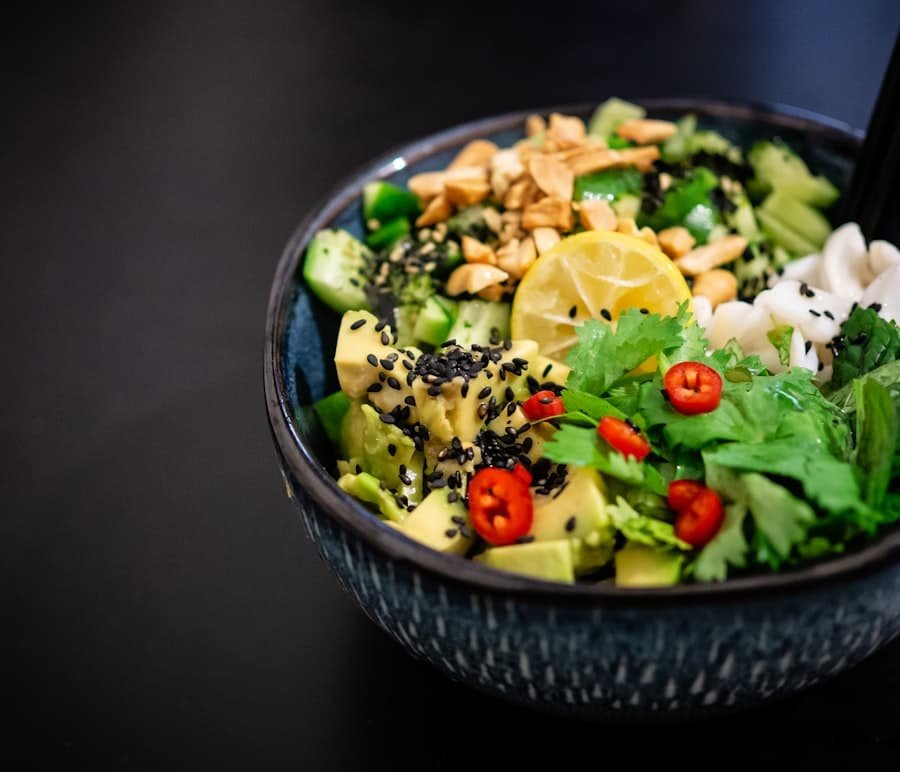
To successfully navigate the keto diet, stocking your kitchen with essential foods is vital. Focus on high-quality fats as the cornerstone of your meals. Avocados are an excellent choice; they are rich in monounsaturated fats and provide a creamy texture that can enhance various dishes.
Olive oil is another staple that not only adds flavor but also offers numerous health benefits due to its antioxidant properties. Incorporating these fats into your meals will help you feel satiated while keeping your carb intake low. In addition to healthy fats, you should include a variety of protein sources in your diet.
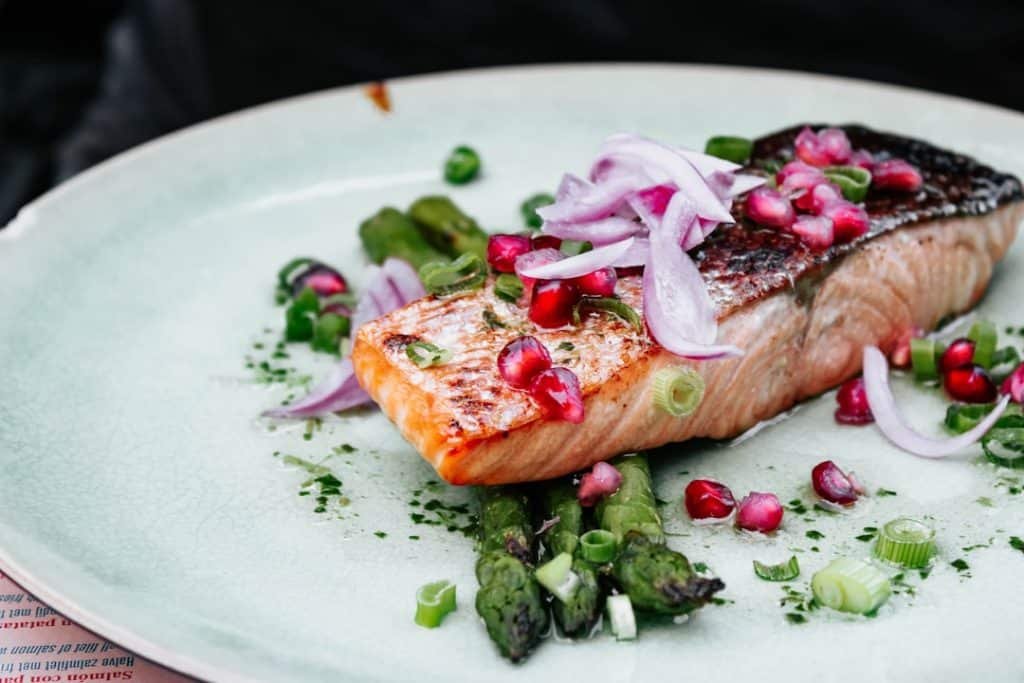
Eggs are a versatile option that can be prepared in numerous ways and are packed with nutrients. Fatty fish like salmon and mackerel are also great choices due to their omega-3 fatty acids, which support heart health. Don’t forget about nuts and seeds; they provide healthy fats along with fiber and protein.
By focusing on these essential foods, you’ll create a balanced keto meal plan that supports your health and keeps you satisfied.
Protein Sources for Keto
When it comes to protein on a keto diet, quality matters just as much as quantity. You want to choose protein sources that are not only low in carbohydrates but also rich in nutrients. Meat is a primary source of protein for many on the keto diet.
Opt for fatty cuts of meat like ribeye steak or pork belly, which provide both protein and healthy fats. Poultry is another excellent option; chicken thighs are generally more flavorful and higher in fat than chicken breasts, making them a better fit for keto. Fish is also a fantastic protein source that aligns well with keto principles.
Fatty fish such as salmon, sardines, and trout are not only rich in protein but also packed with omega-3 fatty acids that promote heart health. If you prefer plant-based options, consider incorporating tofu or tempeh into your meals; these soy products are low in carbs and high in protein. Additionally, eggs remain one of the most versatile and nutrient-dense protein sources available.
They can be boiled, scrambled, or made into omelets, making them an easy addition to any meal.
Healthy Fats for Keto
Healthy fats are the backbone of the keto diet, providing the energy needed for your body while keeping carbohydrate intake low. One of the best sources of healthy fats is avocados; they are not only delicious but also packed with fiber and potassium. You can enjoy them sliced on salads or blended into smoothies for added creaminess.
Coconut oil is another excellent fat source that can be used for cooking or added to coffee for a creamy boost. Nuts and seeds are also great options for healthy fats on a keto diet. Almonds, walnuts, chia seeds, and flaxseeds provide essential fatty acids along with fiber and protein.
They make for perfect snacks or can be sprinkled on salads for added crunch. Additionally, incorporating full-fat dairy products like cheese and heavy cream can enhance flavor while providing healthy fats. By focusing on these healthy fat sources, you’ll ensure that your body receives the necessary nutrients while staying within your carb limits.
Low-Carb Vegetables for Keto
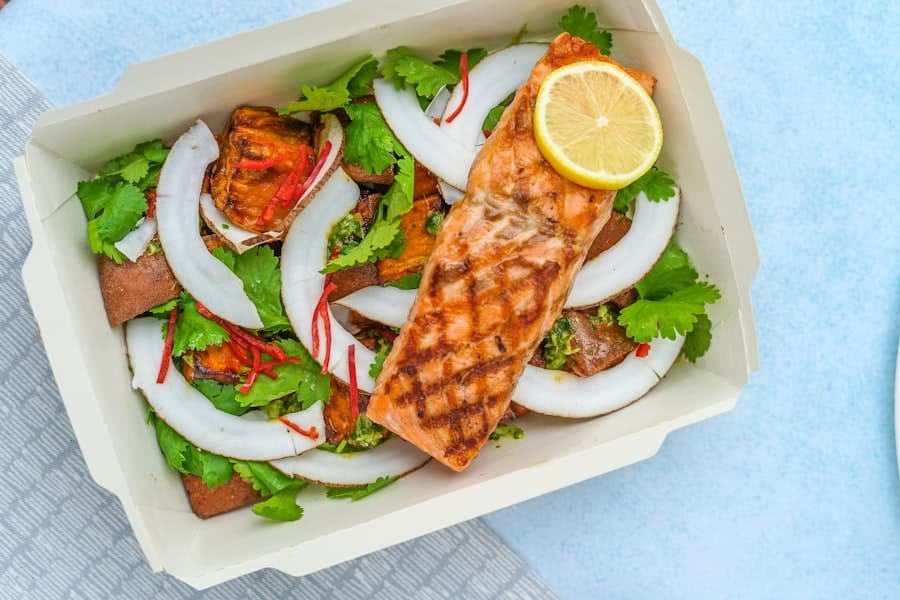
While many vegetables are packed with nutrients, not all of them fit into a keto diet due to their carbohydrate content. However, there are plenty of low-carb options that you can enjoy without compromising your dietary goals. Leafy greens such as spinach, kale, and arugula are excellent choices; they are low in carbs but high in vitamins and minerals.
You can use them as a base for salads or sauté them as a side dish. Cruciferous vegetables like broccoli, cauliflower, and Brussels sprouts are also fantastic additions to your keto meal plan. These veggies are not only low in carbs but also high in fiber, which aids digestion and keeps you feeling full longer.
Zucchini is another versatile option that can be spiralized into noodles or used in various dishes as a substitute for higher-carb ingredients like pasta or rice. By incorporating these low-carb vegetables into your meals, you’ll enhance your nutrient intake while staying within your carb limits.
Keto-Friendly Fruits
While fruits are often associated with high sugar content, there are still some options that fit well within a keto diet. Berries are among the best choices; strawberries, raspberries, blackberries, and blueberries are relatively low in carbs compared to other fruits and packed with antioxidants. You can enjoy them fresh or add them to smoothies or yogurt for a delicious treat.
Another fruit that works well on a keto diet is avocado; although often considered a vegetable in culinary terms, it is technically a fruit and is rich in healthy fats. Olives are another great option; they provide healthy monounsaturated fats along with a unique flavor that can enhance various dishes. By being selective about the fruits you consume and focusing on those lower in sugar content, you can satisfy your sweet cravings without derailing your keto progress.
Snack Options for Keto
Finding satisfying snacks while on a keto diet can be challenging but entirely possible with the right choices. One of the easiest options is to reach for nuts; they are portable and provide healthy fats along with protein. Almonds, macadamia nuts, and pecans are particularly good choices due to their low carb content.
Just be mindful of portion sizes since nuts can be calorie-dense. Cheese is another excellent snack option that fits perfectly into a keto lifestyle. String cheese or cheese cubes make for convenient snacks that are both filling and flavorful.
If you’re looking for something crunchy, consider making kale chips or roasted seaweed snacks; they offer a satisfying crunch without the carbs found in traditional chips. By preparing these snacks ahead of time or keeping them on hand at home or work, you’ll have no trouble sticking to your keto goals while enjoying tasty treats.
Beverages for Keto
Staying hydrated is essential on any diet, including keto; however, many beverages contain hidden sugars that can disrupt ketosis. Water should always be your go-to drink; it’s calorie-free and essential for overall health. If you want something with flavor, consider infusing water with slices of lemon or cucumber for a refreshing twist.
Coffee and tea are also great options on a keto diet; they contain minimal carbs and can be enjoyed black or with added healthy fats like coconut oil or heavy cream for a creamy beverage known as “bulletproof coffee.” Herbal teas can provide variety without adding calories or carbs as well. Just be cautious with flavored drinks or pre-packaged beverages that may contain added sugars or syrups; always check labels to ensure they align with your dietary goals.
Dining Out on Keto
Dining out while adhering to a keto diet may seem daunting at first glance; however, with some preparation and knowledge of menu options, it can be quite manageable. When reviewing menus at restaurants, look for dishes that feature proteins like steak or grilled chicken paired with non-starchy vegetables such as broccoli or asparagus instead of potatoes or rice. Don’t hesitate to ask for modifications when ordering; most restaurants are accommodating when it comes to dietary preferences.
For instance, you can request sauces on the side or substitute high-carb sides with extra vegetables or salad instead. Additionally, many establishments now offer keto-friendly options explicitly labeled on their menus due to the growing popularity of this dietary approach.
Tips for Success on the Keto Diet
To achieve success on the keto diet, setting realistic goals is crucial; this will help keep you motivated throughout your journey. Start by tracking your macronutrient intake using apps or food diaries to ensure you’re staying within your carb limits while getting enough healthy fats and proteins. Another important tip is to prepare meals ahead of time; meal prepping can save you from reaching for unhealthy options when hunger strikes unexpectedly.
Stocking up on keto-friendly snacks will also help curb cravings between meals without derailing your progress. Lastly, remember that patience is key; transitioning into ketosis takes time, so give yourself grace as you adapt to this new way of eating while celebrating small victories along the way. By understanding the principles behind the keto diet and making informed food choices, you’ll set yourself up for success on this journey toward better health and wellness.
FAQs
What is the keto diet?
The keto diet is a high-fat, low-carbohydrate diet that has been shown to help with weight loss and improve certain health conditions. It involves drastically reducing carbohydrate intake and replacing it with fat, putting the body into a metabolic state called ketosis.
What can I eat on the keto diet?
On the keto diet, you can eat foods that are high in healthy fats, such as avocados, nuts, seeds, and oils. You can also consume moderate amounts of protein, such as meat, fish, and eggs. Low-carbohydrate vegetables like leafy greens, broccoli, and cauliflower are also staples of the keto diet.
What foods should I avoid on the keto diet?
Foods to avoid on the keto diet include high-carbohydrate foods such as bread, pasta, rice, and sugary snacks. Additionally, starchy vegetables, most fruits, and sugary drinks should be limited or avoided.
Can I eat dairy on the keto diet?
Dairy products can be consumed on the keto diet, but it’s important to choose full-fat options and be mindful of the carbohydrate content. Some keto-friendly dairy options include cheese, butter, and full-fat yogurt.
How can I ensure I’m getting enough nutrients on the keto diet?
To ensure you’re getting enough nutrients on the keto diet, focus on consuming a variety of low-carbohydrate vegetables, healthy fats, and high-quality sources of protein. It may also be beneficial to take a multivitamin or mineral supplement to fill in any potential nutrient gaps.